

Brain Supplements Guide 2026: Unlocking Cognitive Potential
Imagine waking up in 2026, eager to unlock your mind’s full potential. Could the right brain supplements help you sharpen focus, boost memory, and stay ahead in a fast-paced world?
This guide explores everything you need to know about brain supplements. We dive into the latest science, review popular ingredients, and share practical advice so you can make informed choices for your cognitive health.
With brain supplements gaining popularity and bold claims everywhere, it is crucial to separate fact from fiction. Use this guide to confidently navigate the options and support your cognitive wellness safely.
Understanding Brain Supplements: What Are They and How Do They Work?
Brain supplements are a diverse group of products designed to support cognitive function. Known as nootropics, memory boosters, or cognitive enhancers, these supplements come in several forms, including capsules, powders, and drinks. While some are derived from natural sources like herbs or food extracts, others are synthetic compounds developed in laboratories.
People from all walks of life use brain supplements. Students may seek a mental edge during exams, professionals look for sharper focus at work, and older adults hope to protect memory as they age. In fact, over 25% of adults over 50 report using some form of supplement for brain health. However, it is important to remember that not all brain supplements are created equal in terms of ingredients, quality, or effectiveness.
These products are not approved by the FDA to prevent or treat any disease. Instead, they are marketed as dietary supplements, which means they are not held to the same rigorous standards as medications. For a deeper look at the evidence and safety concerns, the Harvard Health on Brain Supplements article offers valuable expert analysis.
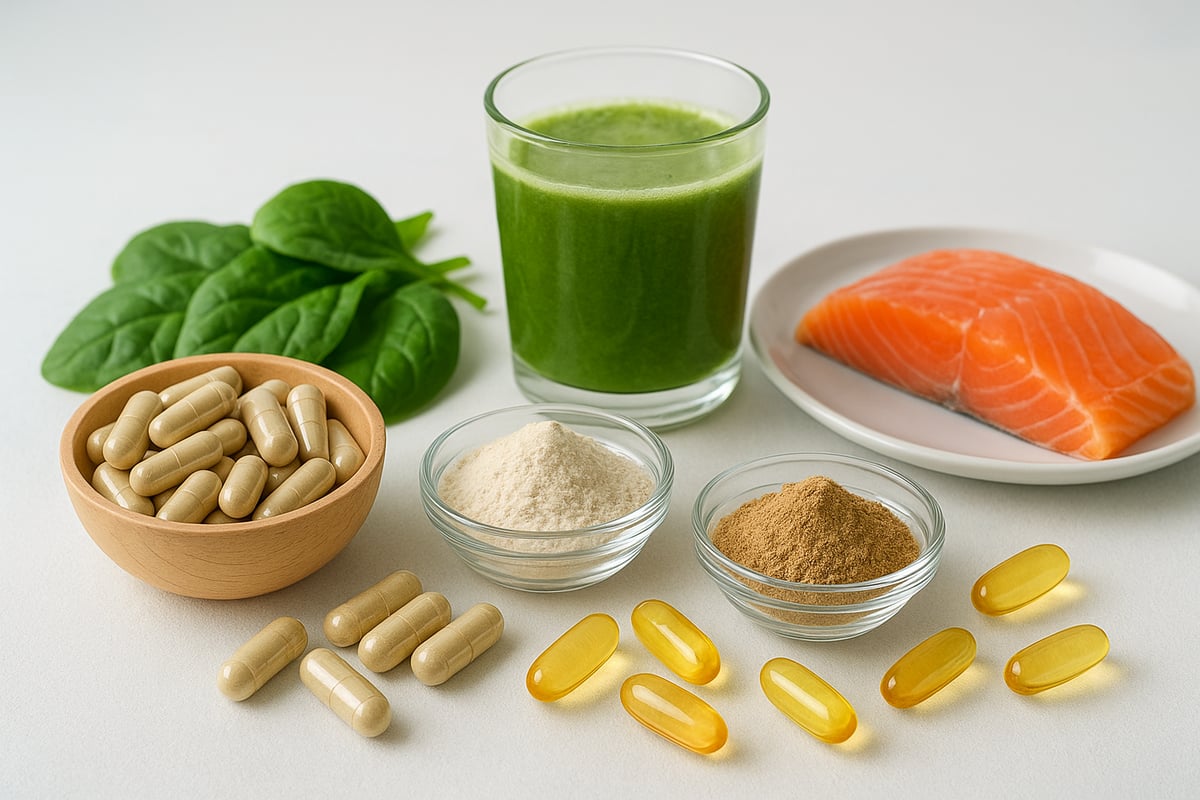
What Are Brain Supplements?
Brain supplements are defined as products formulated to enhance mental performance, memory, or focus. They may contain vitamins, minerals, herbal extracts, or synthetic chemicals. The most common forms include:
- Capsules and tablets
- Powders for mixing into drinks
- Ready-to-drink beverages
The audience for brain supplements is broad. Students, working professionals, and older adults all seek support for cognitive function. Interestingly, studies show more than a quarter of adults over 50 use supplements for brain health. However, it is crucial to recognize that not every product is equally effective or safe.
Brain supplements do not undergo FDA approval for treating or preventing disease. This means claims on labels may not always reflect scientific proof.
How Brain Supplements Claim to Work
Brain supplements claim to work by targeting several mechanisms in the brain. These include:
- Enhancing neurotransmitter function for better communication between brain cells
- Increasing blood flow to supply oxygen and nutrients
- Providing antioxidants to protect against cellular damage
Manufacturers often use phrases like “improves memory” or “sharpens focus” in their marketing. However, such claims are not always backed by solid scientific evidence. The lack of strict regulation allows companies to use broad language without proving results.
The placebo effect can also play a significant role in how people perceive benefits from brain supplements. Since these products do not need to prove their effectiveness before being sold, consumers should be cautious and critical of marketing promises.
The Science Behind Cognitive Enhancement
Scientific research on brain supplements focuses on key cognitive functions:
- Memory retention and recall
- Attention and concentration
- Processing speed
- Mood and mental clarity
The brain’s biology is complex. Neurons communicate through synapses, and neuroplasticity allows the brain to adapt and learn. Many supplements claim to influence these processes, but studies often use randomized controlled trials (RCTs) and observational research to test these effects.
For example, diets like the Mediterranean and MIND diets are associated with better cognitive outcomes, while the effects of isolated supplements remain less clear. Large studies frequently fail to show significant benefits from brain supplements in healthy adults. This suggests that diet and lifestyle could be just as important, if not more so, for cognitive health.
Ultimately, while brain supplements are popular, the strongest evidence still supports a holistic approach combining nutrition, exercise, and mental engagement.
Popular Brain Supplement Ingredients: Evidence, Benefits, and Limitations
Curious about what actually goes into brain supplements and how these ingredients stack up in scientific studies? Below, we break down the most popular brain supplement ingredients, highlighting what research says about their benefits and limitations.
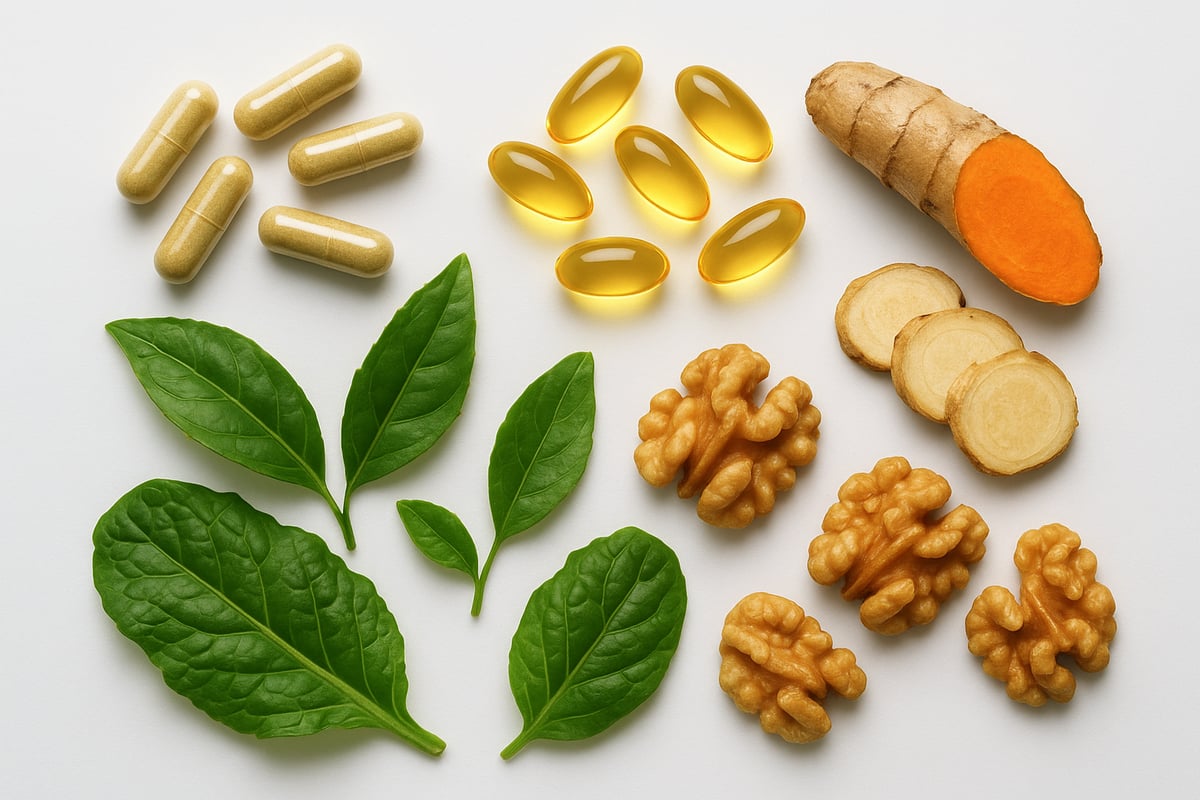
B Vitamins (B6, B12, Folic Acid)
B vitamins are essential for brain health, especially in regulating homocysteine, a compound linked to cognitive decline. Most brain supplements include these vitamins, but the benefits are clear mainly for those with deficiencies.
Studies consistently show that supplementing with B vitamins helps only if you are lacking them. For healthy adults, extra B vitamins do not provide a cognitive boost. Leafy greens, beans, and whole grains are excellent food sources, making diet a preferred option.
Omega-3 Fatty Acids (EPA, DHA, ALA)
Omega-3 fatty acids are vital for brain cell membranes and have anti-inflammatory effects. While eating fish is linked to a lower risk of dementia, research shows that omega-3 supplements may not deliver the same benefits in healthy adults.
For those interested in the science behind omega-3s, this Omega-3 fatty acids for brain health guide explores how these nutrients support cognitive function and the difference between food sources and supplements. The Mediterranean diet remains a top model for brain health.
Caffeine and L-Theanine
Caffeine is well known for boosting alertness and focus, making it a common ingredient in brain supplements. When combined with L-theanine, as found in green tea, some studies suggest a smoother, more sustained mental boost without the jitters.
The evidence for this combo is promising, but most data comes from small studies. Natural sources like green tea or coffee can offer similar effects with fewer risks compared to high-dose supplements.
Ginkgo Biloba and Ginseng
Ginkgo biloba and ginseng have been traditionally used for memory and mental sharpness. Despite their widespread inclusion in brain supplements, large clinical trials such as the GEM study found no significant effect on dementia prevention.
Their popularity endures, but the scientific support for these ingredients is limited. Always be cautious with dosing and interactions.
Curcumin (from Turmeric)
Curcumin, the active compound in turmeric, is praised for its antioxidant and anti-inflammatory properties. Some small trials have shown potential memory benefits, like a UCLA study reporting improved recall in older adults.
However, results across research are mixed, and larger studies are needed before curcumin can be recommended as a core ingredient in brain supplements.
Vitamin E and Antioxidants
Vitamin E and other antioxidants are believed to protect brain cells from oxidative stress. While this theory is appealing, large studies show no clear cognitive benefit for healthy adults taking these supplements.
Some evidence suggests a role for vitamin E in slowing Alzheimer’s progression, but for most people, a diet rich in antioxidants remains the best choice.
Table: Popular Brain Supplement Ingredients – At a Glance
| Ingredient | Evidence for Healthy Adults | Best Source | Limitation |
|---|---|---|---|
| B Vitamins | Only if deficient | Food | No benefit if sufficient |
| Omega-3s | Limited supplement effect | Fish, nuts | Supplements less effective |
| Caffeine & L-Theanine | Some benefit in studies | Tea, coffee | High doses risky |
| Ginkgo & Ginseng | Weak evidence | Supplements | No dementia prevention |
| Curcumin | Mixed results | Turmeric, curry | Small studies only |
| Vitamin E/Antioxidants | No benefit for most | Nuts, seeds | Possible in Alzheimer’s |
Understanding the evidence behind these ingredients can help you make informed decisions about brain supplements. Always consider your diet and consult a healthcare provider before starting any new supplement.
What the Research Really Says: Separating Fact from Hype
Scientific research on brain supplements is rapidly evolving, but what does the evidence actually show? Let’s examine the findings from major studies, tackle common myths, and see how food stacks up against supplements for cognitive support.

Clinical Evidence and Major Studies
When it comes to brain supplements, clinical trials and meta-analyses are the gold standard for measuring their effects. Large, well-designed studies like the Ginkgo Evaluation Memory (GEM) trial and NIH-sponsored omega-3 research have consistently found that most brain supplements do not significantly improve cognition in healthy adults.
A recent systematic review of cognitive enhancing supplements further supports this, noting that, while some individuals with specific deficiencies or genetic factors may benefit, the average person is unlikely to see dramatic improvements.
| Study Name | Supplement | Population | Outcome |
|---|---|---|---|
| GEM Study | Ginkgo | Older adults | No dementia prevention |
| NIH Omega-3 | Omega-3 | Healthy adults | No cognitive benefit |
The consensus is clear: for most, brain supplements offer limited cognitive enhancement unless a deficiency or unique risk is present.
Common Myths and Misconceptions
There are several myths about brain supplements that can lead to confusion and risk.
- All-natural supplements are always safe and effective.
- Taking more or combining many supplements increases benefits.
- Overdosing on caffeine or mixing supplements with medications is harmless.
- Marketing claims reliably reflect scientific reality.
The placebo effect plays a large role, and slick advertising often exaggerates what brain supplements can truly deliver. In fact, excessive use or combining products can cause harm rather than help. It’s crucial to approach these products with a critical mindset and seek guidance from trusted health professionals.
Food vs. Supplements: The Diet Factor
Research consistently shows that whole-food diets like the Mediterranean and MIND diets outperform brain supplements for long-term brain health. These eating patterns provide key nutrients including omega-3 fatty acids, antioxidants, and B vitamins directly from food sources, which the body absorbs more efficiently.
Studies link high intake of vegetables and fish with a lower risk of dementia. In contrast, isolated brain supplements rarely match these benefits. Experts argue that prioritizing a nutrient-rich diet and healthy lifestyle habits is more effective for cognitive support than relying on pills or powders.
Ultimately, while brain supplements may play a role for some, most people will gain the greatest cognitive benefit by choosing wholesome foods and maintaining balanced daily routines.
Safety, Regulation, and Choosing the Right Brain Supplement
Navigating the world of brain supplements requires more than just reading labels or trusting bold marketing promises. With the growing demand for cognitive enhancers, it’s essential to understand how safety, regulation, and smart selection practices can protect your health and ensure you get real value. Here’s what every consumer should know before adding brain supplements to their daily routine.
Understanding Supplement Safety and Regulation
Unlike prescription medications, brain supplements are not required to prove their effectiveness before reaching store shelves. The U S Food and Drug Administration (FDA) oversees these products, but regulation focuses on safety rather than proven results. This means companies can market brain supplements with minimal oversight regarding their actual impact on cognitive health.
Consumers face several risks:
- Inaccurate ingredient labeling
- Potential contamination with harmful substances
- Unproven or exaggerated claims
For example, some supplements can interact with prescription drugs, increasing side effect risks or reducing medication effectiveness. According to recent surveys, about 25 percent of adults over age 50 use brain supplements, yet safety is not guaranteed for every product. To better understand the regulatory landscape, review FDA Guidelines on Dietary Supplements for key consumer protections and responsibilities.
How to Evaluate Brain Supplements
Choosing the right brain supplements involves a careful review of product quality and transparency. Look for brands that provide:
- Clear, accurate ingredient lists
- Third-party testing for purity and potency
- Transparent labeling with dosage and sourcing details
Be cautious of red flags such as proprietary blends that hide actual ingredient amounts, claims that sound too good to be true, or products lacking scientific references. A table can help summarize what to watch for:
| Safe Practice | Red Flag |
|---|---|
| Third-party certification | Proprietary blends |
| Transparent labeling | Exaggerated claims |
| Scientific references | No evidence or vague sourcing |
Always consult a healthcare provider before starting any brain supplements, especially if you take medications or have health conditions. For instance, CDP-choline is regulated as a prescription drug in some countries but sold as a supplement in others, highlighting the importance of understanding both local laws and product quality.
Who Should Consider Brain Supplements?
Brain supplements may benefit specific groups but are not a universal solution. Individuals with diagnosed deficiencies, such as low vitamin B12, or those with certain genetic risks (like APOE4 gene carriers), might see improvement when supplements are used under medical supervision. Medical professionals may also recommend brain supplements for people with progressive neurological conditions, such as Alzheimer’s disease, to help slow decline.
For healthy adults without deficiencies, research consistently finds little evidence that brain supplements enhance memory, focus, or overall cognitive function. Instead, a personalized approach is vital. The best outcomes come from combining medical guidance, individual health needs, and lifestyle choices. Remember, one size does not fit all when it comes to brain supplements.
Brain Supplement Trends and Innovations for 2026
The landscape of brain supplements is evolving rapidly as we approach 2026. Consumers are seeking more effective, safer, and tailored options to support cognitive health. Let's explore the latest trends, from innovative ingredients to the shift toward holistic, personalized solutions.
Emerging Ingredients and Technologies
Innovation in brain supplements is being driven by new ingredients and advanced formulations. Adaptogens such as ashwagandha and bacopa are gaining traction for their potential cognitive and stress-relief benefits. For example, ashwagandha is now a trending choice in many nootropic blends, and research continues to explore its effects on mental clarity and resilience. You can learn more about the health benefits of ashwagandha in recent studies.
Bioavailable forms of traditional compounds, like liposomal curcumin or phosphatidylserine, are also becoming more common. These innovations aim to enhance absorption and efficacy. Additionally, some companies are using genetic testing to offer personalized supplement blends, matching specific nutrients to an individual's unique cognitive profile.
Brain supplements in 2026 are not just about single ingredients. Many products now combine multiple nootropics to target memory, focus, and mood simultaneously. This multifaceted approach reflects a deeper understanding of how the brain works and what it needs to thrive.
The Rise of Whole-Food and Plant-Based Supplements
A major trend is the shift toward whole-food and plant-based brain supplements. Consumers are increasingly wary of synthetic additives and are demanding cleaner, more natural formulations. Brands are responding by offering supplements derived from recognizable foods, such as berries, nuts, and leafy greens.
These food-based supplements often provide a broader spectrum of nutrients and are perceived as safer and better absorbed. They also align with sustainability goals, using eco-friendly sourcing and packaging. For a deeper comparison of these approaches, explore this guide on food-based vs synthetic supplements.
This movement is reshaping the market, with more transparent labeling and third-party testing becoming the norm. As a result, plant-based brain supplements are now at the forefront of the industry, helping users feel confident in their choices for cognitive support.
Future Directions: Personalized Brain Health
Personalization is quickly becoming the future of brain supplements. Advances in digital health, artificial intelligence, and genetic analysis are enabling highly individualized supplement recommendations. Users can now access cognitive wellness apps that track diet, sleep, exercise, and supplement intake, offering real-time feedback and guidance.
Some companies are integrating wearable devices and health data to optimize supplement timing and dosage. This holistic approach recognizes that brain health is influenced by multiple lifestyle factors, not just isolated nutrients.
Looking ahead, brain supplements will likely be paired with lifestyle interventions, creating a more comprehensive strategy for cognitive wellness. The goal is to empower individuals to unlock their full cognitive potential with solutions tailored specifically to their unique needs.
Lifestyle Strategies to Maximize Cognitive Potential
Unlocking your mind’s full capacity is not just about taking brain supplements. True cognitive vitality comes from a well-rounded, evidence-based approach. Lifestyle factors—what you eat, how you move, how you rest, and how you manage stress—form the foundation for mental sharpness at any age.
Diet and Nutrition for Brain Health
What you put on your plate matters as much as any brain supplements. Diets like Mediterranean, DASH, and MIND, packed with leafy greens, berries, nuts, fatty fish, and whole grains, are consistently linked to lower rates of cognitive decline.
A balanced diet provides the nutrients your brain needs to function at its best. Research from Harvard and WebMD underscores that these food patterns outperform most isolated brain supplements for supporting memory and focus. Notably, a recent NIH study on multivitamins and cognition found some benefit for older adults, but whole foods remain the gold standard.
Aim for variety and color in your meals. Small, consistent changes in daily eating habits can have a profound impact on long-term brain health.
Exercise, Sleep, and Mental Engagement
Physical activity is a powerful tool for cognitive enhancement. Regular movement boosts blood flow, supports neuroplasticity, and helps maintain mental agility. Whether it is brisk walking, swimming, or dancing, find an activity you enjoy and make it part of your routine.
Sleep is your brain’s nightly reset. Quality rest is essential for memory consolidation and emotional balance. Adults should aim for 7 to 9 hours each night, as chronic sleep deprivation can undermine the benefits of even the best brain supplements.
Mental engagement matters, too. Lifelong learning, challenging puzzles, and social interaction all stimulate the brain. Studies show that regular exercise and consistent sleep routines are more effective than most brain supplements in preserving cognitive abilities.
Stress Management and Holistic Wellness
Chronic stress undermines cognitive performance. Strategies like mindfulness, meditation, and deep breathing can help reduce stress and protect your brain. Emotional well-being and social connection are equally vital. Strong relationships and a sense of community support brain health and resilience.
Emerging research also highlights the gut-brain connection. Your digestive health can influence mood and mental clarity. For a deeper dive, see how gut health and mental well-being are linked.
Combining smart lifestyle choices with evidence-based brain supplements, when needed, offers the most comprehensive protection. Remember, maximizing cognitive potential is a holistic journey—no single solution works for everyone.
After exploring the science, trends, and practical advice around brain supplements, one thing is clear—making smart choices for cognitive health starts with clean, effective nutrition. If you believe in supporting your mind and body with pure, plant-based ingredients, you’re already a step ahead. At Essential Life, we’re dedicated to helping you thrive with supplements that are both natural and thoughtfully crafted, so you can feel your best from the inside out. Ready to nourish your brain and unlock your potential in 2026 and beyond?
Join the clean supplement movement your wellness boost awaits