

7 Brain Vitamins to Boost Focus and Memory in 2026
Are you often frustrated by brain fog, forgetfulness, or a lack of mental clarity? If so, you are not alone. In today's world, cognitive wellness is a common concern, with many searching for effective ways to boost focus and memory.
This article uncovers the 7 most essential brain vitamins, each backed by science and proven to enhance mental performance in 2026. You will discover how these nutrients support your brain, the latest research, and where to find them.
Ready to gain a cognitive edge? Explore the practical tips and strategies ahead for sharper focus and better memory.
Why Brain Vitamins Matter for Focus and Memory
Maintaining sharp focus and a reliable memory depends on more than just mental exercises or lifestyle habits. The nutrients you feed your brain play a direct role in how well it functions every day. Understanding why brain vitamins matter is the first step to optimizing cognitive performance.

The Science of Cognitive Nutrition
Every thought, memory, and decision relies on a complex network of brain cells and neurotransmitters. Brain vitamins are essential for the production of these chemical messengers and the maintenance of healthy neurons. Without adequate brain vitamins, the brain’s ability to process information, store memories, and maintain focus can quickly decline.
Scientific studies have consistently linked deficiencies in key micronutrients to cognitive issues such as forgetfulness and even accelerated memory loss. For example, research from Mass General Brigham highlights how older adults with higher vitamin intake demonstrate better cognitive performance over time.
Vitamins help combat oxidative stress and inflammation, two factors known to damage brain cells and contribute to neurodegenerative conditions. Modern diets, often high in processed foods and low in nutrient density, can leave even healthy individuals lacking in brain vitamins. Environmental stressors, like pollution and chronic stress, further deplete these essential nutrients.
The synergy between brain vitamins, minerals, and other bioactive compounds amplifies their benefits. When combined in a balanced approach, they support mental clarity, memory retention, and overall brain health. For a deeper dive into how a comprehensive supplement can support your cognitive wellness, explore this overview of Essential multivitamins for brain health.
Trends in Brain Health for 2026
The global conversation around cognitive wellness is rapidly evolving. Demand for cognitive supplements and functional foods is at an all-time high, with consumers seeking science-backed ways to maintain mental sharpness. In 2026, advances in personalized nutrition and brain health diagnostics are making it easier to identify individual needs for brain vitamins.
The brain health supplements market is projected to grow consistently, driven by increasing awareness of the connection between nutrition and cognitive performance. Recent statistics show a significant rise in the use of targeted brain vitamins among adults of all ages, not just seniors.
New research priorities are focusing on the role of brain vitamins in lifelong cognitive resilience. Consumers now prioritize products that offer purity, bioavailability, and proven results. These trends are reshaping how individuals approach brain health, with many turning to customized regimens that address their unique nutritional gaps.
Staying informed about these trends ensures you make choices that truly support your focus and memory. As research continues to uncover the full potential of brain vitamins, adopting a proactive approach to cognitive nutrition will remain a cornerstone of optimal mental performance.
7 Brain Vitamins to Boost Focus and Memory in 2026
Unlocking your cognitive potential starts with the right brain vitamins. Modern research confirms that feeding your mind is just as essential as fueling your body. In 2026, the science behind brain vitamins is more robust than ever, giving you a clear path to better focus and memory.
Explore how each of these seven key nutrients supports your mental sharpness, discover the best sources, and get practical recommendations for your daily routine. Use this guide to make informed choices for your cognitive wellness journey.
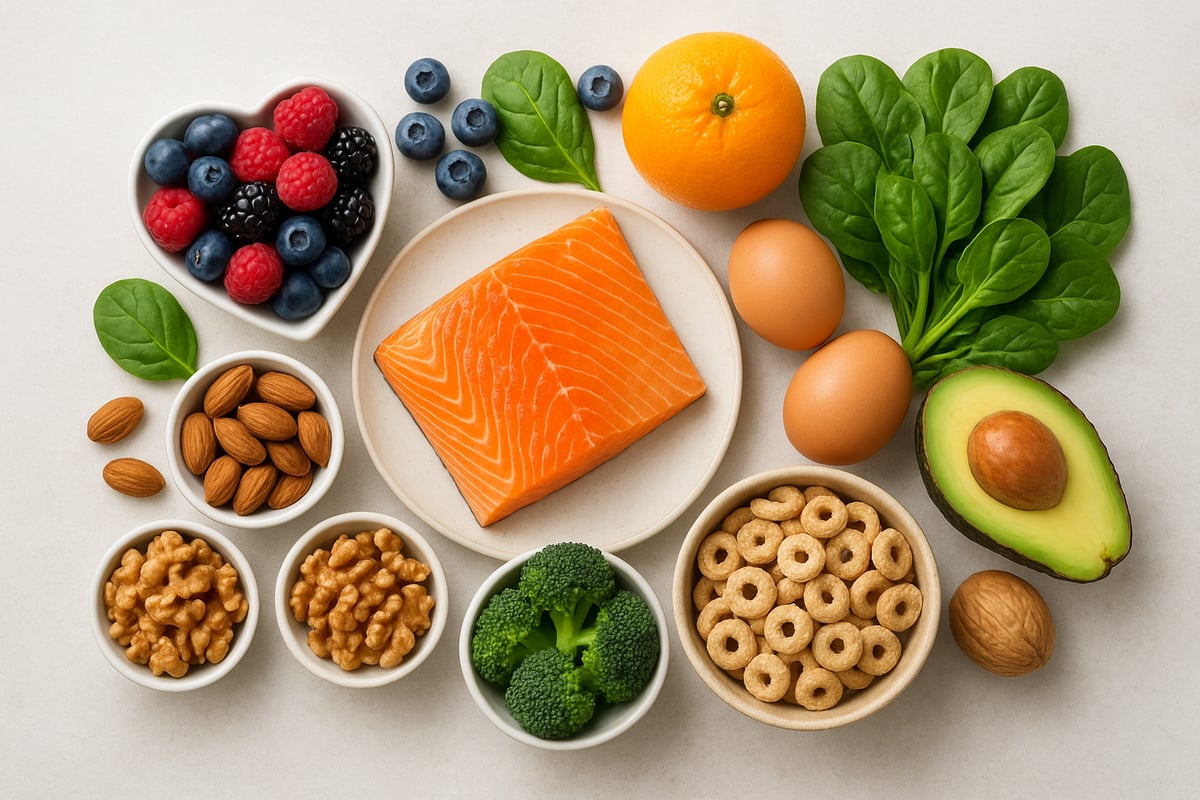
1. Vitamin B12 (Cobalamin)
Vitamin B12 is a cornerstone of brain vitamins, vital for nerve health, neurotransmitter production, and energy metabolism. Without enough B12, your brain cannot function at its peak, leading to memory lapses, confusion, and even cognitive decline.
New research highlights improved delivery methods for better absorption, especially in older adults, who often struggle to obtain sufficient B12 from food alone. The Mass General Brigham study shows clear links between B12 intake and age-related memory retention. Foods like fortified cereals, dairy, eggs, and fish are top sources, but many people, especially vegetarians, vegans, and seniors, benefit from supplementation.
Safe daily doses generally range from 2.4 to 6 mcg, but higher doses may be recommended for those with absorption issues. Always consult a healthcare provider for personalized advice. Learn more about high-quality options in the vitamins and supplements collection.
2. Vitamin D3
Vitamin D3 stands out among brain vitamins for its role in brain development, mood regulation, and cognitive function. Low vitamin D levels are linked to increased risk of depression and memory problems. In 2026, the debate continues between sun exposure and supplementation, but many experts recommend a blend of both.
Natural sources include fatty fish, egg yolks, and fortified foods. Recent studies emphasize vitamin D's neuroprotective benefits, potentially lowering Alzheimer's risk. According to the CDC, about 40% of adults have insufficient vitamin D levels, making regular testing important.
Optimal daily intake typically ranges from 600 to 2000 IU, depending on your age and health status. Be mindful of upper limits to avoid toxicity, and discuss testing with your provider to tailor your intake.
3. Omega-3 Fatty Acids (DHA & EPA)
Although not technically vitamins, omega-3 fatty acids are essential to any list of top brain vitamins. DHA and EPA are critical for brain structure, signaling, and cognitive performance. Numerous studies show omega-3s can boost attention span, processing speed, and memory.
Oily fish like salmon and sardines are the best natural sources, while microalgae oils offer a vegan-friendly, sustainable alternative. In 2026, advancements in microalgae-based supplements make it easier than ever to meet your needs. The latest research underscores omega-3’s role in reducing cognitive decline and supporting lifelong brain health.
Recommended daily doses vary, but 250-500 mg of combined DHA and EPA is a common target. Always choose high-quality, third-party-tested supplements.
4. Vitamin E (Alpha-Tocopherol)
Vitamin E earns its place among key brain vitamins due to its powerful antioxidant properties. It protects brain cells from free radicals, helping to slow cognitive decline in aging adults. Nuts, seeds, spinach, and plant oils are excellent dietary sources.
Supplement innovations in 2026 have improved vitamin E bioavailability, making it easier for your body to absorb. Meta-analyses suggest that adequate vitamin E intake is linked to a reduced risk of Alzheimer's disease. However, excessive intake can be harmful, so staying within the recommended upper intake limit of 1000 mg per day is crucial.
Vitamin E works best as part of a balanced mix of brain vitamins, supporting long-term cognitive health.
5. Vitamin B6 (Pyridoxine)
Vitamin B6 is a pivotal member of the brain vitamins family, supporting neurotransmitter synthesis for serotonin, dopamine, and GABA. This vitamin plays a key role in mood regulation, attention, and cognitive processing.
Poultry, fish, potatoes, chickpeas, and bananas are rich in B6. Research highlights its ability to reduce brain inflammation and lower homocysteine, a marker linked to cognitive decline. Deficiency is most common in older adults and those with certain medical conditions.
Daily needs range from 1.3 to 2 mg, but always check with your provider before starting supplements. Including B6 in your regimen helps maximize the benefits of other brain vitamins.
6. Vitamin C (Ascorbic Acid)
Vitamin C is not only a classic immune booster but also a vital brain vitamin. It supports brain cell health, helps produce neurotransmitters, and acts as a potent antioxidant. Higher vitamin C intake is consistently linked to better cognitive performance.
Citrus fruits, berries, bell peppers, and broccoli are excellent sources. In 2026, liposomal vitamin C formulations offer enhanced absorption, making supplementation more effective for those with absorption issues.
Aim for 75-90 mg daily, with higher needs during times of stress or illness. Vitamin C combines well with other brain vitamins for comprehensive cognitive support.
7. Folate (Vitamin B9)
Folate rounds out the list of essential brain vitamins, crucial for DNA synthesis, neurodevelopment, and mental clarity. Deficiency can cause brain fog, depression, and memory problems.
Leafy greens, legumes, and fortified grains are top food sources. In 2026, methylated folate supplements are increasingly popular, especially for individuals with the MTHFR gene mutation, who may not process standard folic acid effectively.
Typical daily needs are 400 mcg, but some people require more. Folate works synergistically with other brain vitamins to support cognitive aging and overall brain wellness.
Comparison Table: Brain Vitamins at a Glance
| Vitamin | Key Benefits | Top Sources | Recommended Daily Intake |
|---|---|---|---|
| Vitamin B12 | Nerve health, memory, energy | Fortified cereals, dairy, fish | 2.4-6 mcg |
| Vitamin D3 | Mood, cognition, neuroprotection | Fatty fish, egg yolks, sunlight | 600-2000 IU |
| Omega-3 (DHA & EPA) | Attention, processing, memory | Salmon, sardines, algae oil | 250-500 mg (DHA+EPA) |
| Vitamin E | Antioxidant, slows cognitive decline | Nuts, seeds, spinach, plant oils | ≤1000 mg |
| Vitamin B6 | Neurotransmitter synthesis, mood, focus | Poultry, fish, potatoes, bananas | 1.3-2 mg |
| Vitamin C | Antioxidant, neurotransmitter production | Citrus, berries, broccoli, peppers | 75-90 mg |
| Folate (B9) | DNA synthesis, mental clarity | Leafy greens, legumes, grains | 400 mcg |
Including these brain vitamins in your daily routine can make a meaningful impact on your ability to focus, remember, and think clearly. For a curated selection of supplements tailored to cognitive health, explore the vitamins and supplements collection.
How to Choose the Right Brain Vitamin Supplements
Selecting the best brain vitamins is crucial for unlocking optimal cognitive performance. With so many options on the market, a strategic approach ensures you get the most benefit and avoid common pitfalls.
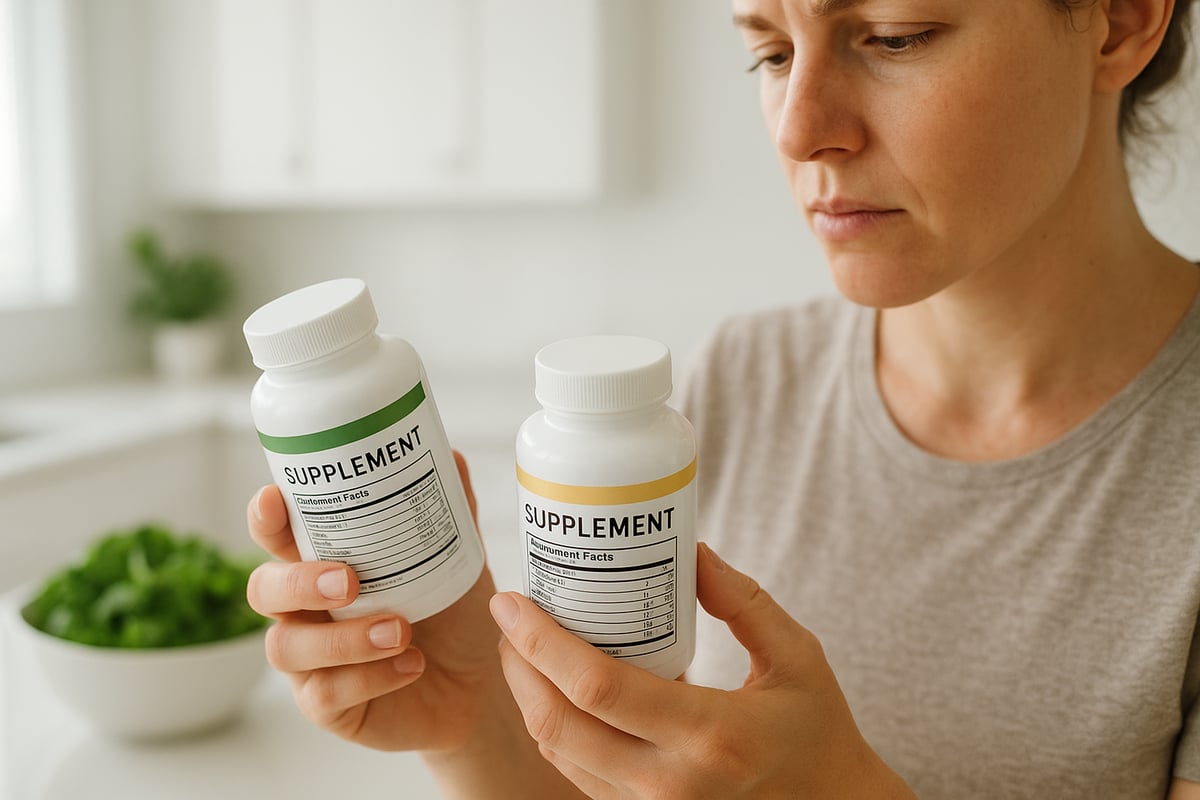
Evaluate Supplement Quality
When shopping for brain vitamins, prioritize quality. Look for supplements that are third-party tested for purity and potency. This certification verifies that the product contains what it claims, free from contaminants or harmful additives.
Bioavailability is equally important. Choose formulations with enhanced absorption, such as methylated B vitamins or liposomal vitamin C. These forms ensure your body can use the nutrients efficiently, maximizing their impact on focus and memory.
Consider Whole-Food and Allergen-Free Options
Opt for brain vitamins derived from whole-food or plant-based sources whenever possible. These options often include beneficial cofactors that support absorption and are less likely to contain artificial fillers or allergens. If you have sensitivities, check for gluten-free, dairy-free, and soy-free labels to reduce the risk of adverse reactions.
Understand Supplement Labels
Reading supplement labels can be overwhelming. Focus on active forms of nutrients, like methylcobalamin for B12 and L-5-methyltetrahydrofolate for folate. Avoid unnecessary fillers, artificial colors, or preservatives. Pay attention to dosage recommendations, ensuring they align with clinical research and not just marketing claims.
Consult a Healthcare Professional
Personalized advice is invaluable. A healthcare provider can recommend brain vitamins tailored to your unique needs, especially if you have underlying health conditions or take medications. Testing for nutrient deficiencies helps fine-tune your supplement strategy for maximum cognitive benefit.
Compare Synthetic vs. Food-Based Forms
Not all brain vitamins are created equal. For example, food-based and methylated forms of B12 may offer better absorption than synthetic cyanocobalamin. Recent research, such as this systematic review on vitamin B12 supplementation and cognitive function, highlights the importance of form and dosage in supporting mental clarity.
Smart Stacking and Common Myths
Stacking brain vitamins, like combining B vitamins with omega-3s, can enhance their effects through nutrient synergy. However, be wary of bold marketing promises. No supplement can replace a balanced diet, quality sleep, and healthy lifestyle habits. For more on how nutrition impacts mental performance, explore this resource on gut health and mental well-being.
Choosing the right brain vitamins is a powerful step toward sharper focus and better memory. By prioritizing quality, understanding labels, and seeking expert guidance, you can confidently support your cognitive wellness in 2026 and beyond.
Lifestyle Tips to Maximize the Benefits of Brain Vitamins
Optimizing the benefits of brain vitamins goes beyond just taking a supplement. Your daily habits play a crucial role in how effectively these nutrients support focus and memory. When you pair brain vitamins with a healthy lifestyle, you create the best conditions for peak cognitive performance.
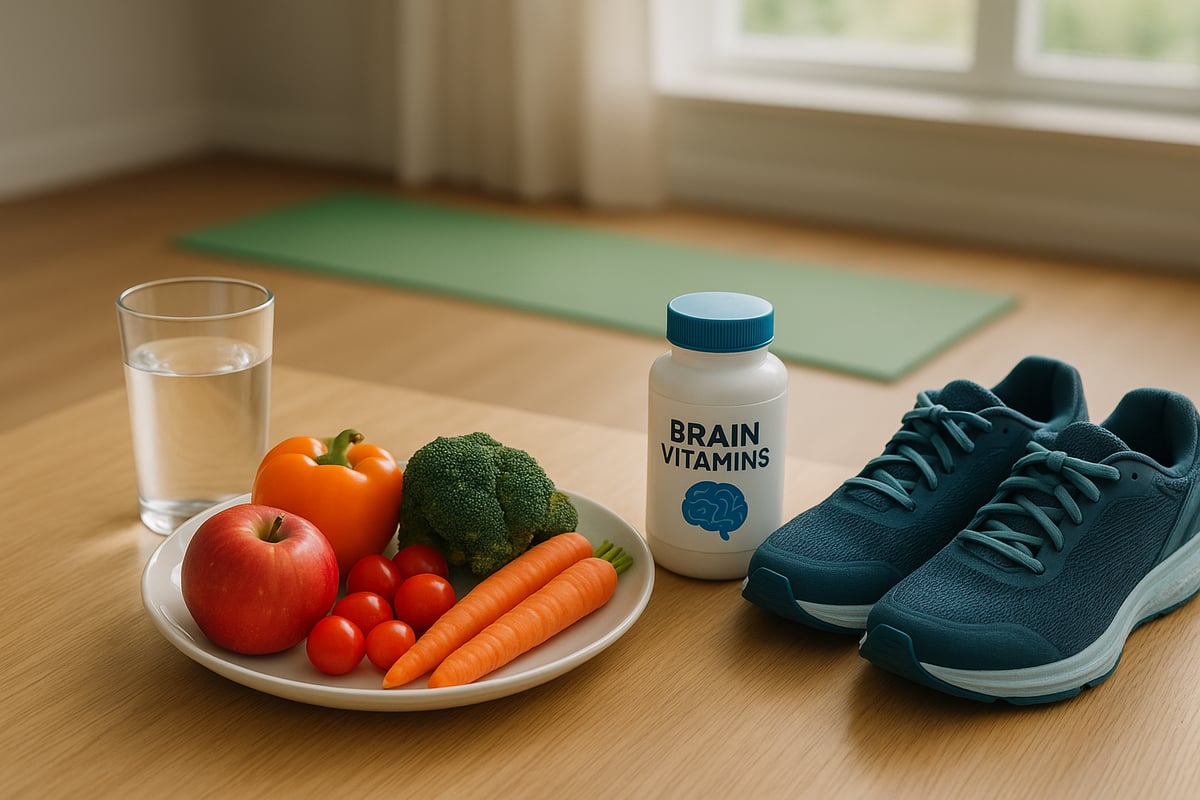
To get the most from your brain vitamins, consider these essential lifestyle tips:
-
Prioritize Sleep: Quality sleep is vital for memory consolidation and nutrient absorption. Even the best brain vitamins cannot compensate for chronic sleep deprivation. Explore tips for better sleep quality to help your mind recharge each night.
-
Stay Physically Active: Regular exercise increases blood flow to the brain, supporting the delivery of nutrients and oxygen. Activities like walking, cycling, or yoga can also reduce stress and enhance mental clarity.
-
Hydrate Consistently: Dehydration can impair cognitive function and limit the effectiveness of brain vitamins. Aim for steady water intake throughout the day to support focus and memory.
-
Eat a Balanced Diet: Whole, nutrient-rich foods work synergistically with brain vitamins. Include leafy greens, berries, nuts, lean proteins, and healthy fats to fuel your mind and body.
-
Practice Mindfulness: Techniques like meditation, deep breathing, and journaling can help manage stress, which in turn supports better absorption and utilization of brain vitamins.
Research shows that individuals who combine brain vitamins with healthy sleep and exercise routines often report improved memory and sharper focus. Lifestyle factors also influence how efficiently your body absorbs and uses these nutrients.
Start by identifying one or two habits you can improve today. Over time, these small changes will help you unlock the full potential of your brain vitamins for lasting cognitive wellness.
You’ve just explored how the right vitamins can sharpen your focus and support your memory—even as our lives get busier each year. At Essential Life, we believe that nourishing your mind starts with clean, plant-based ingredients your body recognizes and absorbs. If you’re ready to put these science-backed insights into action, and want supplements crafted for both purity and effectiveness, you’re in the right place. There’s no need for guesswork—choose solutions that honor your health, your values, and your desire to feel your best every day.
Your body deserves better choose clean supplements that work