

Coenzyme Q10 Supplement Guide: Benefits, Uses, and Tips 2026
Are you searching for a natural way to feel more energetic, support your heart, and improve overall wellness in 2026? The coenzyme q10 supplement has become increasingly popular as more people look for science-based solutions to enhance their health.
In this comprehensive guide, you will discover what CoQ10 is, the latest research on its health benefits, who may benefit most, and how to choose the best supplement for your needs. You will also learn about potential side effects and get expert tips for safe and effective use.
Whether you want to boost your energy, protect your heart, or simply stay informed about the best wellness practices, this guide will help you make confident decisions about coenzyme q10 supplement use.
What is Coenzyme Q10?
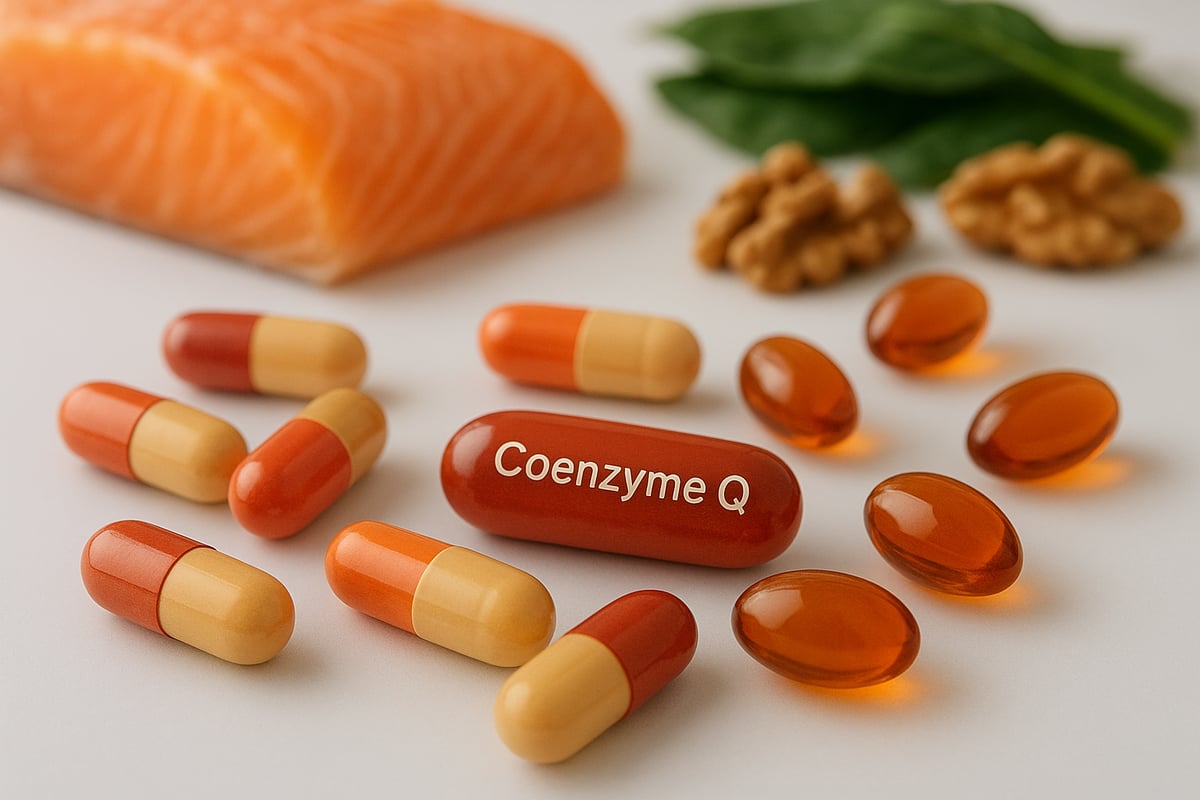
Coenzyme Q10, also called ubiquinone, is a naturally occurring compound found in nearly every cell of the human body. As a key component of cellular energy production, this nutrient plays a vital role in keeping your body functioning at its best.
Understanding CoQ10’s Role in the Body
The primary role of coenzyme q10 supplement is to support the production of adenosine triphosphate (ATP), the energy currency of your cells. This process occurs in the mitochondria, often called the "powerhouse" of the cell. Without enough CoQ10, your body cannot efficiently convert food into usable energy, which may contribute to fatigue and sluggishness.
In addition to energy production, coenzyme q10 supplement acts as a powerful antioxidant. It helps neutralize free radicals, unstable molecules that can damage cells and accelerate aging. By limiting oxidative stress, CoQ10 supports heart health, brain function, and overall cellular integrity.
Although your body makes some CoQ10 on its own, levels can decrease with age, certain health conditions, or medications. For example, research has found that people with heart failure or those taking statin drugs often have lower levels of this important nutrient.
Natural food sources of CoQ10 include:
| Food Source | CoQ10 Content (mg per serving) |
|---|---|
| Beef, pork, chicken | Low to moderate |
| Fatty fish (salmon, tuna) | Low to moderate |
| Nuts and seeds | Low |
| Vegetable oils | Low |
Despite being present in these foods, the amount is usually too small to significantly raise blood levels. According to the Coenzyme Q10 Overview by Mayo Clinic, dietary intake alone cannot provide the quantities shown to be beneficial in clinical studies.
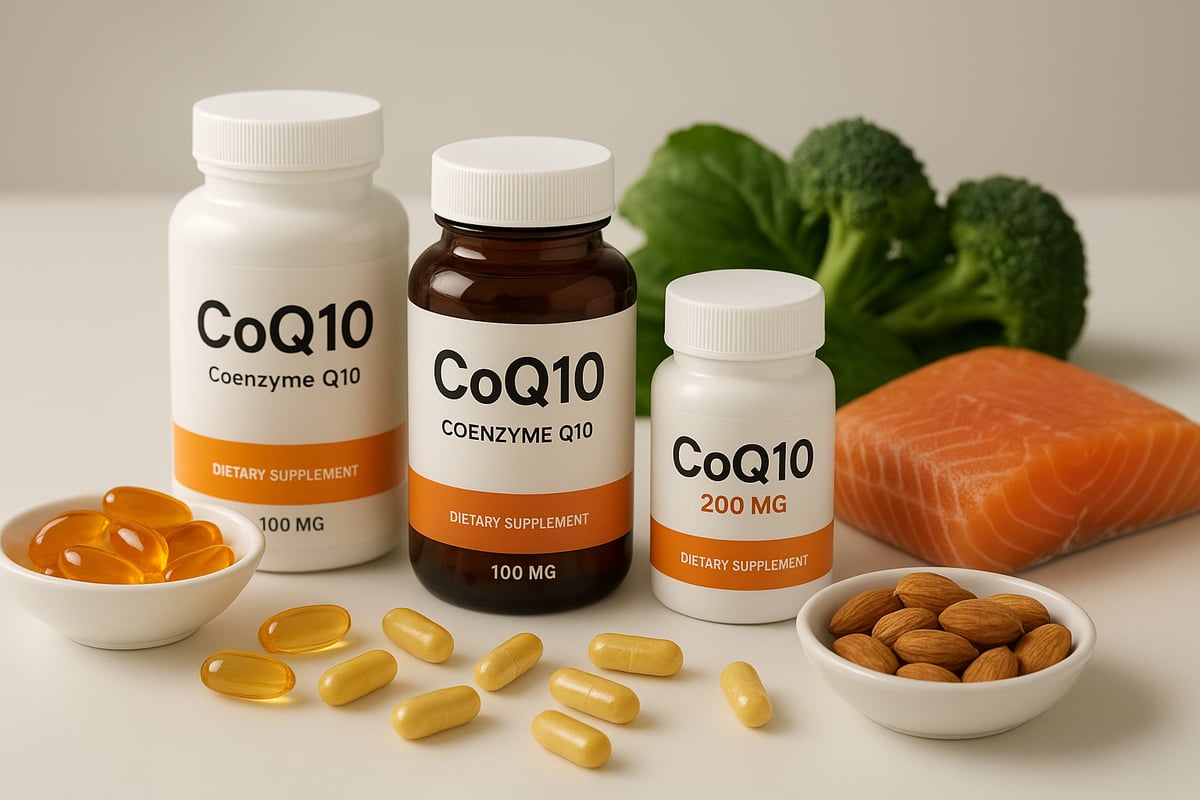
Coenzyme q10 supplement is available in several forms, including capsules, tablets, softgels, liquids, and, in rare cases, intravenous formulations. Choosing the right form depends on personal preference and absorption needs.
Because CoQ10 levels naturally decline as you age or if you have certain chronic illnesses, supplementation may be necessary to maintain optimal energy and antioxidant protection. Understanding the science behind coenzyme q10 supplement can help you make informed decisions about your health.
Evidence-Based Benefits of CoQ10 Supplements
Curious about the real impact of coenzyme q10 supplement use? Extensive research has revealed a wide array of health benefits, especially for heart and metabolic health. Below, we explore the strongest evidence supporting supplementation and highlight what you should know before adding it to your routine.
Cardiovascular Health
One of the most well-documented uses for a coenzyme q10 supplement is cardiovascular support. CoQ10 plays a vital role in cellular energy production in heart muscle cells, which helps maintain healthy function.
Research has shown that supplementing with CoQ10 can aid in managing congestive heart failure. Several clinical trials report improvements in symptoms and exercise capacity, especially when used alongside standard treatments. For example, a 2017 analysis by the Merck Manual found that individuals using a coenzyme q10 supplement had greater exercise tolerance and, in some studies, increased longevity.
CoQ10 may also help lower blood pressure, though findings are mixed. Some studies suggest modest reductions, while others show minimal effect. Recovery after heart surgeries, such as bypass or valve replacement, may be improved when CoQ10 is combined with other supportive nutrients.
Statin medications, widely prescribed for cholesterol, can deplete the body's natural CoQ10 levels. Supplementation has been linked to reduced muscle pain and weakness in statin users. Notably, a review of 14 clinical trials demonstrated better heart failure outcomes among those taking a coenzyme q10 supplement.
| Benefit | Evidence Strength | Key Finding |
|---|---|---|
| Heart failure | Strong | Improved symptoms and exercise capacity |
| Statin myopathy | Moderate | Reduced muscle pain and weakness |
| Blood pressure | Mixed | Modest reductions in some studies |
| Post-surgery recovery | Moderate | Enhanced healing with combined nutrients |
Other Health Benefits
Beyond heart health, a coenzyme q10 supplement may offer additional advantages. For migraine sufferers, CoQ10 has been shown to reduce both the frequency and duration of attacks, with noticeable effects after consistent use for three months.
Individuals with diabetes might benefit from CoQ10's cholesterol-lowering properties, potentially lowering the risk of heart disease. Early studies also indicate that supplementation can decrease liver fat in those with metabolic dysfunction-associated steatotic liver disease (MASLD).
CoQ10 is promoted for its antioxidant activity, which may support skin health and slow signs of aging. Some fertility specialists suggest it could improve sperm quality and egg health, though more research is needed.
Physical performance is another area of interest. While the theoretical benefit exists due to enhanced cellular energy, current evidence for improved exercise endurance remains inconclusive.
Importantly, according to the National Center for Complementary and Integrative Health, ongoing research continues to clarify the full spectrum of benefits from coenzyme q10 supplement use.
Who Should Consider Taking CoQ10?
Are you wondering if a coenzyme q10 supplement is right for you? Understanding who benefits most from this nutrient can help you make a confident decision. While CoQ10 is essential for everyone, certain groups have increased needs due to age, health conditions, or specific medications.

Populations with Increased Need
Several groups are more likely to benefit from a coenzyme q10 supplement due to decreased natural levels or added health demands. Older adults often experience a decline in CoQ10 production, which may contribute to fatigue and reduced vitality. People with heart disease, especially those with heart failure or recovering from heart surgery, can also see improvements in energy and cardiac function.
Statin users are another important group. Statin medications, commonly prescribed for cholesterol, lower CoQ10 levels in the body, potentially causing muscle pain or weakness. Supplementing with CoQ10 may help reduce these symptoms.
If you suffer from frequent migraines, research suggests that regular use of a coenzyme q10 supplement may decrease attack frequency and severity. Individuals with metabolic disorders like diabetes or metabolic dysfunction-associated steatotic liver disease (MASLD) might also benefit, as CoQ10 supports healthy cholesterol and liver function.
Cancer patients undergoing chemotherapy, particularly those receiving drugs known to affect the heart, may be advised to try a coenzyme q10 supplement for added protection. For those experiencing persistent tiredness, a recent CoQ10 Supplementation and Fatigue Reduction Study found that supplementation can meaningfully reduce fatigue in various populations.
Merck Manual highlights that patients with heart conditions and those on certain medications often see the greatest benefit from this supplement.
Who Should Avoid It or Use Caution
While a coenzyme q10 supplement is generally safe, some individuals should be cautious. Pregnant or breastfeeding women should only use CoQ10 under strict medical supervision, since safety data is limited. Children should not take CoQ10 unless recommended by a pediatrician.
If you are taking anticoagulant medications like warfarin, CoQ10 may interfere with the drug's effectiveness and increase your risk of blood clots. People with known allergies to supplement ingredients should carefully review product labels to avoid reactions.
Always consult a healthcare provider before starting any new supplement, especially if you have underlying health conditions or are on multiple medications. Not everyone requires a coenzyme q10 supplement, so personalized advice is essential.
How to Take CoQ10: Dosage, Forms, and Best Practices
Choosing the right coenzyme q10 supplement can make a significant difference in your results. Understanding dosage, available forms, and best intake practices helps ensure you get the most from your investment in health. Here is what you need to know before starting a coenzyme q10 supplement regimen.
Choosing the Right Supplement
Selecting a coenzyme q10 supplement starts with determining your ideal dosage. Most people benefit from 100 to 200 mg daily, but certain health conditions may require up to 300 mg, as seen in clinical studies.
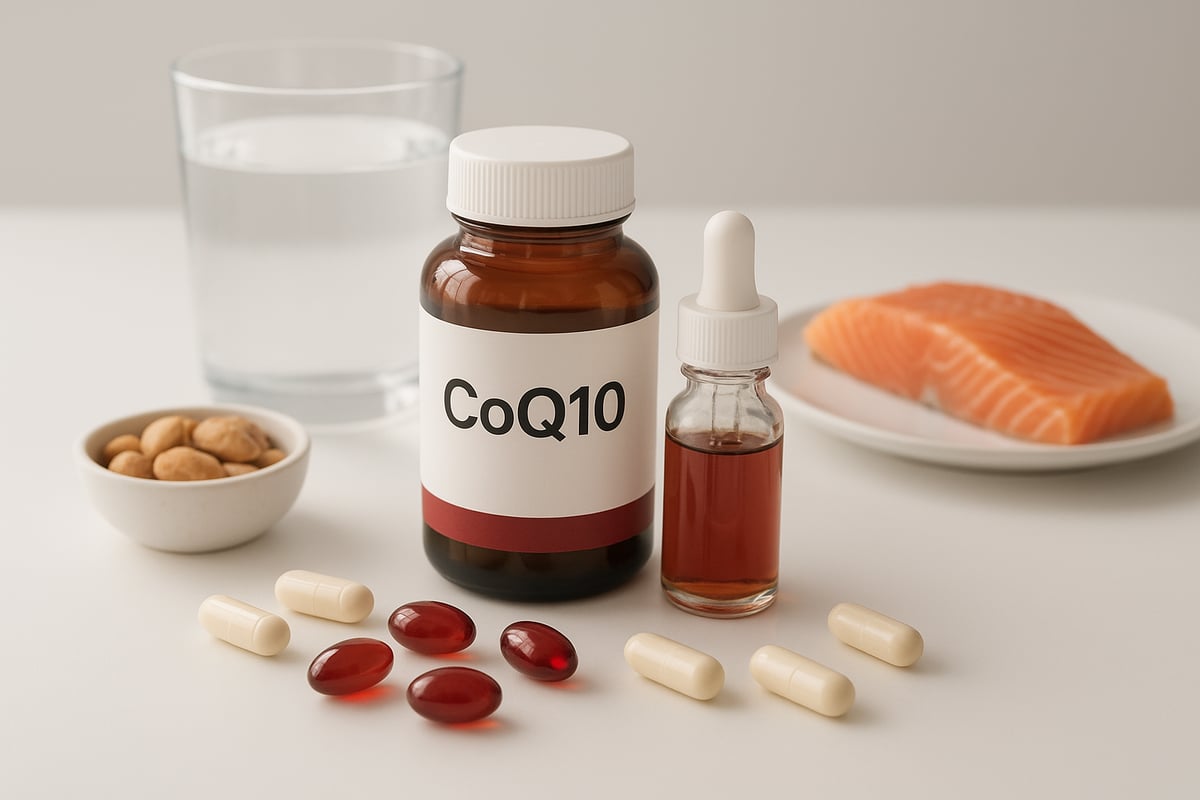
CoQ10 supplements are available in two primary forms: ubiquinone (oxidized) and ubiquinol (reduced). Ubiquinol is generally more bioavailable, meaning your body absorbs it more efficiently, but both forms are effective. Here is a quick comparison:
| Form | Absorption | Cost | Best For |
|---|---|---|---|
| Ubiquinone | Moderate | More affordable | General wellness |
| Ubiquinol | Higher | Pricier | Older adults, absorption concerns |
To enhance absorption, always take your coenzyme q10 supplement with a meal containing healthy fats, such as olive oil, avocado, or fish. Supplement formats include capsules, softgels, chewables, and liquids, so you can choose what fits your routine.
When evaluating quality, look for third-party tested products that verify purity and potency. Check labels for transparent ingredient sourcing, expiration dates, and proper storage instructions. For more guidance on picking a trustworthy supplement, see Navigating the Supplement Landscape.
Start with the lowest effective dose and adjust as recommended by your healthcare provider. Remember, most clinical trials use daily doses divided into one or two servings.
Duration and Expectations
Patience is key when starting a coenzyme q10 supplement. While some people notice improved energy or reduced muscle pain within a few weeks, other benefits, such as migraine reduction, may take up to three months.
Consistency is essential. Take your supplement at the same time each day and do not skip doses. Tracking your symptoms or using a journal helps monitor progress and ensures you see real benefits over time.
Regular check-ins with your healthcare provider are important, especially if you are using a coenzyme q10 supplement for a specific health condition. They can help you adjust the dose, monitor for side effects, and optimize your regimen.
In summary, maximize your results by choosing the right form, taking it with food, and maintaining a daily schedule. Stay attentive to changes in your body and adjust your approach as needed for long-term wellness.
Safety, Side Effects, and Drug Interactions
Ensuring the safe use of a coenzyme q10 supplement is essential for maximizing benefits and reducing risks. Most people tolerate this supplement well, but understanding possible side effects and interactions is important for informed choices.
Common Side Effects
The coenzyme q10 supplement is generally known for its excellent safety profile. Most users experience few or no side effects, and when they do occur, they are typically mild. Common symptoms may include:
- Nausea
- Diarrhea
- Stomach pain
Less frequently, people may notice headache, dizziness, or trouble sleeping. Rarely, loss of appetite, rash, or flu-like symptoms have been reported. Both Mayo Clinic and Merck Manuals note that adverse effects are uncommon and usually resolve on their own. For a comprehensive review, see this Coenzyme Q10 Safety Assessment, which confirms the low toxicity of this supplement in humans.
Drug Interactions and Precautions
While the coenzyme q10 supplement is safe for most, it can interact with certain medications. The most notable interaction is with warfarin, a blood thinner; CoQ10 may decrease its effectiveness, raising the risk of blood clots. It may also enhance the effects of antihypertensive drugs, potentially lowering blood pressure too much.
If you are undergoing chemotherapy, especially with agents like doxorubicin, discuss coenzyme q10 supplement use with your oncologist. The impact during pregnancy and breastfeeding is not well studied, so only use under medical guidance. Always inform your healthcare provider about all supplements you take.
Who Should Exercise Caution
Certain groups need extra vigilance with coenzyme q10 supplement use:
- People taking multiple prescription drugs
- Individuals with chronic illnesses
- Those with known allergies to supplement ingredients
Children should only use coenzyme q10 supplement under a doctor’s supervision. If you notice any unusual symptoms, discontinue use and consult a healthcare professional. Monitoring is especially important if you have complex health needs or take several medications.
Tips for Choosing and Using CoQ10 Supplements in 2026
Selecting the best coenzyme q10 supplement in 2026 requires a careful approach. With so many products on the market, quality and transparency should be your top priorities. Understanding what makes a supplement effective and safe will help you get the most from your investment.
How to Select High-Quality CoQ10
When shopping for a coenzyme q10 supplement, look for brands that offer third-party testing from organizations such as NSF, USP, or Informed Choice. These seals indicate the product has been checked for purity and potency.
Choose supplements with clear ingredient labeling and transparent sourcing. Decide between ubiquinone and ubiquinol forms based on your absorption needs and budget, as both are effective but ubiquinol is often better absorbed. Always check expiration dates and follow storage recommendations.
If you prefer natural sources, you might also explore the Benefits of Food-Based Supplements to complement your CoQ10 intake.
- Look for third-party certifications
- Prefer clear, transparent labeling
- Choose the right form for your needs
- Check for proper storage and expiration
Maximizing Effectiveness
To get the most from your coenzyme q10 supplement, take it with meals containing healthy fats. This improves absorption and helps your body utilize the nutrient more efficiently.
Set reminders to ensure you take your supplement daily, as consistency is key to seeing results. Pair your supplement with a balanced diet and healthy lifestyle choices for the best possible outcome. Track changes in your well-being and discuss your progress with a healthcare provider regularly.
- Take with fat-containing meals
- Maintain a daily routine
- Combine with healthy habits
- Monitor your progress
Staying Informed and Safe
Stay up to date with the latest research and product innovations in the coenzyme q10 supplement market. Avoid products that make unproven health claims or promise miracle cures. Always report any side effects to your healthcare provider and be cautious with new brands.
Real-World Example
A 55-year-old on statins noticed less muscle pain after adding a coenzyme q10 supplement at 100 mg daily, as recommended by their cardiologist.
Frequently Asked Questions about CoQ10 Supplements
Curious about the coenzyme q10 supplement and how it fits into your wellness routine? Below, we answer the most common questions to help you make informed decisions.
Common Reader Concerns
Can I get enough CoQ10 from food alone?
Most people cannot reach optimal levels from food, as dietary sources provide small amounts of coenzyme q10 supplement.
How long does it take to notice benefits?
Some effects, like migraine reduction, may take up to three months. Cardiovascular improvements may also require consistent daily use.
Is the coenzyme q10 supplement safe for long-term use?
Current research shows it is generally well tolerated for extended periods, with few side effects.
Can CoQ10 be taken with other supplements?
Yes, but consult your healthcare provider, especially if you use other products for mental health. For more information, see Supplements for Mental Health.
What’s the difference between ubiquinone and ubiquinol?
Ubiquinol is the reduced, more bioavailable form, while ubiquinone is the oxidized form. Both are effective.
Are there vegan or allergen-free options?
Yes, many brands offer vegan or allergen-free coenzyme q10 supplement choices. Always check product labels.
What should I do if I miss a dose?
Take it as soon as you remember, but do not double up. Resume your regular schedule.
Can children or teens take CoQ10?
Use only under pediatrician guidance, as safety data is limited for younger populations.
How do I know if I need CoQ10 supplementation?
Consult your healthcare provider, particularly if you have heart disease, are on statins, or experience fatigue.
Where can I find trusted sources for more information?
Medical websites, registered dietitians, and healthcare professionals provide reliable advice.
After exploring the science, benefits, and practical tips around CoQ10, you now have the tools to make informed choices for your health journey. Remember, choosing clean, plant-based supplements can help support your energy, heart health, and overall wellbeing—naturally and effectively. If you’re ready to take the next step and nourish your body with what it truly needs, I invite you to discover our carefully crafted solutions.
Nourish your body with what it truly needs.