

Top 8 Eye Vitamins to Boost Vision Health in 2025
Imagine waking up and witnessing every color, every detail, and every moment with absolute clarity. Your eyes are your connection to the world’s beauty, and in 2025, caring for them is more essential than ever. As vision challenges become more common, the right eye vitamins can help you protect and enhance your sight for years to come.
In this guide, we’ll break down the eight best eye vitamins backed by science, explain how they work, and offer simple ways to include them in your daily routine. Discover the latest research and take practical steps toward a brighter, clearer future for your vision.
Why Vision Health Matters in 2025
Maintaining clear, healthy vision is essential for daily living, independence, and quality of life. As we move into 2025, the need to address vision health is more urgent than ever. Understanding current trends and the role of eye vitamins can help you protect your sight for years to come.

The Growing Prevalence of Vision Issues
Vision problems are affecting more people worldwide each year. Age-related macular degeneration (AMD), cataracts, and digital eye strain are becoming increasingly common, partly due to changes in lifestyle and technology use. Extended screen time and constant blue light exposure from digital devices put additional stress on our eyes.
According to the WHO's global vision impairment statistics, over 2.2 billion people experience vision impairment or blindness globally. Untreated vision issues can lead to significant medical costs and reduce overall quality of life. Early prevention, including the right nutrition and eye vitamins, is crucial for maintaining lifelong eye health.
Addressing these challenges early on can help preserve vision and minimize the impact of common disorders.
The Role of Nutrition in Eye Health
Nutrition is a cornerstone of healthy eyes. Key nutrients such as antioxidants, carotenoids, and minerals support the structure and function of the eyes, protecting delicate tissues from damage.
Research from major studies like AREDS and AREDS2 shows that specific eye vitamins can reduce the risk of advanced AMD by up to 25 percent. Dietary intake is ideal, but supplementation may be necessary for some individuals, especially when dietary sources are limited.
The synergy between vitamins, antioxidants, and minerals is vital. People with higher intakes of these nutrients have a significantly lower risk of developing severe eye conditions, highlighting the value of a well-rounded approach to eye health.
Trends Influencing Eye Health in 2025
In 2025, several trends are shaping how we approach vision wellness. There is a rising demand for plant-based and clean-label supplements, as consumers seek natural solutions for their health needs. Personalized nutrition and bioavailable formulations are becoming more popular, allowing individuals to target their unique requirements.
The holistic and preventive wellness movement encourages people to look beyond symptom management and focus on overall health, including the use of eye vitamins. This shift is helping more individuals take control of their vision health before problems arise.
Staying informed about these trends can empower you to make the best choices for your eye health journey.
How Eye Vitamins Work: Science & Mechanisms
Eye vitamins play a crucial role in protecting and maintaining vision at the cellular level. Their benefits are grounded in scientific research, revealing how specific nutrients interact to defend your eyes from daily stressors. Let's explore the core mechanisms that make eye vitamins essential for vision health.
Antioxidant Protection Against Free Radicals
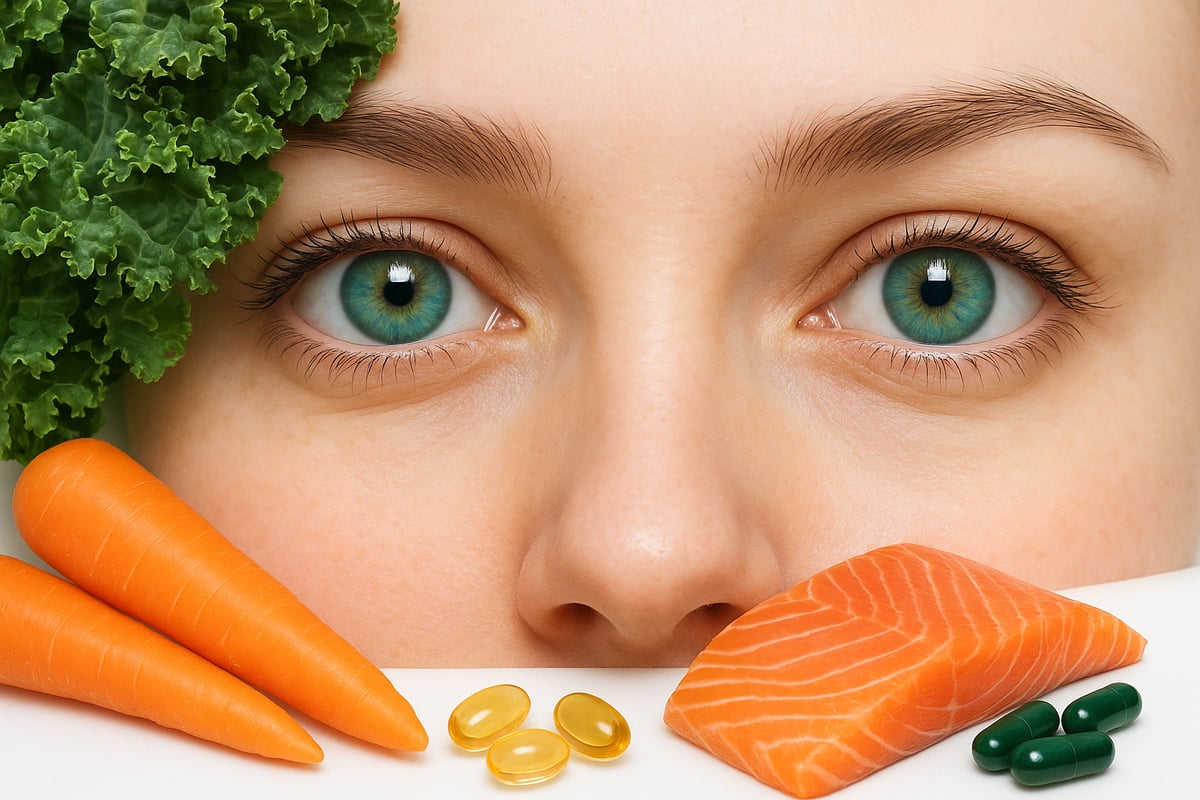
Oxidative stress is a leading contributor to eye diseases like cataracts and age-related macular degeneration. Eye vitamins such as vitamin C, vitamin E, and carotenoids act as antioxidants, neutralizing harmful free radicals before they can damage delicate eye tissues. The AREDS2 study found that antioxidant eye vitamins can slow the progression of advanced macular degeneration by up to 25 percent. This protective effect is especially important for people exposed to high levels of blue light or environmental pollutants.
Support for Retinal and Macular Health
The retina and macula are central to clear vision. Eye vitamins including lutein, zeaxanthin, vitamin A, and beta carotene are vital for maintaining macular pigment density and photoreceptor function. Lutein and zeaxanthin filter blue light, shielding the retina from oxidative damage and improving contrast sensitivity. Vitamin A and its precursor beta carotene are essential for forming rhodopsin, the pigment needed for night vision. Together, these eye vitamins help preserve sharp eyesight and reduce the risk of night blindness.
Enhancing Blood Flow and Reducing Inflammation
Healthy blood flow within the eye supports nutrient delivery and waste removal, both crucial for vision. Omega-3 fatty acids, particularly DHA and EPA, have been shown to support retinal blood vessels and lower inflammation. Zinc is another key player, activating enzymes and aiding in cellular repair. By including these eye vitamins in your routine, you help maintain optimal eye function and may decrease your risk of inflammatory eye conditions. For a curated selection of natural vitamins and supplements that support eye health, explore reputable sources that focus on quality and bioavailability.
Synergy Between Nutrients
No single nutrient works alone. Eye vitamins and minerals interact to enhance each other's absorption and effectiveness. For example, zinc increases the bioavailability of vitamin A, ensuring that your eyes receive the full benefit of both. When combined in balanced formulas, eye vitamins offer greater protection than any single supplement. This synergy highlights the importance of a comprehensive approach to eye nutrition.
Top 8 Eye Vitamins to Boost Vision Health in 2025
When it comes to protecting your sight, understanding the best eye vitamins is crucial. Each nutrient plays a specific role in maintaining and enhancing vision. Let’s explore the top 8 eye vitamins that are making headlines for vision health in 2025.
1. Lutein
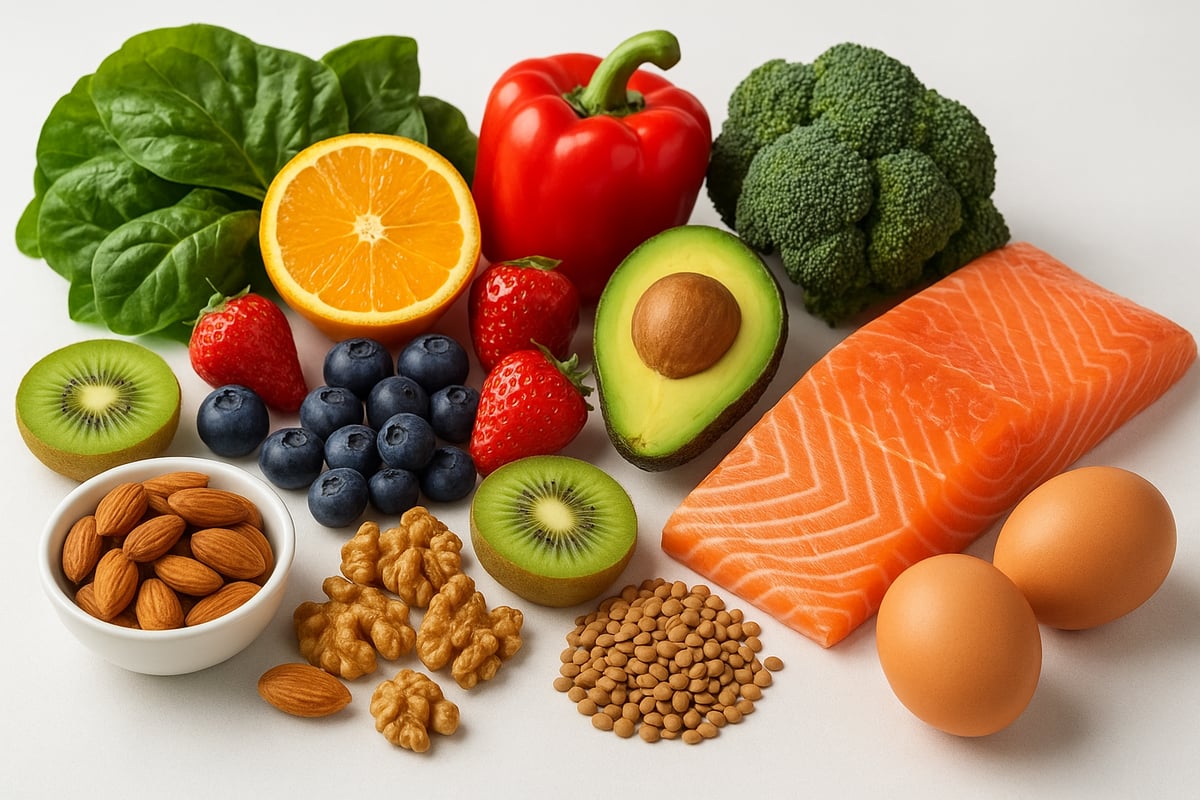
Lutein is a powerhouse carotenoid found in high concentrations in the macula, the part of your eye responsible for sharp, central vision. It acts as a natural filter for blue light, shielding delicate retinal tissues from oxidative damage.
Clinical studies show that people with higher lutein intake have a reduced risk of developing cataracts and age-related macular degeneration. Leafy greens like spinach, kale, and collard greens are top sources of lutein.
To get the most out of this eye vitamin, aim for at least 10 mg daily from food or supplements. Since lutein is fat-soluble, pair it with healthy fats for optimal absorption. Consistent intake of lutein can help preserve visual acuity as you age.
2. Vitamin A (Retinol & Beta Carotene)
Vitamin A is vital for your eyes’ ability to adjust to darkness and for keeping the cornea clear. Deficiency can lead to night blindness and dry eyes, making it one of the most essential eye vitamins.
Retinol, the active form of vitamin A, is found in animal products like liver and eggs. Beta carotene, a plant-based precursor, is abundant in carrots, sweet potatoes, and leafy greens. The body converts beta carotene to vitamin A as needed.
While vitamin A is crucial, too much from supplements can be toxic. It’s best to get most of your intake from food, especially if you’re considering long-term eye health.
3. Omega-3 Fatty Acids (DHA & EPA)
Omega-3 fatty acids, particularly DHA and EPA, are key structural components of the retina. They support healthy cell membranes and help reduce inflammation, lowering the risk of dry eye syndrome and age-related macular degeneration.
Fatty fish like salmon and sardines, along with plant-based sources such as flaxseed, chia seeds, and walnuts, are excellent choices. According to Omega-3 fatty acids benefits, omega-3s not only benefit vision but also support overall well-being.
Adults should aim for two servings of fatty fish per week or consider a high-quality supplement, especially if dietary intake is limited. Omega-3s are a cornerstone of modern eye vitamins.
4. Zinc
Zinc is a trace mineral concentrated in the retina and plays a significant role in enzyme function and cellular repair. It supports the metabolism of vitamin A, making it a key player among eye vitamins.
Rich sources include oysters, pumpkin seeds, beans, and fortified cereals. Zinc supplementation has been shown to slow the progression of macular degeneration, particularly in older adults.
However, excessive zinc intake can interfere with copper absorption, so it’s important to balance your intake. The recommended dietary allowance for adults is 8-11 mg per day.
5. Vitamin C (Ascorbic Acid)
Vitamin C is a potent antioxidant that protects eye tissues from oxidative stress. It also supports collagen production, which is crucial for maintaining the strength and clarity of the cornea.
Citrus fruits, bell peppers, broccoli, and strawberries are among the best sources of vitamin C. Observational studies have linked higher vitamin C intake with a lower risk of developing cataracts.
Adults should aim for at least 75-90 mg daily. This eye vitamin is water-soluble, so regular intake is necessary to maintain optimal levels for eye health.
6. Zeaxanthin
Zeaxanthin is another carotenoid that works closely with lutein to protect the macula by filtering harmful blue light. Together, they form the macular pigment, which improves visual performance and contrast sensitivity.
Top food sources include corn, egg yolks, orange peppers, and goji berries. Clinical evidence suggests that zeaxanthin supplementation may slow the progression of age-related macular degeneration.
Aim for at least 2 mg of zeaxanthin daily, ideally from food or a combination of diet and supplements. Zeaxanthin is becoming increasingly recognized among leading eye vitamins for its protective benefits.
7. Vitamin E (Tocopherol)
Vitamin E is a fat-soluble antioxidant that helps protect cell membranes in the eyes from damage caused by free radicals. It may reduce the risk of age-related cataracts and slow the progression of macular degeneration.
Almonds, sunflower seeds, wheat germ, and avocados are rich in vitamin E. Research suggests that people with higher vitamin E intake have better long-term vision outcomes.
Adults should aim for 15 mg of vitamin E daily. When choosing supplements, look for natural forms of tocopherol for the best absorption and effect.
8. Copper
Copper is an essential trace mineral included in the AREDS2 formula to prevent copper deficiency, which can occur with high zinc intake. It supports the formation of connective tissue in the eye and helps maintain overall ocular health.
Lentils, nuts, shellfish, and whole grains are excellent dietary sources. The recommended daily intake is 0.9 mg for adults.
While copper is less discussed than other eye vitamins, it plays a vital role in the synergy of nutrients that protect vision. Balance is key, especially when supplementing with zinc.
Table: Quick Reference to Top 8 Eye Vitamins
| Vitamin/Nutrient | Key Benefits | Top Food Sources | Recommended Intake |
|---|---|---|---|
| Lutein | Filters blue light, reduces AMD risk | Spinach, kale, collard greens | 10 mg/day |
| Vitamin A | Night vision, corneal health | Carrots, liver, leafy greens | 700-900 mcg RAE/day |
| Omega-3 Fatty Acids | Retinal health, reduces dry eyes | Salmon, sardines, flaxseed | 2 servings fish/week |
| Zinc | Enzyme function, repairs retina | Oysters, pumpkin seeds, beans | 8-11 mg/day |
| Vitamin C | Antioxidant, collagen support | Citrus, peppers, broccoli | 75-90 mg/day |
| Zeaxanthin | Macular protection, visual clarity | Corn, egg yolks, goji berries | 2 mg/day |
| Vitamin E | Antioxidant, slows cataract/AMD | Almonds, sunflower seeds, avocados | 15 mg/day |
| Copper | Tissue formation, balances zinc | Lentils, nuts, shellfish | 0.9 mg/day |
By focusing on these top eye vitamins, you can build a strong foundation for lifelong vision health. Incorporate a colorful variety of these foods into your diet, and consider supplements when recommended by your healthcare provider.
Best Food Sources and Supplement Strategies for Eye Vitamins
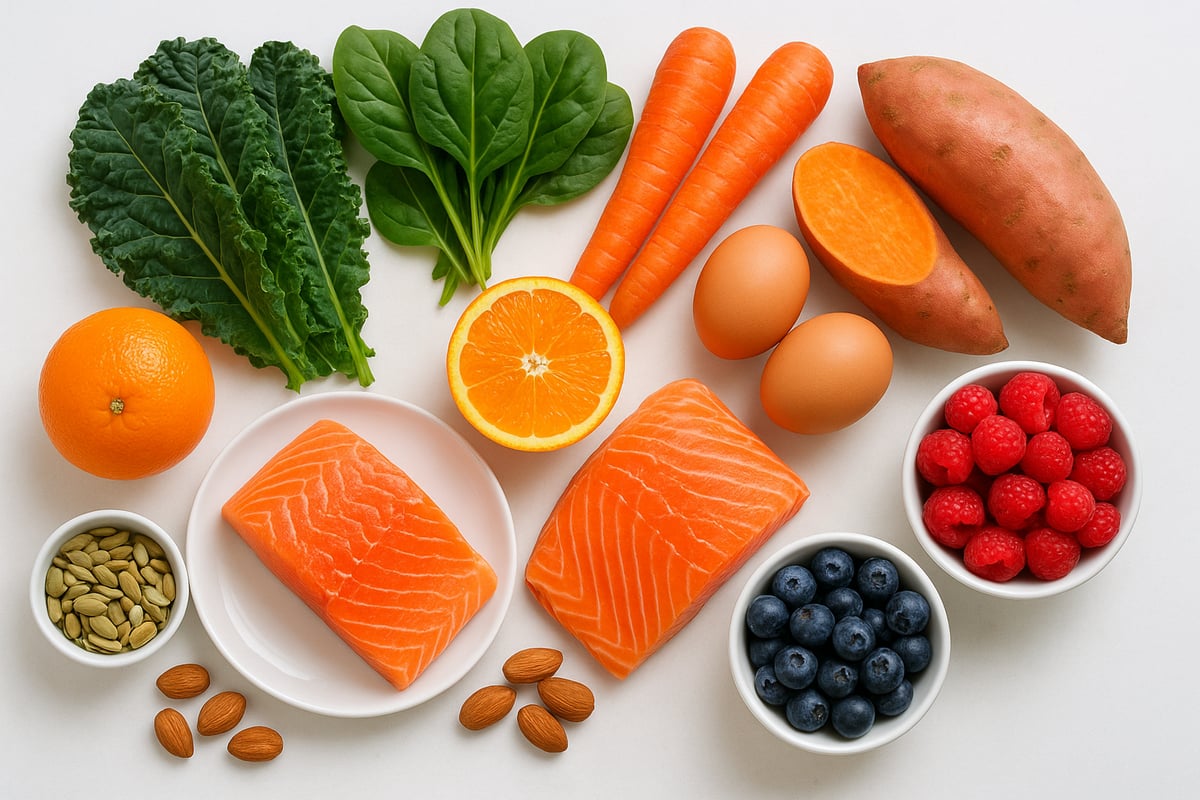
Eating the right foods is one of the most effective ways to support your eye vitamins intake and overall vision health. A balanced diet rich in colorful fruits, vegetables, and healthy fats delivers a spectrum of nutrients critical for optimal eyesight.
Top Food Sources of Eye Vitamins
| Vitamin/Nutrient | Best Food Sources |
|---|---|
| Lutein & Zeaxanthin | Kale, spinach, collard greens, egg yolks |
| Vitamin A (Beta Carotene) | Carrots, sweet potatoes, leafy greens |
| Omega-3 (DHA & EPA) | Salmon, sardines, walnuts, chia seeds |
| Zinc | Oysters, pumpkin seeds, beans |
| Vitamin C | Citrus fruits, bell peppers, broccoli |
| Vitamin E | Almonds, sunflower seeds, avocados |
| Copper | Lentils, nuts, shellfish, whole grains |
Aim for variety. Try to “eat the rainbow” every day—incorporate dark greens, orange and yellow veggies, red fruits, and healthy proteins to cover your bases for eye vitamins.
For those with dietary restrictions or limited access to fresh produce, whole-food, plant-based supplements offer a practical alternative. Choose products that are third-party tested, use bioavailable forms, and feature clean-label ingredients. To make an informed decision, consider reading this guide on Food-based vs synthetic supplements.
AREDS2 supplements are available for individuals at risk of advanced macular degeneration. Always consult your healthcare provider before starting any new supplement regimen to ensure safety and effectiveness.
Who Needs Eye Vitamins Most? Risk Factors & Special Considerations
Maintaining optimal vision is a lifelong commitment, but some individuals are at greater risk for eye health concerns. Understanding who benefits most from eye vitamins empowers you to make proactive choices for your vision.
The need for eye vitamins is heightened in several populations:
- Adults over 50, whose risk for age-related macular degeneration and cataracts increases.
- Individuals with a family history of eye diseases.
- Smokers, who have a higher likelihood of nutrient deficiencies affecting vision.
- People with diabetes or other chronic conditions that compromise nutrient absorption.
- Vegans and vegetarians, who may lack certain nutrients found mostly in animal sources.
Chronic illnesses like diabetes and autoimmune disorders can hinder the absorption of key nutrients, making tailored supplementation essential. For post-menopausal women and those with digestive disorders, the body’s ability to utilize vitamins may decrease, raising the need for targeted support.
Interactions between nutrients also deserve attention. For example, high levels of zinc can reduce copper absorption, while beta carotene supplementation is not advised for smokers due to increased health risks. Consulting an eye care professional is crucial before starting any new supplement regimen, especially for those with complex health profiles.
Recent research highlights that the prevalence of vision impairment is significant among working-age adults, underlining the importance of preventive nutrition and regular screening (Global, Regional, and National Epidemiology of Visual Impairment). For those seeking a holistic approach, integrating eye vitamins into a comprehensive wellness plan can be beneficial—learn more about supplement strategies in Unlock your optimal health.
Prioritizing eye vitamins, especially if you fall into a higher-risk category, is a proactive step toward preserving vision and overall quality of life.
You've learned how vital the right nutrients are for protecting your vision and supporting long-term eye health, especially as we all spend more time on screens and look for cleaner, more natural ways to care for ourselves. At Essential Life, we believe in nourishing your body with pure, plant-based ingredients so you feel your best every day. If you're ready to support your eyes and overall wellbeing with supplements crafted for real results, why not take the next step? Your body deserves better choose clean supplements that work
Essential Life pick: Eye Boost: See Clearly Every Day — our whole-food eye support formula, made to complement a balanced diet.