

Fibre Pills Guide 2025: The Essential Handbook for Beginners
In 2025, fibre pills have become one of the most talked-about solutions for improving digestive and overall health. With more people seeking convenient ways to boost wellness, understanding how to use these supplements effectively is crucial. This handbook will equip beginners with the essential knowledge needed to choose and use fibre pills confidently. Inside, you will discover what fibre pills are, their unique benefits, how they support your body, tips for selecting the right type, safe usage, potential side effects, and practical strategies for daily success. Ready to take control of your health? Let this comprehensive guide lead the way.
Understanding Fibre Pills: What They Are and How They Work
Fibre pills have become a popular choice for individuals aiming to support both digestive and overall health in a convenient way. Understanding what fibre pills are, how they function, and the range of benefits they offer is key for making informed supplement choices.

Definition and Types of Fibre Pills
Fibre pills are dietary supplements designed to increase your intake of dietary fiber in a compact, easy-to-swallow form. They typically contain ingredients such as psyllium husk, inulin, or methylcellulose, each offering unique benefits.
There are two primary types of fibre pills: soluble and insoluble. Soluble fibre pills dissolve in water to form a gel-like substance, which helps slow digestion and stabilize blood sugar. Insoluble fibre pills, on the other hand, add bulk to stool and promote regular bowel movements. Unlike fibre powders or whole-food sources, fibre pills are pre-measured and portable, making them a practical option for busy lifestyles.
Here’s a comparison of common types of fibre pills:
| Type | Main Ingredient | Solubility | Example Brand (2025) |
|---|---|---|---|
| Psyllium | Psyllium husk | Soluble | PureFiber Plus |
| Inulin | Chicory root | Soluble | GutBalance Tablets |
| Methylcellulose | Plant cellulose | Insoluble | CelluFiber Advanced |
Fibre pills must meet strict regulatory standards for safety and labeling. Recent research also highlights that health benefits of dietary fibers vary based on the type and source, emphasizing the importance of choosing the right supplement for your needs.
How Fibre Pills Support Digestive Health
Fibre pills work by absorbing water in the digestive tract, which increases stool bulk and softens waste for easier passage. This process helps promote regularity and can significantly reduce constipation.
Many fibre pills, especially those containing inulin or psyllium, act as prebiotics. They nourish beneficial gut bacteria, supporting a balanced microbiome and improving overall gut health. Clinical studies have shown that individuals who add fibre pills to their routines experience fewer episodes of constipation and improved stool consistency.
Fibre also aids in the elimination of toxins by speeding up transit time in the colon. For those managing irritable bowel syndrome (IBS) or other digestive issues, fibre pills can help alleviate symptoms such as bloating and irregularity when used as directed.
Additional Health Benefits Beyond Digestion
The advantages of fibre pills extend beyond digestive wellness. Numerous studies indicate that regular use of fibre pills may help lower LDL cholesterol levels, supporting heart health. Soluble fibre, in particular, binds to cholesterol in the digestive system, aiding its removal from the body.
Fibre pills also play a role in blood sugar management, as they slow carbohydrate absorption and help prevent spikes in glucose levels. For individuals focused on weight management, fibre pills can promote a feeling of fullness, which may reduce overall calorie intake and support healthy eating habits.
Recent clinical data links fibre intake to a stronger immune system, largely due to the positive effects on the gut microbiome. In 2024 studies, participants taking fibre pills saw measurable improvements in cholesterol, blood sugar, and digestive health, highlighting the broad spectrum of benefits these supplements can offer.
Choosing the Right Fibre Pills for You
Selecting the most suitable fibre pills can feel overwhelming due to the many options available in 2025. By breaking down key selection criteria, label reading tips, and common scenarios, you'll be able to make a confident and informed choice.
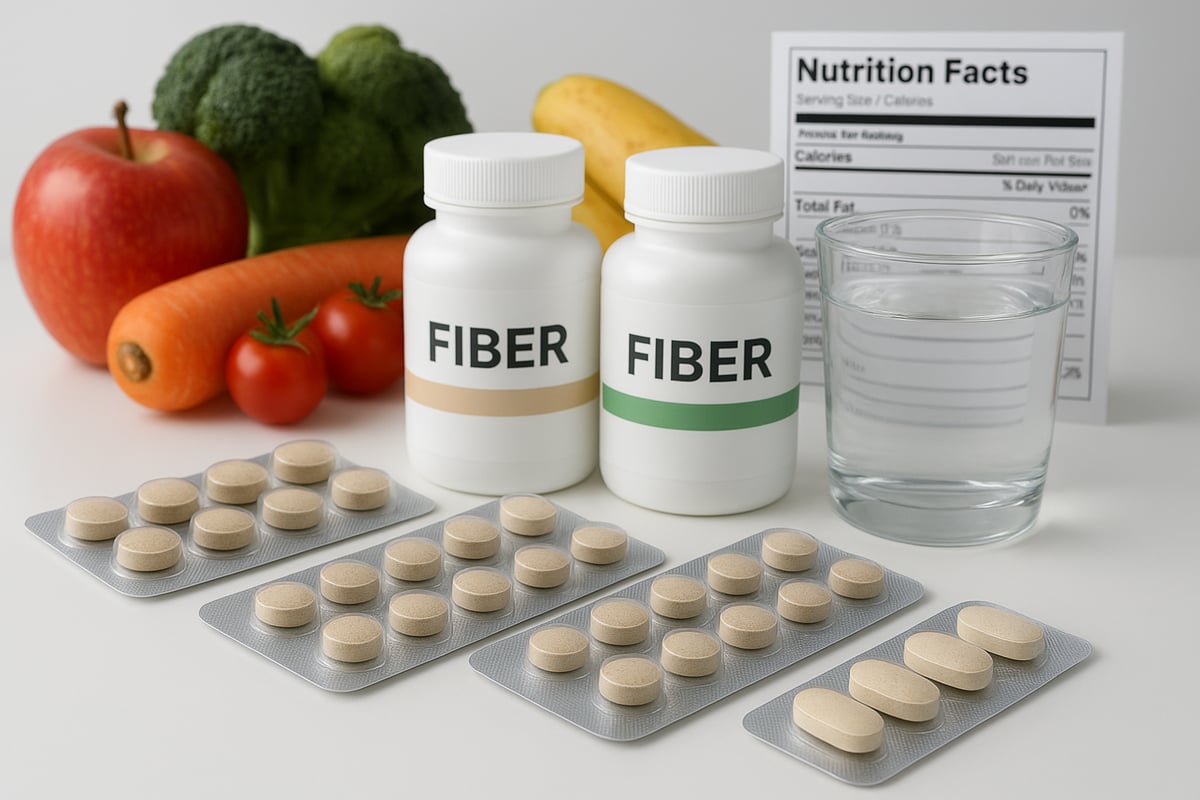
Key Factors in Selecting Fibre Pills
When choosing fibre pills, begin by assessing your dietary needs. Many options cater to vegan, gluten-free, or allergen-free preferences, so check labels for compatibility with your lifestyle.
Next, review ingredient purity. The best fibre pills contain minimal fillers or artificial additives, focusing on natural sources like psyllium husk, inulin, or methylcellulose. Pill size and dosage are also important, especially if you have difficulty swallowing or require a specific fibre amount per serving.
Consider the type of fibre. Psyllium-based pills are popular for their gentle bulk-forming effects, while inulin and methylcellulose each offer unique digestive benefits. Always look for third-party testing and certifications, ensuring your fibre pills meet quality and safety standards.
Comparison Table: Common Fibre Pill Types
| Type | Source | Typical Benefits | Notes |
|---|---|---|---|
| Psyllium | Plant seed husk | Regularity, cholesterol | Most common |
| Inulin | Chicory root, plants | Prebiotic, gentle | Good for gut health |
| Methylcellulose | Plant cellulose | Non-fermenting, gentle bulk | Synthetic, allergen-free |
Reading Labels and Understanding Ingredients
Decoding supplement labels is essential for choosing the right fibre pills. Look for transparent claims like “natural” or “high potency” but verify these with the actual ingredient list. Avoid non-fibre additives such as artificial colors, preservatives, or unnecessary binders.
Check the recommended daily fibre intake—generally 25 to 38 grams for adults—and see how each serving of your chosen supplement fits into your overall needs. Leading brands often display clear serving sizes and batch testing results for safety.
For a deeper dive into label claims and supplement selection, see Navigating supplement labels and claims.
When to Choose Fibre Pills Over Other Fibre Sources
Fibre pills offer unmatched convenience for those with busy schedules, frequent travel, or limited access to high-fibre foods. They are also helpful for individuals with specific dietary restrictions, such as those on low-residue diets or managing digestive conditions like IBS.
If you struggle to meet daily fibre targets through whole foods alone, fibre pills can fill nutritional gaps without major dietary changes. Many people prefer fibre pills for precise dosing and ease of supplement stacking with other nutrients.
Survey data in 2025 shows that users appreciate the portability and simplicity of fibre pills, especially when compared to powders or food-based fibre. However, always aim to combine fibre pills with a balanced diet for the best digestive and overall health.
How to Start Taking Fibre Pills Safely: Step-by-Step Guide
Ready to add fibre pills to your wellness routine? A thoughtful, step-by-step approach can help you maximize benefits and minimize discomfort. Here is a practical guide, tailored for beginners, to help you get started safely and confidently.
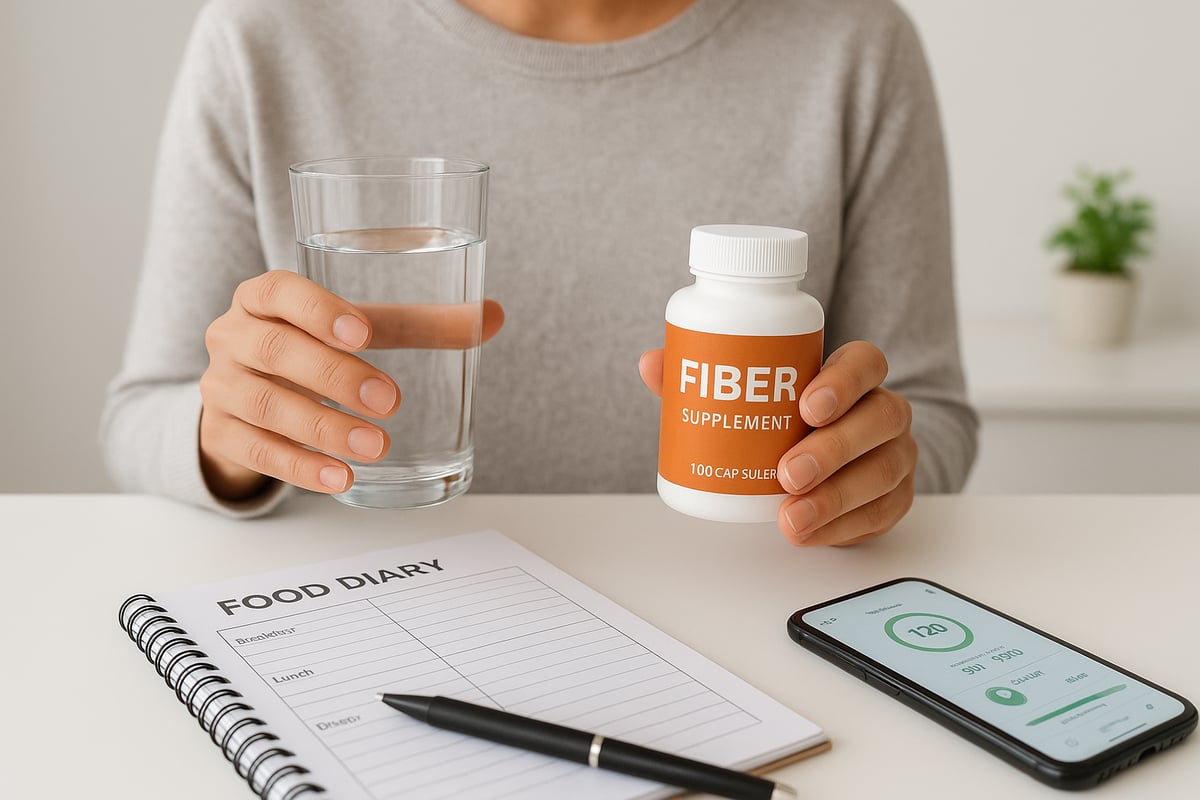
Step 1: Assess Your Current Fibre Intake
Begin by tracking your daily fibre from meals and snacks. Use a food diary or a nutrition app to log everything you eat for a few days. Compare your average intake to guidelines, such as the NHS and USDA recommendations: 25 grams per day for women, 38 grams for men.
If you find a gap between your intake and the target, this is where fibre pills can help. Identifying the shortfall ensures you use fibre pills to complement, not replace, a balanced diet.
Step 2: Consult with a Healthcare Professional
Before starting fibre pills, seek advice from your doctor or a registered dietitian. This is especially important if you have digestive conditions, diabetes, or take medications that may interact with increased fibre.
A healthcare provider can recommend a personalized dose and check for any contraindications. Research shows that fiber supplements aren't one-size-fits-all, study shows, so your needs may differ from others.
This consultation helps you avoid unnecessary risks and ensures your chosen fibre pills are suitable for your health status.
Step 3: Start with a Low Dose and Increase Gradually
Introduce fibre pills slowly to allow your digestive system to adjust. Begin with the lowest recommended dose on the product label, usually one pill per day. Stick to this amount for several days, monitoring your comfort.
Gradually increase the dose every week until you reach your target, as sudden changes can cause bloating or gas. Most people adjust fully within one to two weeks, making fibre pills a gentle addition to their routine.
Step 4: Prioritize Hydration
When using fibre pills, increasing your water intake is crucial. Fibre absorbs water in the digestive tract, so staying hydrated prevents constipation and allows the supplement to work effectively.
Aim for at least eight glasses of water daily. Set reminders or carry a reusable water bottle to maintain consistent hydration. If you notice dry stools or discomfort, review your fluid intake and adjust accordingly to support the benefits of fibre pills.
Step 5: Monitor Your Body’s Response
Track your digestion, stool consistency, and overall wellbeing as you use fibre pills. Journaling or using a health app can help you notice positive changes or any side effects, such as bloating or discomfort.
If you experience ongoing issues, adjust your dose or timing. Watch for rare symptoms, like severe pain or allergic reactions, and consult a healthcare provider if they occur. Staying attentive ensures you gain the best results from fibre pills while minimizing risks.
Potential Side Effects, Risks, and How to Avoid Them
Fibre pills are widely used for digestive health, but like any supplement, they can cause side effects. Knowing what to expect and how to minimize risks helps you use fibre pills with confidence.
Common Side Effects
Most people tolerate fibre pills well, but mild digestive issues are possible, especially when starting. Typical side effects include bloating, gas, and mild abdominal discomfort. These symptoms often occur as your body adjusts to increased fibre intake.
| Side Effect | Frequency | Typical Duration |
|---|---|---|
| Bloating | Common | 1–2 weeks |
| Gas | Common | 1–2 weeks |
| Mild discomfort | Common | 1–2 weeks |
Gradually increasing your dose gives your gut time to adapt, making these side effects less noticeable.
Rare but Serious Risks
Although rare, some risks of fibre pills require attention. These include bowel obstruction, particularly if you do not drink enough water. Allergic reactions are uncommon but may occur, especially in those sensitive to ingredients like psyllium.
Clinical studies report serious side effects in less than 1% of fibre pill users. For more detailed statistics and safety data, refer to this High Fiber Diet - StatPearls overview.
If you experience severe pain, persistent vomiting, or signs of an allergic reaction such as swelling or difficulty breathing, stop using fibre pills and seek medical help immediately.
Who Should Use Caution
Certain groups should use fibre pills with extra care. The elderly, people with existing gastrointestinal conditions (like Crohn’s disease or strictures), and those who have trouble swallowing are at higher risk for complications.
If you have diabetes or take medications that affect digestion, consult your doctor before starting fibre pills. Children and pregnant women should only use fibre pills under medical supervision.
How to Avoid Risks
To minimize side effects, introduce fibre pills slowly and increase your dose over one to two weeks. Always take fibre pills with a full glass of water to prevent constipation and reduce the risk of blockage.
- Do not exceed recommended dosages.
- Monitor your body’s response.
- Read labels to check for allergens and additives.
Consistent hydration is essential for fibre pill users.
When to Seek Medical Advice & Medication Interactions
Contact your healthcare provider if you notice severe symptoms, persistent discomfort, or any allergic reaction. Fibre pills can interact with some medications, such as diabetes drugs and cholesterol-lowering agents, so take them at separate times if advised.
With careful use, most people can enjoy the benefits of fibre pills while minimizing risks.
Maximizing the Benefits: Tips for Integrating Fibre Pills Into Daily Life
Integrating fibre pills into your daily routine can make a noticeable difference in your digestive health and overall wellbeing. Consistency and mindful habits are key to getting the most from your supplement.
Best Practices for Consistent Use
Establishing a regular schedule is fundamental when taking fibre pills. Choose a time that fits easily into your daily routine, such as with breakfast or after your evening meal. Setting reminders on your phone or using a pill organizer can help prevent missed doses.
Pairing fibre pills with other healthy habits, like preparing balanced meals or a morning walk, reinforces consistency. For those with busy lifestyles, carrying a small supply in a travel case ensures you do not skip doses while on the go. For more strategies on building effective habits, explore these wellness routines for beginners.
Combining Fibre Pills with Diet and Lifestyle
To maximize the benefits of fibre pills, pair them with high-fibre foods such as fruits, vegetables, and whole grains. This synergy supports digestive health and can enhance the positive effects of your supplement. Remember to drink plenty of water throughout the day, as hydration is crucial when increasing fibre intake.
Avoid relying solely on fibre pills for your daily fibre needs. Instead, use them to fill gaps in your diet, especially during busy periods or travel. For further insight into gut microbiome support, check out these gut health and microbiome tips.
Tracking Progress and Adjusting Your Routine
Monitor your response to fibre pills by keeping a simple journal or using a health tracking app. Note changes in digestion, energy, and overall comfort. This helps you identify what works best and when adjustments are needed.
If you notice improvements in regularity or energy levels, celebrate these milestones to stay motivated. Should you experience discomfort, consider adjusting your dosage or timing. Engaging with support communities can provide encouragement and new ideas for optimizing your fibre pills routine.
Frequently Asked Questions About Fibre Pills
Curious about fibre pills? Here, we answer the most common questions so you can make informed decisions and use fibre pills with confidence.
| Question | Answer |
|---|---|
| Are fibre pills safe for long-term use? | Yes, fibre pills are generally safe for long-term use when taken as directed. Recent studies confirm their safety for most adults, but always consult your healthcare provider first. For a deeper dive, explore this comprehensive review of dietary fiber's health benefits. |
| Can fibre pills help with weight loss? | Fibre pills may support weight management by increasing satiety and reducing appetite. However, results vary. A balanced diet and regular exercise are important for best outcomes. |
| What’s the best time of day to take fibre pills? | You can take fibre pills at any time, but many prefer them before meals with plenty of water. Consistency is key for best results. |
| Do fibre pills interfere with medications? | Fibre pills can affect absorption of some medications, such as diabetes or cholesterol drugs. Take medications and fibre pills at least two hours apart and consult your doctor for guidance. |
| Are they suitable for children, pregnant women, or seniors? | Most adults can use fibre pills, but children, pregnant women, and seniors should seek medical advice before starting supplements. |
| How quickly do fibre pills work? | Many people notice improved regularity within a few days to a week. Effects may vary based on individual digestive health and diet. |
| What to do if you miss a dose? | If you miss a dose, simply take your next scheduled dose. Do not double up. Stay consistent for optimal results. |
| Can you take fibre pills with probiotics or other supplements? | Yes, fibre pills are often combined with probiotics and other digestive supplements. For additional gut health and detox support, consider options like Natural detox and digestive support. |
Fibre pills are a versatile option for digestive and overall health. Always follow professional advice and listen to your body for the best experience.
Now that you understand the essentials of fibre pills and how they can fit into your daily wellness routine, it’s clear that taking simple, mindful steps can truly support your overall health. We’ve walked through how to choose the right supplement, what to look for on labels, and how to integrate fibre pills safely for lasting results. Remember, your wellbeing starts with the choices you make each day—so why not begin with clean, plant-based support you can trust? If you’re ready to experience the benefits for yourself, your body deserves better choose clean supplements that work.