

Essential Guide to Food Based Supplements in 2026
In 2026, the world of wellness is rapidly evolving, and food based supplements are taking center stage as more people seek natural ways to support their health and vitality. With so many options available, it is easy to feel overwhelmed or confused about what truly works. This essential guide will demystify food based supplements, clarify how they differ from synthetic alternatives, and reveal why they are gaining popularity among wellness enthusiasts. You will learn about the science behind their benefits, who can benefit most, how to select high-quality products, and the trends shaping this dynamic industry. Ready to make informed choices for your well-being? Let us dive in.
What Are Food Based Supplements?
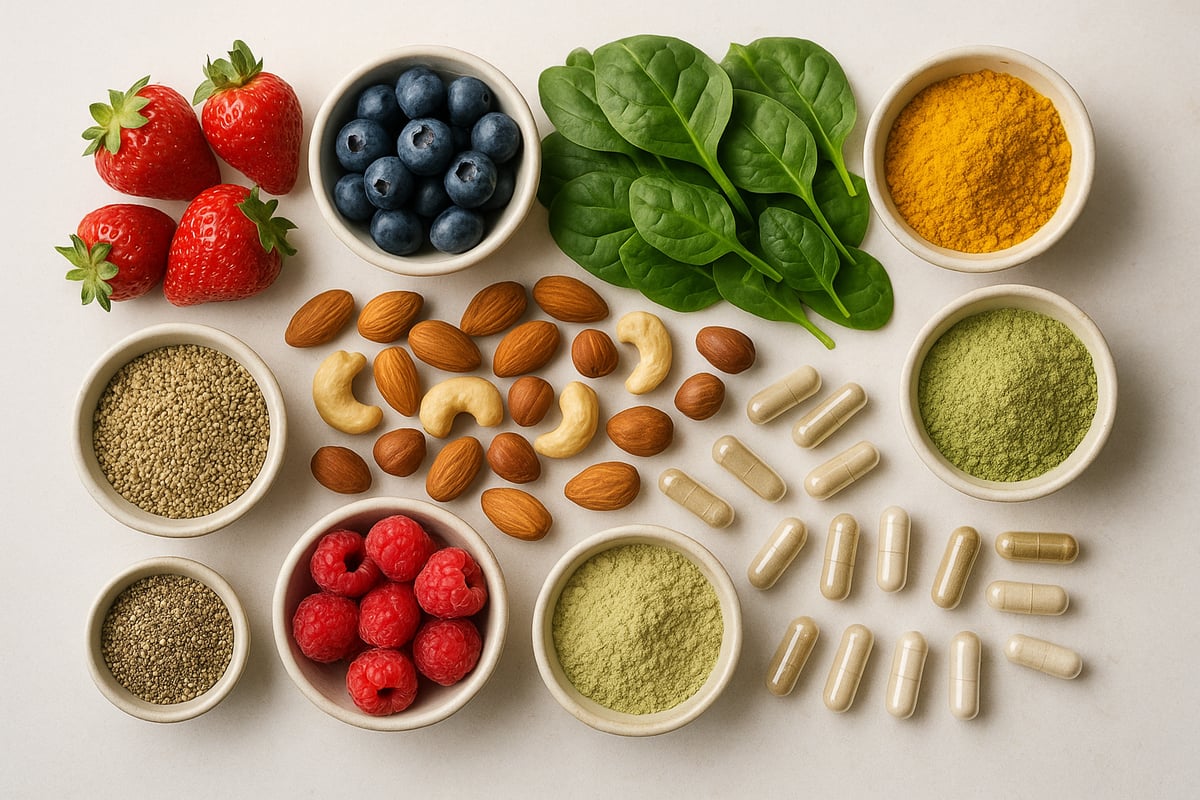
Food based supplements have become a cornerstone of modern wellness routines, offering an alternative to synthetic vitamins and minerals. These supplements are derived directly from concentrated, whole-food sources, such as fruits, vegetables, and herbs. Unlike synthetic supplements created in labs, food based supplements retain a complex matrix of co-factors, enzymes, and phytonutrients that naturally occur in food. This composition is thought to enhance absorption and utilization in the body. Examples include plant-based multivitamins, fermented probiotics, and food-extracted minerals. Their rising popularity reflects a broader shift toward holistic health, as more consumers seek natural solutions. To learn more about how natural food form supplements work and their unique advantages, visit Natural Food Form Explained.
Defining Food Based Supplements
The process of creating food based supplements begins with carefully sourcing organic fruits, vegetables, herbs, and superfoods. These ingredients are processed using gentle methods such as drying at low temperatures, cold-pressing, or fermentation. These techniques help preserve the natural nutrients and maintain their bioavailability. By retaining the synergy between vitamins, minerals, and other beneficial compounds, food based supplements offer nutrients in a form the body easily recognizes. Importantly, they contain no artificial additives, fillers, or chemical isolates. For example, vitamin C from acerola cherry provides a complete nutrient profile compared to lab-made ascorbic acid.
How Food Based Supplements Are Made
In 2026, food based supplements are available in a wide range of forms to suit different wellness needs. Some of the most popular types include:
- Multivitamins formulated from whole foods
- Probiotics and prebiotics from fermented plant sources
- Adaptogens such as ashwagandha and reishi
- Food-extracted minerals and omega-3s
- Functional blends targeting immunity, energy, or gut health
There is also significant growth in vegan, allergen-free, and specialty formulas, making food based supplements accessible to more people than ever before.
Food Based vs. Synthetic Supplements: What’s the Difference?
Choosing between food based supplements and synthetic supplements can feel overwhelming, especially when both promise to support your health. Understanding how these two categories differ is crucial for making informed decisions and optimizing wellness.
Nutrient Source and Bioavailability
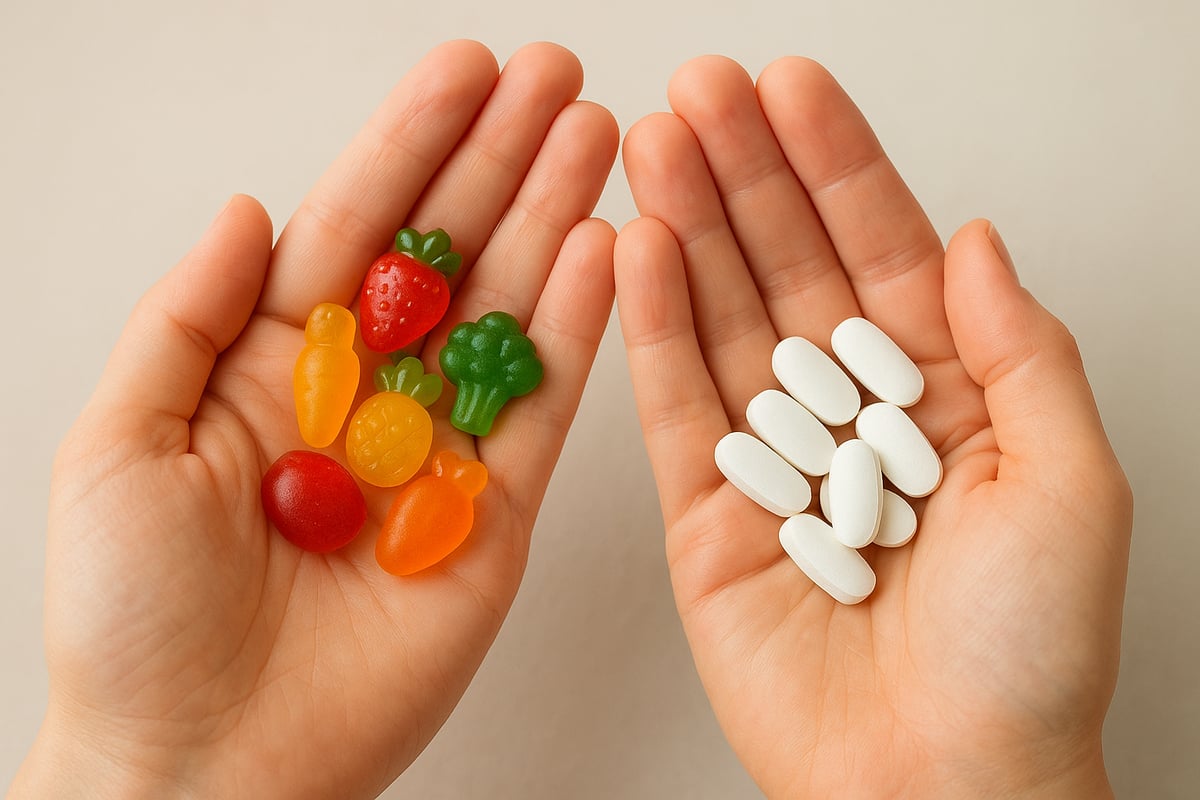
The most significant distinction between food based supplements and synthetic supplements lies in their source and how the body absorbs them. Food based supplements are made from concentrated whole foods, providing nutrients within their natural matrix. This means they include co-factors, enzymes, and phytonutrients that help the body recognize and utilize the nutrients efficiently.
In contrast, synthetic supplements are formulated in labs, often containing isolated forms of vitamins or minerals. These isolated nutrients may lack the supporting compounds found in whole foods, which can impact absorption and effectiveness. For example, natural folate from food based supplements is more easily metabolized than synthetic folic acid.
A growing body of research shows that nutrients from food based supplements are better absorbed and utilized. For a comprehensive expert analysis, see Food-Based vs. Synthetic Supplements.
| Feature | Food Based Supplements | Synthetic Supplements |
|---|---|---|
| Source | Whole foods | Laboratory-made |
| Bioavailability | High, with co-factors | Variable, often isolated |
| Example | Folate from spinach | Folic acid tablet |
Health Benefits and Effectiveness
Food based supplements offer a unique advantage by delivering fiber, enzymes, and supporting phytonutrients along with essential vitamins and minerals. This synergy helps nutrients work together, enhancing their overall effectiveness. The Dietary Guidelines for Americans consistently recommend a food-first approach, recognizing that nutrients in whole food form are more beneficial than isolated compounds.
In practice, food based supplements support immune health, energy, and digestion more holistically. They also present a lower risk of overdosing, as the nutrients are delivered in naturally balanced amounts. Synthetic supplements, while helpful for targeted deficiencies, can sometimes deliver nutrients in unnaturally high doses, increasing the chance of side effects.
Safety and Regulation
Safety is a major concern when selecting supplements. Synthetic supplements often contain higher concentrations of certain vitamins, which can lead to toxicity, particularly with fat-soluble vitamins such as A, D, and E. Food based supplements are generally less likely to cause adverse effects, as they provide nutrients in physiologically appropriate doses.
However, both types of supplements fall under similar regulatory frameworks. The FDA provides limited oversight, so it is essential to look for products that undergo third-party testing and offer transparent labeling. This ensures that what is listed on the label matches what is in the bottle, and helps consumers avoid potentially harmful contaminants.
- Synthetic supplements: risk of toxicity with high doses
- Food based supplements: lower risk, more natural balance
- Always check for third-party certifications
Suitability for Different Lifestyles
Food based supplements align well with those pursuing a natural, holistic wellness routine. They are ideal for individuals who prioritize nutrient synergy and gentle, whole-food nutrition. On the other hand, synthetic supplements may be necessary in cases of severe deficiency or specific medical needs that require targeted, high-dose intervention.
The choice ultimately depends on personal health goals, dietary habits, and any underlying medical conditions. Consulting a healthcare professional can help determine the most suitable option for your lifestyle.
Who Should Consider Food Based Supplements?
Choosing the right supplements can feel overwhelming, especially with so many options on the market. Understanding who benefits most from food based supplements helps ensure you make informed, health-supporting decisions.

General Population and Wellness Seekers
For many, food based supplements offer an extra layer of nutritional support. If your daily meals lack variety or rely heavily on processed foods, you may not get enough essential micronutrients.
Modern diets often fall short in vitamins and minerals due to soil depletion and convenience eating. Food based supplements can help bridge these nutritional gaps, supporting energy, immunity, and overall vitality.
It is important to remember that food based supplements are designed to complement, not replace, a balanced diet. They work best when paired with healthy eating habits.
Individuals with Absorption Issues or Special Needs
Some people have unique nutritional challenges that make food based supplements especially valuable. Gastrointestinal conditions like Crohn’s disease, celiac disease, or those recovering from bariatric surgery can reduce nutrient absorption.
Older adults may also struggle to digest and utilize nutrients efficiently. For vegans and vegetarians, food based supplements derived from plant sources can provide critical nutrients such as B12, iron, and omega-3s.
Pregnant women often seek natural sources of folate and other vitamins to support healthy development, making food based supplements a gentle and effective choice.
When Synthetic Supplements May Be Necessary
While food based supplements are ideal for many, there are times when synthetic options are necessary. Severe deficiencies, such as B12 in strict vegans or iron in anemia, often require higher doses that only synthetic supplements can deliver.
Certain medications and health conditions can further inhibit nutrient absorption, making targeted intervention essential. In these cases, medical supervision is required to avoid toxicity or interactions.
If you are interested in exploring a range of food based supplements before considering synthetic alternatives, the Vitamins and Food Supplements Collection offers a curated selection to support various needs.
Assessing Personal Nutritional Needs
Before starting any supplement regimen, consult a healthcare professional. They can recommend lab tests to assess your vitamin and mineral status, ensuring your approach is both safe and effective.
A personalized supplement strategy, tailored to your unique health profile, can help you achieve optimal wellness.
Key Benefits and Potential Risks of Food Based Supplements
Unlocking the advantages of food based supplements requires understanding both their benefits and their potential risks. As their popularity grows, it is crucial to examine what current research reveals, how they compare in terms of safety, and what to look for when choosing quality products.
Health Benefits Supported by Research
Food based supplements offer unique advantages due to their natural composition. Nutrients in these supplements are paired with co-factors and enzymes that enhance absorption, making the body more likely to recognize and utilize them efficiently. This can lead to better outcomes for immunity, energy, digestion, and even skin health.
Unlike isolated synthetic nutrients, food based supplements usually provide balanced doses, reducing the risk of overwhelming the body. For example, whole-food vitamin C is less likely to cause stomach upset compared to synthetic forms. Research continues to highlight the synergistic effects these supplements have, especially when supporting overall wellness. For those interested in specific examples, the Turmeric Food Supplement for Joint Health illustrates how natural compounds can target inflammation and support mobility.
Reducing Overdose and Side Effects
One of the primary advantages of food based supplements is their reduced risk of toxicity. Because these products use nutrients in physiologically appropriate amounts, the likelihood of overdosing is significantly lower. Synthetic vitamins, especially fat-soluble ones like A, D, and E, are more prone to causing toxicity if taken in excess.
Water-soluble vitamins, such as B and C, are generally safer, but synthetic forms like niacin can still cause unwanted effects, including flushing or liver strain. Food based supplements, by contrast, are less likely to trigger such side effects. This makes them a safer choice for daily use and long-term health.
Quality and Label Transparency
Selecting food based supplements demands attention to ingredient sourcing and transparency. Look for clear labeling that details the source of each nutrient, the dosage, and a complete ingredient list. Trustworthy brands often display third-party certifications such as NSF, Non-GMO, or Organic to verify quality.
Be cautious of proprietary blends that obscure what you are actually consuming. Transparent labels help consumers make informed choices and avoid unwanted additives. A commitment to quality ensures that the benefits of food based supplements are delivered without compromise.
Potential Limitations and Considerations
Despite their strengths, food based supplements are not without limitations. They often cost more than synthetic alternatives, reflecting the expense of sourcing and processing whole-food ingredients. Not every nutrient is available in a food based form, so some deficiencies may still require synthetic options.
Shelf life and storage can also be concerns, as natural products may degrade faster. Always check expiration dates and storage instructions to maintain potency. Ultimately, food based supplements should complement, not replace, a balanced diet and personalized nutrition plan.
How to Choose High-Quality Food Based Supplements in 2026
Selecting the right food based supplements in 2026 requires a thoughtful approach. With a growing market and a variety of options, understanding what makes a supplement high-quality is essential for your health and wellness goals.
Evaluating Ingredient Sources and Purity
The foundation of high quality food based supplements lies in their ingredient sources. Always look for products derived from organic, non GMO, and sustainably sourced foods. Avoid supplements containing artificial colors, preservatives, or synthetic fillers. Transparent ingredient sourcing helps you trust what you’re putting in your body.
Key points to consider:
- Are the ingredients traceable to whole foods?
- Is there third party batch testing for purity?
- Does the product avoid unnecessary additives?
Prioritizing these aspects ensures your food based supplements deliver nutrients as nature intended.
Understanding Labels and Certifications
Reading labels is crucial when choosing food based supplements. Look for certifications such as USDA Organic, Non GMO Project Verified, Vegan, and Gluten Free. These marks signal a commitment to quality and safety. Third party lab testing is another important factor, verifying potency and purity.
How to interpret supplement facts panels:
- Check for clear listing of food sources.
- Confirm dosages match your needs.
- Watch for proprietary blends that obscure actual ingredients.
Certifications and transparent labeling help you make informed choices about food based supplements.
Essential Life: Leading the Way in Clean, Plant-Based Supplements
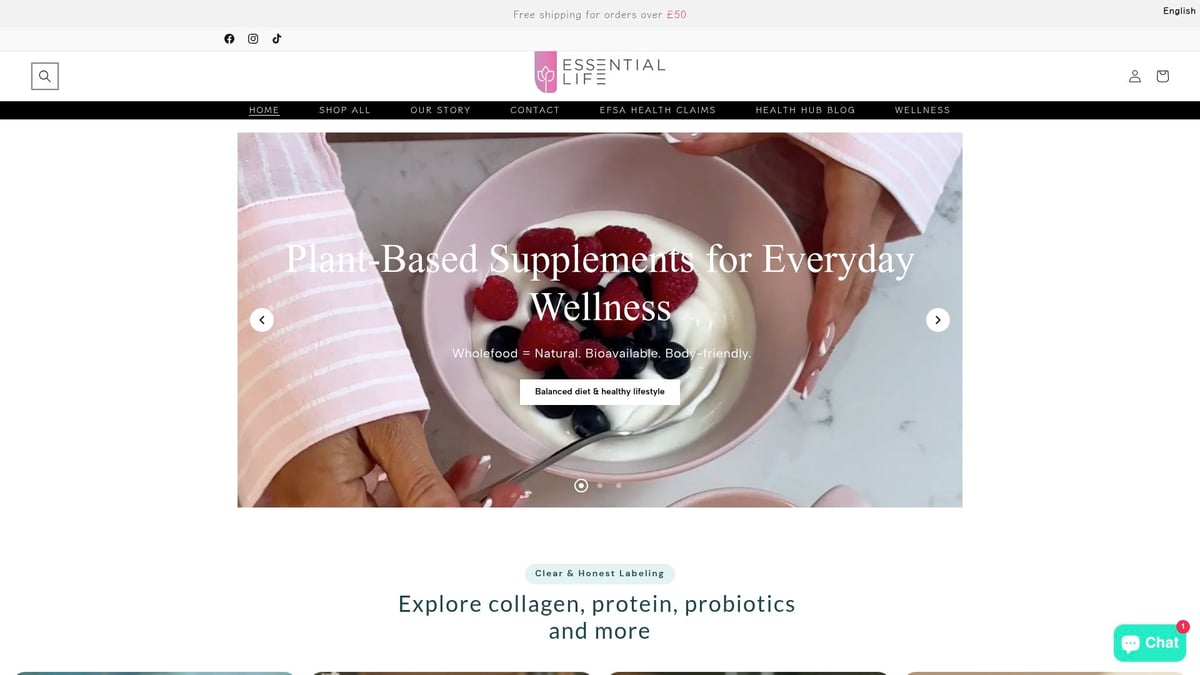
Essential Life stands out in the food based supplements landscape by offering 100 percent plant based, food derived formulas. Their products are vegan, free from artificial additives, and designed for optimal absorption. Focused on sustainability and transparency, Essential Life provides a range of options for holistic wellness.
For those seeking detailed information on how multivitamins contribute to balanced health, the Achieving Balance with Multivitamins blog post offers valuable insights. Example offerings from Essential Life include whole food multivitamins, gut health blends, and antioxidant formulas.
Choosing brands like Essential Life supports both your health and environmental values.
Tips for Safe and Effective Supplementation
To get the most from food based supplements, follow a few essential tips:
- Start with recommended dosages, avoiding unnecessary megadoses.
- Pair supplements with a balanced, nutrient rich diet.
- Consult a qualified health professional for personalized advice.
These steps help ensure your supplement routine is both safe and effective, providing the best possible support for your wellness journey.
Trends and Innovations in Food Based Supplements for 2026
The landscape of food based supplements is rapidly evolving as new scientific discoveries, consumer preferences, and global priorities shape the industry. In 2026, several major trends are influencing how people select and use these products to support their health.
Emerging Ingredients and Formulations
Food based supplements now feature innovative ingredients that go beyond traditional vitamins and minerals. Adaptogens, such as ashwagandha and reishi mushroom, are increasingly popular for stress resilience and overall wellness. Fermented nutrients and superfood blends enhance bioavailability and offer digestive benefits.
Gut health is a key focus, with new products offering prebiotics, probiotics, and postbiotics derived from whole foods. Brands are also introducing creative delivery formats, including gummies, powders, and liquid shots, to improve user experience and absorption. According to the Plant-Based Supplements Market Outlook, the demand for plant-derived ingredients continues to surge, reflecting a shift toward more natural and functional food based supplements.
Personalized Nutrition and Tech Integration
Personalization is at the forefront of food based supplements in 2026. Companies are leveraging DNA testing and biomarker analysis to recommend supplements tailored to individual genetic and metabolic needs. Wearable devices now monitor nutrient levels in real time, helping users optimize their intake.
Artificial intelligence is being used to design supplement plans based on health goals, lifestyle, and dietary patterns. This level of customization ensures that food based supplements are more effective and relevant to each person’s unique requirements. The integration of technology is making it easier for consumers to track, adjust, and benefit from their supplementation routines.
Sustainability and Ethical Sourcing
Environmental responsibility is now a top priority for both manufacturers and consumers of food based supplements. Companies are investing in eco-friendly packaging, such as biodegradable bottles and recyclable pouches, to reduce waste.
Sourcing transparency is also gaining importance. Brands are highlighting fair-trade practices, organic certification, and carbon-neutral production processes. Many consumers actively seek out food based supplements that support both their own health and the health of the planet. Ethical commitments, such as supporting local farmers and using renewable resources, are becoming standard in the industry.
Global and Regulatory Shifts
International interest in food based supplements is growing, with expanded markets in Asia, Europe, and North America. Governments and regulatory agencies are introducing stricter guidelines for labeling, safety, and ingredient quality.
There is a greater emphasis on clinical research to prove efficacy and safety, helping to build trust among consumers. The Global Nutraceuticals Market Growth report highlights the rapid expansion and innovation within the supplement sector, driven by these new standards. As regulations evolve, food based supplements are likely to become even safer and more effective for a global audience.
As we’ve explored, choosing food based supplements is about aligning your wellness routine with what your body truly needs—pure, plant-powered nutrition that works in harmony with you. Essential Life is committed to making this journey simple, clean, and effective, whether you’re looking to fill nutritional gaps or optimize your everyday vitality. If you’re ready to take the next step toward a healthier, more balanced lifestyle, I invite you to make a mindful choice for your wellbeing. Your body deserves better—choose clean supplements that work.
Your body deserves better choose clean supplements that work