

The Definitive Guide to Food Supplement Vitamins (2025)
Unlock the secrets to better health in 2025 with the latest insights into food supplement vitamins. As the landscape of wellness evolves, understanding how these supplements can transform your wellbeing is more important than ever.
This definitive guide cuts through confusion and empowers you to make informed choices about food supplement vitamins. You will discover the different types, proven benefits, safety considerations, and how to select the right products for your needs.
Explore cutting-edge trends, review recent science, and gain practical strategies to maximize your supplement routine. Get ready to take control of your health with expert-backed advice for the modern era.
The Evolution of Food Supplement Vitamins: Trends & Innovations for 2025
Unlocking the future of food supplement vitamins means keeping pace with a rapidly evolving landscape. The industry is experiencing dramatic growth, innovation, and transformation as we move into 2025.
The Growth of the Global Supplement Market
The food supplement vitamins market is expanding at an unprecedented rate. By 2025, global sales are projected to exceed $230 billion, reflecting a surge in consumer interest for proactive health and immunity support. This spike is fueled by the integration of digital health platforms and the mainstream adoption of personalized nutrition.
| Year | Global Supplement Market ($B) |
|---|---|
| 2021 | 151 |
| 2025 | 230+ |
According to Global dietary supplements market size projections, these figures highlight the scale and momentum of the industry.
Scientific Advancements in Vitamin Formulation
Recent years have seen breakthroughs in how food supplement vitamins are formulated. Technologies like liposomal and nano-encapsulation are improving bioavailability, making nutrients more accessible to the body. Manufacturers are also shifting toward wholefood and plant-based vitamin sources, addressing consumer demand for more natural options.
New delivery methods are emerging:
- Gummies and chewables for convenience
- Fast-absorbing sprays
- Transdermal patches for steady release
These advancements offer consumers more choice and improved efficacy.
Regulatory Changes and Quality Standards
The regulatory landscape for food supplement vitamins is evolving. Both the FDA and EFSA have issued updates to supplement safety and labeling requirements, aiming to protect consumers and ensure product transparency. The rise of third-party certifications, like NSF and USP, helps verify quality and purity.
Brands are placing greater emphasis on ingredient sourcing and traceability. These efforts build consumer trust and set higher standards for the entire industry.
Sustainability and Ethical Sourcing
Sustainability is influencing every aspect of food supplement vitamins production. Consumers are prioritizing eco-friendly packaging, ethical supply chains, and cruelty-free manufacturing. The demand for vegan and allergen-free supplements is also rising, prompting companies to innovate with plant-based ingredients and minimal additives.
These trends not only support environmental goals but also meet the needs of health-conscious individuals seeking clean label products.
The Role of Technology
Technology is reshaping how we interact with food supplement vitamins. The integration of AI and genetic testing enables truly personalized supplement recommendations. Mobile apps allow users to track nutrient intake, set reminders, and monitor progress.
Some brands are even offering subscription models based on ongoing health data, making supplementation more targeted and efficient.
Consumer Insights and Behavior
Demographic data reveals that interest in food supplement vitamins spans all ages, with particularly strong growth among millennials and older adults. Women are leading the charge in supplement use, often influenced by wellness trends on social media and advice from influencers.
Lifestyle factors, like plant-based diets and busy schedules, are also driving changes in how consumers select and use supplements.
Challenges Facing the Industry
Despite progress, the food supplement vitamins industry faces ongoing challenges. Misinformation and exaggerated claims persist, making it difficult for consumers to make informed choices. Price competition can sometimes compromise quality, and not all innovations are backed by solid scientific evidence.
Balancing the drive for innovation with a commitment to safety and efficacy remains a top priority for reputable brands.
Understanding Food Supplement Vitamins: Types, Functions, and Sources
Curious about the building blocks that keep your body in top shape? Understanding food supplement vitamins is essential for making informed health decisions. From the way vitamins are classified, to how they function, and where you can find them, this section will unravel the fundamentals so you can supplement wisely.

Classification of Vitamins: Water-Soluble vs. Fat-Soluble
Vitamins fall into two main categories: water-soluble and fat-soluble. Water-soluble vitamins include the B-complex group and vitamin C. These dissolve in water and are not stored in large amounts, so regular intake is necessary. Fat-soluble vitamins, such as A, D, E, and K, dissolve in fat and can be stored in body tissues for later use.
This classification affects how food supplement vitamins are absorbed and used by your body. Water-soluble types are excreted more easily, while fat-soluble vitamins require dietary fat for optimal absorption. Understanding these differences helps you tailor your supplementation for maximum benefit.
Essential Vitamins and Their Roles in the Body
Each vitamin plays a unique, vital role. Vitamin A supports vision and immunity. B vitamins (B1 to B12) fuel energy production and nervous system health. Vitamin C acts as a powerful antioxidant, promoting skin health and immune defense. Vitamin D is crucial for bone strength and immune modulation. Vitamin E protects cells from oxidative stress, and vitamin K aids in blood clotting and bone metabolism.
Food supplement vitamins can bridge gaps if your diet lacks these essentials. For instance, B12 supplementation is often crucial for vegans, while vitamin D is commonly needed in regions with limited sunlight. By understanding these roles, you can better target your nutritional needs.
Natural vs. Synthetic Vitamins
When choosing food supplement vitamins, you may notice the terms "natural" and "synthetic." Natural vitamins are derived from food sources, while synthetic versions are chemically produced. Some studies suggest natural forms may be better absorbed or more effective, though this can vary by vitamin type.
For example, vitamin E from natural sources (d-alpha-tocopherol) is more bioavailable than its synthetic counterpart (dl-alpha-tocopherol). However, synthetic vitamin C is nearly identical to the natural form. Consumer preference often leans toward wholefood options, but both types can help meet your needs if chosen wisely.
Dietary Sources vs. Supplements
You can obtain essential vitamins from a balanced diet rich in fruits, vegetables, whole grains, and lean proteins. However, food supplement vitamins become important when dietary gaps exist due to restrictive diets, health conditions, or lifestyle choices.
Statistics indicate that vitamin D and B12 deficiencies are common in certain populations, such as older adults and vegetarians. Supplements can help fill these gaps, ensuring you maintain optimal health even when food sources fall short. Always consider your individual circumstances when deciding to supplement.
Popular Forms of Vitamin Supplements
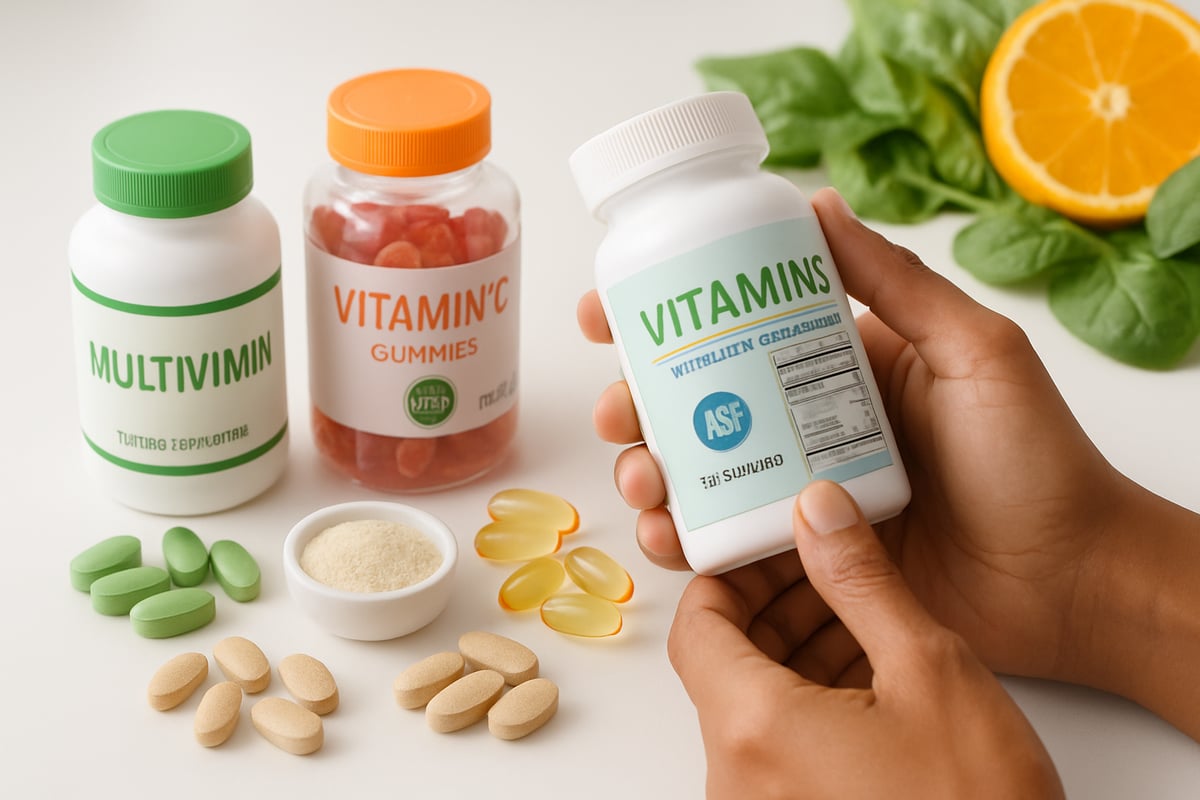
Food supplement vitamins come in many forms to suit different preferences and lifestyles. Common options include tablets, capsules, softgels, powders, liquids, gummies, and sprays. Each has its pros and cons; for instance, gummies are easy to take but may contain added sugars, while powders offer flexible dosing.
For a comprehensive range of options, explore the Vitamins and Supplements Collection to find a solution tailored to your needs. The right form can enhance adherence and make supplementation a seamless part of your routine.
Specialized and Targeted Vitamin Blends
Not all food supplement vitamins are created equal. Some products offer single-nutrient supplements, while others provide multivitamins or targeted blends. Multivitamins cover general needs, whereas specialized blends focus on specific goals like immunity, energy, beauty, or cognitive support.
Targeted blends often include synergistic nutrients, such as vitamin D with calcium for bone health or vitamin C with zinc for immunity. Choosing the right blend depends on your health priorities and current nutritional status, ensuring a customized approach to supplementation.
Emerging Ingredients and Trends
The world of food supplement vitamins is constantly evolving. Recent trends include the addition of adaptogens, superfoods, and functional botanicals to supplement formulas. Plant-based and allergen-free options are increasingly popular, meeting the needs of those with dietary restrictions or ethical concerns.
Innovations in this space aim to improve both efficacy and inclusivity, offering more choices for every lifestyle. Staying updated on these trends helps you make informed decisions and maximize the benefits of your supplement strategy.
Health Benefits and Evidence: What Science Says About Supplementing with Vitamins
Unlocking the real impact of food supplement vitamins on health requires more than marketing claims. Scientific research continues to clarify where these supplements shine, who benefits most, and how to use them safely. This section explores the latest evidence, practical implications, and common misconceptions.

Proven Benefits of Supplementation
Clinical studies have repeatedly shown that food supplement vitamins can provide measurable health benefits, especially when dietary intake is insufficient. Vitamin D supplementation, for example, plays a clear role in supporting immune function and bone health. Research also confirms that vitamin B12 is crucial for energy metabolism, particularly in older adults and those following a plant-based diet. Folic acid, a B vitamin, is widely recognized for reducing the risk of neural tube defects during pregnancy. Vitamin C enhances collagen synthesis and offers antioxidant protection, supporting skin and immune health. While food supplement vitamins cannot replace a balanced diet, their targeted use can address specific nutrient gaps and improve quality of life for many.
Addressing Deficiencies and At-Risk Populations
Certain populations are more likely to benefit from food supplement vitamins due to common deficiencies or increased needs. Elderly individuals often require additional vitamin D and B12, as absorption declines with age. Pregnant women need folic acid and iron to support fetal development. Vegans, vegetarians, and those with malabsorption conditions may struggle to obtain enough B12 and vitamin D from food alone. Global statistics indicate that vitamin D and B12 deficiencies are widespread, affecting millions. Supplementation provides a practical solution for these groups, ensuring adequate nutrient intake and supporting overall wellbeing.
| At-Risk Group | Common Deficiency | Recommended Supplement |
|---|---|---|
| Elderly | Vitamin D, B12 | D3, B12 |
| Pregnant Women | Folic Acid, Iron | Prenatal Multivitamin |
| Vegans/Vegetarians | B12, D | B12, Vegan D3 |
Myths vs. Facts: What Supplements Can and Can’t Do
Misconceptions about food supplement vitamins are widespread. One common myth is that taking high doses will yield better results. In reality, more is not always better, and excess intake can be harmful. Another misconception is that supplements can fully substitute for a healthy diet. While they fill nutritional gaps, whole foods provide additional benefits such as fiber and phytonutrients. Official resources, such as EFSA Approved Health Claims, help clarify which health claims are substantiated by science and regulated by authorities. Relying on evidence-based information protects consumers from exaggerated or misleading promises.
Risks of Over-Supplementation
Although food supplement vitamins are generally safe when used as directed, excessive intake can cause serious health problems. Fat-soluble vitamins such as A, D, E, and K accumulate in the body and may reach toxic levels if overused. Symptoms of toxicity can include nausea, liver damage, or neurological issues. Certain vitamins and minerals may interact with prescription medications, complicating existing health conditions. To prevent adverse outcomes, it is important to follow recommended dosages and consult a healthcare professional before starting new supplements. Regulatory agencies set safe upper intake levels to guide responsible use.
Personalized Nutrition: Tailoring Supplementation to Individual Needs
Personalized approaches to food supplement vitamins are gaining momentum. Blood testing and genetic analysis can identify unique deficiencies and guide targeted supplementation plans. For example, someone with low serum vitamin D may benefit from higher doses under medical supervision. Dietitians and nutritionists play a key role in designing effective, individualized strategies that maximize benefits and minimize risks. By aligning supplements with specific needs, individuals can achieve better health outcomes and avoid unnecessary or redundant products.
The Placebo Effect and Perceived Benefits
The psychological impact of taking food supplement vitamins should not be underestimated. Many users report feeling healthier or more energetic after starting supplementation, even if objective improvements are modest. This placebo effect can enhance motivation and adherence to other healthy habits. However, it also highlights the importance of evidence-based decision-making. Recognizing the difference between perceived and scientifically validated benefits helps consumers make informed choices and avoid disappointment.
Key Takeaways from Recent Research
Recent meta-analyses from 2023 to 2025 confirm that food supplement vitamins offer clear advantages for correcting deficiencies and supporting targeted health needs. However, supplementation is not a cure-all, and its effectiveness depends on individual factors. Future research is needed to further refine dosing guidelines, explore long-term outcomes, and distinguish between real and perceived benefits. The ongoing evolution of scientific understanding will continue to shape best practices in supplement use.
How to Choose High-Quality Food Supplement Vitamins: A Step-by-Step Guide
Selecting the right food supplement vitamins can feel overwhelming with so many options on the market. A systematic approach ensures you make safe, effective, and personalized choices. This guide breaks down each step for choosing quality food supplement vitamins that fit your unique needs.
Step 1: Identify Your Unique Nutritional Needs
Start by assessing your diet, lifestyle, age, and any health conditions. Food supplement vitamins are most effective when they address actual nutritional gaps. Consider if you are vegetarian, vegan, pregnant, or have specific medical needs.
Consulting with a healthcare provider can help pinpoint which vitamins you may lack. Personal factors such as activity level, stress, and existing medications also influence your requirements for food supplement vitamins.
Step 2: Read Labels and Ingredient Lists Carefully
Always scrutinize product labels before purchasing food supplement vitamins. Understand the difference between active ingredients, which provide the nutrient, and inactive ingredients, which are fillers or additives.
Watch for allergens, artificial colors, or preservatives. Some labels can be misleading, so look for clear information on vitamin type, amount per serving, and any added substances. This step helps ensure the supplements align with your health goals.
Step 3: Check for Third-Party Testing and Certifications
High-quality food supplement vitamins often feature seals from reputable organizations such as NSF, USP, or Informed-Choice. These certifications indicate that the product has been tested for purity, potency, and safety.
To verify authenticity, visit the certifier’s website or scan for QR codes on packaging. Third-party testing reduces the risk of contamination and ensures you receive what the label claims. This step is crucial for athlete safety and those with allergies.
Step 4: Evaluate Dosage and Bioavailability
Compare the dosage listed on food supplement vitamins with recommended daily values. Too little may be ineffective, while too much could pose risks. Check if the vitamin form enhances absorption, such as methylated B vitamins or chelated minerals.
Bioavailability determines how well your body can use the vitamin. Opt for products that specify highly absorbable forms. Consult with a professional if you are unsure about dosage for your age, gender, or health condition.
Step 5: Consider the Source and Manufacturing Standards
Decide if you prefer food supplement vitamins from wholefood, plant-based, or synthetic sources. Many consumers now seek products with transparent ingredient sourcing and ethical supply chains.
Look for supplements manufactured under GMP (Good Manufacturing Practice) standards. Eco-friendly packaging and cruelty-free certification can also be important for those prioritizing sustainability.
Step 6: Review Consumer Reviews and Brand Reputation
Before buying food supplement vitamins, research brands using verified consumer reviews and independent ratings. Positive feedback on quality, effectiveness, and customer service can guide your decision.
Be wary of brands making exaggerated health claims or lacking transparency about sourcing. A reputable company should offer clear information and responsive support if questions arise.
Step 7: Consult with a Professional Before Starting New Supplements
Finally, consult a dietitian, nutritionist, or physician before adding new food supplement vitamins to your routine. Professional advice ensures supplements are tailored to your individual needs, reducing the risk of interactions or side effects.
For answers to common questions about vitamins, supplements, and holistic wellness, you may find the FAQs on Holistic Health resource helpful. Regular monitoring and follow-up with your healthcare provider can optimize your supplement plan.
Maximizing the Benefits: Best Practices for Safe and Effective Vitamin Supplementation
Unlocking the full potential of food supplement vitamins requires more than simply adding them to your daily routine. To achieve optimal results, it is essential to follow evidence-based best practices that ensure both safety and effectiveness. Let us explore the key strategies for maximizing your supplement benefits.
Timing and Dosage: Getting It Right
Proper timing and dosage are crucial for the effectiveness of food supplement vitamins. Water-soluble vitamins, such as vitamin C and B-complex, are best taken with water, while fat-soluble vitamins like A, D, E, and K should be taken with a meal containing healthy fats for maximum absorption. Splitting doses throughout the day can help maintain steady nutrient levels.
Modern delivery systems, including capsules, powders, and innovative Gummies and Vitamin Delivery Forms, make it easier to personalize your supplement routine. Always follow the recommended dosage on the label to avoid under- or overdosing.
Combining Vitamins and Avoiding Negative Interactions
Combining food supplement vitamins thoughtfully can enhance their benefits. For example, vitamin D supports calcium absorption, while vitamin C can boost iron uptake. However, certain combinations can reduce effectiveness or cause unwanted interactions, such as taking calcium and iron together, which may interfere with absorption.
Be mindful of medications, as some supplements can interact with prescriptions. Consulting a healthcare professional before combining multiple food supplement vitamins is always a smart approach.
Storage and Shelf Life
Storing food supplement vitamins correctly helps maintain their potency and safety. Most supplements should be kept in a cool, dry place away from direct sunlight and heat. Moisture can degrade vitamins, so keep bottles tightly sealed.
Always check expiration dates and look for signs of spoilage, such as changes in color, odor, or texture. Proper storage ensures your food supplement vitamins remain effective over time.
Monitoring and Adjusting Your Supplement Routine
Regularly review your supplement plan to align with your changing needs. Periodic blood tests and health check-ups can help track nutrient levels and identify deficiencies. Adjusting your intake of food supplement vitamins based on life stages, health status, or dietary changes ensures ongoing effectiveness.
If you notice new symptoms or changes in your health, consult a healthcare provider to reassess your regimen. Personalized adjustments are key to long-term success.
Lifestyle Factors That Enhance Supplement Efficacy
A holistic approach amplifies the benefits of food supplement vitamins. Balanced nutrition, adequate hydration, regular exercise, and quality sleep all support optimal nutrient absorption and utilization. Remember, supplements are designed to complement—not replace—a healthy lifestyle.
Integrate food supplement vitamins into a broader wellness strategy for the best results. This synergy helps unlock their full potential.
Recognizing and Responding to Side Effects
While food supplement vitamins are generally safe, side effects can occur, especially with excessive intake. Common issues include digestive discomfort, headaches, or allergic reactions. If you experience persistent or severe symptoms, discontinue use and seek medical advice promptly.
Report any adverse events to health authorities to help improve supplement safety for everyone. Being proactive ensures your supplement routine remains both safe and effective.
The Future of Food Supplement Vitamins: Predictions and What to Watch in 2025
The world of food supplement vitamins is evolving rapidly as we move into 2025. Consumers are seeking smarter, safer, and more sustainable ways to optimize their health. Let us explore the most important predictions, innovations, and trends shaping the future of food supplement vitamins.
Advances in Personalized Supplementation
Personalization is transforming the future of food supplement vitamins. DNA-based nutrition, microbiome testing, and AI-driven recommendations are becoming accessible to more people. These technologies allow users to receive supplement plans tailored to their genetic makeup and gut health.
Subscription services are now using AI algorithms to analyze health data and deliver monthly vitamin packs. This shift aligns with rising consumer demand for individualized solutions. To learn more about these trends, see consumer trends in personalized nutrition.
Functional and Targeted Formulations
The next wave of food supplement vitamins will focus on specific needs. Brands are creating blends for sleep, stress relief, cognitive performance, and skin health. Adaptogens, nootropics, and botanicals are being combined with traditional vitamins to enhance their effects.
Consumers can expect to see more products designed for precise outcomes. This approach supports a holistic view of health and wellness.
Tech-Enabled Consumer Experiences
Technology is reshaping how people interact with food supplement vitamins. Smart packaging with QR codes allows users to trace ingredients from source to shelf. Digital education platforms offer in-depth guidance on supplement use.
Wearable health devices are being integrated with apps that track nutrient intake and remind users to take their vitamins. These features provide convenience and help users stick to their routines.
Regulatory and Safety Developments
As innovation accelerates, regulatory agencies are updating standards to protect consumers. The FDA and other authorities are focusing on clearer labeling, stricter testing, and improved manufacturing practices. For the latest on these changes, refer to FDA regulations on supplement safety and labeling.
International efforts are underway to harmonize supplement regulations worldwide. This will help ensure that food supplement vitamins are safe, effective, and accurately labeled.
Sustainability and Ethical Trends
Eco-conscious consumers are driving demand for sustainable and ethical food supplement vitamins. Brands are investing in plant-based, vegan, and allergen-free formulations. Zero-waste packaging and transparent supply chains are becoming industry standards.
These efforts reduce environmental impact and promote responsible sourcing. Consumers are looking for certifications that verify ethical practices.
Consumer Education and Empowerment
Access to evidence-based information is empowering people to make smarter choices about food supplement vitamins. Healthcare professionals and digital platforms are working together to debunk myths and provide clear guidance.
Social media and online communities also influence supplement use. Consumers are more informed and confident in selecting products that match their needs.
Key Takeaways for 2025 and Beyond
In summary, the landscape of food supplement vitamins in 2025 will be defined by:
- Personalized, data-driven recommendations
- Targeted blends for specific health outcomes
- Tech-enabled user experiences
- Stronger safety and regulatory oversight
- Sustainable and ethical product options
- Greater consumer education and transparency
By staying informed, you can make the most of these innovations and choose food supplement vitamins that truly support your wellbeing.
As you’ve explored the latest insights on choosing food supplement vitamins—from understanding what your body truly needs to recognizing the hallmarks of quality and clean ingredients—it’s clear that making informed decisions is key to supporting your wellbeing in 2025 and beyond. If you’re ready to put knowledge into action and experience the benefits of plant-based, holistic nutrition for yourself, I invite you to discover our thoughtfully crafted range of supplements designed with your health in mind. Take the next step toward a more vibrant, balanced life—Shop Now.