

Comprehensive Guide to Hair Vitamins for Hair Loss 2025
Struggling with hair loss? You are not alone. Millions of people face thinning hair every year, and finding the right hair vitamins for hair loss can make a real difference.
This comprehensive guide brings together the latest science and expert recommendations to help you make informed choices for healthier, fuller hair. You will learn how vitamins impact hair health, which nutrients matter most, how to choose quality supplements, what results to expect, and expert-backed tips for optimal regrowth.
Hair loss is a growing concern for both men and women in 2025. New research shows that targeted vitamins can support regrowth, and with the right approach, you can take meaningful steps today for stronger, healthier hair.
Understanding Hair Loss and the Role of Vitamins
Hair loss is a complex condition with multiple influencing factors. To make informed choices about hair vitamins for hair loss, it is important to understand how hair grows, why it sheds, and the real impact nutrients can have on the process. Let’s explore the science, the role of key vitamins, and clear up common misconceptions.

The Science of Hair Growth and Loss
Hair grows in cycles: anagen (growth), catagen (transition), and telogen (rest). Nutrient deficiencies can disrupt these phases, slowing or stopping growth. Genetics, hormones, stress, and illness are common causes, but modern lifestyle factors such as poor diet and environmental stressors also play a significant role.
Did you know that up to 50 percent of women and 80 percent of men experience noticeable hair thinning by age 50? For more detailed figures and trends, see the latest Hair loss statistics 2025. Micronutrients are essential for hair follicle development, cell turnover, and keratin production, all of which form the foundation for healthy hair.
Many people turn to hair vitamins for hair loss to address these nutritional gaps, especially as busy routines and stress make it harder to maintain balanced diets.
How Vitamins Influence Hair Health
Vitamins act as crucial cofactors in cellular growth and protein synthesis, directly impacting hair structure. Deficiencies in biotin, vitamin D, iron, or zinc are linked to specific types of hair loss, such as telogen effluvium or alopecia. Research shows that correcting these deficiencies can sometimes reverse hair shedding when they are the root cause.
Balanced intake matters. Over-supplementation, particularly with certain vitamins, can pose health risks. Antioxidants like vitamins C and E help reduce oxidative stress on the scalp, creating a healthier environment for follicles. When considering hair vitamins for hair loss, focusing on evidence-based supplementation is key to achieving real results.
Myths and Facts About Hair Vitamins
There is a lot of marketing hype around hair vitamins for hair loss, but not all claims are backed by clinical evidence. While some supplements promise rapid regrowth, in reality, hair changes occur gradually. Severe vitamin deficiencies are rare in developed countries, yet mild shortfalls are still common.
For example, biotin only benefits hair if you are deficient, and too much vitamin A can actually worsen hair loss. It is crucial to seek a professional diagnosis before starting any supplement routine. By understanding the facts, you can avoid falling for myths and choose the right approach to support your hair health.
Key Vitamins for Hair Loss Prevention and Regrowth
Understanding which nutrients truly impact hair health is essential for anyone seeking effective hair vitamins for hair loss. Scientific evidence shows that specific vitamins play direct roles in supporting hair follicle growth, cell turnover, and overall scalp vitality. Below, we break down the most critical vitamins for hair loss prevention and regrowth, including their functions, sources, and supporting research.
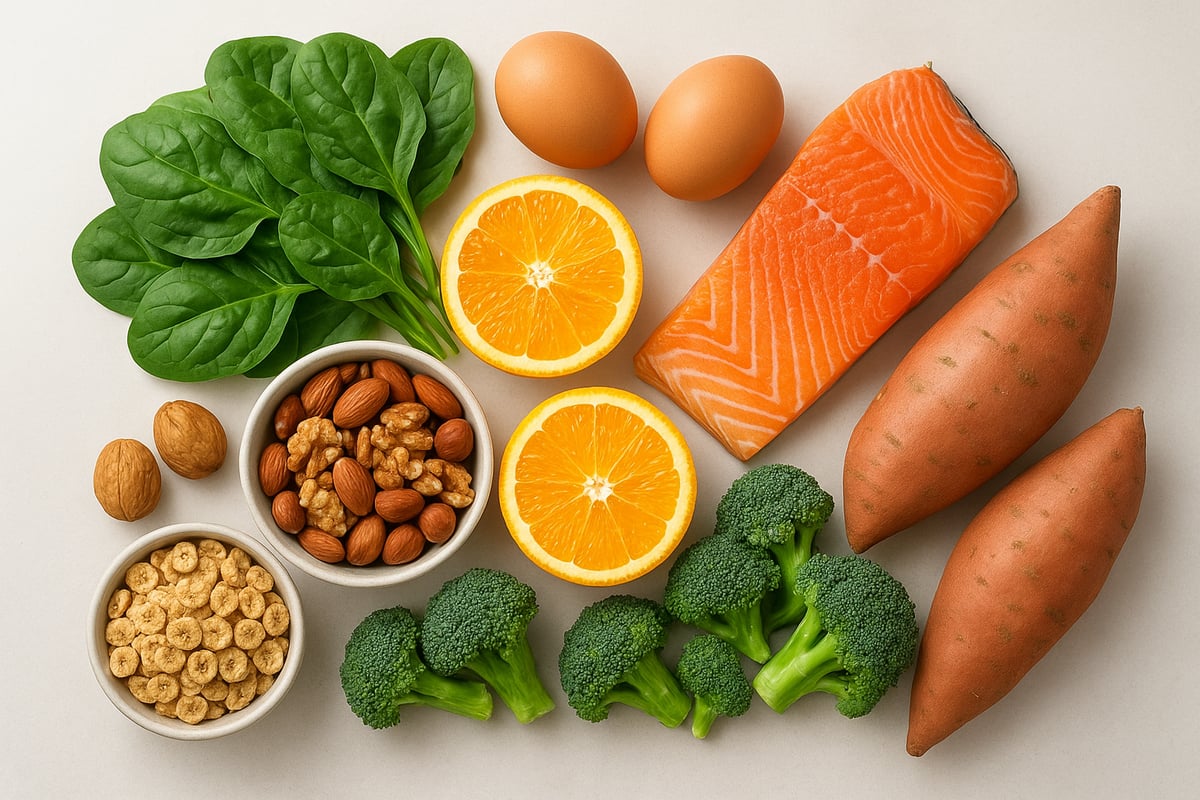
Biotin (Vitamin B7)
Biotin is often at the top of the list when discussing hair vitamins for hair loss. This B vitamin is crucial for the production of keratin, a protein that forms the structure of hair. While true biotin deficiency is rare, it can result in thinning and brittle hair, especially in people with certain diets or medical conditions.
You can find biotin in eggs, nuts, seeds, and whole grains. Most hair supplements contain much higher doses than the recommended dietary allowance, but only 30 mcg daily is needed for adults. For most, a balanced diet provides enough biotin, making additional supplementation unnecessary unless a deficiency is confirmed.
Vitamin D
Vitamin D plays a central role in regulating hair follicle cycling and supporting new hair growth. Deficiency in vitamin D is increasingly recognized as a contributor to several types of hair loss, including alopecia. Many adults, particularly in regions with limited sunlight, have low vitamin D levels, making it one of the most important hair vitamins for hair loss.
Sources include sunlight, fatty fish, and fortified foods. Research shows that correcting a deficiency through supplementation can promote regrowth in cases of deficiency-driven hair loss. Blood tests are recommended to assess your levels before starting supplements.
Vitamin A
Vitamin A is essential for cell growth and the production of sebum, which keeps the scalp hydrated. Both low and excessive vitamin A intake can disrupt the hair cycle and cause shedding. Natural sources include carrots, spinach, sweet potatoes, and animal liver.
The recommended daily allowance is 700–900 mcg RAE. It is vital to avoid large doses, as excess vitamin A (over 10,000 IU per day) may actually trigger hair loss instead of preventing it. Balanced intake is key for anyone considering hair vitamins for hair loss.
Vitamin C
Vitamin C acts as a powerful antioxidant, protecting hair follicles from oxidative stress. It also boosts collagen production and helps the body absorb iron, another critical nutrient for hair growth. Deficiency can lead to weak, brittle hair and, in severe cases, corkscrew-shaped strands.
Citrus fruits, berries, and peppers are excellent sources of vitamin C. Including these foods in your daily diet supports the effectiveness of hair vitamins for hair loss and overall scalp health.
Vitamin E
Vitamin E is another antioxidant that shields the scalp from environmental damage. It helps maintain healthy hair follicles and has been shown in studies to increase hair count in individuals with certain types of alopecia.
Nuts, seeds, and vegetable oils offer natural vitamin E. Supplementation may be beneficial for those with deficiencies, but as with all hair vitamins for hair loss, moderation is important to avoid unwanted side effects.
Folic Acid (Vitamin B9)
Folic acid supports the production of keratin and aids in the formation of healthy hair shafts. Deficiency can lead to thinning hair, particularly in pregnant women, individuals with malabsorption issues, or those with high alcohol intake.
Good dietary sources include leafy greens, beans, and fortified grains. For those seeking a holistic approach to addressing hair vitamins for hair loss, a well-rounded diet rich in folic acid can make a significant difference.
For a curated selection of supplements addressing these essential nutrients, explore the Vitamins and Supplements Collection for options tailored to support hair health and prevent common deficiencies.
Essential Minerals for Hair Health
Minerals are fundamental building blocks for strong, vibrant hair. While many focus on hair vitamins for hair loss, mineral deficiencies are just as likely to disrupt the hair growth cycle. Understanding which minerals matter most can help fill nutritional gaps and support healthier hair from within.
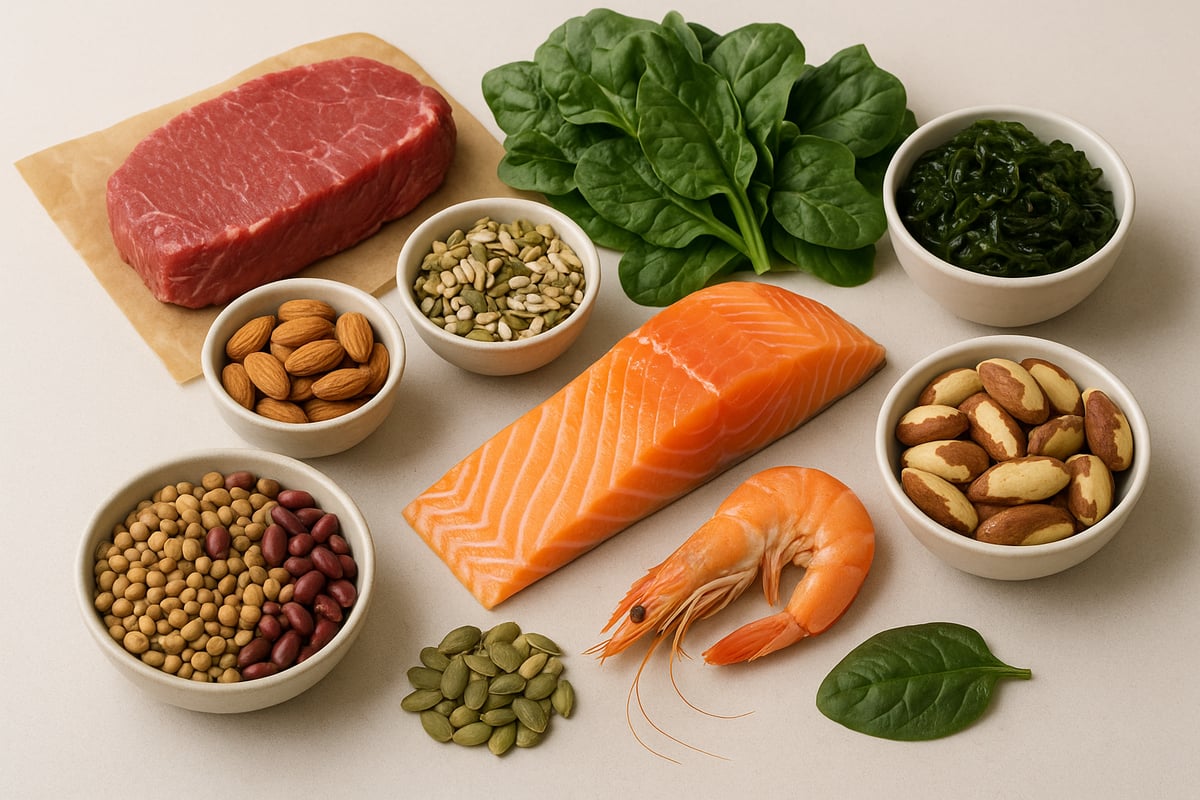
Iron
Iron is one of the most critical minerals for hair growth. It delivers oxygen to hair follicles, supporting cellular energy and healthy growth cycles. Among those exploring hair vitamins for hair loss, iron deficiency is a leading cause of thinning, especially in women.
Common symptoms include:
- Excessive shedding
- Brittle, thinning hair
- Weak nails
Dietary sources are abundant:
- Red meat
- Spinach and leafy greens
- Lentils and beans
The recommended daily allowance (RDA) is 8 mg for men and postmenopausal women, and 18 mg for premenopausal women. Addressing iron deficiency can make a noticeable difference for those struggling with hair loss.
Zinc
Zinc supports DNA synthesis and maintains follicle structure. Deficiency is often linked to patchy hair loss and delayed hair regrowth. When considering hair vitamins for hair loss, ensuring adequate zinc intake is essential.
Key sources include:
- Oysters and shellfish
- Beef
- Nuts and whole grains
The RDA is 8 mg for women and 11 mg for men. Zinc imbalances, whether too low or too high, can negatively affect hair. Balanced intake is crucial for optimal results.
Magnesium
Magnesium plays a role in protein synthesis, cell division, and keratin production. While its direct effect on hair is less studied than other minerals, some individuals with unexplained hair loss may benefit from reviewing their magnesium status as part of their hair vitamins for hair loss regimen.
Magnesium-rich foods:
- Pumpkin seeds
- Almonds
- Leafy greens
- Beans
Symptoms of deficiency are subtle but may include muscle cramps, fatigue, and brittle hair. Meeting daily needs through diet is usually sufficient for most people.
Selenium
Selenium is a trace mineral vital for antioxidant protection and thyroid function, both of which influence hair growth. In the context of hair vitamins for hair loss, selenium deficiency is rare but can occur in cases of malnutrition or after certain medical treatments.
Top sources:
- Brazil nuts (very high content)
- Seafood
- Eggs
Adults need about 55 mcg per day. Over-supplementation should be avoided, as excess selenium can cause hair shedding and other health problems.
Omega-3 Fatty Acids
Although not a mineral, omega-3 fatty acids are indispensable for scalp health and follicle nourishment. They reduce inflammation and support circulation, which are crucial for anyone using hair vitamins for hair loss. Research shows that omega-3 supplementation can improve hair density and shine, especially in women.
Excellent sources include:
- Fatty fish (salmon, sardines)
- Flaxseed and chia seeds
- Walnuts
For those seeking a plant-based option, Omega-3 Fatty Acids for Hair supplements offer a convenient way to support hair health and overall wellness.
Mineral Sources and Recommendations Table
| Mineral | RDA (Adults) | Top Sources |
|---|---|---|
| Iron | 8–18 mg | Red meat, spinach, legumes |
| Zinc | 8–11 mg | Oysters, beef, nuts |
| Magnesium | 310–420 mg | Seeds, nuts, leafy greens |
| Selenium | 55 mcg | Brazil nuts, seafood, eggs |
| Omega-3 Fatty Acids | 250–500 mg (EPA+DHA) | Fatty fish, flaxseed, walnuts |
Focusing on these essential minerals, alongside targeted hair vitamins for hair loss, can help you build a solid foundation for healthier, fuller hair. Regular dietary intake is best, but supplements may be needed for those with diagnosed deficiencies.
Choosing the Right Hair Vitamin Supplements in 2025
Selecting the best hair vitamins for hair loss requires thoughtful evaluation of your unique needs and a careful approach to supplementation. With so many options on the market in 2025, understanding when and how to supplement is key to supporting healthy hair growth.
Assessing Your Needs: When to Supplement
Not everyone needs hair vitamins for hair loss, but certain signs suggest supplementation may help. Persistent shedding, brittle strands, or a recent diagnosis of nutrient deficiencies are strong indicators.
Blood tests and a thorough medical evaluation are essential before starting any supplement routine. Some groups are at higher risk for deficiencies, including vegans, vegetarians, pregnant women, and those with digestive disorders. For most people, a healthy, balanced diet can provide sufficient nutrients to maintain hair health.
If you notice sudden changes in your hair, consult a healthcare provider to rule out underlying medical issues before turning to hair vitamins for hair loss.
What to Look for in Hair Vitamin Supplements
When reviewing hair vitamins for hair loss, prioritize products with clinically supported ingredients. Look for biotin, vitamin D, iron, zinc, folic acid, vitamin C, and vitamin E in appropriate dosages that meet but do not exceed daily recommendations.
Check for clear labeling and avoid supplements with artificial additives or unnecessary fillers. Whole-food, plant-based formulations are often easier to digest and may improve absorption.
For evidence-based supplementation, review EFSA Approved Health Claims to ensure the vitamins and minerals you choose have scientifically validated benefits for hair health.
Essential Life: Plant-Based Supplements for Hair Wellness
Essential Life stands out in the hair vitamins for hair loss market with its vegan, whole-food supplements designed for optimal absorption and gentle digestion. Their products avoid fillers and harsh chemicals, focusing on clean, plant-based ingredients.

These supplements are ideal for individuals with sensitivities or those seeking a holistic approach to hair, skin, and overall wellness. Essential Life also uses eco-friendly packaging and relies on evidence-based formulations for maximum benefit.
Avoiding Common Pitfalls
It is easy to be tempted by expensive “miracle” blends that promise instant results, but most lack clinical support. Over-supplementing with hair vitamins for hair loss can lead to health risks, such as vitamin A toxicity, zinc-induced copper deficiency, or iron overload.
Always read supplement labels carefully and consult with a healthcare professional before starting a new regimen. Making informed choices will help you avoid unnecessary risks and support healthy hair in the long term.
What Results to Expect: Timeline and Outcomes
Hair regrowth with hair vitamins for hair loss requires time and a realistic understanding of what to expect. Unlike quick fixes, nutrient-based changes impact your hair gradually. The process is not instant, but consistent supplementation can support healthier, fuller hair when deficiencies are addressed.
Realistic Expectations for Hair Regrowth
Hair grows at an average rate of about 1 mm per day. Visible improvements from hair vitamins for hair loss often require patience, with most people noticing changes only after 3 to 6 months of consistent use. This timeframe allows new hair to cycle through natural growth phases and for follicles to respond to improved nutrition.
- Initial changes: Reduced shedding or less breakage may appear within the first month.
- Noticeable thickening: Most users see fuller hair between 12 and 24 weeks.
- Peak regrowth: Some studies, such as those highlighted in Hair restoration trends and data, report increased hair density after 90 days of targeted supplementation.
Results from hair vitamins for hair loss are most significant when a deficiency is the underlying cause. If genetics or hormones are primarily responsible, benefits may be less dramatic, but overall hair quality can still improve.
Factors Affecting Results
Several variables shape how well hair vitamins for hair loss work for you. Personal biology and lifestyle choices play a substantial role in outcomes.
- Age and genetics: Younger individuals or those with less hereditary loss may respond faster.
- Hormonal health: Imbalances can delay or limit regrowth, even with supplementation.
- Nutrition and diet: A balanced, nutrient-rich diet enhances results from hair vitamins for hair loss.
- Consistency: Daily supplementation and adherence to a healthy routine are essential.
- Combination therapies: Using vitamins alongside treatments like minoxidil, PRP, or professional therapies can amplify results.
- For deeper insight, AI insights on hair loss trends reveal how patterns and contributing factors may affect individual progress and expectations.
Monitoring Progress and Making Adjustments
Tracking your response to hair vitamins for hair loss is crucial for understanding their effectiveness. Use progress photos, measure hair density, and keep a journal of changes every few months.
If you experience rapid or patchy hair loss, scalp irritation, or see no improvement after six months, consult a dermatologist. Blood work or professional input may help identify persistent deficiencies or underlying medical issues. Adjust your supplement regimen based on lab results and expert advice, always prioritizing safe, evidence-based approaches for hair health.
Expert Tips for Healthy Hair Maintenance in 2025
Maintaining vibrant, resilient hair in 2025 requires a blend of science-backed nutrition, mindful haircare, and timely professional support. The right approach combines daily habits with targeted solutions, especially when addressing hair vitamins for hair loss.
Nutrition and Lifestyle Strategies
A balanced diet remains the cornerstone for healthy hair. Focus on a Mediterranean-style approach—rich in unsaturated fats, antioxidants, and fiber. Prioritize foods like avocados, nuts, seeds, leafy greens, and whole grains to supply essential nutrients for hair growth.
Protein supports keratin structure, while vitamins and minerals such as iron, zinc, and folic acid help maintain scalp and follicle health. Remember, dehydration can weaken hair, so drinking enough water each day is crucial. Avoid crash diets, as rapid weight loss may trigger temporary hair shedding.
For those seeking additional support, Multivitamins for Optimal Health can complement your routine by bridging nutritional gaps and supporting hair vitamins for hair loss needs. Limit processed foods and added sugars to reduce inflammation and promote scalp wellness.
Best Haircare Practices
Gentle daily care helps protect new hair growth. Use mild shampoos and conditioners that suit your scalp type. When detangling, start from the ends and work upward to avoid breakage.
Limit heat styling tools, as high temperatures can weaken hair shafts and worsen thinning. Opt for protective hairstyles and avoid tight ponytails or braids that pull on roots. Regular scalp massages boost blood flow and may enhance the effectiveness of hair vitamins for hair loss.
Minimize chemical treatments and bleaching, which can strip hair of natural oils and cause long-term damage. A consistent, gentle haircare routine supports both immediate and long-term hair health.
When to Seek Professional Help
Sometimes, lifestyle changes and hair vitamins for hair loss are not enough. If you notice sudden, patchy, or excessive hair loss, consult a dermatologist promptly. Medical evaluation is essential when hair loss is accompanied by scalp irritation, redness, or other systemic symptoms.
A dermatologist can identify underlying conditions such as alopecia areata, telogen effluvium, or nutritional deficiencies. Professional treatments may include topical therapies, prescription medications, or advanced options like PRP and laser therapy.
Combining targeted supplementation with expert guidance ensures you address both the symptoms and root causes of hair loss, leading to the best possible results.
As you explore the science behind hair vitamins and how the right nutrients can support stronger, fuller hair, remember that what you put into your body matters just as much as your daily routine. With so many options available, choosing clean, plant-based supplements rooted in nature’s purest ingredients is a powerful step toward lasting results. If you’re ready to nourish your body with evidence-based support for healthy hair, skin, and overall wellness, I invite you to take the next step toward a more balanced, vibrant you.
Your body deserves better choose clean supplements that work