

Top 8 Immunity Vitamins to Boost Your Health in 2025
In a world where health concerns are rapidly evolving, building strong defenses is more important than ever. Immunity vitamins are your first line of protection in 2025, offering proven support against daily threats.
This expert-backed guide reveals the top eight immunity vitamins, explaining how each works, where to find them, and the best ways to include them in your routine. You will discover the science behind immune health, practical tips for daily nutrition, and answers to your most common questions.
Prepare to enhance your resilience and thrive year-round with the latest research and actionable advice.
The Science Behind Immunity and Vitamins
In the rapidly changing world of health, understanding how your immune system works is more important than ever. Immunity vitamins play a vital role in keeping your body’s natural defenses strong, but how do they work, and why are they so essential? Let’s break down the science behind immune health and see why getting the right nutrients every day is critical for resilience in 2025.

Understanding Your Immune System
Your immune system is your body’s defense network, keeping you safe from viruses, bacteria, and environmental threats. It consists of two main parts: innate immunity, which acts as the first barrier, and adaptive immunity, which learns and responds to new invaders. White blood cells, T-cells, and antibodies form the backbone of these defenses, working together to identify and eliminate pathogens.
When your diet lacks key nutrients, especially immunity vitamins, your immune response can become sluggish or weak. Deficiencies make you more vulnerable to infections and slow recovery. Everyday stressors, pollution, and seasonal bugs further challenge your immunity, making daily nutrition essential for robust health.
How Vitamins Influence Immune Health
Vitamins are crucial micronutrients, acting as cofactors in countless immune processes. Many immunity vitamins have powerful antioxidant properties, helping reduce inflammation and protect cells from damage. They support the production, signaling, and repair of immune cells, ensuring your defenses function at their best.
Recent studies from 2023 to 2025 highlight that people with adequate levels of vitamins like D, C, A, and zinc experience lower infection rates and milder symptoms. The benefits are often greater when these nutrients are combined, rather than taken in isolation. For a deeper dive into how specific vitamins impact immune function and reduce risk of infections, see this systematic review on vitamins and COVID-19 risk reduction.
Trends in Immunity Nutrition for 2025
In 2025, there is a noticeable shift toward preventive health and natural approaches. More consumers are seeking whole-food, plant-based supplements, and paying close attention to how well nutrients are absorbed. The global supplement market for immunity vitamins continues to grow, with sales of products like vitamin D, C, and elderberry on the rise.
Dietary guidelines are evolving, reflecting new research on immune support. Global events, such as recent pandemics, have heightened awareness about the importance of a strong immune system. However, experts warn against over-supplementation and misinformation, urging people to prioritize balanced nutrition and evidence-based choices for optimal immune health.
Top 8 Immunity Vitamins to Boost Your Health in 2025
Supporting your health with the right immunity vitamins is more important than ever as we move into 2025. Scientific research highlights the essential role these vitamins play in protecting against infections and maintaining a resilient immune response. Let’s explore the top eight vitamins and nutrients that will help keep your body strong year-round.
1. Vitamin D: The Sunshine Immunity Booster
Vitamin D stands out among immunity vitamins for its direct impact on activating T-cells, which are crucial in identifying and destroying pathogens. Deficiency in vitamin D has been associated with higher rates of respiratory infections, as reported by the Cleveland Clinic.
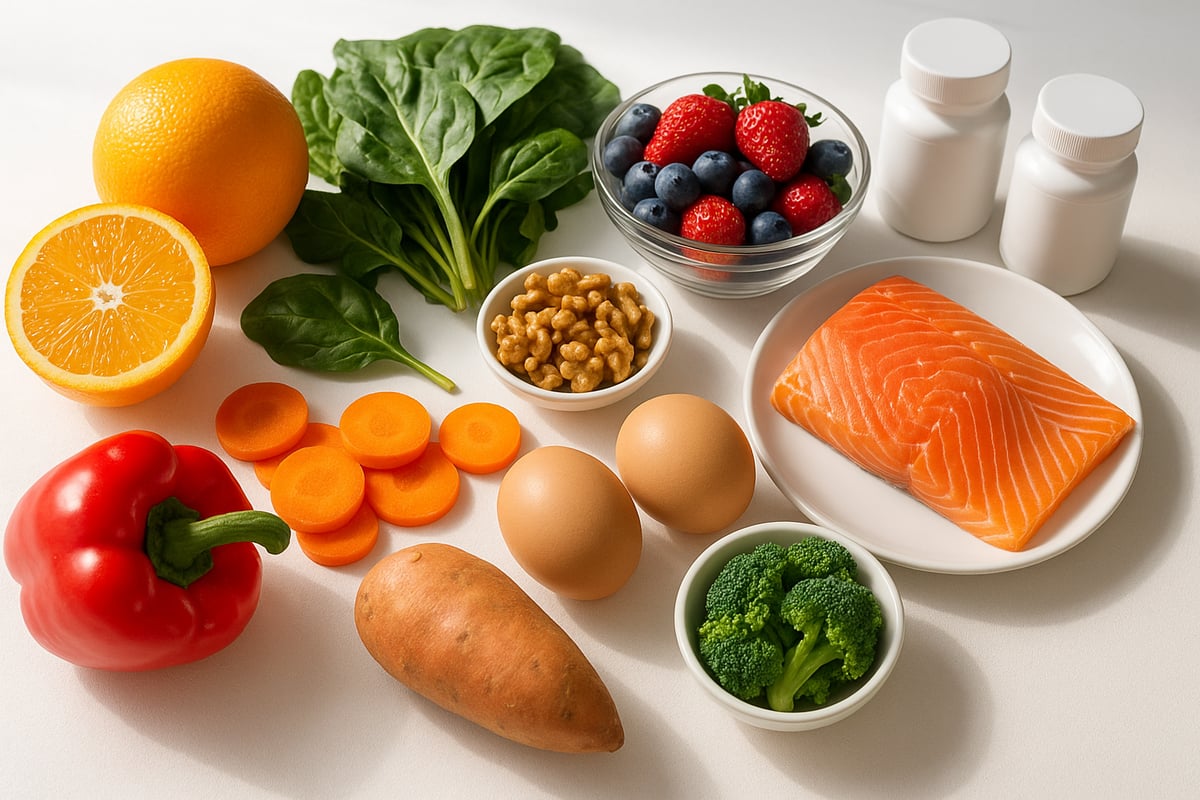
The main sources include sunlight, fatty fish like salmon and mackerel, fortified dairy or plant-based alternatives, and supplements. In 2025, guidelines recommend brief, safe sun exposure—about 10 to 30 minutes several times a week, depending on skin type and location.
Up to 42 percent of Americans are estimated to be vitamin D deficient. Elderly individuals and those with limited sun exposure benefit most from supplementing this key nutrient. For optimal immune support, consider a daily routine that combines dietary sources with responsible supplementation. Immunity vitamins like vitamin D are foundational to health.
2. Vitamin C: The Classic Antioxidant Defender
Vitamin C is one of the most widely recognized immunity vitamins, known for its potent antioxidant properties. It helps neutralize free radicals and supports the production and function of white blood cells, which are the body’s first line of defense.
Clinical evidence shows that vitamin C can reduce the duration and severity of colds, according to research cited by the Cleveland Clinic. Citrus fruits, bell peppers, kale, and strawberries are excellent sources. Because vitamin C is water-soluble, it’s important to consume it daily.
Immunity vitamins such as vitamin C are popular in products like Emergen-C. While beneficial, megadoses can cause gastrointestinal discomfort, so stick to recommended amounts. Including a variety of fruits and vegetables in your diet ensures steady intake.
3. Zinc: The Immune System Gatekeeper
Zinc is a standout among immunity vitamins due to its critical role in immune cell development and communication. Clinical studies confirm that zinc deficiency impairs immune response, making the body more susceptible to illness.
Top food sources include oysters, lean meats, pumpkin seeds, and fortified cereals. Zinc lozenges have been shown to shorten the duration of the common cold. Bioavailability is higher in animal-based foods, but plant sources can be effective for vegetarians when consumed with vitamin C.
Populations at risk for deficiency include older adults and those following plant-based diets. Safe dosage is essential, as excessive intake may lead to toxicity. For more on supplement choices, see Top Supplements for Immune Health. Prioritize zinc among your immunity vitamins for reliable defense.
4. Vitamin A: The Mucosal Shield
Vitamin A is essential among immunity vitamins because it supports the health of mucous membranes lining the lungs, gut, and urinary tract. These barriers are your body’s first defense against pathogens. Vitamin A also enhances white blood cell function, helping resist infections.
Rich sources include sweet potatoes, carrots, spinach, eggs, and dairy products. This vitamin plays a direct role in modulating immune responses and reducing inflammation. Recent studies highlight its importance in respiratory health.
Excessive supplementation can be toxic, so rely on food sources when possible. Children and pregnant women require particular attention to vitamin A intake. Including a variety of colorful vegetables ensures you meet your immunity vitamins needs.
5. Vitamin E: The Cellular Protector
Vitamin E is another vital player in the family of immunity vitamins. It acts as a powerful antioxidant, safeguarding cell membranes from oxidative damage. This nutrient enhances T-cell function and improves immune signaling, making it crucial for fighting infections.
Key sources of vitamin E include sunflower seeds, almonds, avocados, and broccoli. Evidence links dietary vitamin E to lower infection rates, particularly in older adults. However, supplement overuse may be harmful, according to the Cleveland Clinic.
Whole foods are the best way to obtain vitamin E. This approach reduces the risk of excessive intake and ensures a balance with other immunity vitamins. People of all ages can benefit, especially those seeking to maintain robust cellular health.
6. Vitamin B6: The Immune Response Regulator
Vitamin B6 is fundamental among immunity vitamins for its role in producing antibodies and T-cells. Research shows that deficiency can weaken immune defenses and impair the body's ability to respond to threats.
Food sources include chickpeas, salmon, tuna, beef, and tofu. Vitamin B6 is also vital for protein metabolism and neurotransmitter synthesis, supporting overall health. Individuals with chronic illnesses may have increased requirements.
Supplementation of vitamin B6 has been shown to improve immune markers in elderly populations. Safe intake levels should be followed to avoid adverse effects. Including B6-rich foods ensures your daily intake of immunity vitamins is adequate.
7. Selenium: The Immune Modulator
Selenium deserves a spot among immunity vitamins due to its dual action: activating immune cells while regulating inflammation. This trace mineral stimulates the body’s defenses yet prevents overreactions that can lead to autoimmune problems.
Top sources are Brazil nuts, tuna, halibut, and cottage cheese. Studies reveal that selenium deficiency is linked to increased viral susceptibility, making it crucial during infection-prone seasons. Selenium also works in synergy with vitamin E for antioxidant protection.
Caution is necessary, as high intake can cause toxicity. Individuals in low-selenium regions are at greater risk for deficiency. Including selenium as part of your immunity vitamins strategy supports a balanced and responsive immune system.
8. Elderberry: The Herbal Immunity Ally
Elderberry rounds out the list of top immunity vitamins with its rich supply of flavonoids and anthocyanins, which have demonstrated antiviral properties. Traditionally used for cold and flu prevention, elderberry has gained popularity in 2025 for its effectiveness.
Clinical studies suggest elderberry may reduce the duration and severity of respiratory infections. It is available in syrups, gummies, and capsules, making it easy to add to your routine. Elderberry is now a key ingredient in many immune support blends.
Most adults can safely incorporate elderberry, but caution is advised for children and pregnant women. Including elderberry among your immunity vitamins can provide an extra layer of natural defense.
How to Get Enough Immunity Vitamins: Food vs. Supplements
Supporting your body with the right immunity vitamins is essential for maintaining strong defenses year-round. The best approach combines nutrient-rich foods with smart supplementation, tailored to your needs and lifestyle.
Food Sources: The Foundation of Immune Nutrition
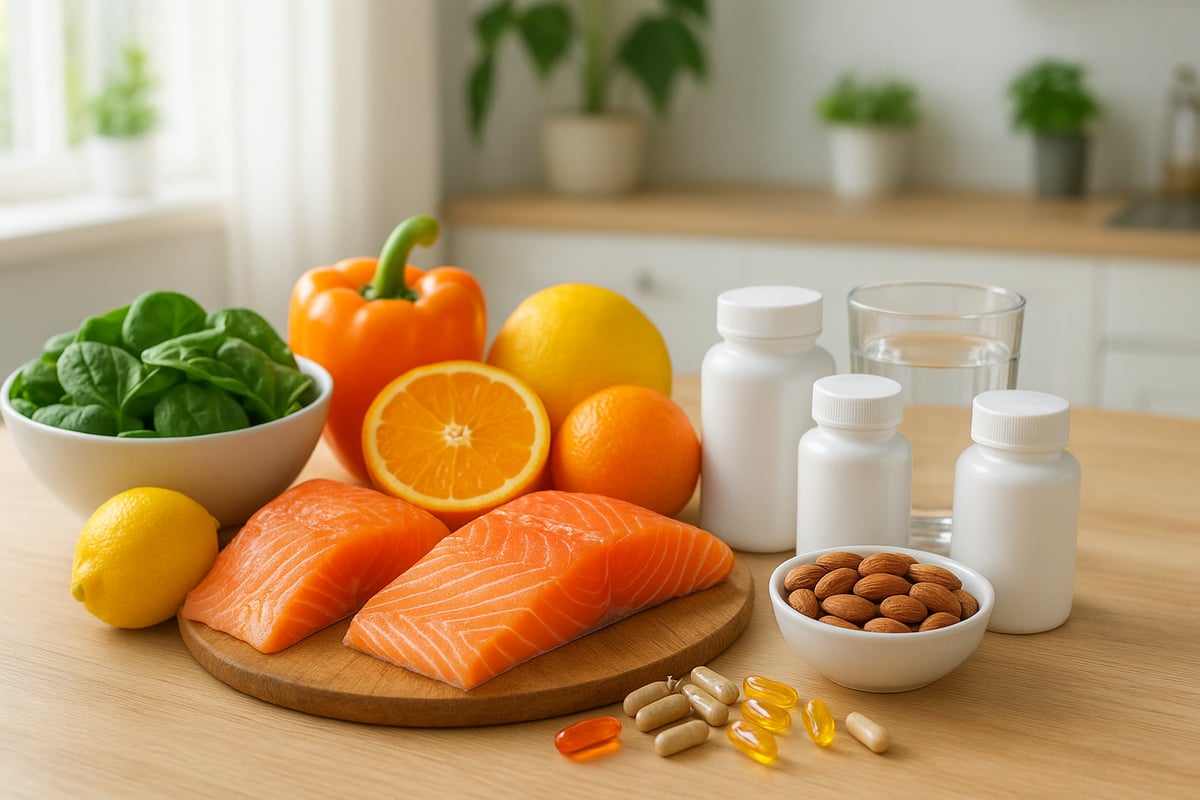
Whole foods are the cornerstone of immune health, offering a natural blend of immunity vitamins, minerals, and antioxidants. These nutrients work together for better absorption and effectiveness.
Consider these meal ideas to boost your daily intake:
- Grilled salmon with sautéed spinach and roasted sweet potatoes
- Fresh citrus salad with kale, red bell peppers, and sunflower seeds
- Greek yogurt parfait with berries and a sprinkle of pumpkin seeds
Seasonal produce ensures you get a variety of immunity vitamins throughout the year. To retain the most nutrients, steam or roast vegetables lightly instead of boiling them. If you follow a vegan, gluten-free, or other restricted diet, select foods rich in the vitamins your body needs.
For more inspiration on combining food and supplements, explore this guide on Foods and Supplements for Immunity.
Supplements: When and How to Use Them Safely
Supplements can help bridge nutritional gaps, especially if you have a diagnosed deficiency, restricted diet, or certain health conditions. They come in various forms, such as tablets, gummies, liquids, and whole-food-based capsules.
When choosing supplements for immunity vitamins, look for:
- Third-party testing and transparent ingredient lists
- Dosages appropriate for your age and needs
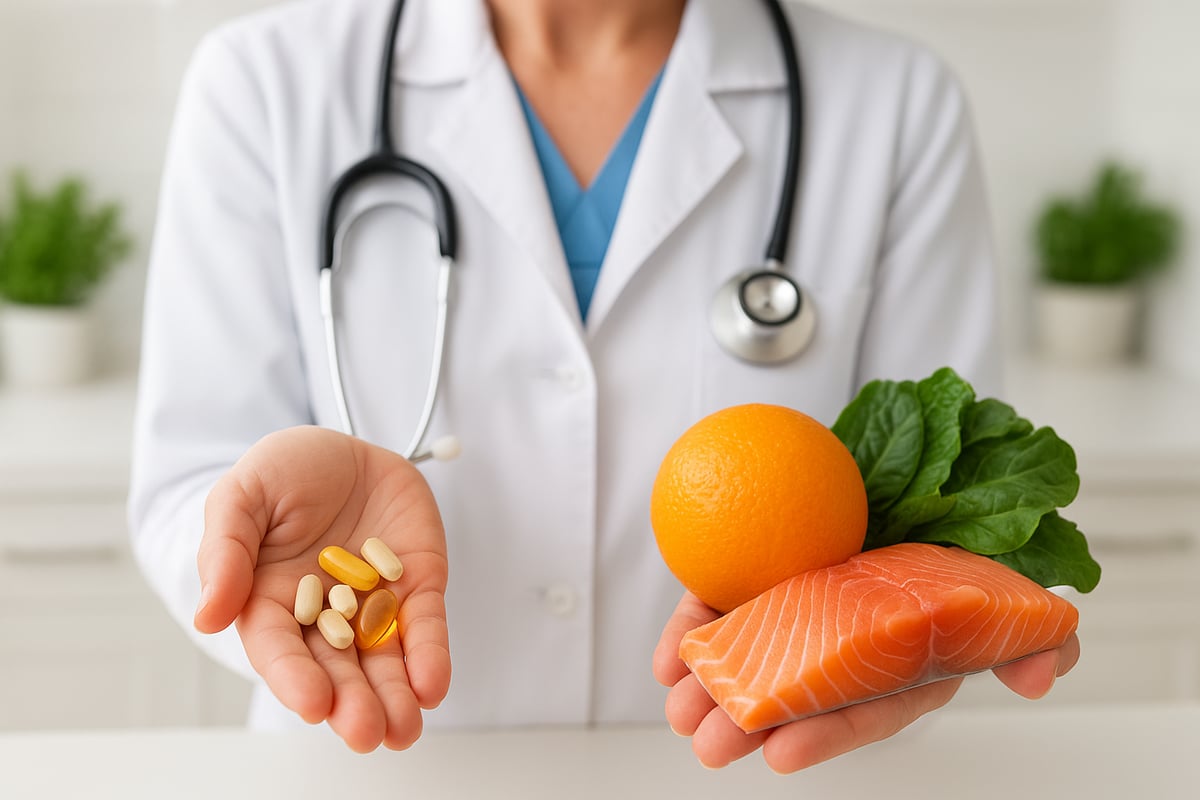
- Advice from a healthcare professional before starting new products
Be cautious of overdosing, as excessive intake can cause side effects or interact with medications. Not all supplements are created equal, so quality matters for both safety and effectiveness.
Remember, supplements are not a replacement for a balanced diet. Instead, they should complement your whole food intake to help maintain optimal immune function.
Navigating 2025’s Immunity Supplement Market
The supplement market in 2025 is rapidly evolving, with plant-based, vegan, and organic options gaining popularity. Consumers are seeking products that are clean, transparent, and aligned with their values.
Look for innovations such as multi-vitamin immunity blends and advanced elderberry complexes. Always read labels for ingredient quality and certifications. According to recent trends, more people are prioritizing sustainability and bioavailability in their immunity vitamins.
For a deeper dive into choosing high-quality supplements, check out the Vegan, Organic, and Natural Supplements Guide.
Stay informed and cautious—avoid products with exaggerated claims or unclear sourcing. With a thoughtful approach, you can confidently support your immune system all year long.
Frequently Asked Questions About Immunity Vitamins
Common Concerns and Expert Answers
Many people wonder if you can over-boost your immune system with immunity vitamins. The answer is that while a strong immune system is essential, excessive supplementation can sometimes cause harm, including triggering unwanted immune responses.
Immunity vitamins are generally safe for children and pregnant women when taken within recommended amounts. However, it is always best to consult a healthcare provider for personalized advice. Most people notice benefits, such as fewer colds or faster recovery, after consistent use for several weeks.
Signs of vitamin overdose include nausea, headaches, and digestive upset. Always follow guidelines for safe intake. Curious if multivitamins are as effective as single supplements? Research shows that a balanced multivitamin can help fill dietary gaps. For more insights, see Essential Vitamins and Multivitamins.
Myths and Facts About Immunity Nutrition
There are many myths about immunity vitamins. One common misconception is that mega-dosing or quick fixes can instantly strengthen your defenses. In reality, no single vitamin replaces a balanced approach.
Food sources are often more effective than supplements due to better absorption and nutrient synergy. Lifestyle choices like sleep, stress management, and regular exercise play a huge role in supporting immune health alongside immunity vitamins.
Consistent, balanced intake is key for long-term benefits. Trust reliable resources and seek professional advice to avoid falling for immunity nutrition myths.
After exploring the top immunity vitamins for 2025 and understanding how each one supports your body’s natural defenses, you’re equipped to make informed choices about your health. Remember, true wellness isn’t about chasing trends—it’s about nourishing your body with clean, effective nutrition that fits your lifestyle. If you’re ready to support your immune system with pure, plant-based supplements designed for real results, you don’t have to compromise. Your body deserves better choose clean supplements that work. Your body deserves better choose clean supplements that work