

Iron Supplement for Pregnancy Guide: Essential Tips for 2025
Every year, millions of expectant mothers around the globe face the serious challenge of iron deficiency, placing both their own health and their baby's development at risk. Navigating the options for an effective iron supplement for pregnancy can feel overwhelming, especially with constantly evolving guidelines and product choices. This guide delivers the essential, up-to-date strategies you need for choosing and using an iron supplement for pregnancy in 2025. Discover why iron is vital, how much you need, the safest ways to supplement, and expert-backed solutions to support a healthy pregnancy from start to finish.
Why Iron Is Crucial During Pregnancy
Iron is a foundational nutrient during pregnancy, directly influencing both maternal well-being and a baby’s healthy development. Using the right iron supplement for pregnancy can help bridge nutritional gaps, supporting these vital processes.
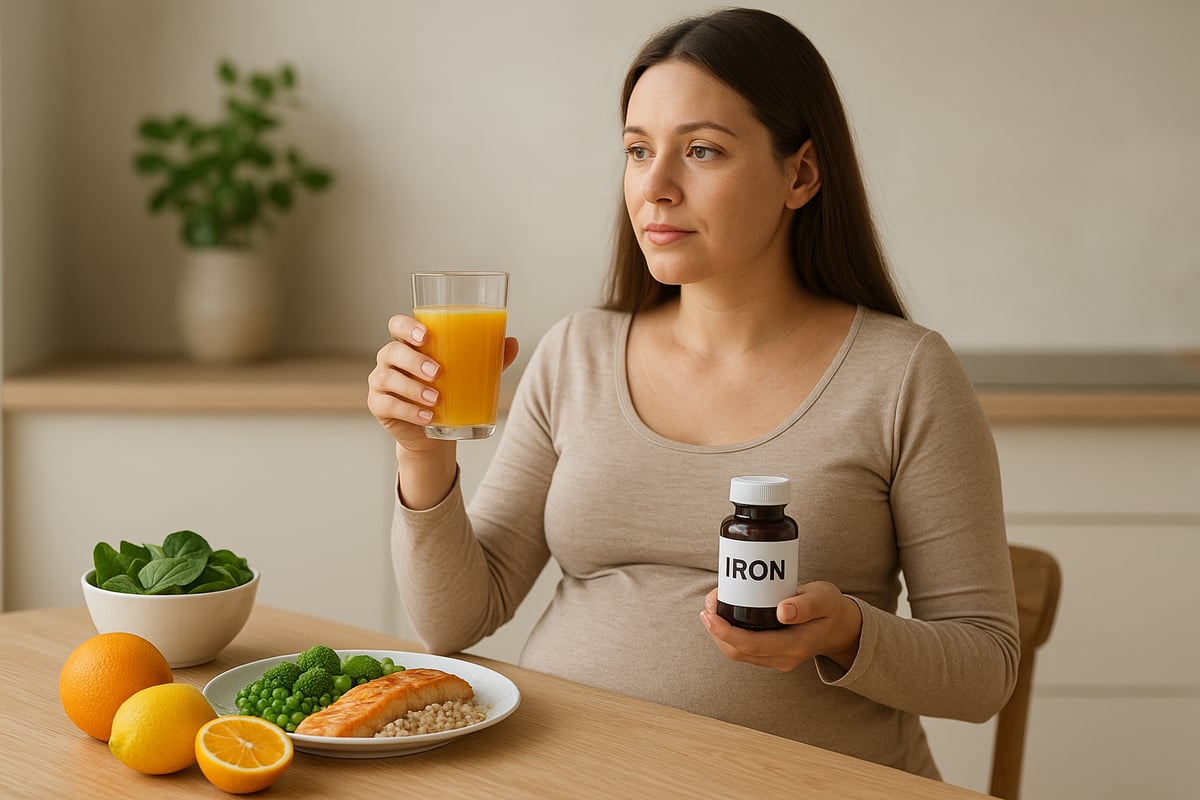
The Role of Iron in Maternal and Fetal Health
Iron is essential for carrying oxygen throughout the body, as it forms the core of hemoglobin in red blood cells. During pregnancy, this function is even more critical, as both mother and baby require a steady supply of oxygen for optimal health. Adequate iron supports the development of the fetal brain and nervous system, laying the foundation for cognitive growth.
Iron also plays a key role in the immune system, helping both mother and baby fight off infections. It is necessary for producing enzymes and collagen, which are vital for tissue growth and repair. Without enough iron, the risk of maternal fatigue, dizziness, and weakened immunity increases.
Data shows that non-pregnant women need about 18 mg of iron daily, while pregnant women require 27 mg per day. Deficiency can lead to severe outcomes, such as preterm birth, low birth weight, and even infant mortality. According to the World Health Organization, up to 52% of pregnant women worldwide develop anemia, often due to insufficient iron intake.
Using an iron supplement for pregnancy ensures these essential needs are met, safeguarding both mother and child during this crucial time.
Increased Iron Needs in Pregnancy
Pregnancy triggers significant physiological changes that heighten the demand for iron. Blood volume increases by nearly 50%, and the placenta draws additional resources to nurture the growing baby. As a result, iron requirements peak during the second and third trimesters, making it difficult for many women to meet these needs through food alone.
A woman’s daily iron requirement rises from 18 mg before pregnancy to 27 mg once pregnant. For those carrying multiples or with pre-existing anemia, the need can be even greater. This makes the use of an iron supplement for pregnancy a common recommendation among healthcare professionals.
| Iron Intake Recommendations | Non-Pregnant Women | Pregnant Women |
|---|---|---|
| Daily Requirement | 18 mg | 27 mg |
| Risk of Anemia | Moderate | High (52%) |
| Common Outcomes of Deficiency | Fatigue, dizziness | Preterm birth, low birth weight, infant mortality |
Relying solely on diet may not provide enough iron, especially as absorption can be affected by other nutrients or digestive changes. For the most current and expert-backed recommendations, see the Consensus Statement on Iron Optimization in Pregnancy.
Selecting the right iron supplement for pregnancy, with medical guidance, is vital to meet these heightened demands and ensure the best possible outcomes for both mother and baby.
How Much Iron Do You Need?
Pregnancy brings unique nutritional demands, and one of the most important is meeting your iron needs. Choosing the right iron supplement for pregnancy ensures both mother and baby stay healthy. Understanding how much iron is needed, and the risks of taking too much, helps you make informed decisions.
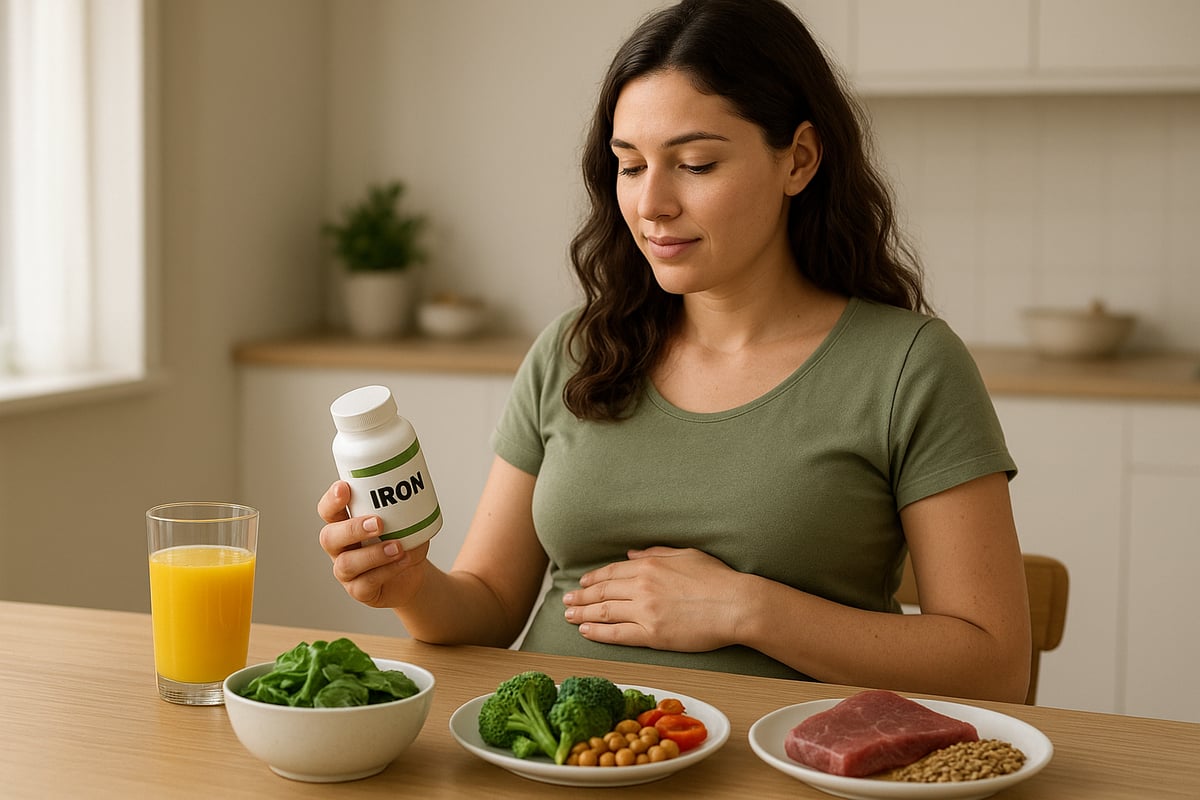
Recommended Daily Intake for Pregnancy
Health authorities worldwide emphasize the importance of meeting daily iron requirements during pregnancy. The Centers for Disease Control and Prevention (CDC), World Health Organization (WHO), and American College of Obstetricians and Gynecologists (ACOG) recommend that a pregnant woman aim for 27 mg of iron per day. Some women, such as those with twin pregnancies or pre-existing anemia, may need a higher dose, sometimes up to 30–50 mg daily, based on medical advice.
Here is a quick reference for iron intake:
| Situation | Recommended Iron (mg/day) |
|---|---|
| Non-pregnant women | 18 |
| Pregnant (singleton) | 27 |
| Pregnant (multiples/anemia) | 30–50 (as advised) |
Getting enough iron from food alone can be challenging, especially as pregnancy progresses. Many women rely on an iron supplement for pregnancy to fill the gap. Signs that you may not be getting enough iron include unusual fatigue, shortness of breath, pale skin, and frequent headaches. For the latest screening and supplementation recommendations, consult resources like the US Preventive Services Task Force Recommendation on Iron Deficiency Screening.
Risks of Too Much Iron
While meeting your daily iron needs is essential, taking more than recommended can be harmful. Iron toxicity may occur if intake exceeds 1,000 mg per day, which is far above what is found in a typical iron supplement for pregnancy. Symptoms of toxicity include severe stomach pain, nausea, diarrhea, and even organ damage in extreme cases.
Most people will only experience minor side effects, such as constipation or stomach upset, if they take more iron than needed. The body usually absorbs only what it requires, but large overdoses are dangerous. To stay safe, always follow your healthcare provider’s instructions and do not exceed the recommended dose of your iron supplement for pregnancy. Regular blood tests can help monitor your levels and prevent both deficiency and overload.
Choosing the Right Iron Supplement for Pregnancy
Selecting the ideal iron supplement for pregnancy is an important decision for your health and your baby's development. With so many options available, understanding the differences can help you make an informed choice and minimize side effects.
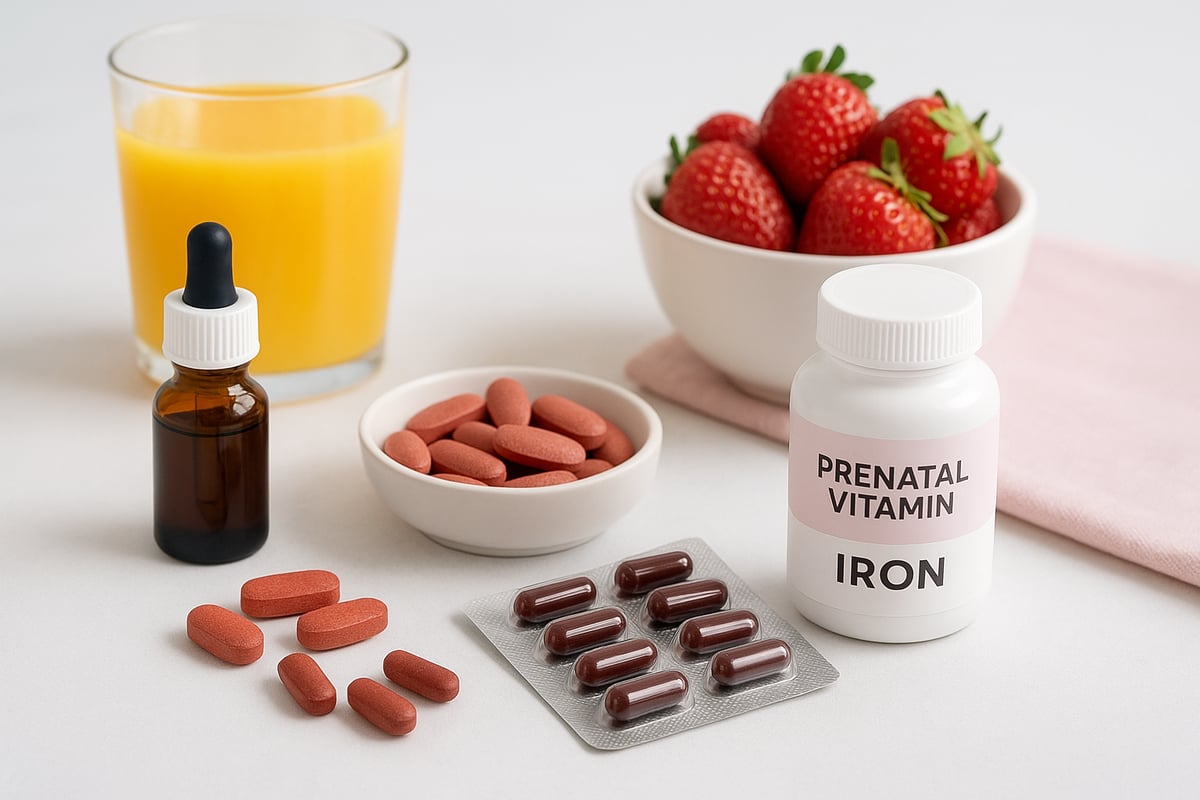
Types of Iron Supplements
When choosing an iron supplement for pregnancy, it is helpful to know the main forms available. The most common types are ferrous sulfate, ferrous fumarate, and ferrous gluconate. Each offers a different balance of absorption, elemental iron content, and side effect profile.
For example, 60 mg of elemental iron can be provided by 300 mg ferrous sulfate heptahydrate, 180 mg ferrous fumarate, or 500 mg ferrous gluconate. Some women find one type easier to digest than another, so switching forms may help if you experience discomfort.
Iron supplement for pregnancy products come in several dosage forms:
- Tablets and capsules (most common)
- Liquids (helpful for those with difficulty swallowing)
- Chewables (good for taste sensitivity)
- Slow-release tablets (may reduce stomach upset)
Here is a quick comparison:
| Supplement Type | Elemental Iron | Common Dosage Form | Notes |
|---|---|---|---|
| Ferrous Sulfate | 20% | Tablet, liquid | Most prescribed, affordable |
| Ferrous Fumarate | 33% | Tablet, chewable | Higher iron, gentle taste |
| Ferrous Gluconate | 12% | Tablet, liquid | Milder on stomach |
You can choose between single-ingredient iron supplements or multivitamin formulas. If you already take a prenatal vitamin, check its iron content before adding another iron supplement for pregnancy.
What to Look for in a Quality Supplement
Quality matters when selecting an iron supplement for pregnancy. Always look for products that are third-party tested and certified for purity and potency. Supplements that include vitamin C can enhance iron absorption and may improve effectiveness.
It is wise to avoid unnecessary fillers, artificial colors, and common allergens. Many brands now offer gluten-free, vegan, and allergen-friendly options to suit different dietary needs. For example, SlowFe provides a slow-release tablet, FerroSequels High Potency combines iron with vitamin C, and Floradix comes in both liquid and tablet forms.
If you struggle with digestive issues or want a more natural approach, consider natural food form supplements. These may be gentler on the stomach and easier to absorb for some individuals.
Before starting any new iron supplement for pregnancy, consult your healthcare provider. They can recommend the right type and dosage based on your bloodwork, trimester, and individual health needs. Choosing wisely now can support a healthy pregnancy journey.
Maximizing Iron Absorption: Diet and Lifestyle Tips
Maximizing the benefits of your iron supplement for pregnancy involves more than just taking a pill each day. The way you eat, time your supplements, and manage your daily habits can dramatically impact how much iron your body actually absorbs.
Making simple adjustments to your routine can help ensure you and your baby get the most from every dose of your iron supplement for pregnancy.

Foods That Boost Iron Absorption
Pairing your iron supplement for pregnancy with the right foods is a proven way to increase absorption. Vitamin C is especially powerful, as it transforms non-heme iron into a form that is easier for your body to use.
- Best Vitamin C-rich foods: Oranges, kiwis, strawberries, bell peppers, and tomatoes.
- Timing matters: Take your iron supplement for pregnancy on an empty stomach, ideally 1 to 2 hours before or after meals. This helps your system process the iron more efficiently.
- Avoid calcium near iron doses: Calcium can block iron uptake, so steer clear of milk, cheese, or calcium supplements when taking your iron.
A practical approach is to drink a small glass of orange juice or eat a handful of strawberries with your supplement. This simple pairing can make a noticeable difference in how well your body absorbs iron.
Foods and Habits That Inhibit Iron Absorption
Just as some foods help, others can hinder the effectiveness of your iron supplement for pregnancy. Dairy products, coffee, and tea all contain compounds that reduce iron absorption. High-fiber whole grains and legumes can also bind to iron, making it harder for your body to use.
To maximize your iron intake:
- Space out iron and dairy: Wait at least two hours between consuming dairy and your iron supplement for pregnancy.
- Limit coffee and tea: Avoid these beverages within an hour of your supplement.
- Plan meals thoughtfully: Try to eat iron-rich and iron-boosting foods at separate times from those that inhibit absorption.
Hydration and gut health are also key. A healthy digestive system helps your body absorb nutrients more effectively. For more on the connection between gut health and nutrient absorption, see the Gut health and nutrient absorption collection.
By paying close attention to these diet and lifestyle factors, you can ensure your iron supplement for pregnancy delivers the best possible results for your health and your baby’s development.
Managing Common Side Effects and Troubleshooting
Taking an iron supplement for pregnancy is essential, but it can sometimes come with uncomfortable side effects. Understanding what to expect and how to manage these reactions ensures you stay on track with your prenatal health plan. Most women can find solutions that keep them comfortable and protected.
Typical Side Effects of Iron Supplementation
If you are using an iron supplement for pregnancy, you may notice side effects such as:
- Constipation
- Nausea
- Metallic taste
- Stomach upset
These symptoms are common because iron can be tough on the digestive system. To help, consider these strategies:
- Try slow-release or enteric-coated tablets to reduce stomach irritation.
- Split your daily dose into two smaller servings.
- Take the supplement with a small snack if nausea is a problem, but avoid calcium-rich foods at the same time.
- If tablets are too harsh, switch to liquid or chewable forms for gentler absorption.
Some women find relief by increasing fluid intake and adding fiber-rich foods to their diet. It is important to monitor your body’s response and adjust your routine as needed for a smoother experience.
When to Seek Medical Advice
While most side effects from an iron supplement for pregnancy are mild, certain symptoms require prompt medical attention. Contact your healthcare provider if you experience:
- Persistent or severe stomach pain
- Vomiting or diarrhea that does not resolve
- Signs of iron overload, such as joint pain or unusual fatigue
- Allergic reactions like rash or swelling
If your anemia seems to worsen despite consistent use, further testing may be needed. Regular blood tests are essential to track your iron status and prevent both deficiency and excess. For guidance on supplement safety and efficacy, refer to EFSA approved health claims and always discuss changes with your provider.
Staying informed and proactive ensures that your iron supplement for pregnancy supports both your health and your baby’s development.
Expert Tips for Safe and Effective Supplementation in 2025
Pregnancy is a unique journey, and ensuring you use the right iron supplement for pregnancy is essential for both you and your baby’s health. Expert guidance, regular testing, and staying informed about the latest recommendations are crucial steps for safe and effective supplementation.
Working with Your Healthcare Team
Personalized care is the foundation of safe iron supplement for pregnancy use. Before starting any supplement, schedule a consultation with your healthcare provider. They will recommend specific blood tests, such as ferritin, hemoglobin, and a full iron panel, to determine your baseline levels.
Here’s a quick reference table for common lab tests:
| Test | What It Measures | Why It Matters |
|---|---|---|
| Ferritin | Iron storage | Detects deficiency or excess |
| Hemoglobin | Oxygen-carrying cells | Screens for anemia |
| Iron Panel | Total iron in blood | Assesses iron status |
In some cases, especially with multiple pregnancies or severe anemia, your provider may suggest higher doses or even intravenous iron. Dosage adjustments depend on your trimester, diet, and medical history.
Stay in close communication with your healthcare team throughout pregnancy. For more on current screening and treatment approaches, see this Contemporary Screening and Treatment Practices for Iron Deficiency in Pregnancy.
Staying Updated on 2025 Guidelines
Guidelines for iron supplement for pregnancy continue to evolve as new research emerges. In 2025, experts recommend integrating whole-food sources, such as lean meats and legumes, with your supplements for best results. However, some individuals may still need extra support, especially if dietary intake falls short.
Holistic wellness is also important. Prioritize quality sleep, manage stress, and include gentle exercise to support overall health during pregnancy. Regularly review the latest recommendations with your provider and ask about updated serum ferritin thresholds. For a deeper dive into new research, read this Study on Serum Ferritin Thresholds for Iron Deficiency in Pregnancy.
Remember, using an iron supplement for pregnancy is most effective when it’s tailored to your individual needs, supported by professional advice, and combined with a balanced lifestyle.
Frequently Asked Questions About Iron Supplements in Pregnancy
Looking for answers about iron supplement for pregnancy? Here are some of the most common questions and expert-backed guidance to help you navigate your choices.
Can I get enough iron from food alone during pregnancy?
Most women find it difficult to meet the increased need for iron supplement for pregnancy through diet alone. Even with iron-rich foods like lean meats, beans, and spinach, supplementation is often recommended to reach the 27 mg daily target.
What are the safest forms of iron for sensitive stomachs?
Gentle iron options such as ferrous gluconate, liquid formulas, or slow-release tablets can minimize stomach upset. Chewables and liquids are also suitable for those who have trouble swallowing pills.
How do I know if I need an iron supplement for pregnancy?
Common signs of low iron include fatigue, pale skin, or shortness of breath. Blood tests, especially ferritin and hemoglobin levels, help your provider determine if an iron supplement for pregnancy is needed.
Are plant-based iron supplements effective?
Yes, plant-based or non-heme iron can be effective, especially when paired with vitamin C to boost absorption. Always review your supplement’s label for dosage and ingredients.
How soon will I feel better after starting iron supplements?
Many women feel more energetic within two to three weeks of starting an iron supplement for pregnancy. However, full recovery from deficiency may take several months.
Is it safe to take iron with my prenatal vitamin?
Yes, but check your prenatal’s iron content to avoid excess. Some women need additional iron, while others may get enough from their prenatal alone. For more options, see the women's health supplements collection.
What should I do if I miss a dose?
If you forget a dose, take it as soon as you remember. If it is almost time for your next dose, skip the missed one. Avoid doubling up to prevent side effects.
Still have questions? Consult your healthcare provider for personalized advice on iron supplement for pregnancy.
Taking charge of your health during pregnancy is one of the most important things you can do for yourself and your baby. With the right knowledge about iron supplementation, you’re already on the path to a stronger, healthier journey. If you’re looking for clean, plant-based support that aligns with what your body truly needs, we’re here to help you feel your best—naturally and confidently. Ready to nourish your body with pure, effective ingredients you can trust? Nourish your body with what it truly needs.