

Magnesium for Anxiety Guide: Natural Relief Tips for 2026
Are you struggling to manage anxiety in 2026? You are not alone. As more people search for safe, effective ways to find relief, magnesium for anxiety is capturing attention as a natural option that works with your body.
More individuals are turning away from medications and seeking evidence-based alternatives. Magnesium is gaining momentum thanks to new research, real-life success stories, and expert recommendations. Its gentle, non-pharmaceutical nature appeals to anyone hoping to ease anxiety without strong side effects.
This guide will walk you through how magnesium affects anxiety, common deficiency risks, the best supplement forms, proper dosage and safety, and practical lifestyle strategies. You will also learn when it’s important to seek professional help.
Ready to discover if magnesium can support your journey to calm and balance? Let’s explore what the science and experts reveal about this promising solution.
Understanding Anxiety and the Role of Magnesium
Anxiety is a growing concern in 2026, impacting millions of people worldwide. Many individuals are searching for safer, more natural ways to manage their symptoms. Recent research has highlighted the potential of magnesium for anxiety, making it an increasingly popular topic in wellness discussions.
What is Anxiety?
Anxiety is a persistent feeling of worry, nervousness, or unease that can interfere with daily life. In 2026, anxiety disorders remain one of the most common mental health challenges, affecting millions globally according to the Cleveland Clinic.
Common symptoms include restlessness, muscle tension, difficulty sleeping, and a rapid heartbeat. Many individuals report that anxiety disrupts work, relationships, and overall quality of life.
Traditional treatments, such as prescription medications, do not always provide relief or may cause unwanted side effects. This has led to a growing interest in natural options, including magnesium for anxiety. Consider the case of someone who, after struggling with medication side effects, began exploring natural remedies to regain control over their well-being.
How Magnesium Supports Mental Health
Magnesium is an essential mineral that plays a vital role in nerve function and neurotransmitter balance. It helps regulate cortisol, the body's main stress hormone, and influences neurotransmitters like GABA and glutamate, which are closely linked to anxiety levels.
Research shows that magnesium for anxiety may help reduce stress and promote a calmer nervous system. Studies from organizations like the NIH and Cleveland Clinic support these findings, suggesting that magnesium supplementation can offer similar calming effects as some pharmaceutical treatments, but with fewer side effects.
For example, during stressful situations, magnesium helps the body maintain balance, supporting improved mood and better sleep. In fact, up to 70 percent of Americans may be deficient in magnesium, which can contribute to increased anxiety and mood instability. For more information, see this comprehensive review on Magnesium for Anxiety: Does It Work?.
Signs of Magnesium Deficiency and Its Link to Anxiety
Magnesium deficiency can present as muscle cramps, fatigue, irritability, and sleep disturbances. These symptoms often overlap with those of anxiety, making it challenging to distinguish the root cause.
A lack of magnesium for anxiety may worsen anxious feelings, especially in at-risk groups like older adults, people with digestive disorders, or those taking certain medications. For example, someone experiencing chronic anxiety might discover through testing that their magnesium levels are below optimal, leading to a new approach in their treatment plan.
Modern diets, often low in whole grains, nuts, and leafy greens, contribute to widespread deficiency. In fact, studies estimate that about 70 percent of Americans do not get enough magnesium for anxiety relief and overall health. It is crucial to work with a healthcare provider to assess magnesium status, as deficiency has been linked to higher rates of anxiety and mood disorders.
Best Forms of Magnesium for Anxiety Relief
Choosing the most effective form of magnesium for anxiety can make a significant difference in your results. Not all types are created equal, and each offers unique benefits for mental calm and overall wellness.
Magnesium Glycinate
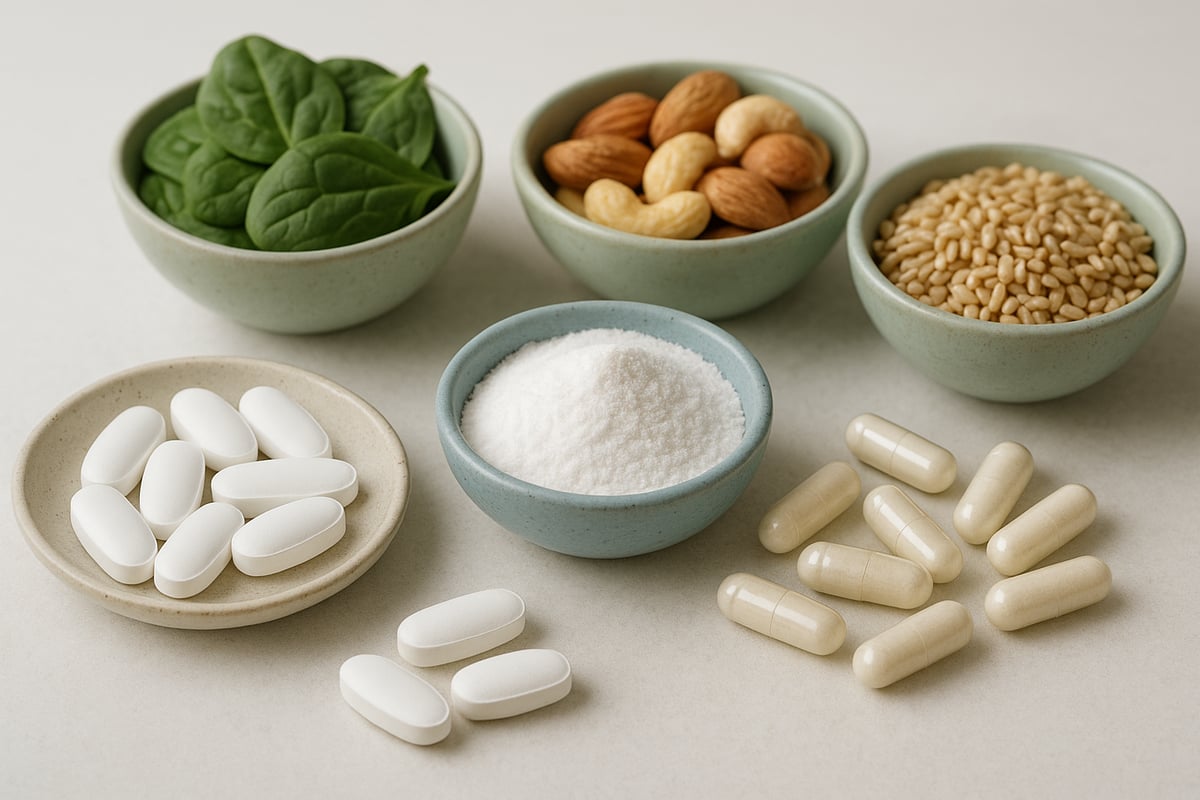
Magnesium glycinate is widely recognized for its gentle, highly absorbable properties. This form binds magnesium to glycine, an amino acid with natural calming effects on the brain. For many, magnesium glycinate is the top choice when seeking magnesium for anxiety because it supports relaxation without causing digestive upset.
Those who struggle with sensitive stomachs or want a supplement that promotes restful sleep often prefer this option. Users frequently report feeling less tense and more balanced within days of starting magnesium glycinate. Scientific reviews, such as Magnesium's Role in Anxiety Reduction, highlight its potential to reduce anxiety symptoms with minimal side effects.
Typical dosages range from 100 to 400 mg daily, but always consult your healthcare provider for personalized guidance.
Magnesium L-Threonate
Magnesium L-threonate is a newer form gaining attention for its unique ability to cross the blood-brain barrier. This means it can directly influence brain chemistry, making it especially promising for cognitive function and mental clarity.
Some studies suggest magnesium L-threonate may help improve memory and support neurotransmitter balance, both of which play roles in anxiety management. Individuals using magnesium for anxiety who also experience brain fog or trouble concentrating often find this form particularly helpful.
A user with persistent anxiety and cognitive sluggishness noticed enhanced focus and a calmer mood after incorporating this supplement. It is best suited for those seeking both anxiety relief and mental sharpness.
Magnesium Citrate
Magnesium citrate is one of the most accessible and cost-effective forms available. It is well absorbed by the body and is commonly used to address both mild constipation and tension. Many people choose magnesium citrate when looking for a practical approach to magnesium for anxiety and digestive support.
However, it can cause loose stools or digestive discomfort in some users, especially at higher doses. If you benefit from occasional laxative effects alongside stress reduction, magnesium citrate may be a suitable option.
A user seeking both regularity and reduced anxiety symptoms found this form effective, though they adjusted their dosage to avoid unwanted side effects.
Magnesium from Food Sources
A diet-first approach remains a cornerstone of long-term wellness. The body absorbs magnesium from food more efficiently than most supplements, making it an ideal foundation for supporting magnesium for anxiety. Leafy greens, nuts, seeds, legumes, and whole grains are excellent sources.
Consider this simple meal plan: oatmeal with almonds for breakfast, a spinach salad with chickpeas for lunch, and brown rice with sautéed kale for dinner. These foods provide steady magnesium intake and support both mood and energy.
If you have a mild deficiency or prefer holistic strategies, focusing on whole foods can be highly effective. Yet, many modern diets fall short, so combining dietary sources with supplements may be necessary for optimal results.
How to Safely Use Magnesium for Anxiety
Understanding how to use magnesium for anxiety safely is essential for effective, lasting relief. The right approach combines proper dosage, awareness of potential side effects, and knowledge of who should avoid supplementation. By following these guidelines, you can maximize benefits while minimizing risks.
Recommended Dosage and Timing
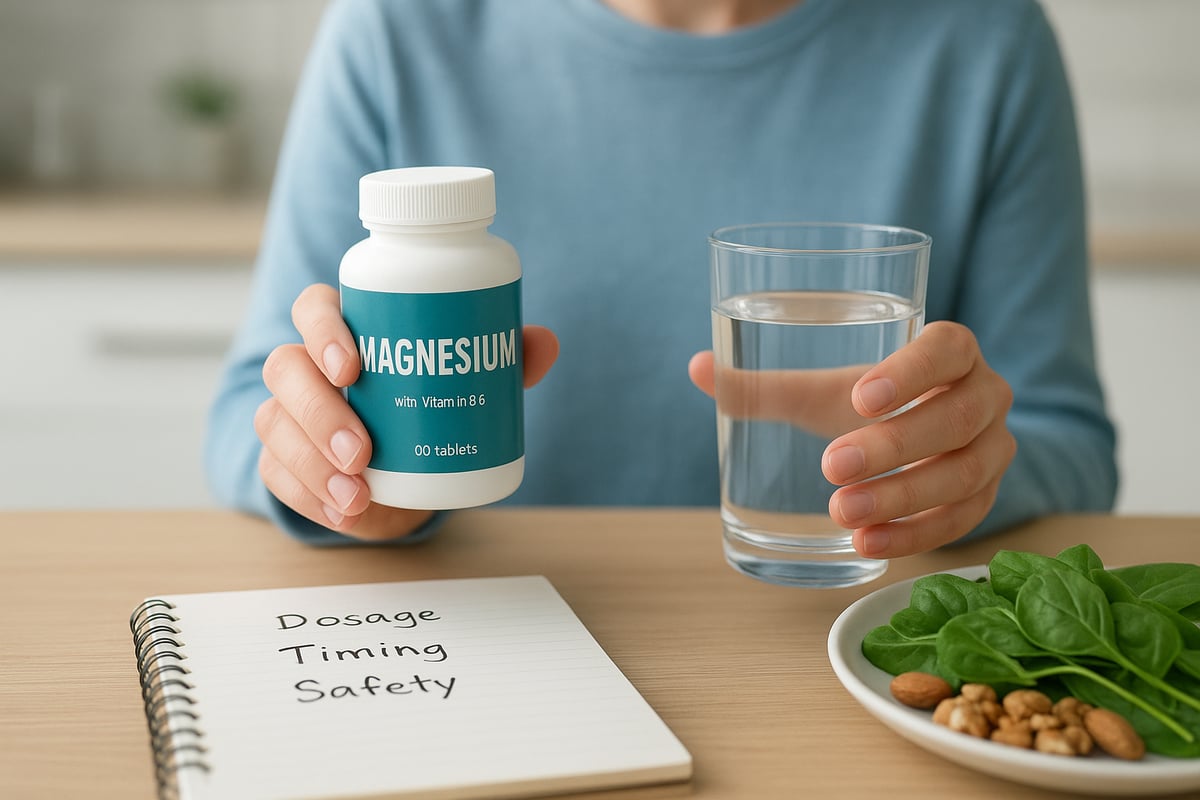
For adults, the general guideline for magnesium for anxiety is 310 to 420 mg per day from all sources. When using supplements, keep intake below 350 mg daily unless directed by a healthcare provider. This helps avoid unwanted side effects while still supporting your mental health.
The best time to take magnesium for anxiety is often in the evening, as it may promote relaxation and better sleep. Some people benefit from splitting their dose between morning and night. Always start with the lowest effective dose and adjust gradually based on your symptoms and how your body responds.
If you notice improvements, continue monitoring your anxiety levels and any changes in sleep or mood. For example, someone with mild anxiety might start at 200 mg in the evening and increase if needed, while those with moderate symptoms may require a higher dose under supervision. Tracking your progress helps ensure safe and effective use.
Safety, Side Effects, and Interactions
While magnesium for anxiety is generally safe, some people experience side effects like diarrhea, nausea, or fatigue, especially at higher doses. Signs of excessive magnesium intake include low blood pressure, muscle weakness, and irregular heartbeat. Always be alert for these symptoms and contact your provider if they occur.
Magnesium can interact with certain medications, including antibiotics, diuretics, and heart drugs. Medical supervision is crucial if you have pre-existing kidney or heart conditions. Self-medicating with high doses may pose serious risks, so regular check-ins with your provider are essential.
To learn more about interactions and how supplements impact mental health, see this overview on supplements for mental health. Always follow FDA guidance on supplement limits and use caution when combining magnesium with other therapies.
Who Should Avoid Magnesium Supplements?
Not everyone is a good candidate for magnesium for anxiety supplements. People with chronic kidney disease or severe heart problems should avoid them unless prescribed by a physician. Certain medications, like antibiotics and diuretics, may also interact negatively with magnesium.
Pregnant or breastfeeding women should consult their healthcare provider before starting magnesium for anxiety. Children require special dosing and medical guidance to ensure safety. When in doubt, focus on magnesium-rich foods like leafy greens, nuts, and legumes rather than supplements.
For example, a patient with kidney disease and anxiety may benefit more from dietary changes and professional support than from supplements. Individualized advice from your provider is always best, especially if you have underlying health concerns or take multiple medications.
Natural Lifestyle Tips to Enhance Magnesium’s Anxiety Relief
Integrating lifestyle changes with magnesium for anxiety can significantly amplify your results. While supplements offer targeted support, daily habits lay the foundation for lasting calm and resilience. Let us explore holistic strategies, nutrition, and when to seek extra help—each working together with magnesium for anxiety relief.
Holistic Approaches for Anxiety Management
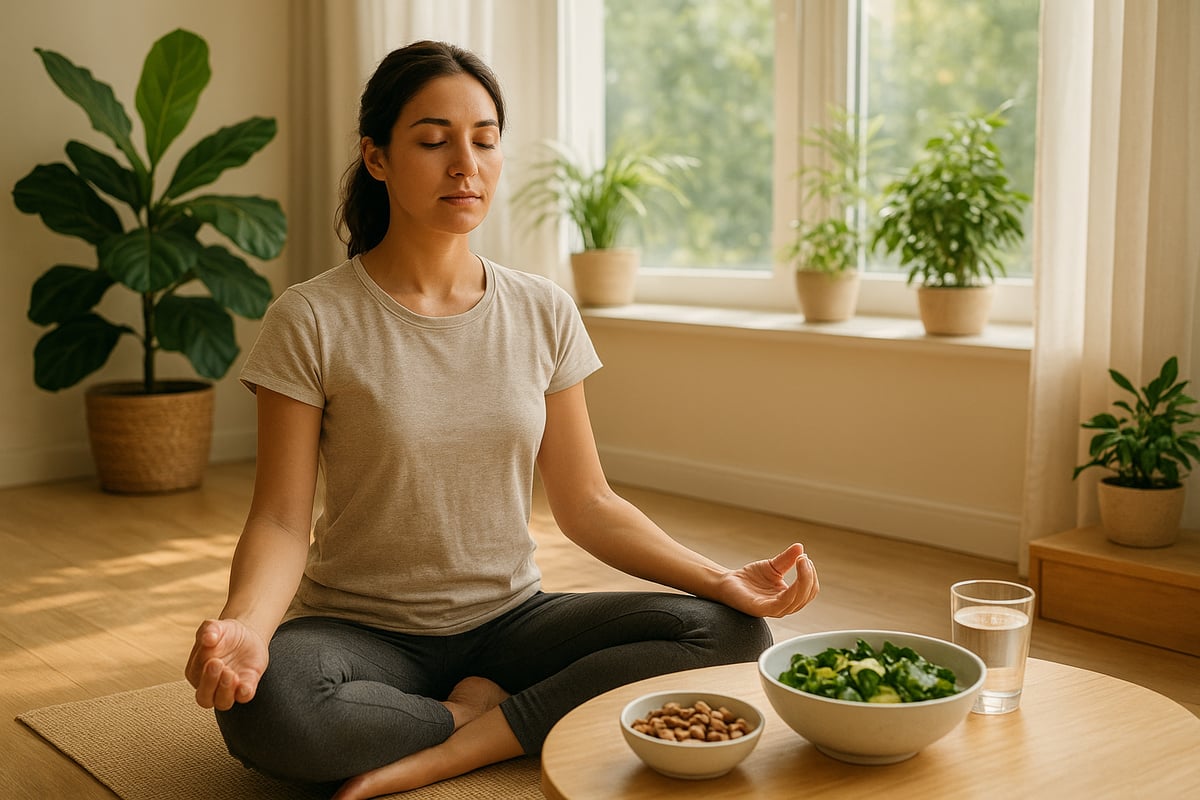
Pairing magnesium for anxiety with regular exercise creates a strong foundation for mental health. Aim for 30 to 40 minutes of moderate activity, three to four times a week. Physical movement is proven to reduce anxiety and improve sleep quality. Adding mindfulness practices such as meditation, deep breathing, or gentle yoga further calms the nervous system.
Establishing a consistent sleep routine is vital. Limit screen time before bed and create a relaxing environment to help magnesium for anxiety work more effectively. Reducing caffeine, especially after 2 PM, can also prevent spikes in anxiety. For more ideas on building a balanced routine, explore daily habits that boost your mental health.
Try combining:
- Evening magnesium for anxiety supplement
- Evening walk or gentle stretching
- Five minutes of mindful breathing before sleep
These small shifts, when practiced consistently, create a powerful synergy for anxiety relief.
Diet and Nutrition Strategies
A whole-food, plant-based diet supports magnesium for anxiety by maximizing natural intake. Focus on leafy greens, nuts, seeds, legumes, and whole grains. These foods are naturally rich in magnesium and other calming nutrients. Avoid processed foods, which can strip the body of essential minerals and increase anxiety risk.
Stay hydrated, as dehydration can worsen stress. Limiting alcohol and sugar also supports magnesium absorption and mood stability. Consider planning meals around magnesium-rich choices, such as spinach salads, lentil soups, or oatmeal with pumpkin seeds.
Supplementation can complement a healthy diet, but should not replace it. Aim for balance—let food be the primary source, with magnesium for anxiety supplements as a helpful addition when needed.
When to Consider Professional Support
Sometimes, lifestyle changes and magnesium for anxiety are not enough to manage symptoms. If you notice persistent or worsening anxiety, trouble functioning at work or home, or physical symptoms such as chest pain, seek professional support. Therapists and healthcare providers can help tailor a comprehensive plan.
Combining therapy, medical care, and magnesium for anxiety often yields the best results. Regular check-ups and lab work ensure you are on the right track. Remember, individualized care is essential for safe and effective management.
If you are unsure where to start, reach out to a mental health professional for guidance. The most effective anxiety relief often blends lifestyle, supplements, and expert support.
Step-by-Step Guide: Integrating Magnesium into Your 2026 Wellness Routine
Embarking on a new wellness routine can feel overwhelming, especially when addressing anxiety. This step-by-step guide will help you integrate magnesium for anxiety into your daily life with confidence and clarity. Follow these practical steps to achieve safer, more effective results.
Step 1: Assess Your Needs and Consult a Professional
Begin by reflecting on your anxiety symptoms and lifestyle habits. Are you experiencing restlessness, poor sleep, or tension? These may indicate that magnesium for anxiety could be beneficial. Schedule a consultation with your healthcare provider to discuss symptoms and request a magnesium level test if possible. For example, one patient with persistent anxiety found clarity after a professional assessment, leading to a tailored plan.
Step 2: Choose the Right Form and Source of Magnesium
Next, decide whether to focus on food sources, supplements, or a combination. Options like magnesium glycinate, citrate, or L-threonate offer unique benefits for anxiety. Consider dietary preferences, such as vegan needs, and consult your provider for recommendations. For further insight into natural solutions, explore Natural remedies for anxiety.
Step 3: Establish a Safe, Effective Dosage and Routine
Start with the recommended dosage and adjust based on your provider’s guidance. Integrate magnesium for anxiety into your daily or nightly routine, tracking both supplement timing and anxiety levels. Monitoring your response helps you identify what works best. For example, one user noticed improved calmness after shifting their magnesium intake to the evening.
Step 4: Support with Lifestyle Changes
Enhance the benefits of magnesium for anxiety by pairing it with exercise, stress management, and balanced nutrition. Limit caffeine and alcohol, practice mindfulness, and prioritize sleep hygiene. Creating a weekly schedule that combines these elements can amplify results. Remember, magnesium works best as part of a holistic approach to wellness.
Step 5: Monitor, Review, and Adjust
Regularly track your progress and symptom relief. Schedule follow-ups with your provider to review outcomes and make adjustments as needed. Be open to changing your magnesium for anxiety dosage, supplement form, or lifestyle strategies. If results plateau, seek further support or consider lab work to reassess your plan.
Step 6: Stay Informed on New Research and Trends
Stay current on the latest scientific findings related to magnesium for anxiety. Engaging with wellness communities and reading new research, such as this Dietary Magnesium and Psychiatric Disorders study, can help you evolve your wellness routine. Remaining informed empowers you to make the best decisions for your mental health.
Frequently Asked Questions About Magnesium for Anxiety
Seeking quick answers on magnesium for anxiety? Explore these common questions to help you make informed choices for your wellness journey.
-
How quickly does magnesium for anxiety work?
Most people notice subtle effects within a few days to a few weeks, depending on individual needs and deficiency levels. -
Can magnesium for anxiety replace prescription medications?
No, it is not a substitute for prescribed treatments. Always consult your provider before changing any medication plan. -
Are there risks with long-term use?
When used as directed, magnesium for anxiety is generally safe. Prolonged excessive intake may cause side effects, so monitor dosage carefully. -
Which foods are best for boosting magnesium naturally?
Leafy greens, nuts, legumes, and whole grains are excellent sources. -
How can I tell if I’m magnesium deficient?
Symptoms may include fatigue, cramps, irritability, and poor sleep. Testing with a healthcare provider is recommended. -
Is magnesium for anxiety safe for children and teens?
Discuss with a pediatrician before starting supplements for younger individuals. -
Can I take magnesium with other supplements or medications?
Possible interactions exist, so inform your provider about all supplements and medications you use. -
What should I do if I experience side effects?
Reduce dosage or stop use and consult your provider. For tips on supporting sleep while using magnesium, see improve sleep quality tips.
As you explore how magnesium can naturally support your journey toward calm and balance, remember that choosing the right supplement is just as important as understanding the science. At Essential Life, we believe your wellness routine should be clean, effective, and easy to trust—so you can focus on what matters most: feeling your best, inside and out. If you’re looking to embrace a holistic approach to anxiety relief and daily vitality, I invite you to bring your body back to balance with pure, plant-based solutions designed for real life.