

Nutritional Supplements Guide: Your Path to Wellness 2026
Did you know that over 60% of adults now use nutritional supplements to optimize their health? With so many options and mixed messages, navigating this world can feel overwhelming.
This comprehensive guide will demystify nutritional supplements, giving you the knowledge to make informed choices for lifelong wellness.
You will learn about supplement basics, essential nutrients, how to assess your personal needs, and the latest trends shaping 2026. Ready to confidently choose the right path to better health? Read on for expert insights and practical steps.
Understanding Nutritional Supplements: Definitions, Types, and Benefits
Nutritional supplements have become a vital component of modern wellness routines. As more people seek to optimize their health, understanding what nutritional supplements are and how they function is essential for making informed choices.

Nutritional supplements are products designed to deliver essential nutrients that may be missing or insufficient in your daily diet. These can include vitamins, minerals, amino acids, botanicals, probiotics, and specialty blends. The primary role of nutritional supplements is to bridge nutritional gaps, support specific health functions, and enhance overall well-being.
There are several main categories of nutritional supplements:
| Type | Purpose | Example Use |
|---|---|---|
| Vitamins | Support metabolism, immunity, and growth | Vitamin D for bones |
| Minerals | Maintain cellular and nerve function | Magnesium for muscles |
| Botanicals/Herbals | Traditional remedies, adaptogenic support | Turmeric for inflammation |
| Amino Acids | Muscle repair and energy | BCAAs for athletes |
| Probiotics | Gut health and digestion | Lactobacillus for balance |
| Specialty Blends | Targeted wellness solutions | Omega-3s for heart health |
Supplements come in many forms: capsules, tablets, powders, gummies, liquids, and even functional foods like fortified snacks. This variety allows individuals to choose formats that best align with their preferences and needs.
Why are nutritional supplements increasingly necessary? Today’s busy lifestyles, processed food consumption, and soil depletion often result in dietary gaps. For example, vitamin B12 is critical for vegans, while vitamin D deficiency is common in low-sunlight regions. Probiotics can help restore digestive balance, and omega-3 fatty acids have proven benefits for heart and brain function.
The benefits of using nutritional supplements include:
- Filling nutrient deficiencies for optimal health
- Supporting immune response and energy levels
- Promoting longevity and vitality
- Enhancing recovery and performance
According to Grand View Research, the global supplement market is projected to reach $327 billion by 2030, highlighting the growing demand and importance of these products.
It is crucial to recognize that nutritional supplements are not a replacement for a balanced diet. Instead, they offer targeted support where dietary intake may fall short. Some believe supplements alone can ensure health, but the foundation should always be wholesome nutrition.
Understanding the differences between food-based and synthetic supplements can also impact effectiveness. For a deeper dive into this topic, explore Food-Based vs. Synthetic Supplements to learn how ingredient sources may influence absorption and value.
In summary, nutritional supplements play a supportive role in achieving and maintaining health, particularly when chosen thoughtfully and used alongside a nutrient-rich diet.
Assessing Your Needs: How to Choose the Right Supplements
Choosing the right nutritional supplements begins with a clear understanding of your unique needs and lifestyle. Rather than replacing a balanced diet, supplements should fill specific gaps and support your health objectives. This step-by-step guide will help you evaluate your requirements and make informed decisions for optimal wellness.

Step 1: Evaluate Your Diet and Lifestyle
Start by assessing your daily food intake and habits. A food-first approach ensures that nutritional supplements act as a complement, not a replacement, for whole foods. Identify common dietary gaps, such as vitamin B12 for vegans or vitamin D for individuals in low sunlight regions.
Consider your age, gender, health status, and activity level, as these factors influence nutrient needs. Using food diaries or nutrition tracking apps can highlight patterns and deficiencies. For example, older adults often require more calcium and vitamin D to maintain bone health. Consistent evaluation helps you determine which nutritional supplements may offer the most benefit.
Step 2: Identify Personal Health Goals
Once you understand your baseline, define your primary health goals. Are you aiming to boost energy, strengthen immunity, manage stress, improve fitness, or enhance skin health? Different nutritional supplements serve different objectives, such as magnesium for sleep or biotin for hair support.
Tailor your choices to specific needs, like prenatal vitamins during pregnancy, or electrolytes for athletic recovery. Athletes may benefit from protein, BCAAs, and targeted micronutrients. For those prioritizing immune support, explore Top Supplements for Immune Support to make confident decisions that align with your wellness journey.
Step 3: Consult with Healthcare Professionals
Avoid self-prescribing nutritional supplements without professional input. Registered dietitians, nutritionists, and doctors can assess your health status and recommend appropriate options. They also identify potential interactions between supplements and medications, ensuring your regimen is both safe and effective.
Discuss any health conditions or medications you take. For instance, vitamin K can affect blood thinners, and iron may interfere with the absorption of other nutrients. A healthcare provider's guidance is essential for personalizing your nutritional supplements strategy and preventing adverse effects.
Step 4: Research Quality and Safety
Prioritize quality and safety when selecting nutritional supplements. Look for third-party testing and certifications such as NSF or USP, which verify product purity and potency. Ingredient transparency and responsible sourcing are also key.
Avoid proprietary blends that conceal exact dosages, and choose reputable brands committed to clear labeling. By following these steps, you can confidently navigate the world of nutritional supplements and make choices that support your long-term health.
Navigating Supplement Labels and Quality Standards
Understanding how to read supplement labels is essential when choosing nutritional supplements. With so many products on the market, knowing what to look for can help you make safer, more effective choices.
Decoding Supplement Facts Panels
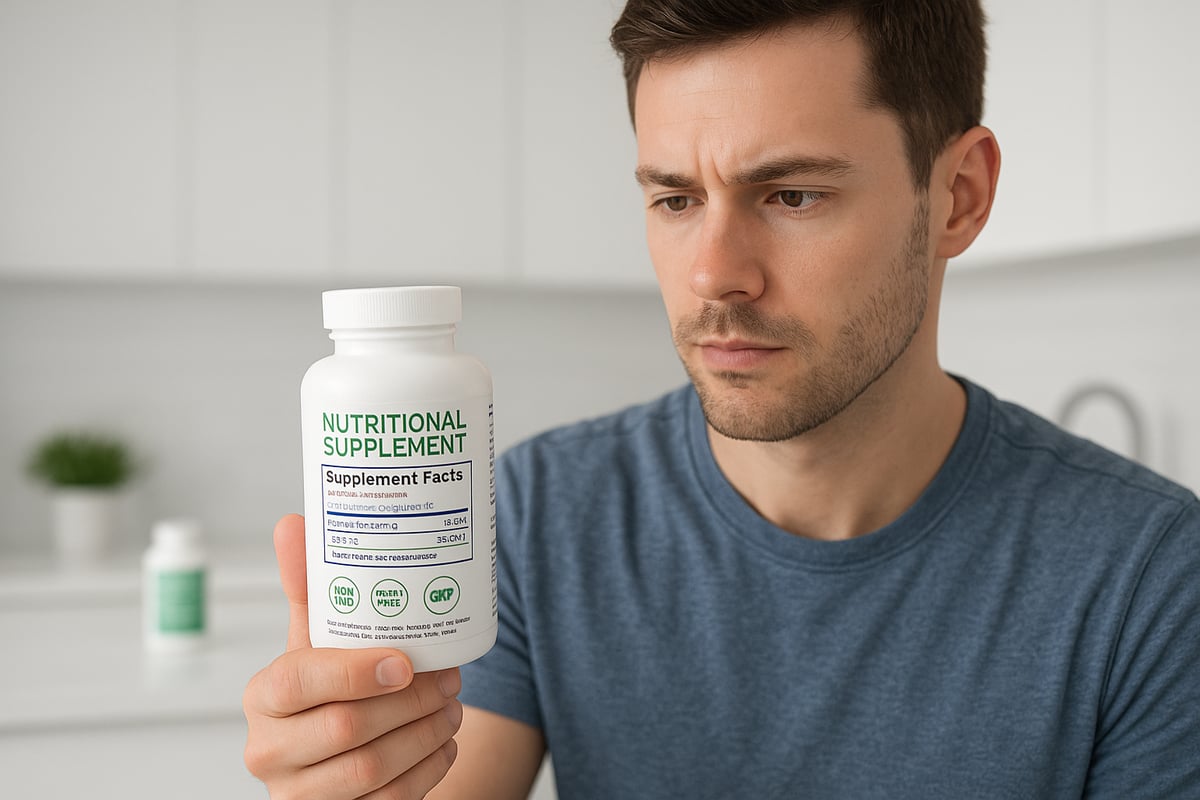
Start by checking the supplement facts panel. Look for clear serving sizes, a list of active ingredients, and the percent daily value for each nutrient. This helps you see how nutritional supplements fit into your daily intake.
Be cautious of proprietary blends, as they often hide exact dosages. Choose products that list precise amounts for each ingredient.
Identifying Red Flags and Misleading Claims
Watch for red flags such as artificial additives, unnecessary fillers, or exaggerated health claims. If a product promises miracle results, it is wise to be skeptical.
In 2023, ConsumerLab found that one in four nutritional supplements had inaccurate label claims. This makes it crucial to read labels carefully and avoid products with vague or misleading information.
Certifications and Regulatory Oversight
Certifications like vegan, non-GMO, and organic indicate higher quality standards. Look for third-party seals such as NSF or USP, which signal rigorous testing.
In the United States, the FDA regulates nutritional supplements, while the European Food Safety Authority (EFSA) oversees products in Europe. However, these agencies do not pre-approve supplements, so quality can vary between brands.
Bioavailability and Ingredient Choices
Bioavailability refers to how well your body absorbs nutrients. Some forms are better absorbed than others. For example, methylcobalamin is a preferred form of vitamin B12 over cyanocobalamin for better absorption.
Here is a quick comparison of common label claims:
| Claim Type | What It Means | What to Look For |
|---|---|---|
| Non-GMO | No genetically modified ingredients | Third-party certification |
| Organic | Grown without synthetic pesticides | USDA or equivalent seal |
| Vegan | No animal-derived ingredients | Certified vegan logo |
| Third-party tested | Independent lab verification | NSF, USP, or Informed-Choice |
Tips for Spotting Quality Supplements
When choosing nutritional supplements, seek brands that provide transparent labeling and disclose ingredient sourcing. Avoid products with proprietary blends unless all amounts are listed.
For more practical advice on interpreting supplement labels and understanding quality standards, visit Navigating Supplement Labels and Quality.
Choosing high-quality nutritional supplements takes a little extra effort, but it is a key step toward building a safe and effective wellness routine.
Trends and Innovations in Nutritional Supplements for 2026
The world of nutritional supplements is evolving at a rapid pace. As we approach 2026, new trends and scientific breakthroughs are reshaping how people approach wellness. Consumers are demanding more from their supplements: greater personalization, cleaner ingredients, enhanced absorption, and full transparency. Let us explore the most significant innovations driving the future of nutritional supplements.
Rise of Personalized Nutrition
Personalized nutrition is revolutionizing the way people use nutritional supplements. Advances in DNA and microbiome testing now enable highly tailored supplement regimens based on individual genetic makeup and gut health. Subscription services offer custom formulations that fit your unique needs, helping you optimize health outcomes. For example, companies like DNAfit use genetic data to recommend specific vitamins and minerals.
According to the Personalized nutrition market size outlook for 2026, interest in personalized products is rising rapidly, with 40% of supplement users seeking customized solutions. As technology evolves, expect even more precise nutritional supplements designed just for you.
Plant-Based and Sustainable Formulations
Sustainability is now a top priority in the nutritional supplements industry. Brands are moving toward vegan ingredients, upcycled plant materials, and biodegradable packaging to reduce their environmental footprint. This shift also meets the demand of consumers looking for clean-label, ethical options.
Plant-based supplements are gaining ground, with growth projected at 8% annually through 2026. Products designed for athletes and active lifestyles, such as those highlighted in Plant-Based Supplements for Athletes, showcase how plant-powered nutrition can support performance and recovery. Choosing sustainable nutritional supplements aligns health goals with environmental responsibility.
Advanced Delivery Systems and Bioavailability
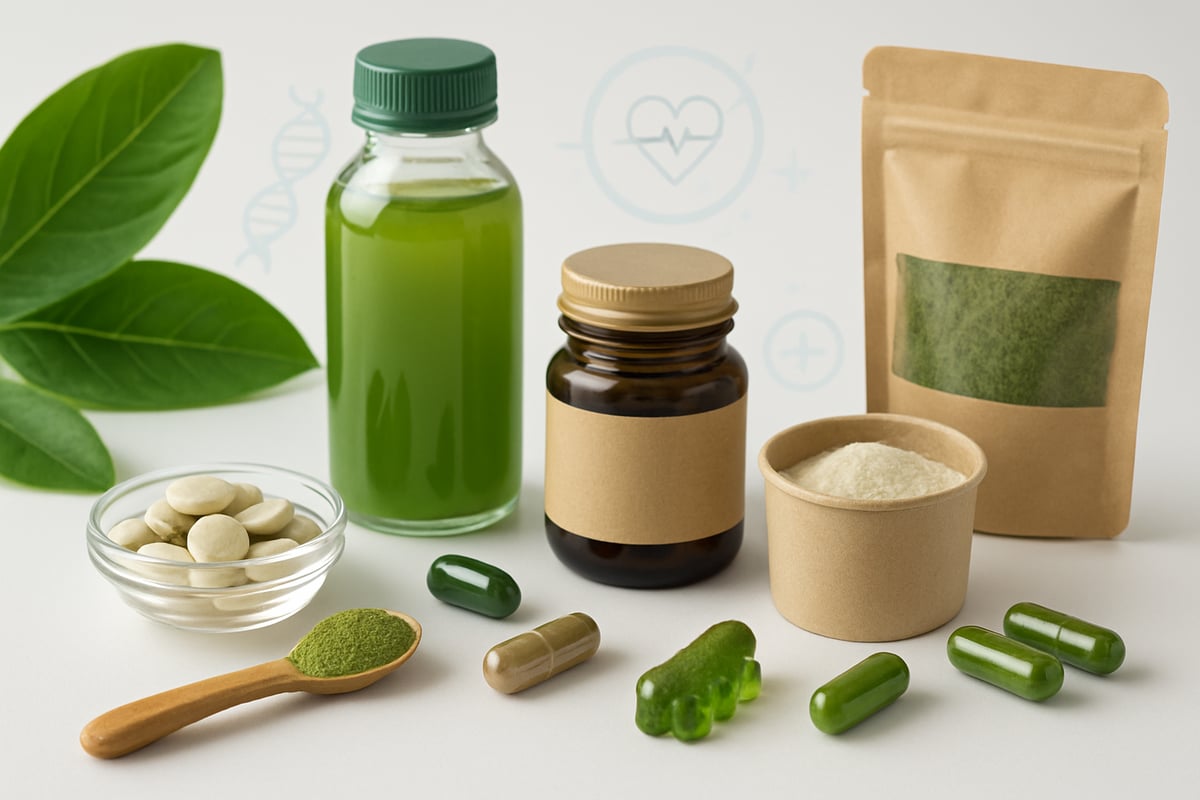
Innovation in delivery methods is enhancing how effectively nutritional supplements work. New technologies like liposomal encapsulation, slow-release tablets, and nanoemulsions are improving nutrient absorption in the body. These advanced systems ensure that active ingredients are delivered where they are needed most.
Gummies and liquid formats are also gaining popularity for their taste and convenience, making it easier to stick to a supplement routine. For example, liposomal vitamin C offers superior bioavailability compared to traditional tablets. As research advances, expect nutritional supplements to become even more effective and user-friendly.
Clean Label and Transparency Demands
Transparency and simplicity are now essential in the world of nutritional supplements. Consumers want clear labeling, minimal ingredients, and proof of third-party testing. This demand for clean label products is pushing brands to eliminate artificial additives and disclose sourcing information.
Regulatory bodies are also increasing oversight to ensure accurate claims and safe ingredients. Choosing supplements with recognizable ingredients and trusted certifications helps you make informed decisions. As a result, the future of nutritional supplements is cleaner, safer, and more transparent than ever before.
Safe and Effective Supplement Use: Best Practices and Expert Tips
Using nutritional supplements safely and effectively requires a thoughtful approach. By focusing on proper dosage, timing, risk awareness, and ongoing education, you can maximize benefits while minimizing potential harm.
Dosage, Timing, and Stacking
Always follow the recommended dosages for nutritional supplements. More is not always better, and excessive intake can lead to adverse effects. Pay attention to timing: some supplements work best with food, such as fat-soluble vitamins, while others like iron are better absorbed on an empty stomach.
Consider the timing of your supplements—morning for energy-boosting formulas, evening for those supporting relaxation or sleep. When combining products, ensure safe stacking. For example, vitamin D enhances calcium absorption, while iron should be taken separately from calcium for best results.
- Take supplements consistently for optimal effects.
- Review supplement labels for specific instructions.
- Consult with healthcare professionals before stacking multiple products.
Proper use of nutritional supplements supports your goals without unnecessary risks.
Recognizing and Avoiding Risks
Even with the best intentions, nutritional supplements can pose risks if misused. Potential side effects, toxicity, or interactions with medications are real concerns. Watch for warning signs like digestive distress, headaches, or unexplained symptoms.
According to the CDC, supplement misuse leads to 23,000 emergency room visits each year in the US. Vulnerable groups—pregnant women, children, the elderly, and those with chronic conditions—should be especially cautious. With the nutritional supplements market projected to hit $620.8 billion by 2030, the need for safety and informed choices is greater than ever.
If you experience unexpected effects, discontinue use and consult your healthcare provider promptly.
Integrating Supplements into a Holistic Wellness Plan
Nutritional supplements are most effective as part of a comprehensive wellness strategy. Pair them with balanced nutrition, regular physical activity, quality sleep, and stress management techniques. Supplements should complement—not replace—healthy habits.
Regularly review your supplement regimen to ensure it aligns with your changing needs. Keep an updated list of all products you take and share it with your healthcare team at each visit.
For example, combining probiotics with a fiber-rich diet supports optimal gut health, while omega-3s can enhance the benefits of heart-healthy eating patterns.
Staying Informed and Up-to-Date
The world of nutritional supplements evolves rapidly. Stay current by following reputable sources, reading new research, and utilizing digital tools for supplement tracking and reminders.
Schedule annual reviews with healthcare professionals to reassess your supplement needs. Ongoing education empowers you to make smart, safe choices and adapt your approach as science advances.
Commit to lifelong learning and informed decision-making for the best results with nutritional supplements.
After exploring the essentials of nutritional supplements and how they can support your unique path to wellness, it’s clear that making mindful choices matters more than ever. With so many options out there, prioritizing clean, plant-based ingredients and transparency helps you build a supplement routine you can trust. At Essential Life, we believe that nature holds the key to true vitality—empowering you to nourish your body safely and effectively, every single day. If you’re ready to take the next step and embrace holistic wellness with confidence, Join the clean supplement movement your wellness boost awaits