

7 PCOS Supplements to Support Hormonal Balance in 2026
Polycystic ovary syndrome is affecting more women than ever, with recent studies showing up to 15% of reproductive-aged women now diagnosed. Managing symptoms can feel overwhelming, but new research in 2026 is shining a light on the power of pcos supplements to help restore hormonal balance naturally.
As science uncovers innovative formulations and evidence-backed ingredients, pcos supplements are becoming a key ally for those seeking better menstrual health, fertility, and well-being. In this article, we will explore what PCOS is, how supplements work, the seven best pcos supplements for hormonal balance, how to choose high-quality products, and lifestyle tips to maximize results.
Ready to discover expert-backed solutions for PCOS? Read on to find out which pcos supplements may help you regain control of your health.
Understanding PCOS and Hormonal Imbalance
What is PCOS?
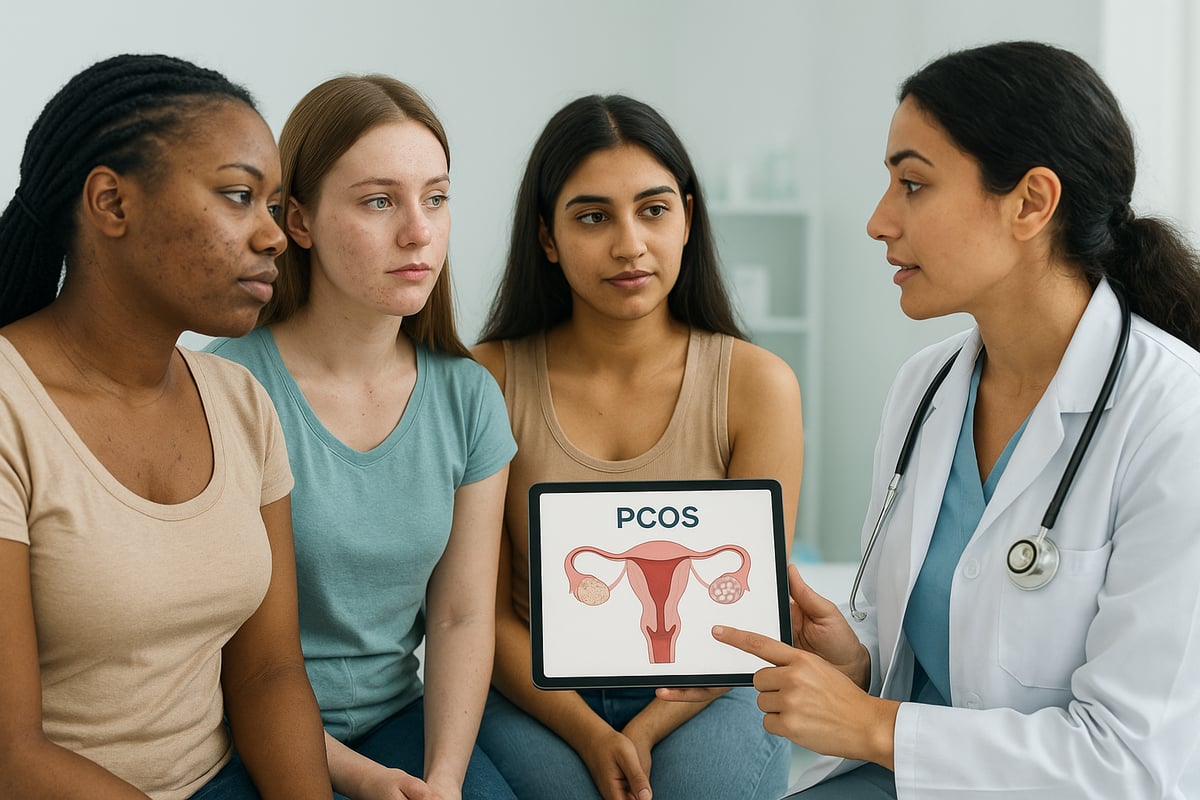
Polycystic ovary syndrome (PCOS) is a complex endocrine disorder affecting between 10 and 15 percent of women of reproductive age. Recent studies from 2024 report a continued increase in diagnosis, reflecting heightened awareness and improved screening.
PCOS is characterized by a range of symptoms, which can vary widely among individuals. The most common include:
- Irregular or absent menstrual cycles
- Excess hair growth (hirsutism)
- Persistent acne
- Weight gain or difficulty losing weight
- Infertility or trouble conceiving
At its core, PCOS involves hormonal imbalances. These typically include elevated androgens (male hormones), insulin resistance, and disrupted ovulation. Such imbalances not only trigger bothersome symptoms but also set the stage for serious health complications.
Women with PCOS face increased risks of developing type 2 diabetes, cardiovascular disease, and even endometrial cancer. The growing body of research, such as the Dietary supplements in polycystic ovary syndrome–current evidence, underscores the importance of early intervention and individualized care. These findings have shaped the evolving landscape of pcos supplements aimed at supporting hormonal health.
Why Hormonal Balance Matters
Hormonal imbalance is a driving force behind most PCOS symptoms and complications. When hormones like insulin and androgens are out of balance, they disrupt menstrual cycles, hinder ovulation, and affect mood, metabolism, and skin health.
Achieving hormonal balance can improve multiple symptoms at once. For example, better insulin sensitivity may lead to more regular periods, clearer skin, and easier weight management. Balanced hormones also support fertility, emotional wellbeing, and metabolic function.
Research consistently shows that pcos supplements, when combined with healthy lifestyle practices, offer the best chance for symptom relief and long-term wellness. Supplements are not a cure, but they can fill nutritional gaps and support the body's natural rhythms alongside diet, exercise, and stress management.
How Supplements Support PCOS Management
Women with PCOS often face complex health challenges due to hormonal imbalances. Targeted pcos supplements can offer meaningful support, filling nutritional gaps and addressing the root causes of symptoms. Understanding how these supplements work and how to use them safely is essential for effective management.
Mechanisms of Action
PCOS supplements play several vital roles in supporting hormonal health. Many women with PCOS are deficient in nutrients like vitamin D and magnesium, which are critical for hormone production and metabolic regulation. Correcting these deficiencies with targeted supplementation can improve symptoms such as irregular cycles and fatigue.
Certain pcos supplements, such as myo-inositol and berberine, directly enhance insulin sensitivity. Improved insulin response can lower androgen levels, reduce acne, and support regular ovulation. Additionally, omega-3 fatty acids and NAC provide anti-inflammatory benefits, which is important as chronic inflammation often worsens PCOS symptoms.
Research continues to back the efficacy of these interventions. According to a recent umbrella meta-analysis, several dietary supplements have demonstrated improvements in metabolic and reproductive outcomes for women with PCOS. However, not all products are equally supported by evidence, so focusing on those with strong clinical backing is crucial.
Safety, Dosage, and Medical Guidance
Safety should always come first when considering pcos supplements. Consulting with a healthcare provider ensures that supplements are appropriate for your specific health profile, especially if you take medications or have underlying conditions. Some supplements can interact with prescriptions or cause side effects if not managed properly.
It's important to follow dosage recommendations based on recent clinical guidelines. For example, magnesium is generally safe at 320 mg per day for women, while vitamin D needs may vary based on lab results. Start with lower doses to minimize side effects like gastrointestinal upset, and increase gradually as tolerated.
Choosing high quality pcos supplements is also essential. Look for products that are third-party tested, GMP certified, and free from unnecessary fillers or allergens. Reputable brands provide transparency about ingredient sources and dosages, helping you make informed decisions. This approach reduces risks and ensures you get the intended benefits from your supplement regimen.
7 PCOS Supplements to Support Hormonal Balance in 2026
Finding the right pcos supplements can make a profound difference for women seeking hormonal balance. As research and formulations continue to advance, these seven supplements stand out for their evidence-based benefits, safety, and suitability for PCOS management. Here’s a detailed look at each, including how they help, ideal dosing, and what to expect.
1. Omega-3 Fatty Acids
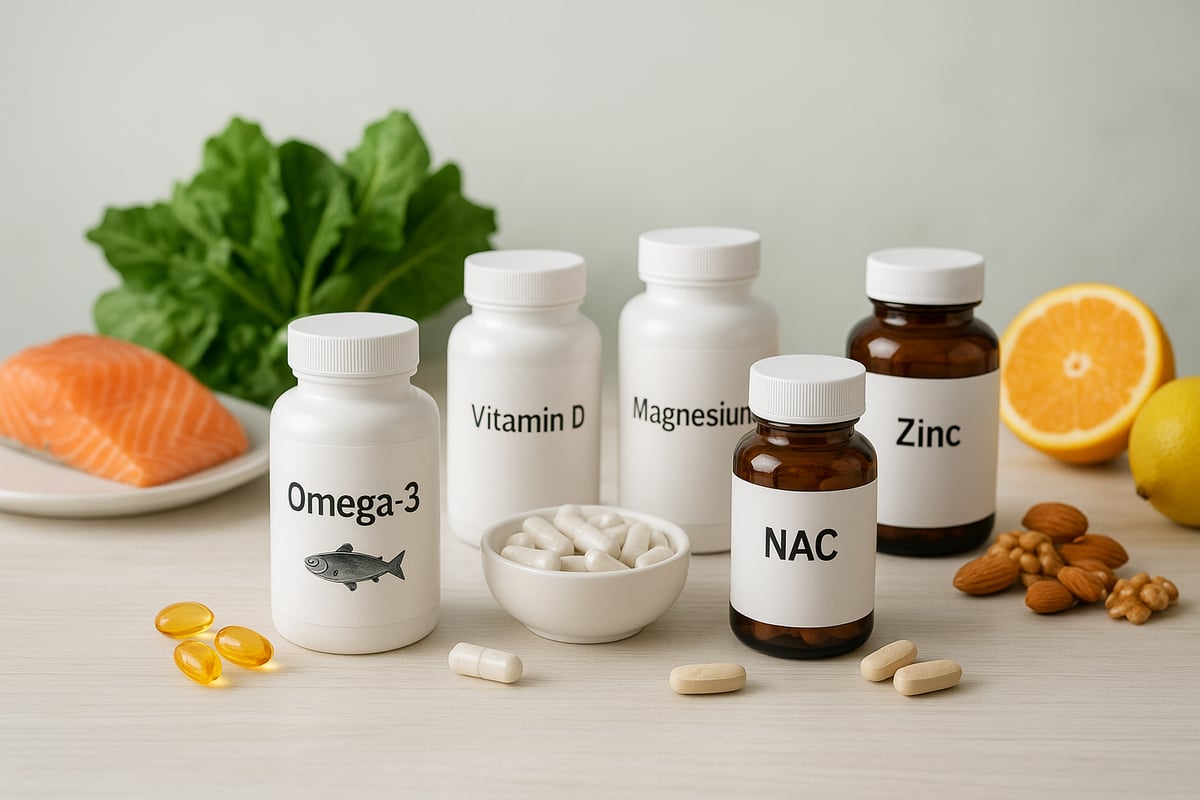
Omega-3 fatty acids are among the most researched pcos supplements for inflammation and metabolic health. These healthy fats, found in fish oil, algal oil, and some plants, help reduce inflammation, improve insulin sensitivity, and lower cholesterol.
Studies have shown that omega-3 supplementation can enhance menstrual regularity and reduce androgen levels in women with PCOS. This makes them especially valuable for those experiencing irregular periods or symptoms like acne and excess hair growth.
The typical dose ranges from 1.1 to 1.6 grams per day. Common side effects include a fishy aftertaste or mild digestive upset, which can often be minimized by taking capsules with meals. Omega-3s are also known to support heart health, a crucial consideration for women with PCOS who are at higher cardiovascular risk.
Choosing high-quality, purified sources ensures purity and minimizes contaminants. For many, omega-3s are an essential part of their pcos supplements regimen.
2. Myo-Inositol & D-Chiro-Inositol
Myo-inositol and D-chiro-inositol have become core pcos supplements due to their direct impact on hormone signaling and insulin regulation. Research highlights their effectiveness in improving insulin sensitivity and supporting ovulation, often compared favorably to Metformin.
The optimal ratio is 40:1 (myo-inositol to DCI), with common dosing at 2–4 grams of myo-inositol and 50–100 mg of DCI daily. Benefits include enhanced egg quality, more regular menstrual cycles, and improved fertility outcomes.
These supplements have a low side effect profile, making them suitable for most women with PCOS. They are especially helpful for those trying to conceive or manage blood sugar levels. Consistency is key, as effects build over several weeks.
For those seeking more information on the types and effectiveness of pcos supplements, the systematic scoping review on nutraceutical and micronutrient supplementation for PCOS management provides a comprehensive overview of current research.
3. Vitamin D
Vitamin D deficiency is extremely common among women with PCOS, with up to 85% affected. As one of the most important pcos supplements, vitamin D helps regulate ovulation, supports fertility, boosts mood, and enhances metabolic health.
Supplementation has been linked to reduced miscarriage rates and better pregnancy outcomes. Dosing is highly individualized, typically ranging from 600 to 5,000 IU daily, depending on blood test results. It’s important to monitor levels, as excessive doses can lead to toxicity.
Vitamin D’s benefits extend to improved insulin sensitivity and lower inflammation. It is best absorbed with dietary fat and should be part of a comprehensive pcos supplements plan for those with low levels.
4. Magnesium
Magnesium is a foundational mineral in many pcos supplements routines. It plays a vital role in blood sugar regulation, nerve function, and hormone metabolism. Higher magnesium levels are linked to lower insulin resistance and testosterone in women with PCOS.
The recommended daily dose is about 320 mg for women. Benefits include better sleep, improved mood, and reduced muscle cramps. Some users may experience mild digestive upset, especially with certain forms like magnesium citrate.
Women with dietary insufficiency, higher stress, or increased physical activity often require more magnesium. Including this mineral in your pcos supplements can help address multiple symptoms at once.
5. Berberine
Berberine stands out among pcos supplements as a natural insulin sensitizer and metabolic enhancer. Studies show it can support weight loss, lower cholesterol, and reduce androgen levels, making it especially useful for women struggling with obesity and PCOS.
Berberine’s effects on insulin are often compared to Metformin, though its side effect profile is generally milder. Typical dosing is 500 mg, taken two to three times daily. Some may notice digestive discomfort, but this often subsides with continued use.
For women with stubborn weight gain or metabolic challenges, berberine can be a powerful addition to their pcos supplements toolkit.
6. N-Acetylcysteine (NAC)
N-acetylcysteine, or NAC, is gaining recognition among pcos supplements for its antioxidant properties and support for insulin sensitivity and ovulation. Research indicates that NAC can improve menstrual regularity and boost fertility rates in women with PCOS.
The standard dose ranges from 600 to 1,800 mg daily. NAC is well tolerated, with rare side effects. It can be especially helpful as an adjunct therapy for women whose symptoms have not responded fully to other interventions.
Beyond reproductive benefits, NAC may also support mood and reduce inflammation, making it a versatile option in the realm of pcos supplements.
7. Zinc
Zinc is an essential trace mineral included in many pcos supplements for its role in androgen balance, skin health, and immune support. Studies have shown that zinc supplementation can reduce acne and excess hair growth (hirsutism) in women with PCOS.
Dosing varies from 8 to 30 mg daily, tailored to individual needs. Signs of deficiency include poor wound healing and frequent infections. Long-term high-dose use should be balanced with copper intake to prevent imbalances.
For women dealing with persistent skin or hair symptoms, zinc can be a valuable, evidence-based addition to their pcos supplements strategy.
PCOS Supplements Comparison Table
| Supplement | Key Benefit | Typical Dose | Main Side Effect | Best For |
|---|---|---|---|---|
| Omega-3 Fatty Acids | Anti-inflammatory | 1.1–1.6 g/day | Fishy aftertaste | Heart/metabolic health |
| Myo/D-Chiro-Inositol | Insulin/ovulation | 2–4 g/50–100 mg | Rare (GI upset) | Fertility, cycle regularity |
| Vitamin D | Hormone regulation | 600–5,000 IU/day | Rare (toxicity) | Deficiency, mood, metabolism |
| Magnesium | Blood sugar/relaxation | 320 mg/day | GI upset | Sleep, stress, insulin support |
| Berberine | Metabolic health | 500 mg 2–3x/day | GI discomfort | Weight, cholesterol, insulin |
| NAC | Antioxidant/fertility | 600–1,800 mg/day | Rare | Ovulation, mood, inflammation |
| Zinc | Skin/androgen balance | 8–30 mg/day | Copper imbalance | Acne, hirsutism, immunity |
Choosing the right pcos supplements involves understanding your unique needs, current symptoms, and health goals. These seven options are supported by robust research and clinical experience, making them excellent choices for women looking to restore hormonal balance in 2026.
Choosing High-Quality PCOS Supplements in 2026
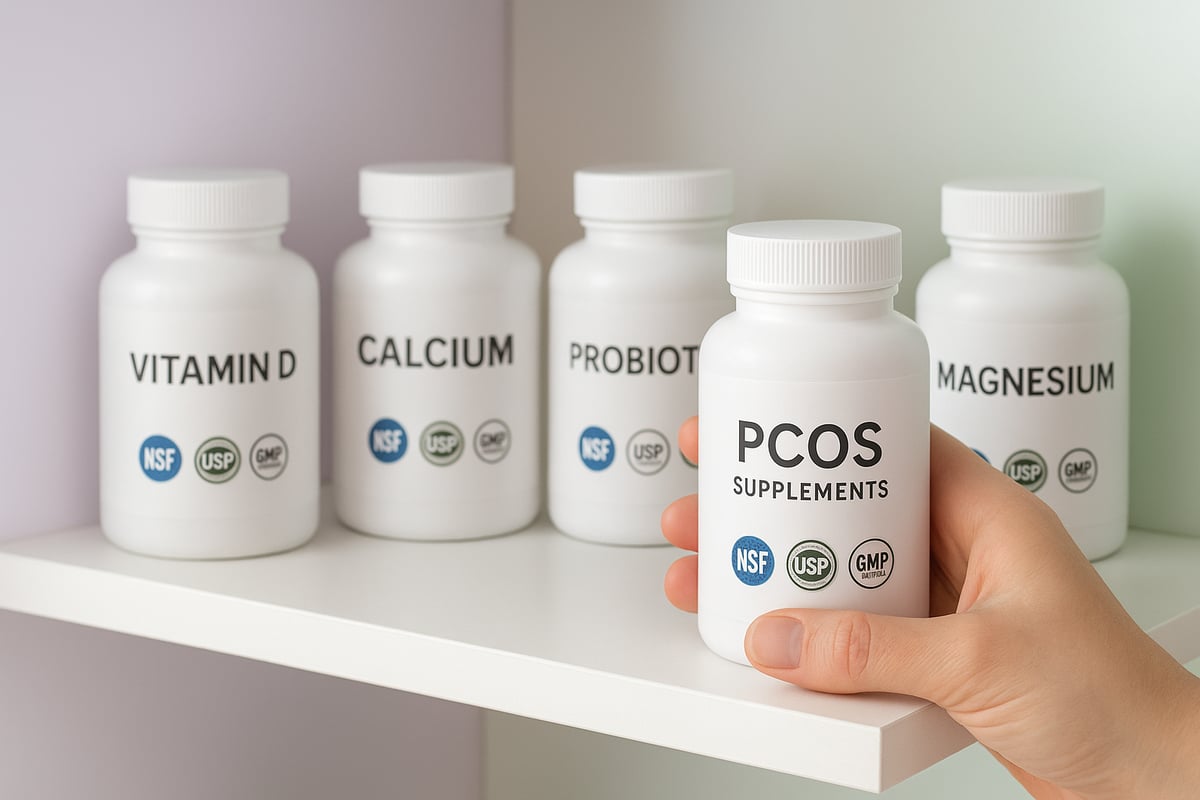
Selecting high-quality pcos supplements is essential for safety and effectiveness. Start by checking for third-party testing such as NSF or USP certification, which confirms that products meet strict purity and potency standards. Look for supplements produced in GMP-compliant facilities, as this ensures adherence to quality manufacturing practices.
Always read labels carefully. Focus on clear ingredient lists, active dosages, and the absence of unnecessary fillers or allergens. Choose reputable brands that provide transparency and rely on evidence-based formulations. For a curated range of trusted options, you can explore the Vitamins and Supplements Collection, which features products suitable for PCOS support.
Be mindful of trends such as clean-label, plant-based, and bioavailable supplements, which are becoming more popular among those seeking effective pcos supplements. Consulting a healthcare provider or registered dietitian can help tailor your choices to your unique needs, reducing the risk of adverse effects and ensuring optimal results. Products like the Women's Herbal Harmony Supplement offer targeted support for hormonal balance, making them a valuable addition to your regimen.
Lifestyle Tips to Maximize Supplement Benefits
Optimizing the effectiveness of pcos supplements starts with a strong foundation of healthy habits. Focus on balanced nutrition that includes whole foods, lean proteins, healthy fats, and plenty of fiber. Regular physical activity, such as a mix of aerobic and strength training, can help support metabolic and hormonal health, making pcos supplements even more impactful.
Managing stress is equally important. Prioritize relaxation methods like yoga or meditation, and maintain a consistent sleep schedule for better hormone balance. For practical strategies, you might find these Tips to Improve Sleep Quality helpful as you build your routine.
Even modest weight loss, around 5–10 percent of body weight, can lead to significant improvements in PCOS symptoms and enhance the effects of pcos supplements. Remember to schedule regular checkups and lab tests to monitor your progress. Combining these lifestyle changes with targeted supplements often delivers the best results for women managing PCOS.
Navigating PCOS can feel overwhelming, but small, intentional choices—like the right supplements and lifestyle shifts—can make a real difference. We’ve explored how natural, plant-based solutions support your body’s hormonal balance and overall wellbeing. If you’re ready to take the next step in your wellness journey, remember that what you put into your body truly matters. You deserve supplements that are clean, effective, and crafted with care. Let’s bring your body back to balance, together.
Bring your body back to balance