

The Essential Guide to Pre and Probiotics in 2025
Gut health is shaping up to be the wellness frontier of 2025, with pre and probiotics leading the charge. As new research emerges, more people are recognizing the vital connection between digestive balance and overall vitality.
This essential guide demystifies the science behind pre and probiotics. Discover how these powerful allies influence digestion, immunity, and mental well-being. Learn the difference between them, explore the latest breakthroughs, and find practical tips to include them in your daily routine.
Curious about the safest ways to support your gut or what trends experts predict next? Dive in for actionable insights that can transform your health in 2025. Make informed choices and unlock the full potential of pre and probiotics for a better, brighter future.
Understanding the Gut Microbiome in 2025
The gut microbiome sits at the heart of modern wellness, capturing the attention of scientists and health enthusiasts alike. As we step into 2025, understanding how this internal ecosystem works is crucial for making informed choices about pre and probiotics and their role in our daily lives.

What is the Gut Microbiome?
The gut microbiome is a dynamic community of trillions of microorganisms, including bacteria, viruses, and fungi, residing in the digestive tract. These microscopic residents are not just passive passengers; they play an active role in digesting food, synthesizing vital nutrients, and supporting immune function.
Recent years have seen remarkable advances in microbiome research. In 2024 and 2025, scientists have mapped more bacterial species than ever before, uncovering complex links between the gut, mood, immunity, and chronic diseases. For example, over 70% of the immune system exists within the gut, highlighting its influence on health. To explore how the gut impacts overall well-being, you can read more in Gut Microbiome and Well-Being.
With pre and probiotics now at the forefront, the gut microbiome has become a key focus for anyone seeking to optimize their wellness in 2025.
Why Gut Health Matters More Than Ever
The importance of gut health continues to grow as research uncovers its connections to nearly every aspect of well-being. Studies now show that gut health affects allergies, diabetes, obesity, depression, and irritable bowel syndrome. In 2025, 60% of adults are actively seeking gut health solutions, a trend driven by rising interest in personalized nutrition and at-home microbiome testing.
The concept of the gut as a "second brain" has gained traction, emphasizing the gut-brain axis and its impact on mental health. As more people turn to pre and probiotics, understanding these connections is essential for making choices that support systemic wellness.
How Diet and Lifestyle Shape Your Microbiome
Daily habits significantly influence the composition and diversity of the gut microbiome. Diets rich in fiber and fermented foods encourage beneficial bacteria, while high-sugar, processed foods reduce microbial diversity. Antibiotic use, chronic stress, and environmental toxins can also disrupt the microbiome's balance.
For example, high-fiber diets support a wider variety of gut microbes, which is linked to better health outcomes. In contrast, Western diets with processed ingredients often result in less diversity. Integrating pre and probiotics through mindful eating and lifestyle choices is a practical way to nurture a resilient microbiome.
The 2025 Perspective: What’s Changed?
In 2025, technological breakthroughs in microbiome mapping and sequencing have revolutionized our understanding of gut health. Dietary guidelines increasingly prioritize foods that support microbial diversity, and new terms like postbiotics and synbiotics are entering the mainstream.
Regulatory agencies are now applying greater scrutiny to supplement quality, and consumers are more aware of the science behind pre and probiotics. Preventive medicine places gut health at its center, recognizing that a balanced microbiome is crucial for long-term wellness. These shifts signal a new era where the gut is no longer overlooked but celebrated as a foundation of health.
Prebiotics and Probiotics Explained
Understanding pre and probiotics is essential for anyone looking to optimize gut health in 2025. These powerful allies each play unique roles in supporting the microbiome, but they are often misunderstood. This section breaks down what they are, how they work together, and why science now places them at the heart of wellness strategies.

What Are Probiotics?
Probiotics are live microorganisms that, when consumed in adequate amounts, provide health benefits by supporting the balance of your gut ecosystem. The most common strains include Lactobacillus, Bifidobacterium, and Saccharomyces boulardii. These beneficial bacteria help maintain digestive harmony, reduce inflammation, and support immune health.
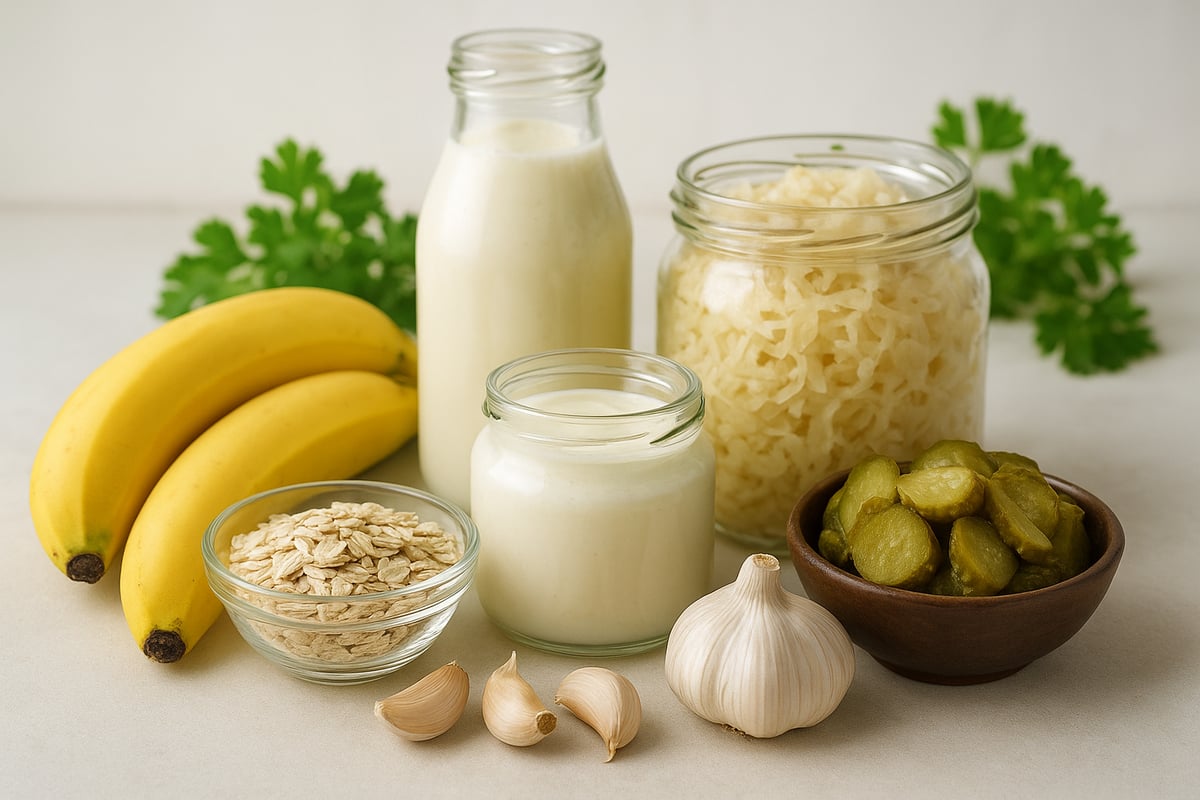
You can find probiotics naturally in foods such as yogurt, kefir, sauerkraut, kimchi, and miso. Supplements are also widely available, offering targeted doses for specific needs. For example, using probiotics can help prevent antibiotic-associated diarrhea, a frequent side effect of medication.
The global market for probiotics has surged, now valued at over $70 billion in 2025. This reflects the growing recognition of pre and probiotics as foundational components of modern wellness routines.
What Are Prebiotics?
Prebiotics are non-digestible fibers that serve as nourishment for beneficial gut bacteria. Unlike probiotics, which introduce new microbes, prebiotics help existing good bacteria thrive and multiply. Common prebiotics include inulin, fructooligosaccharides (FOS), and resistant starches.
Foods rich in prebiotics are easy to incorporate into your diet. Think garlic, onions, bananas, asparagus, and whole grains. While all prebiotics are fibers, not all dietary fibers are prebiotics. The distinction lies in their ability to selectively feed beneficial bacteria.
Research shows that eating prebiotic foods can increase Bifidobacteria abundance by up to 20 percent, highlighting the significant impact of pre and probiotics on gut diversity and resilience.
How Prebiotics and Probiotics Work Together
Pre and probiotics function in a complementary way, creating a synergistic effect that amplifies gut health benefits. Prebiotics act as food for probiotics, ensuring these live microbes can establish themselves and flourish in the digestive tract.
This synergy is the basis for synbiotics, which are products or meals that combine prebiotics and probiotics. For example, pairing yogurt (probiotic) with oats (prebiotic) provides both components in one serving. Studies have shown that synbiotics can improve gut barrier function and enhance immune response.
By integrating both pre and probiotics into your daily meals, you maximize digestive support and foster a more resilient microbiome.
Key Differences and Similarities
The relationship between pre and probiotics is often confused, but each serves a unique purpose. Probiotics are live bacteria, while prebiotics are the fibers that fuel them. Both are essential, but their roles and sources differ.
Below is a table summarizing the main distinctions:
| Feature | Prebiotics | Probiotics |
|---|---|---|
| Nature | Non-digestible fibers | Live microorganisms |
| Main Sources | Garlic, onions, bananas | Yogurt, kimchi, kefir |
| Primary Action | Feed beneficial bacteria | Add beneficial bacteria |
| Key Benefit | Boosts microbial diversity | Supports digestion, immunity |
Not all fibers are prebiotics, and not every fermented food contains live probiotics. Still, both pre and probiotics are vital for optimal gut health.
Common Myths and Misconceptions
Despite growing interest, several myths about pre and probiotics persist. One common belief is that all fermented foods are rich in probiotics, when in fact, pasteurization often destroys live cultures. Another misconception is that more is always better; excessive supplementation can cause discomfort or even rare infections, especially in vulnerable groups.
Some expect pre and probiotics to deliver instant results, but individual responses vary and benefits often develop over time. Supplements are not regulated by the FDA, so choosing reputable brands is key.
Recent surveys, such as the International Microbiota Observatory, 2025 results, highlight the need for better education on antibiotic effects and the real value of pre and probiotics. Making evidence-based choices ensures safe, effective support for your gut.
Proven Benefits of Prebiotics and Probiotics
Supporting your gut with pre and probiotics offers a wealth of proven health advantages. These benefits extend well beyond digestion, touching nearly every aspect of wellness. Understanding the science behind these gains can help you make informed choices for your daily routine.
Digestive Health and Regularity
One of the most recognized benefits of pre and probiotics is their positive impact on digestive health. These beneficial compounds help balance the gut microbiome, which can ease common issues like constipation, diarrhea, and bloating.
For individuals with irritable bowel syndrome (IBS) or inflammatory bowel disease (IBD), certain probiotic strains can help manage symptoms. Clinical research shows that probiotics can shorten the duration of infectious diarrhea by one to two days. Prebiotics, on the other hand, increase stool frequency and improve consistency, making daily elimination more comfortable.
A balanced intake of pre and probiotics supports smoother digestion and helps maintain regularity, which is essential for overall well-being.
Immune System Support
The gut is often called the largest immune organ in the body, and pre and probiotics play a vital role in keeping it strong. Around 70 to 80 percent of immune cells are found in the gut, highlighting the importance of a healthy microbiome.
Probiotics enhance the production of protective antibodies and stimulate immune cells to defend against harmful pathogens. Prebiotics nourish beneficial bacteria, which further modulate immune responses and help reduce inflammation.
Including pre and probiotics in your routine can support a resilient immune system, potentially lowering the risk of infections and chronic illness.
Mental Health and the Gut-Brain Axis
Emerging research links pre and probiotics to improved mental health through the gut-brain axis. The gut communicates with the brain via neural, hormonal, and immune pathways, influencing mood, anxiety, and even cognitive function.
Probiotics can help produce neurotransmitters such as serotonin, which plays a role in happiness and emotional stability. Some studies report that probiotic supplementation reduces symptoms of depression and anxiety in certain individuals. Prebiotics may also contribute to emotional well-being by supporting a healthy gut environment.
By incorporating pre and probiotics, you are not just caring for your digestive tract, but also supporting your mental vitality.
Metabolic and Heart Health
Pre and probiotics are increasingly recognized for their influence on metabolic and cardiovascular health. Prebiotics help regulate blood sugar levels and promote satiety, which can support weight management goals.
Specific probiotic strains have been associated with lower LDL cholesterol and improved blood glucose control. Synbiotic combinations of pre and probiotics may benefit those with metabolic syndrome, a cluster of conditions that increase the risk of heart disease and diabetes.
Making pre and probiotics part of your diet can contribute to a healthier metabolism and better heart health, offering protection against some of the most common chronic conditions.
Emerging Areas: Allergies, Skin, and Beyond
The benefits of pre and probiotics extend into emerging fields such as allergy prevention, skin health, and oral wellness. Prebiotics may reduce the risk of allergic diseases in infants by shaping early immune responses. Probiotics are being researched for their effects on skin conditions like eczema and acne.
For those interested in the relationship between gut and skin, the Gut Health and Skin Connection provides insight into how nourishing your microbiome can lead to visible improvements.
As research continues, the potential applications of pre and probiotics are expanding, offering exciting new avenues for holistic health.
Choosing and Using Prebiotics and Probiotics in 2025
Selecting the right pre and probiotics in 2025 is more nuanced than ever. With a rapidly evolving supplement market and new research, making informed choices is essential for optimal gut health. This section breaks down how to choose, use, and benefit from pre and probiotics, ensuring your approach is both effective and safe.
How to Select the Right Probiotics
When considering pre and probiotics, strain specificity is crucial. Not all probiotics are created equal; each strain offers unique benefits. For example, Lactobacillus rhamnosus GG is well-researched for diarrhea, while Bifidobacterium infantis may help with IBS symptoms. Always check the label for the exact strain, not just the species.
Colony-forming units (CFUs) indicate the number of live microorganisms per dose. While high CFUs can be beneficial, more is not always better. Choose a product with clinical evidence supporting its CFU count for your specific need. Delivery formats vary, such as capsules, powders, or drinks, and some require refrigeration for potency.
Look for third-party testing and certifications to ensure quality and safety. Clinical studies often back products with documented strains and dosages. Ultimately, selecting pre and probiotics tailored to your health goals will yield the best results.
How to Choose Effective Prebiotic Sources
Prebiotics are the fuel for your gut’s beneficial bacteria. When choosing pre and probiotics, prioritize whole-food prebiotic sources. Foods like chicory root, Jerusalem artichoke, oats, garlic, and green bananas are rich in inulin, FOS, and resistant starches.
Check ingredient labels for prebiotic fibers such as inulin, FOS (fructooligosaccharides), GOS (galactooligosaccharides), or resistant starch. Supplements are available, but whole foods offer additional nutrients and are generally better tolerated.
To increase prebiotic intake:
- Add oats to breakfast.
- Include onions or garlic in meals.
- Snack on green bananas or asparagus.
Gradually introduce prebiotics to avoid digestive discomfort. Integrating pre and probiotics together supports a diverse and balanced gut microbiome.
Integrating Prebiotics and Probiotics Into Your Diet
Bringing pre and probiotics into your daily meals can be simple and delicious. Start with yogurt parfaits layered with oats and fresh berries, or add fermented vegetables to grain bowls. Combining both types of foods creates a synbiotic effect, enhancing the benefits for your gut.
A sample gut-friendly day might include:
- Breakfast: Overnight oats with kefir and sliced bananas.
- Lunch: Whole grain salad with kimchi.
- Snack: Raw veggies and hummus.
- Dinner: Stir-fried asparagus with tempeh.
For those seeking convenience, explore Gut Health Supplement Solutions that combine pre and probiotics in one product. Remember, 45% of consumers now prefer food-based options, but supplements can fill gaps for busy lifestyles or specific health needs.
Safety, Side Effects, and Who Should Be Cautious
While pre and probiotics are generally safe, some individuals may experience mild side effects like gas, bloating, or digestive discomfort, especially when starting new regimens. These symptoms usually resolve as your gut adjusts.
Certain groups should exercise caution:
- Immunocompromised individuals
- Critically ill patients
- Premature infants
Since supplements are not tightly regulated, quality can vary. Always consult a healthcare provider before beginning a new pre and probiotics routine, especially if you have underlying health conditions. Choose reputable brands with transparent ingredient lists and third-party certifications for added safety.
Essential Life: Wholefood Solutions for Gut Health
Essential Life offers a range of plant-based, wholefood pre and probiotics designed for gentle and effective gut support. Their formulas are vegan, clean, and bioavailable, making them suitable for various dietary preferences and sensitivities.
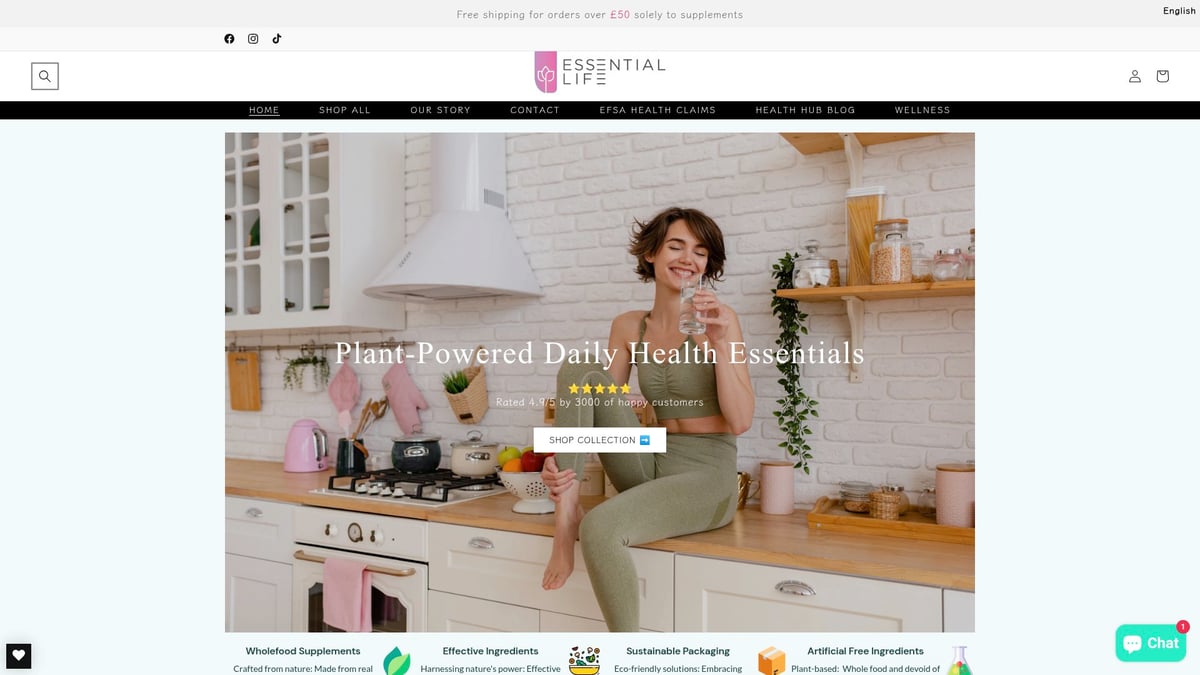
Products like “Gut Health Boost Probiotics” and “Feel Great Fibre Boost” are crafted to be easy on digestion while delivering science-backed benefits. Essential Life’s commitment to eco-friendly packaging and transparent sourcing aligns with the growing demand for sustainable wellness solutions.
Incorporating Essential Life supplements into your daily routine can support gut health, whether you are new to pre and probiotics or seeking a gentle, reliable option for ongoing wellness.
Navigating the Supplement Market in 2025
The landscape for pre and probiotics is rapidly evolving. Personalized and DNA-based gut health solutions are on the rise, offering tailored recommendations based on your unique microbiome. Regulatory updates now require stricter labeling and safety standards, helping consumers make more informed choices.
To avoid misleading claims, select reputable brands with clinical backing and transparent manufacturing practices. The global probiotics supplement market is projected to grow by 7% annually, reflecting increased consumer interest and innovation.
Stay vigilant by reading labels, researching products, and consulting with professionals. By choosing wisely, you can maximize the benefits of pre and probiotics for your health journey in 2025.
The Future of Prebiotics and Probiotics: Trends and Innovations
The landscape of pre and probiotics is evolving rapidly as we move through 2025. Scientific breakthroughs, new product formats, and personalized solutions are reshaping how we approach gut health. Let’s explore the major trends and innovations guiding the future of pre and probiotics.
Cutting-Edge Research and Breakthroughs
Recent years have delivered remarkable insights into the world of pre and probiotics. Advanced microbiome sequencing now allows researchers to map the gut ecosystem with unprecedented accuracy. This has led to the discovery of new probiotic strains that target specific health outcomes, such as mental wellness and immune support.
A key innovation is the identification of unique bacterial metabolites that influence inflammation, metabolism, and even brain function. Studies have shown that some next-generation probiotics can modulate neurotransmitter production, opening doors for novel therapies in mood and cognition.
For a comprehensive overview of the latest scientific milestones, see Key advances in gut microbiome research during 2024. These breakthroughs underscore the growing role of pre and probiotics in both daily wellness and targeted clinical interventions.
Synbiotics and Postbiotics: What’s Next?
The synergy between pre and probiotics is giving rise to synbiotics, which combine both in a single formulation for enhanced gut support. Synbiotics are designed to optimize the growth and function of beneficial bacteria, leading to improved gut barrier integrity and immune balance.
Another emerging category is postbiotics. These are beneficial byproducts produced when gut bacteria ferment prebiotic fibers. Postbiotics, such as short-chain fatty acids, have demonstrated anti-inflammatory and metabolic benefits.
Consumers can expect to see more products featuring these advanced ingredients. As research deepens, synbiotics and postbiotics are poised to become essential components of comprehensive gut health routines, highlighting the dynamic future of pre and probiotics.
Personalized Gut Health: The Rise of Precision Nutrition
Personalized nutrition is transforming how individuals approach pre and probiotics. At-home microbiome tests and AI-driven apps now offer tailored dietary recommendations based on unique gut profiles. This precision approach means that supplement regimens can be customized to optimize individual health outcomes.
Interest in personalized solutions is surging, with around 30% of consumers seeking bespoke gut health guidance. Digital platforms are integrating microbiome analysis with real-time tracking, empowering users to adjust their intake of pre and probiotics as their needs change.
For a deeper dive into how microbiome-based interventions are advancing, explore Microbiome 2.0: lessons from the 2024 Gut Microbiota for Health World Summit. The shift to precision nutrition highlights the increasing value of evidence-driven, individualized strategies in gut health.
The Role of Pre and Probiotics in Preventive Medicine
Pre and probiotics are now central to preventive medicine strategies. Integrating these into public health guidelines is helping to reduce the risk of chronic diseases, including allergies, diabetes, and obesity. Clinical trials continue to investigate how targeted supplementation can support immune function and improve metabolic health.
Healthcare providers are also using pre and probiotics to manage symptoms in conditions like IBS and inflammatory disorders. As the evidence base grows, these interventions are expected to play a larger role in both primary care and disease prevention.
Population studies reinforce that optimizing the gut microbiome can yield lasting benefits. This focus on prevention is shaping how pre and probiotics are recommended for lifelong wellness.
Sustainability and Ethical Sourcing
Sustainability is a growing priority in the world of pre and probiotics. Manufacturers are shifting toward plant-based, eco-friendly ingredients and reducing reliance on animal-based cultures. Packaging innovations are also minimizing environmental impact by using recyclable and biodegradable materials.
Ethical sourcing ensures that raw materials are obtained responsibly, supporting biodiversity and fair labor practices. Brands that prioritize sustainability not only appeal to environmentally conscious consumers but also contribute to the long-term viability of gut health solutions.
As demand rises, sustainability initiatives will be a defining feature of trusted pre and probiotics brands in 2025 and beyond.
Consumer Education and Regulatory Changes
Consumer awareness around pre and probiotics is at an all-time high. Regulatory agencies are implementing stricter standards for product safety, efficacy, and labeling transparency. This is making it easier for consumers to identify reputable brands and avoid misleading claims.
Education campaigns are helping people distinguish between evidence-based supplements and products with unsubstantiated promises. Reading ingredient lists, understanding strain specificity, and verifying third-party certifications are essential steps in making informed choices.
As regulation and education advance, trust in the pre and probiotics market is strengthening. This empowers individuals to confidently integrate these products into their wellness routines while benefiting from the latest research.
Practical Steps to Optimize Your Gut Health in 2025
Supporting your gut microbiome is more important than ever as research continues to reveal the broad-reaching impact of gut health. To help you make evidence-based choices, here are six practical steps to optimize your gut health with pre and probiotics in 2025.
Step 1: Assess Your Current Diet and Lifestyle
Begin your gut health journey by reviewing your current habits. Track your daily intake of fiber, fermented foods, and processed or sugary items. Notice symptoms that may signal an imbalance, such as:
- Bloating
- Irregular bowel movements
- Unexplained fatigue
Utilize food journals or digital apps to log your meals and monitor patterns. By evaluating your baseline, you can identify areas for improvement and set clear goals for incorporating pre and probiotics. Self-assessment forms the foundation for every other step in optimizing your gut health.
Step 2: Incorporate Prebiotic-Rich Foods
Adding prebiotic foods to your meals is a cornerstone of gut wellness. Prebiotics are non-digestible fibers that fuel beneficial bacteria, enhancing the effects of pre and probiotics. Top choices for 2025 include:
- Chicory root
- Oats
- Green bananas
- Onions
- Jerusalem artichoke
Start by sprinkling oats on yogurt or adding onions to salads. Increase your intake gradually to avoid digestive discomfort. By prioritizing prebiotic-rich foods, you support a thriving gut environment and set the stage for long-term health benefits.
Step 3: Add Probiotic Foods and/or Supplements
Probiotic foods introduce live, beneficial microbes into your system. To maximize the impact of pre and probiotics, enjoy options such as:
- Yogurt with active cultures
- Kefir
- Kimchi and sauerkraut
- Miso and tempeh
If you choose supplements, look for clear strain information, colony-forming unit (CFU) counts, and third-party certifications. Begin with a low dose and increase gradually as tolerated. This approach helps your gut adapt and reduces the risk of temporary discomfort.
Step 4: Combine for Synbiotic Effect
Pairing prebiotics and probiotics creates a powerful synergy, known as the synbiotic effect. For example, try overnight oats (prebiotic) with kefir (probiotic) and berries for breakfast. This combination optimizes the action of pre and probiotics, supporting gut barrier integrity and immune function.
Other meal ideas include:
- Whole grain toast with kimchi
- Roasted asparagus with a dollop of yogurt
- Banana slices with probiotic-rich miso dressing
Incorporating both food types amplifies the benefits for your microbiome.
Step 5: Monitor Results and Adjust
Track your progress by keeping a gut health journal. Record changes in digestion, mood, and energy after introducing pre and probiotics. If symptoms persist or worsen, consult a healthcare provider for personalized advice. For more on holistic strategies and common questions, visit the Holistic Health FAQs.
Adjust your intake based on life changes, such as travel, illness, or new medications. Ongoing monitoring ensures you remain responsive to your body’s needs.
Step 6: Stay Informed and Adapt to New Science
Gut health science evolves rapidly, so staying updated is essential. Follow reputable sources, attend webinars, and consider reading about how microbiome research is leading to better GI health. Evidence-based guidance will help you make informed decisions about pre and probiotics.
Be open to adjusting your regimen as new research emerges. Remember, personalized approaches yield the best results for optimal gut health.
As we’ve explored, nurturing your gut with the right balance of prebiotics and probiotics can truly transform your health in 2025 and beyond. If you’re ready to put these insights into practice and want clean, plant-based support, I invite you to check out Essential Life’s carefully crafted supplements. Every product is vegan, natural, and designed to fit seamlessly into your wellness routine—so you can feel your best, inside and out. Take the next step toward a healthier, more vibrant you and Shop Now.