

Pregnancy Vitamins Guide: Essential Tips for 2025 Moms
Are you pregnant or planning to become a mom in 2025? With new research and updated nutrition guidelines, this year is shaping up to be pivotal for expectant mothers.
Choosing the right pregnancy vitamins is now more important than ever. Evidence-based insights can make all the difference for your health and your baby’s development.
This guide will help you understand which nutrients matter most, how to select trusted supplements, the best time to start, and practical tips for daily success. Read on to empower your pregnancy journey with the most current information available.
Why Pregnancy Vitamins Matter in 2025
Pregnancy is a time of dynamic change, and the right nutrients are more vital than ever. As 2025 approaches, research continues to reveal just how crucial pregnancy vitamins are for both mother and baby. Understanding why these supplements matter can help you make informed decisions for a healthy, thriving pregnancy.

Increased Nutrient Demands During Pregnancy
During pregnancy, your body requires more of certain vitamins and minerals to support both your health and your baby's development. Key nutrients like folic acid, iron, calcium, and vitamin D are in especially high demand. Deficiencies in these can increase the risk of neural tube defects and anemia, which is why current recommendations stress the importance of starting pregnancy vitamins even before conception.
For example, the Mayo Clinic notes that folic acid is essential for preventing serious brain and spinal cord defects, while iron is vital for building the placenta and supporting fetal growth. Women who begin folic acid supplementation at least three months before conception see a lower risk of neural tube defects. Data shows up to 30 percent of pregnant women do not meet daily iron needs through diet alone. While whole foods should form the foundation of any pregnancy diet, supplements bridge common nutritional gaps and ensure both mom and baby get what they need. For more details on recommended nutrient intakes, see the Nutrition During Pregnancy resource from Johns Hopkins Medicine.
The Role of Vitamins in Fetal and Maternal Health
The foundation of pregnancy vitamins lies in their ability to support vital developmental processes. Folic acid, iron, calcium, and vitamin D help build your baby's brain, bones, and organs. If you are deficient in these nutrients, it can impact your child's long-term cognitive and immune health. Recent research highlights how prenatal nutrition can affect wellness throughout life, emphasizing the far-reaching effects of these choices.
Taking pregnancy vitamins is a proactive step for both immediate and future health. By ensuring adequate intake of these nutrients, you help protect against complications and support optimal fetal growth. These supplements are not just about filling gaps in your diet, but about laying the groundwork for lifelong wellness. Expert guidance and updated guidelines in 2025 further reinforce the importance of a comprehensive approach to prenatal nutrition.
Modern Lifestyle Challenges
Today's fast-paced world presents new challenges for expectant mothers. Busy schedules, dietary restrictions, and fluctuating food quality make it increasingly difficult to get all necessary nutrients from food alone. If you follow a vegetarian, vegan, or allergy-friendly diet, you may require a tailored approach to pregnancy vitamins.
For instance, omega-3 fatty acids, crucial for fetal brain development, are often lacking in plant-based diets. Customized vitamin plans have become more important than ever in 2025, addressing specific lifestyle and dietary needs. By choosing pregnancy vitamins that suit your individual situation, you can overcome these modern barriers and give your baby the best possible start. Speak with your healthcare provider to design a plan that fits your unique circumstances and ensures you meet every nutritional milestone.
Essential Vitamins and Minerals for Pregnancy
Choosing the right pregnancy vitamins is essential for supporting both mother and baby during this critical time. A balanced approach, combining real food with targeted supplementation, helps ensure optimal development and maternal wellbeing. Let’s break down the key nutrients every expecting mom should focus on.
Folic Acid: The Neural Tube Protector
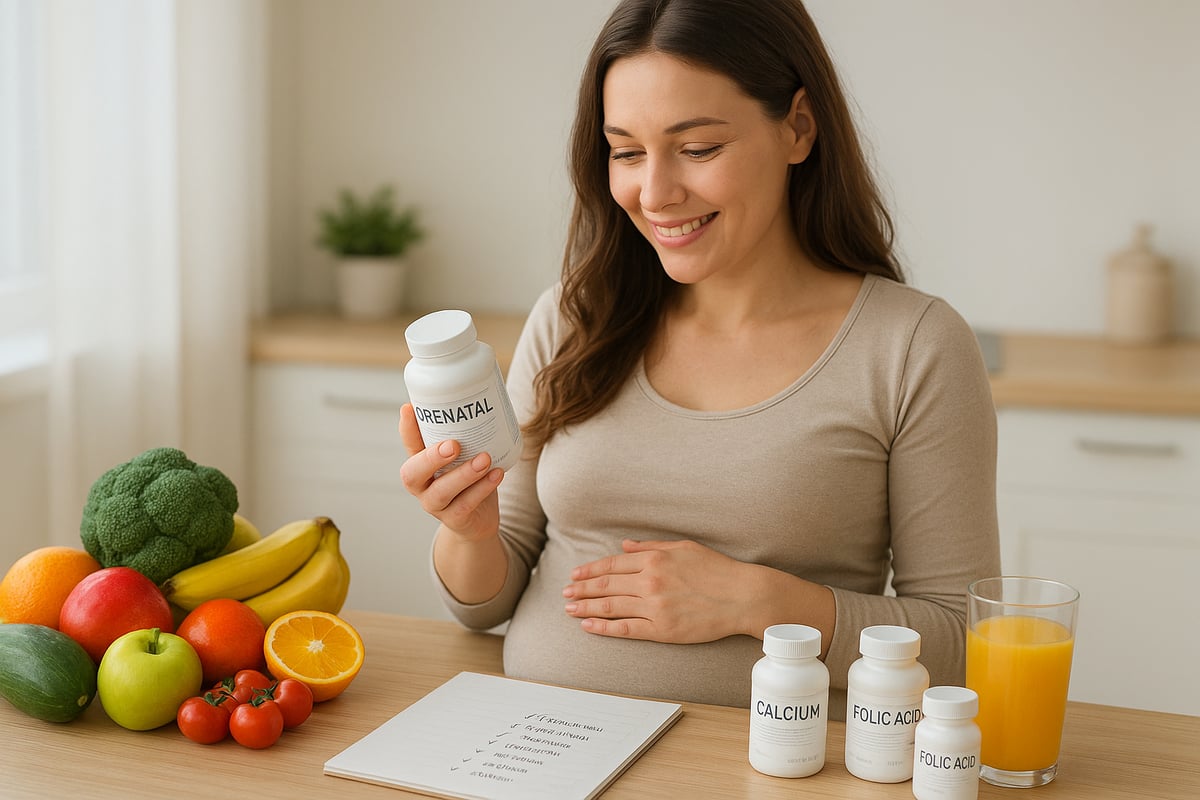
Folic acid is a cornerstone of pregnancy vitamins, vital for preventing neural tube defects in early fetal development. Experts recommend starting with 400-800 mcg daily, ideally three months before conception. Folic acid supports the formation of the baby's brain and spinal cord, reducing the risk of serious birth defects. Products like One A Day® Pre-Pregnancy Couple’s Pack put folic acid front and center, making it easy to meet daily needs. Consistent intake is key for both planned and unplanned pregnancies, as the neural tube forms very early.
Iron: Supporting Blood and Oxygen Supply
Iron is another critical component of pregnancy vitamins. During pregnancy, blood volume increases, and iron supports the placenta and fetal growth. A deficiency can lead to maternal anemia, which affects energy and oxygen delivery to the baby. The dose varies based on individual needs, but most prenatal supplements are formulated to cover this increased demand. Iron deficiency is the most common nutrient gap in pregnancy, so routine supplementation is often necessary. Look for gentle, well-absorbed iron forms to minimize side effects.
Calcium and Vitamin D: Bone and Teeth Formation
Calcium and vitamin D work together to support the development of strong bones and teeth in the growing baby. Calcium is essential for skeletal formation, while vitamin D enhances its absorption and also supports immune function. Many pregnancy vitamins provide 200-300 mg calcium and 400-600 IU vitamin D per serving. These nutrients also help maintain maternal bone health during pregnancy. For those with limited dairy intake or sun exposure, supplementation becomes even more important.
Omega-3 Fatty Acids (DHA/EPA): Brain and Eye Development
Omega-3 fatty acids, especially DHA, are crucial for the baby’s brain and eye development. Not all pregnancy vitamins include DHA or EPA, so it may require a separate supplement, particularly for those who eat little or no fish. Algae-based DHA is a popular option for vegetarians and vegans. One A Day® prenatal products often highlight DHA as a key ingredient. Ensuring adequate omega-3 intake supports cognitive and visual development for the baby.
Iodine and Zinc: Growth, Immunity, and Hormone Balance
Iodine is necessary for healthy thyroid function and cognitive development, while zinc plays a major role in immune health and cell growth. The World Health Organization recommends 220 mcg of iodine daily during pregnancy. Many pregnancy vitamins include both nutrients to support balanced growth and hormone regulation. For those with dietary restrictions, checking supplement labels for adequate iodine and zinc is especially important.
B Vitamins, Vitamin C, and Vitamin E: Cellular Health and Immunity
B vitamins help with energy production and metabolism, supporting the increased demands of pregnancy. Vitamin C and E act as antioxidants, protecting cells from damage and boosting immune function. Comprehensive pregnancy vitamins include these nutrients for complete support. Some brands highlight easy-to-absorb forms and gentle blends to reduce digestive discomfort, making them suitable for sensitive stomachs.
Nutrient Dosage Considerations
It is important to avoid excessive intake of certain nutrients, especially vitamin A, which can cause birth defects if consumed in high amounts. Always consult your healthcare provider for personalized recommendations, especially if you have a history of pregnancy complications or unique dietary needs. For a detailed breakdown of safe and effective vitamin and mineral dosages, refer to the Dietary Supplements and Life Stages: Pregnancy factsheet by the NIH Office of Dietary Supplements. Regular check-ins and lab testing ensure your supplement plan remains tailored to your evolving needs.
How to Choose the Right Prenatal Vitamin in 2025
Selecting pregnancy vitamins in 2025 requires more than just picking a popular brand. With evolving guidelines and new supplement options, it is essential to know what to look for to ensure both safety and effectiveness for you and your baby.
Key Criteria for Selecting Prenatal Vitamins
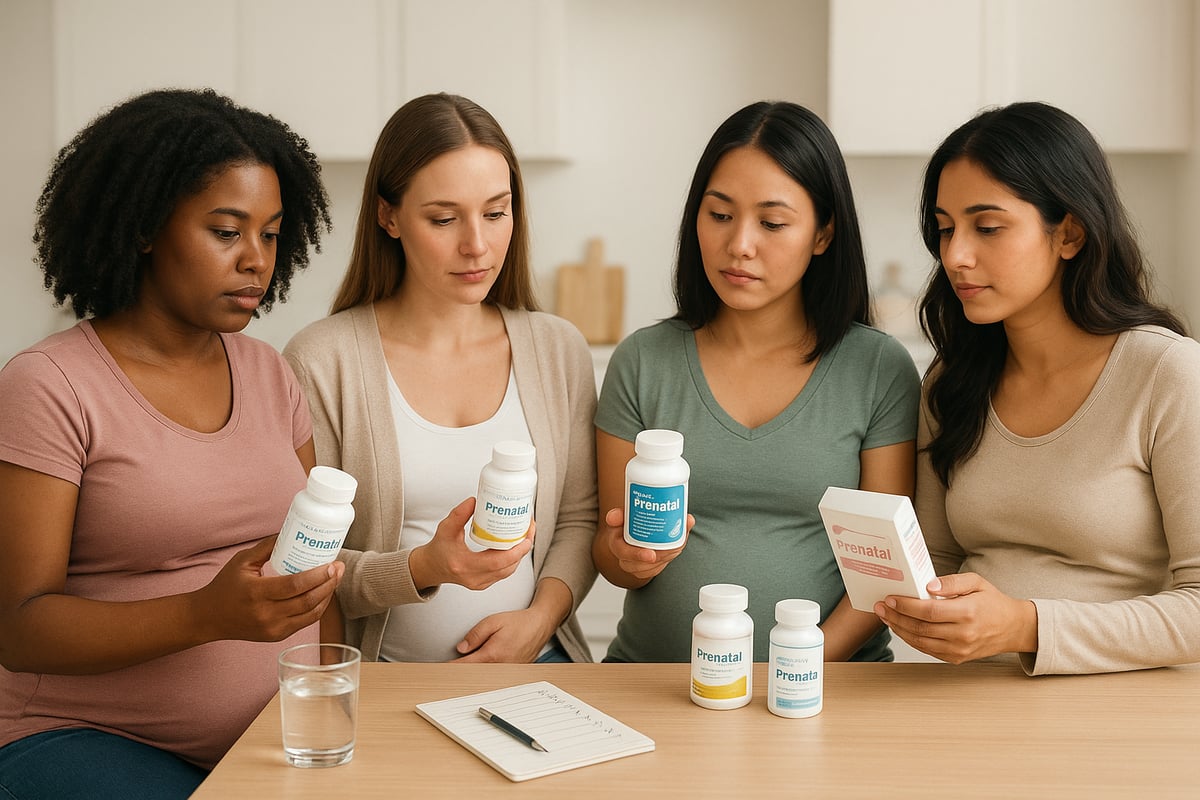
When evaluating pregnancy vitamins, prioritize brands that are third-party tested for purity and potency. Look for a transparent ingredient list, and confirm that the supplement includes core nutrients like folic acid, iron, calcium, vitamin D, iodine, zinc, and DHA. Compare supplement facts panels to ensure accurate dosages and avoid products with artificial colors, sweeteners, or unnecessary fillers.
Consider reading resources like Navigating the supplement landscape to gain a deeper understanding of the differences between conventional, vegan, organic, and food-based supplements. This knowledge will help you make an informed choice that best fits your health goals and preferences.
Understanding Labels and Certifications
Certifications provide valuable assurance of product quality. Seek pregnancy vitamins labeled with NSF, USP, or Non-GMO Project certifications. These marks indicate rigorous testing for safety and ingredient accuracy. If you have dietary restrictions, look for gluten-free, dairy-free, or allergen-friendly options, which are becoming more common among reputable brands.
For example, some prenatal vitamins are specifically formulated to exclude common allergens, artificial flavors, and high fructose corn syrup. This attention to clean labeling can make a significant difference for moms with sensitive systems or specific health needs.
Cost, Accessibility, and Form (Pill, Gummy, Liquid)
The form of pregnancy vitamins can impact daily adherence. Pills, gummies, and liquids each have pros and cons. Pills often provide the most complete nutrient profile, but some may find them difficult to swallow. Gummies are more palatable, yet often lack iron. Liquid vitamins are gentle on the stomach and easier to ingest, especially if you experience nausea.
Cost and accessibility also matter. While prices vary, prioritize quality and essential nutrients over low cost. Many high-quality supplements are now available online and in stores, making it easier to find the right fit for your lifestyle.
When to Consult a Healthcare Provider
Personalized guidance is crucial when choosing pregnancy vitamins. Consult your healthcare provider to tailor your supplementation based on your medical history, dietary habits, and any lab results. This is especially important if you are expecting multiples, have had previous birth complications, or live with chronic health conditions.
A professional can help adjust dosages, recommend specific formulations, and monitor your progress throughout pregnancy, ensuring you and your baby receive optimal nutritional support.
When and How to Start Taking Pregnancy Vitamins
Knowing when and how to begin taking pregnancy vitamins can make a significant difference in your health and your baby's development. Experts recommend starting pregnancy vitamins at least three months before conception, as the neural tube forms during the first month, often before you know you are pregnant.
Ideal Timing: Preconception to Postpartum
To maximize the benefits of pregnancy vitamins, start before you conceive and continue throughout pregnancy and breastfeeding. Research shows that early supplementation improves vitamin D levels and reduces the risk of neural tube defects. For example, the Early Prenatal Use of Multivitamins and Vitamin D Status study highlights the importance of early and consistent use for optimal maternal and fetal health.
Ideally, all women of reproductive age should consider pregnancy vitamins as part of their wellness routine, since many pregnancies are unplanned and nutritional needs increase quickly.
Daily Routines and Consistency Tips
Building a daily habit helps you get the most from your pregnancy vitamins. Here are some practical tips:
- Take your vitamin at the same time each day, such as with breakfast or dinner.
- Pair your dose with another daily activity, like brushing your teeth.
- Use phone reminders or pill organizers to avoid missed doses.
Consistency is key for maintaining steady nutrient levels and supporting healthy development.
Adjusting for Side Effects
Some women experience mild side effects from pregnancy vitamins, such as nausea or constipation. To reduce nausea, try taking your vitamin with food or at bedtime. If iron causes constipation, increase your fiber and water intake. If symptoms persist, ask your healthcare provider about alternative formulations or gentle stool softeners.
Special Considerations for Dietary Restrictions
If you follow a vegan, vegetarian, or allergen-friendly diet, you may need specialized pregnancy vitamins. Look for options that include B12, iron, and algae-based DHA. Allergen-free brands are available for those with gluten, soy, or dairy sensitivities. Discuss your needs with your provider to ensure complete coverage.
Monitoring for Effectiveness
Track your energy, digestion, and overall wellness when starting pregnancy vitamins. Routine lab work can help assess your iron and vitamin D levels. If you notice persistent fatigue or digestive issues, consult your healthcare provider to adjust your supplement plan for optimal results.
Common Questions and Challenges with Pregnancy Vitamins
Pregnancy vitamins are vital, but even the best routine can come with questions and challenges. Here’s how to handle common concerns and make the most of your prenatal nutrition journey.
Managing Side Effects (Nausea, Constipation)
Many women experience side effects from pregnancy vitamins, especially iron-related constipation or nausea. To ease discomfort, take your vitamins with food and plenty of fluids. If constipation persists, increase dietary fiber and stay active. For nausea, try taking vitamins at night or splitting doses. Pregnancy vitamins are formulated to support you, so do not hesitate to ask your provider for alternatives if side effects interfere with daily life.
What to Do If You Miss a Dose
Missing a dose of pregnancy vitamins is common and usually not a cause for concern. Do not double up—simply take your next scheduled dose as normal. Consistency is key, but occasional lapses will not harm your progress. To help remember, set daily reminders on your phone or pair your vitamins with an established habit, like breakfast. Building a routine ensures you get the full benefits of pregnancy vitamins over time.
Can You Get Enough from Food Alone?
Many moms wonder if a healthy diet is enough. While real food is the foundation, pregnancy vitamins fill unavoidable nutrient gaps. According to Nutrition Recommendations in Pregnancy and Lactation, up to 90% of pregnant women fall short on at least one essential nutrient. Supplements are designed to complement your meals and provide reassurance that you and your baby are covered.
Risks of Over-Supplementation
It is possible to have too much of a good thing. Excess vitamin A or D can be harmful during pregnancy. Always follow recommended doses and avoid taking multiple multivitamins unless advised by your doctor. Regular check-ins with your healthcare provider help keep your supplement routine safe and effective.
Adjusting for Changing Needs
Your body’s requirements may change throughout pregnancy, especially if you are carrying multiples or have specific health concerns. Pregnancy vitamins can be adjusted with your provider’s guidance to match each stage. If you have dietary restrictions, look for specialized formulations or seek advice from your provider. Personalized adjustments ensure your pregnancy vitamins meet your evolving needs.
Real Mom Experiences and Reviews
Real moms often share how pregnancy vitamins impact their energy, hair, and nails. Some prefer softgels or gummies for easier swallowing. Reviews of popular brands highlight the importance of pill size and taste. For those exploring different options or facing unique dietary needs, browsing vitamins and supplements collections can help you find the right fit. Hearing from others and trying various forms can make the journey smoother.
Natural and Plant-Based Prenatal Vitamin Options
Choosing the right pregnancy vitamins in 2025 means more than just picking a bottle off the shelf. Modern moms are turning to clean, plant-based options for holistic support. This shift reflects a growing desire for supplements that align with personal values, dietary needs, and health goals.
The Rise of Clean, Plant-Based Supplements
Interest in plant-based pregnancy vitamins has surged as more women seek vegan, allergen-free, and sustainable solutions. These supplements often use real food sources, making them easier to digest and more appealing to health-conscious moms. Busy lifestyles and dietary restrictions drive demand, ensuring every mom can find a product tailored to her needs.
Benefits of Choosing Natural Formulations
Natural pregnancy vitamins are made with fewer artificial additives and prioritize gentle, bioavailable ingredients. Many moms find these options are easier on sensitive stomachs and reduce the risk of side effects. For a deeper understanding of why natural, food-based supplements are so beneficial, explore Natural food-form supplements for evidence-backed insights.
What to Look for in Plant-Based Prenatal Vitamins
When evaluating plant-based pregnancy vitamins, ensure the formula provides essential nutrients like B12, iron, DHA, and choline. Third-party testing and transparent sourcing are key for safety and quality. Look for clear labeling and avoid proprietary blends that hide ingredient amounts. A balanced, complete profile supports both mom and baby's development.
Essential Life: Plant-Based Prenatal Support
Essential Life offers 100% plant-based, wholefood pregnancy vitamins designed for modern moms. Their products are free from fillers, synthetic additives, and common allergens, focusing on gentle yet effective nutrition. Options include vegan multivitamins, algae-based omega-3s, and targeted blends, all crafted to support wellbeing throughout pregnancy and beyond.

Practical Tips for Choosing the Right Natural Supplement
Read ingredient labels carefully and consult your provider about the best pregnancy vitamins for your unique needs. Consider trying vegan options highlighted in Unlock your wellness potential with vegan supplements for additional guidance. Monitor how you feel, and adjust your routine to ensure optimal support for you and your baby.
As you prepare for your journey into motherhood, it’s clear that choosing the right prenatal vitamins is about more than just ticking boxes—it’s about nourishing your body with pure, plant-based ingredients that support you and your baby, every step of the way. With so many options out there, prioritizing clean, effective supplements tailored to your needs can make a real difference in your wellbeing. If you’re ready to embrace a holistic approach to prenatal health and want the best nature has to offer, Your body deserves better choose clean supplements that work.