

Probiotic Prebiotic Guide: Unlock Gut Health in 2026
Imagine unlocking better digestion, stronger immunity, and vibrant energy simply by supporting your gut health. In 2026, understanding the role of probiotic prebiotic strategies stands at the center of optimizing your gut microbiome and overall wellbeing.
This guide will walk you through what probiotics and prebiotics are, how they work, and the latest breakthroughs in gut health research. You'll discover practical steps to improve your daily routine and learn how to select the best supplements and foods for your unique needs.
Ready to transform your health? Explore new science, proven solutions, and an actionable approach to gut wellness that empowers you to take charge of your wellbeing.
Understanding Probiotics and Prebiotics
Supporting your gut health begins with understanding the difference between probiotics and prebiotics, and how they work together. Each plays a unique role in optimizing your digestive system, immunity, and overall wellbeing.
What Are Probiotics?
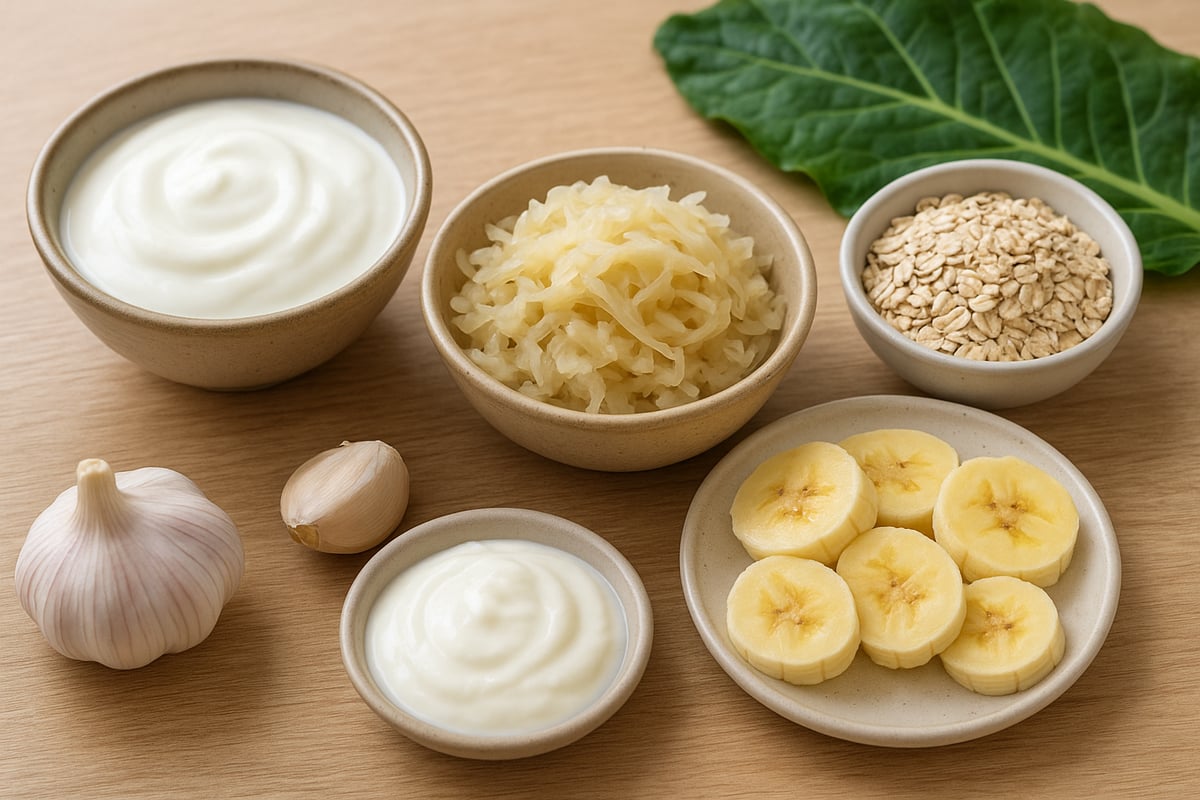
Probiotics are live microorganisms that, when consumed in the right amounts, provide proven health benefits. Common strains include Lactobacillus, Bifidobacterium, and Saccharomyces boulardii, each with unique effects. You can find probiotics naturally in foods like yogurt, kefir, sauerkraut, and kimchi.
These beneficial bacteria help balance your gut flora, support digestion, and strengthen your immune system. For example, consuming probiotic yogurt may ease symptoms of lactose intolerance. Considering that over 70 percent of your immune system resides in your gut, the impact of a probiotic prebiotic approach is significant.
What Are Prebiotics?
Prebiotics are non digestible fibers that act as fuel for the beneficial bacteria in your gut. Key types include inulin, fructooligosaccharides (FOS), and galactooligosaccharides (GOS). You’ll find prebiotics in foods such as garlic, onions, bananas, asparagus, and whole grains.
Their role is to stimulate the growth and activity of probiotics and native gut flora. For instance, inulin from chicory root specifically promotes Bifidobacteria. Research links prebiotic rich diets to a lower risk of metabolic diseases, making the probiotic prebiotic combination a powerful tool for health.
Probiotics vs. Prebiotics: Key Differences and Synergy
While probiotics are live bacteria, prebiotics are the fibers that feed them. Both are essential for optimal gut health, and their effects are maximized when used together. This synergy is often referred to as the "synbiotic" effect.
For example, enjoying a breakfast of yogurt (probiotic) with oats (prebiotic) enhances the benefits of both. A balanced probiotic prebiotic strategy supports better digestion, immunity, and metabolic function. To explore the science behind this synergy, consult the Probiotics, Prebiotics, Synbiotics, Postbiotics, and Paraprobiotics—New Perspectives on Functional Foods and Nutraceuticals review for in depth insights.
| Feature | Probiotics | Prebiotics |
|---|---|---|
| What they are | Live beneficial bacteria | Non digestible fibers |
| Main sources | Yogurt, kefir, kimchi | Garlic, onions, oats |
The Concept of Synbiotics
Synbiotics are products or meals that combine both probiotics and prebiotics, creating an environment where beneficial bacteria can thrive. This approach improves gut colonization and enhances the effectiveness of each component.
Examples include synbiotic supplements or simple meals like yogurt with flaxseed. Adopting a probiotic prebiotic routine through synbiotics ensures your gut receives comprehensive support for optimal health.
The Gut Microbiome Revolution in 2026
The year 2026 marks a turning point in our understanding of gut health. Rapid advances in science have made the gut microbiome a central focus for anyone seeking better digestion, immunity, and energy. Whether you are new to the probiotic prebiotic conversation or an experienced health enthusiast, new research is transforming how we approach gut wellness.
Advances in Gut Health Science
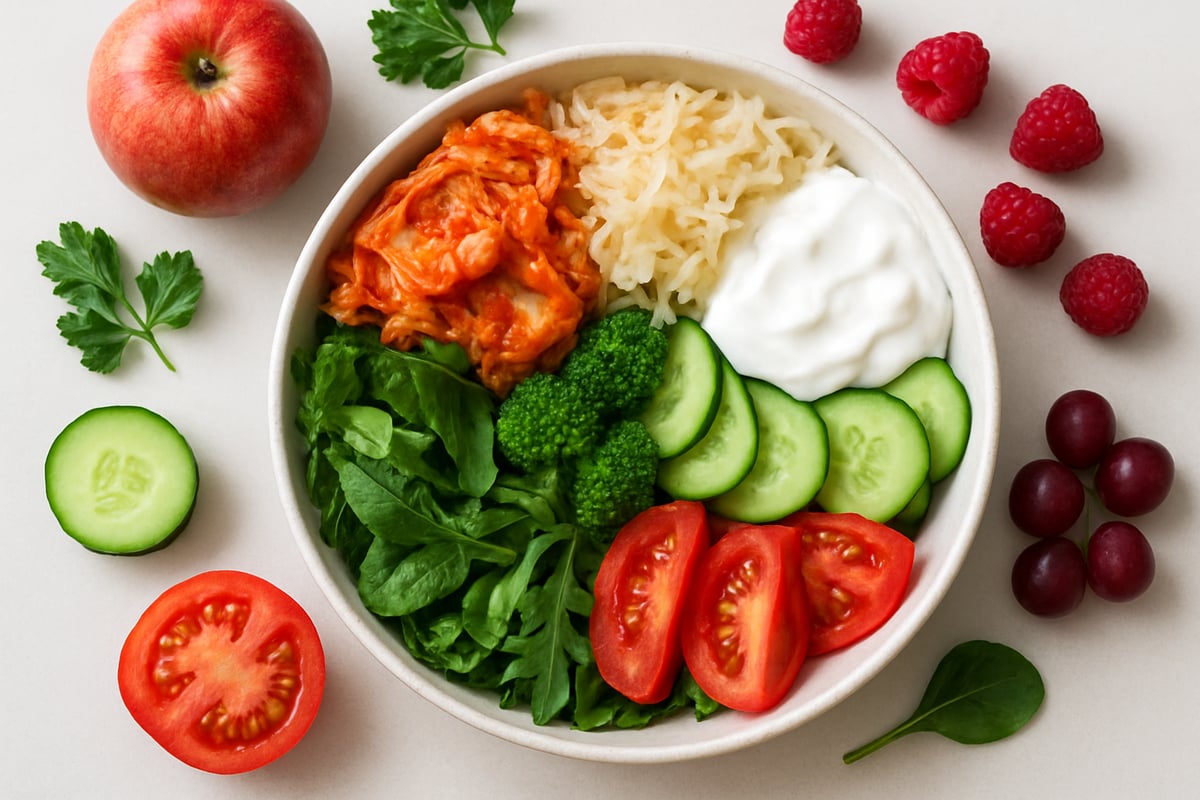
In 2026, breakthroughs in gut health science are reshaping how we view the human microbiome. Researchers have mapped a wider range of gut bacteria, revealing how diversity supports not just digestion but also mood and immunity. Personalized gut health plans, based on microbiome sequencing, are now accessible to more people.
Recent studies connect the balance of gut bacteria with conditions like diabetes, obesity, and depression. These discoveries highlight the essential roles of both probiotic prebiotic strategies for optimal health. For a detailed look at ongoing research and its impact, refer to the Gut Microbiome - American Gastroenterological Association.
The field now recognizes that the right mix of beneficial bacteria can help regulate metabolism and immune response, making gut care more important than ever.
Why Gut Health Matters More Than Ever
Modern lifestyles often disrupt the gut’s delicate balance. Stress, processed foods, and overuse of antibiotics can harm beneficial microbes, leading to digestive issues and even allergies. As a result, more people report symptoms like bloating, food intolerances, and irregularity.
The gut-brain axis, a two-way communication system, means gut health also affects mental wellbeing. Clinical trials show that probiotic prebiotic interventions can lower anxiety and support emotional balance. The growing body of evidence underscores why maintaining gut health is a top priority in 2026.
Common Gut Health Challenges in 2026
Today’s world poses unique challenges to gut health. Antibiotic resistance threatens the stability of healthy gut flora. Diets high in ultra-processed foods, which lack fiber and nutrients, further disrupt microbial diversity.
Environmental toxins also play a role in altering the gut ecosystem. These factors contribute to rising rates of metabolic syndrome and other chronic conditions. Addressing these issues with a proactive probiotic prebiotic approach can help restore balance and reduce the risk of long-term health problems.
The Role of Diet and Lifestyle
Diet and lifestyle choices are now recognized as powerful tools for supporting the gut microbiome. Plant-based, fiber-rich diets promote a thriving community of beneficial bacteria. Regular physical activity, quality sleep, and effective stress management all contribute to a healthier gut.
Research shows that adopting a high-fiber diet can lower the risk of chronic disease by up to 30 percent. Integrating probiotic prebiotic foods into daily meals is a practical way to build resilience and maintain gut health for the future.
How Probiotics and Prebiotics Unlock Gut Health: Step-by-Step Guide
Unlocking optimal gut health in 2026 is not just about taking a supplement or eating more yogurt. A practical, stepwise approach ensures lasting results. This guide walks you through each essential step, making it easy to incorporate probiotic prebiotic strategies into your routine.

Step 1: Assess Your Gut Health
Start by tuning in to your body’s signals. Common signs that your gut may be out of balance include bloating, irregular bowel movements, low energy, and frequent colds or infections. If you notice these symptoms, consider using self-assessment tools such as online symptom checklists or gut health quizzes.
For a more detailed picture, microbiome testing kits are now widely available. These tests analyze your gut bacteria and can offer personalized recommendations. If your symptoms persist or worsen, consult a healthcare professional for a thorough evaluation. Tracking your daily symptoms in a journal helps you monitor progress as you introduce probiotic prebiotic changes.
Step 2: Incorporate Probiotic-Rich Foods
Adding probiotic-rich foods to your daily meals is a cornerstone of gut health. Excellent sources include:
- Yogurt with live active cultures
- Kefir
- Miso
- Kimchi
- Tempeh
- Sauerkraut
Aim to include at least one serving daily. Check product labels for “live and active cultures” to ensure you are getting the real benefits. Research shows that regular consumption of these foods, as part of a probiotic prebiotic regimen, can reduce digestive discomfort by up to 20 percent. For variety, rotate different fermented foods throughout the week.
Step 3: Boost Prebiotic Intake Naturally
Prebiotics are the essential fuel for your beneficial gut bacteria. Top prebiotic foods include:
- Garlic
- Onions
- Leeks
- Asparagus
- Bananas
- Oats
- Apples
Try easy recipes like overnight oats with banana and a sprinkle of flaxseed for a tasty, fiber-rich breakfast. Gradually increase your fiber intake to help your gut adjust and prevent bloating. Studies confirm that a diet rich in prebiotics, paired with probiotic prebiotic strategies, leads to more diverse and resilient gut flora in just a few weeks.
Step 4: Consider Supplements (If Needed)
Sometimes, diet alone does not cover your needs. After taking antibiotics, during travel, or if dietary options are limited, a supplement can help. Look for products that clearly list clinically tested strains and colony-forming units (CFUs) on the label.
For a comprehensive approach, choose a supplement that combines both probiotics and prebiotics, such as a Gut Health Hero Complex. This ensures you are supporting your gut with both beneficial bacteria and the nutrients they need. Remember, the FDA does not tightly regulate supplements, so opt for reputable brands and consult your healthcare provider if unsure.
Step 5: Monitor and Adjust
Track your digestion, energy levels, and mood as you implement these steps. Adjust your intake of probiotic prebiotic foods and supplements based on how you feel and your lifestyle needs. If you do not see improvement or have ongoing symptoms, seek professional advice to tailor your gut health plan.
Choosing the Best Probiotic and Prebiotic Products in 2026
Selecting the right probiotic prebiotic products in 2026 requires more than just grabbing a supplement off the shelf. The market is vast, but knowing what to look for ensures you get products that genuinely support your gut health goals.
What to Look for in Probiotic Supplements
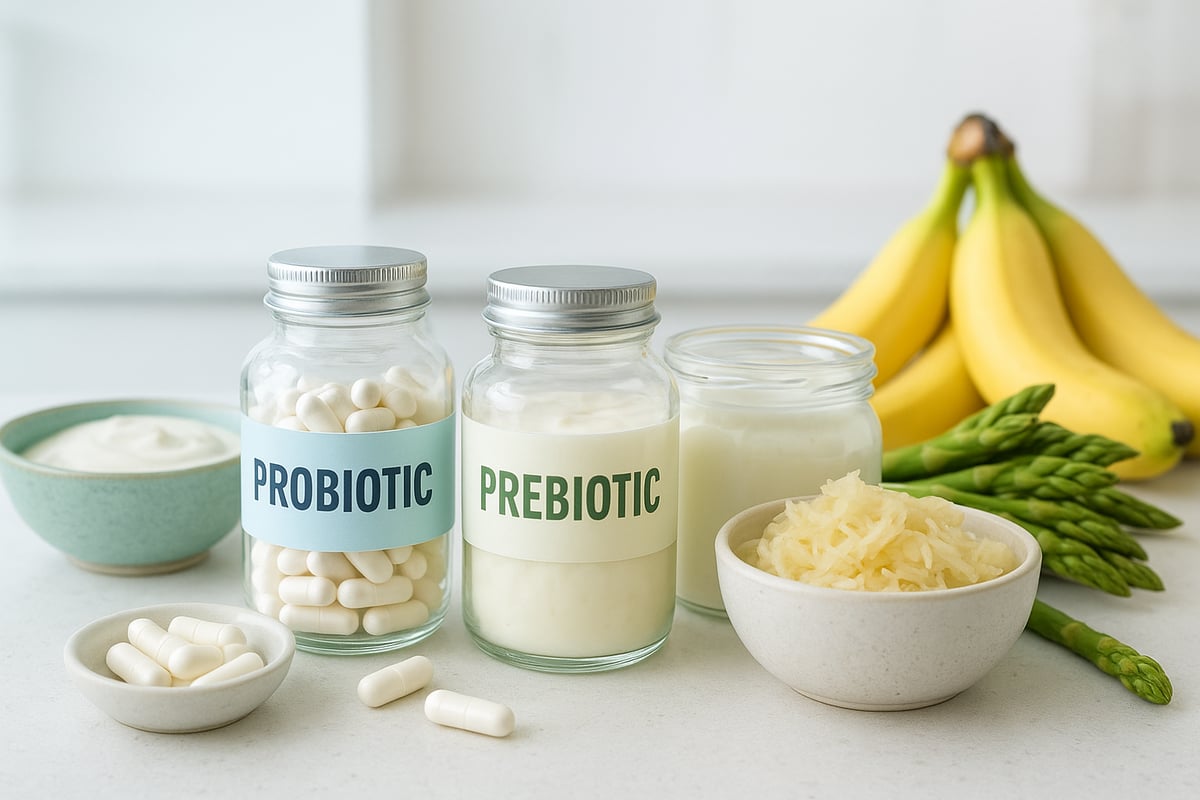
When shopping for a probiotic prebiotic product, start by examining the strains included. Different strains serve different needs. For example, Lactobacillus rhamnosus GG is well-studied for immune support, while Bifidobacterium longum may benefit digestive comfort.
Check the CFU (colony-forming unit) count. Most adults benefit from 10 to 50 billion CFU per serving. Look for products that specify both the strains and the exact amounts. Shelf stability matters too. Some probiotics need refrigeration, while others are stable at room temperature.
Transparency is crucial. Choose supplements that undergo third-party testing for purity and potency. For a curated list of high-quality options, explore the Gut health supplements collection, which features a variety of probiotic prebiotic products tailored to different wellness needs.
Evaluating Prebiotic Supplements
A good probiotic prebiotic regimen also includes prebiotics. Look for supplements containing inulin, FOS, or GOS—these are the most researched types. Effective daily doses typically range from 3 to 10 grams.
Source quality matters. Choose plant-based, allergen-free options without unnecessary fillers or artificial additives. For example, inulin derived from chicory root is gentle and well-tolerated by most people.
Always check the label for dosage instructions and ingredient transparency. Combining prebiotics with probiotics, either in supplements or meals, can maximize gut health benefits. Recent studies, such as those covered in the Effects of Probiotics, Prebiotics, and Synbiotics on Gut Microbiota in Older Adults: A Systematic Review and Meta-Analysis, support the effectiveness of this approach.
Safety, Side Effects, and Regulation
Most people tolerate a probiotic prebiotic supplement well, but it is important to be aware of potential side effects. Some may experience mild bloating or gas when starting new products, especially if fiber intake increases rapidly.
Rarely, individuals with weakened immune systems or infants may face risks of infection. The FDA does not strictly regulate supplements, so always choose brands that are transparent and have third-party testing.
Consult a healthcare professional before starting any new probiotic prebiotic product, particularly if you have underlying health conditions. Adverse effects are rare but possible, so monitoring your body’s response is essential.
Essential Life: Clean, Plant-Based Gut Health Solutions
Essential Life offers a range of vegan probiotic prebiotic supplements made from whole foods. Their products are free from artificial additives and harsh fillers, focusing on gentle, effective support for digestion.
Label transparency and optimal bioavailability are central to their philosophy. Essential Life is an excellent choice for those seeking a natural, eco-friendly approach to gut health. For anyone prioritizing clean ingredients and sustainable practices, their probiotic prebiotic options stand out in the 2026 marketplace.
Integrating Probiotics and Prebiotics Into Your Daily Routine
Bringing the benefits of probiotic prebiotic support into your daily life is easier than you might think. With thoughtful meal planning, family-friendly strategies, lifestyle adjustments, and mindful tracking, you can nurture your gut health in a sustainable way. Here is how to make gut wellness a seamless part of your routine.
Meal Planning for Gut Health
A balanced meal plan is the foundation of probiotic prebiotic success. Start your day with probiotic yogurt topped with sliced bananas and oats, offering both probiotics and prebiotics. At lunch, enjoy a fiber-rich salad with asparagus, chickpeas, and a side of kimchi. For dinner, include steamed vegetables and a serving of sauerkraut or miso soup.
To maximize benefits, rotate fermented foods throughout the week. This variety helps different strains thrive in your gut. Consistent intake of both probiotic prebiotic sources leads to more stable gut flora over time, as shown in recent dietary studies.
Family-Friendly and Lifestyle Tips
Making probiotic prebiotic choices appealing for all ages is key. Consider smoothies made with yogurt or kefir blended with berries and bananas for a kid-friendly breakfast. Prebiotic snacks like apple slices with oats or whole grain oat bars can be packed for school or work.
For families on the go, shelf-stable probiotic options are invaluable. The Tiny Tummy Probiotic Boost is specifically designed for children, making it easy to support their gut health while traveling or during busy schedules. Plant-based and gluten-free alternatives are available for every dietary preference.
Supporting Gut Health Beyond Diet
Optimal probiotic prebiotic support extends beyond food. Managing stress through meditation, regular exercise, and quality sleep helps maintain a balanced gut-brain connection. Limit unnecessary use of antibiotics and processed foods, as these can disrupt your microbiome.
Hydration also plays a major role in digestive health. For those who need extra support, the Digestive Health Booster formula offers a vegan, plant-based supplement option. Remember, chronic stress and poor hydration have been shown to negatively impact gut flora balance.
Tracking Progress and Setting Goals
Monitoring your probiotic prebiotic journey ensures lasting results. Keep a dedicated gut health journal to note changes in digestion, mood, and energy. Set small, achievable goals, such as adding one new prebiotic food each week or trying a new fermented recipe.
Recognize improvements, and if symptoms persist, consult a healthcare professional for guidance. Tracking your progress empowers you to make adjustments and celebrate the positive impact of a consistent probiotic prebiotic routine.
As you’ve discovered, supporting your gut with the right balance of probiotics and prebiotics can make a world of difference in your digestion, energy, and overall wellbeing. Choosing clean, plant-based solutions helps you nourish your body naturally, without unnecessary additives or harsh chemicals. If you’re ready to take the next step towards unlocking better gut health, I encourage you to explore supplements that are crafted with care and transparency. You deserve to feel your best, inside and out—your journey to a healthier, more balanced you starts here.
Your body deserves better choose clean supplements that work