

Probiotics for Bacterial Vaginosis Guide: Insights for 2026
Imagine a future where relief from vaginal discomfort is within reach and backed by science. For millions, managing symptoms is a daily concern, but new breakthroughs in probiotics for bacterial vaginosis offer hope.
This guide delivers the latest 2026 insights on how probiotics for bacterial vaginosis can help prevent, control, and reduce recurrence. We bring together expert recommendations and recent research so you can make informed decisions.
You will discover what BV is, why the right probiotics matter, which strains and forms work best, and how to use them safely. We also explain expected results, possible side effects, and how to include probiotics in a holistic BV care plan.
Ready for natural relief and lasting results? Join us as we explore practical steps and proven strategies designed for your health in 2026.
Understanding Bacterial Vaginosis in 2026
What is Bacterial Vaginosis?
Bacterial vaginosis is recognized as the most common cause of vaginal discharge among women of reproductive age. In 2026, its prevalence remains significant, affecting up to 29% of women in this group globally. Typical symptoms include a noticeable vaginal odor, abnormal discharge, itching, and an elevated vaginal pH. Interestingly, about half of all cases present no symptoms at all.
The incidence of BV is higher in developing countries, with recent data suggesting these numbers will hold steady or rise slightly by 2026 due to ongoing healthcare disparities. BV does not just impact daily comfort, it is closely linked to reproductive complications, such as increased risk of preterm birth and pelvic inflammatory disease, which can affect overall quality of life. Understanding these risks is crucial when considering prevention strategies like probiotics for bacterial vaginosis.
The Microbiome and Vaginal Health
A healthy vaginal environment relies on a delicate balance of microorganisms, particularly Lactobacilli. These beneficial bacteria maintain vaginal acidity, creating a low pH that naturally defends against infections. When this balance is disrupted—a condition known as dysbiosis—harmful bacteria can multiply, leading to BV.
Common factors that contribute to this microbial imbalance include sexual activity, douching, antibiotic use, and hormonal fluctuations. These disruptors highlight the importance of supporting the vaginal microbiome. For more on the science of microbiome health and its connection to probiotics for bacterial vaginosis, see the Gut health and probiotics guide.
Challenges with Conventional BV Treatments
Standard treatment for bacterial vaginosis typically involves antibiotics like metronidazole, tinidazole, or clindamycin, following CDC guidelines. However, these medications are not without drawbacks. Many patients experience side effects, and recurrence rates remain high, with some women facing repeated episodes within months.
Antibiotic resistance is a growing concern, making these treatments less effective over time. Additionally, women are increasingly seeking natural alternatives due to worries about long-term safety and the desire for sustainable prevention. This is where interest in probiotics for bacterial vaginosis is rapidly growing, as people look for solutions that address both symptoms and underlying causes.
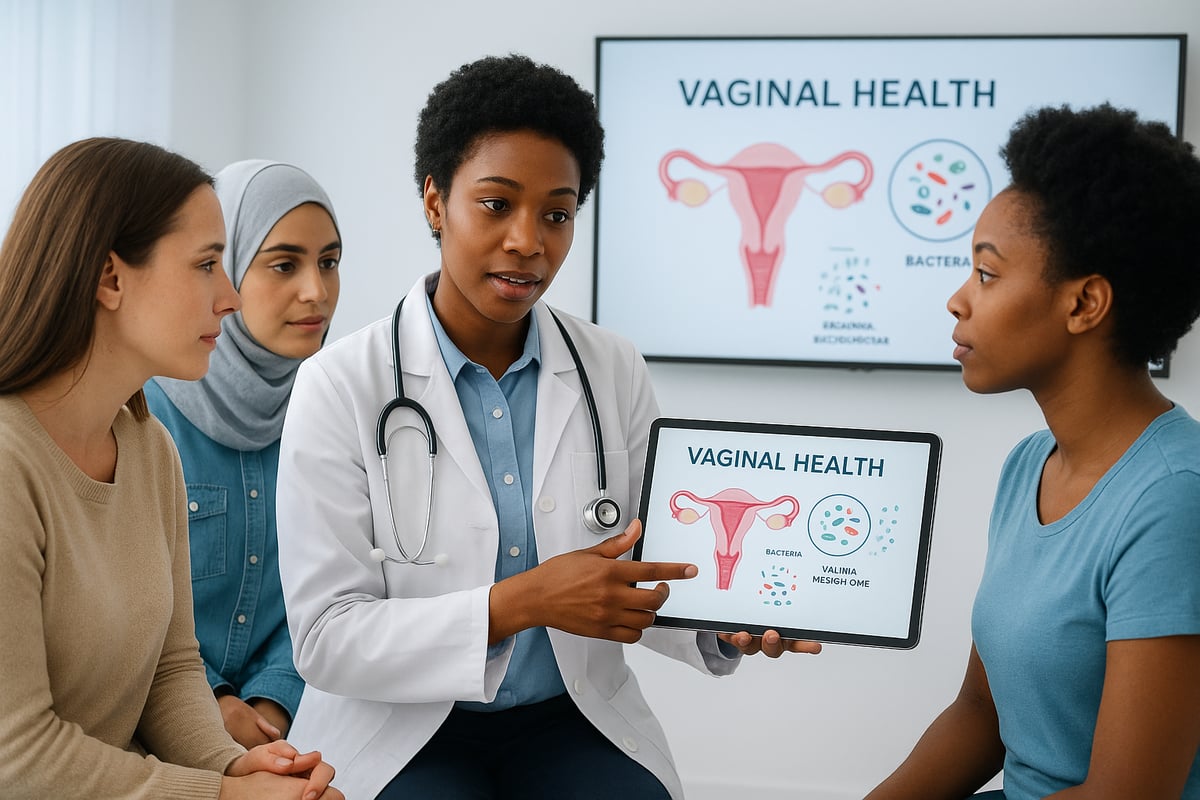
The Science: How Probiotics Help With BV
Understanding the science behind probiotics for bacterial vaginosis is essential for making informed choices in 2026. As research advances, clarity on mechanisms, efficacy, and best practices continues to grow. This section explores how probiotics for bacterial vaginosis work, what recent studies reveal, and how these insights shape treatment strategies.
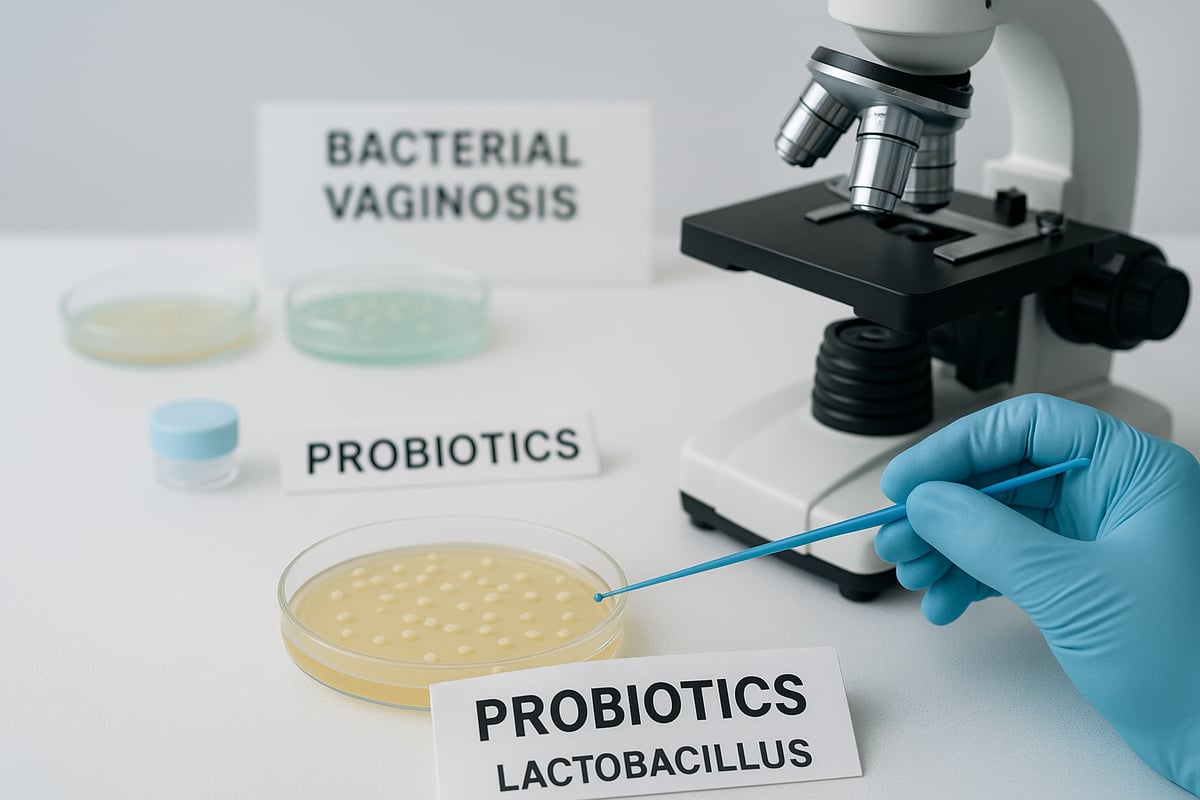
Mechanisms of Probiotics in BV Management
Probiotics for bacterial vaginosis work through several well-understood biological actions. First, they help replenish Lactobacillus species, which are vital for maintaining a healthy, acidic vaginal pH. This environment makes it difficult for harmful bacteria to thrive.
These beneficial bacteria also produce lactic acid and bacteriocins, natural compounds that directly inhibit the growth of BV-causing microbes. Another key mechanism is preventing pathogens from adhering to the vaginal walls, reducing the risk of infection and recurrence. With these strategies, probiotics for bacterial vaginosis offer a multifaceted approach to restoring and preserving vaginal health.
- Restore healthy vaginal pH
- Produce antimicrobial substances
- Block pathogen adhesion
Evidence from Recent Studies and Meta-Analyses
Recent research provides robust support for probiotics for bacterial vaginosis. A 2022 meta-analysis involving over 1,500 women showed that probiotic use led to significantly higher cure rates and a 45% reduction in recurrence compared to control groups. Adverse event rates were similar between probiotic and placebo groups, highlighting safety.
| Study Type | Cure Rate (%) | Recurrence Reduction (%) | Sample Size |
|---|---|---|---|
| Meta-analysis | 82 | 45 | 1,534 |
For those seeking deeper detail, the 2022 meta-analysis confirms that probiotics reduce BV recurrence risk, making them a promising option for prevention and management.
Probiotics as Adjunct or Standalone Therapy
Integrating probiotics for bacterial vaginosis with standard antibiotic treatment often results in better outcomes. When used together, probiotics can lower recurrence rates and support faster symptom relief. This approach is especially valuable for women with frequent BV episodes.
For mild or recurrent cases, probiotics for bacterial vaginosis may also be considered as a standalone therapy. Many users notice symptom improvement within days to weeks, though full clearance may take longer. Treatment duration and regimen should always be tailored to individual needs and guided by a healthcare provider.
Limitations and Future Directions
While the science on probiotics for bacterial vaginosis is promising, certain limitations remain. Many studies have small sample sizes or variations in probiotic strains and dosages. More large-scale, high-quality randomized controlled trials are needed to refine recommendations.
Ongoing research aims to identify the most effective strains, optimal dosages, and best administration methods. As 2026 approaches, expect continued advancements in personalized probiotic therapies for BV.
Choosing the Best Probiotics for BV in 2026
Selecting the right probiotics for bacterial vaginosis can make a significant difference in both symptom relief and prevention of recurrence. With new research emerging in 2026, understanding which strains, forms, and products to choose is essential for optimal results.
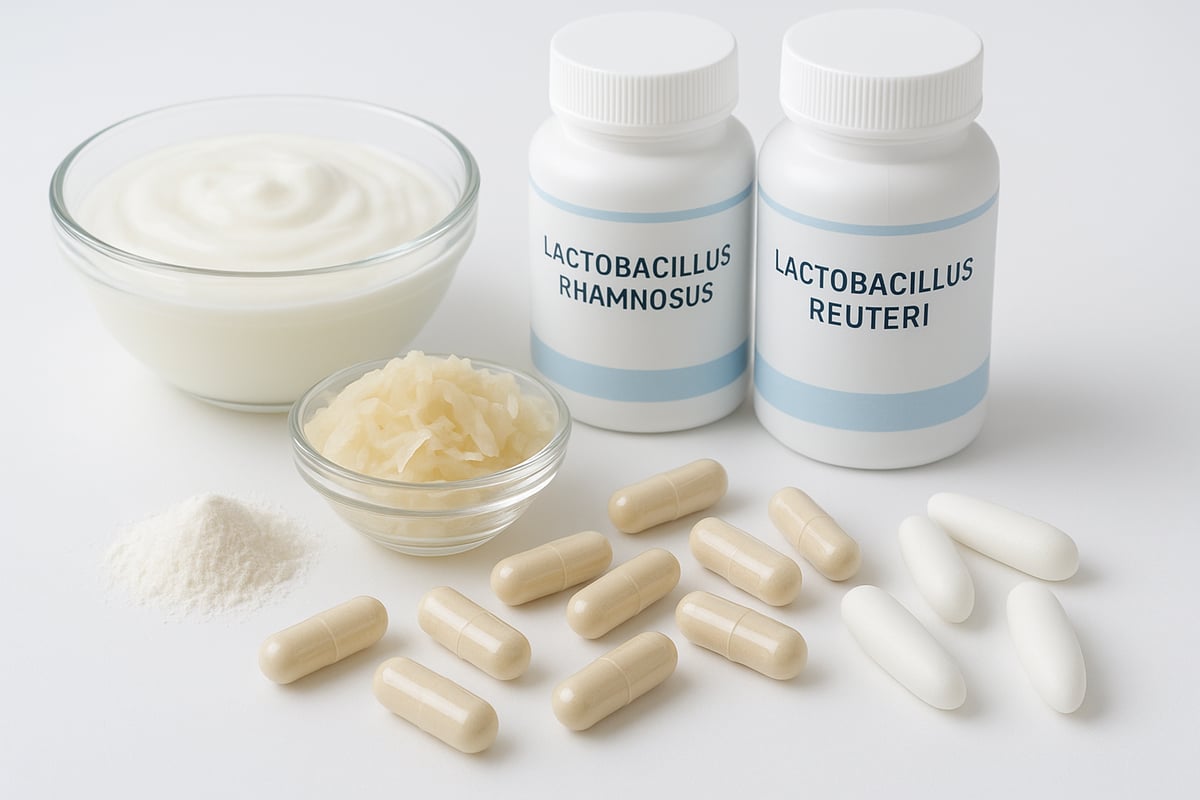
Most Effective Strains for Vaginal Health
The success of probiotics for bacterial vaginosis largely depends on selecting strains with proven benefits for vaginal health. Clinical evidence consistently highlights Lacticaseibacillus rhamnosus, Lactobacillus reuteri, L. acidophilus, and L. fermentum as top choices. These strains excel at producing lactic acid, which lowers vaginal pH and creates an environment hostile to harmful bacteria.
A quick overview:
| Strain | Key Benefit | Clinical Support |
|---|---|---|
| L. rhamnosus | Adheres to vaginal lining, pH balance | Multiple RCTs |
| L. reuteri | Anti-pathogen, restores flora | Meta-analyses |
| L. acidophilus | Supports immune function | Randomized trials |
| L. fermentum | Reduces inflammation, inhibits BV | In vitro and clinical |
Choosing probiotics for bacterial vaginosis with these strains increases the likelihood of achieving and maintaining vaginal health. Look for clear strain labeling and clinical backing when evaluating products.
Delivery Methods: Oral vs. Vaginal Probiotics
How you take probiotics for bacterial vaginosis also matters. Oral supplements—such as capsules, powders, or liquids—are widely available and easy to integrate into daily routines. They offer systemic benefits, supporting both gut and vaginal microbiomes.
Vaginal suppositories deliver beneficial bacteria directly to the site of infection, sometimes providing faster symptom relief. Topical applications, like plain yogurt, are popular for mild cases, though not all fermented foods are suitable for vaginal use.
If you are considering a supplement, review detailed product pages like the Gut Health Boost Probiotics supplement to compare ingredients and forms. Always match the delivery method to your health goals and comfort level.
Supplement Quality and Safety Considerations
The quality of probiotics for bacterial vaginosis is as important as the strains themselves. Look for products that have undergone third-party testing by organizations such as NSF, USP, or ConsumerLab. These certifications verify that supplements contain the advertised strains and potency, without unwanted fillers or contaminants.
Label transparency is crucial. Trustworthy products specify colony-forming units (CFUs), strain identification, and expiration dates. In the US and EU, probiotics are regulated as dietary supplements, so oversight can vary. Choose reputable brands with a track record of safety and effectiveness.
Dietary Sources of Probiotics
Adding probiotic-rich foods to your diet can support overall vaginal health. Options include yogurt with live cultures, kefir, sauerkraut, tempeh, miso, and kimchi. While these foods can aid in maintaining a healthy microbiome when eaten, they should not replace targeted supplements for managing bacterial vaginosis. Not all fermented foods are appropriate for vaginal use, so focus on oral consumption for dietary support.
Step-by-Step Guide: Using Probiotics for BV
Taking a stepwise approach is vital when starting probiotics for bacterial vaginosis. The right strategy can maximize benefits, reduce recurrence, and support long-term vaginal health. Here is a clear, actionable guide to help you get started and stay on track.

Step 1: Consult with a Healthcare Provider
Begin by discussing probiotics for bacterial vaginosis with your healthcare provider. Accurate diagnosis is essential, as BV shares symptoms with other conditions. Share your medical history, current symptoms, and any previous BV episodes to ensure safe, personalized recommendations.
Step 2: Selecting Your Probiotic Product
Choose a product containing clinically supported strains, such as Lacticaseibacillus rhamnosus or Lactobacillus reuteri. Look for reputable brands with clear labeling and third-party testing. Decide whether oral or vaginal administration best fits your needs. Many experts recommend products backed by strong evidence, such as those highlighted in the Probiotics as adjunct therapy for BV meta-analysis, which supports their effectiveness in BV management.
Step 3: Determining the Right Dosage and Duration
Dosing for probiotics for bacterial vaginosis typically starts at 1 billion CFUs, with some regimens using up to 50 billion CFUs daily. A common approach is two capsules per day for six weeks, but your healthcare provider may tailor this based on your situation. If taking antibiotics, space probiotics for bacterial vaginosis at least two hours apart to prevent interference. Symptom improvement may begin within days, but full benefits often appear after several weeks. Consistency is crucial for optimal results.
| Dosage Example | Duration | Frequency |
|---|---|---|
| 2 capsules (10B CFU) | 6 weeks | Daily |
| 1 capsule (5B CFU) | Ongoing | Daily |
| Vaginal suppository | 7–14 days | Nightly |
Step 4: Incorporating Probiotics into Your Routine
Make probiotics for bacterial vaginosis a daily habit. Take your supplement at the same time each day for best adherence. Pair this with dietary changes, such as adding yogurt, kefir, or other probiotic-rich foods, and reducing intake of sugar or irritants that can disrupt the vaginal microbiome.
Step 5: Monitoring Progress and Adjusting as Needed
Track your symptoms, including discharge, odor, and itching. Use a journal or app to monitor any changes and note improvements or concerns. If symptoms persist, worsen, or new issues arise, schedule a follow-up appointment to review your probiotics for bacterial vaginosis regimen and make adjustments if necessary.
Step 6: Preventing Recurrence with Long-Term Strategies
Maintain your results by continuing a lower maintenance dose of probiotics for bacterial vaginosis as advised. Adopt lifestyle habits like practicing safe sex and avoiding douching. Regular check-ins with your healthcare provider help ensure ongoing vaginal health and early intervention if BV returns.
Safety, Side Effects, and Who Should Avoid Probiotics
When considering probiotics for bacterial vaginosis, safety is a top priority. Most people tolerate these supplements well, but it's important to understand possible side effects and know who should avoid or use them with extra caution.
Common Side Effects
Probiotics for bacterial vaginosis are generally considered safe for healthy adults. However, some users may experience mild digestive symptoms as their bodies adjust.
- Mild bloating
- Gas or increased flatulence
- Constipation
- Increased thirst
These effects usually resolve within a few days. If discomfort persists, lowering the dose or switching products may help.
Rare Risks and Special Populations
Although rare, probiotics for bacterial vaginosis can cause infections in people with weakened immune systems or severe underlying illnesses. If you have cancer, are undergoing chemotherapy, or have a chronic disease, always consult your provider before starting any probiotic regimen.
Pregnant or breastfeeding women should also seek medical advice. Children and the elderly may need special supervision as well. A 2022 meta-analysis found no significant difference in adverse events between probiotic and control groups, supporting their overall safety for most adults.
Product Safety and Best Practices
Not all supplements are created equal. Choosing high-quality probiotics for bacterial vaginosis is essential for safety and effectiveness. Look for products with:
- Third-party testing (such as NSF, USP, or ConsumerLab)
- Clear labeling with strain names and CFU counts
- Minimal fillers or unnecessary additives
For more on evidence-based supplement safety, the EFSA-approved health claims page summarizes scientific standards and regulatory guidance.
Recognizing Adverse Reactions
If you notice severe symptoms, such as high fever, persistent diarrhea, or allergic reactions, stop using probiotics for bacterial vaginosis and seek medical help immediately. Start with lower doses, increase gradually, and monitor your response. This approach reduces risk and supports a smooth transition to a probiotic routine.
Integrating Probiotics with Other BV Treatments
Successfully managing BV often requires a multifaceted approach. In 2026, combining probiotics for bacterial vaginosis with other standard treatments is considered best practice for both acute care and long-term prevention. Let's examine how these strategies work together to create optimal outcomes.
Antibiotics and Probiotics: A Powerful Combination
Antibiotics remain the first-line therapy for most BV cases, with drugs like metronidazole and clindamycin following CDC BV treatment guidelines. However, recurrence rates are high, often reaching 50% within six months.
Integrating probiotics for bacterial vaginosis during or after antibiotic therapy can restore healthy vaginal flora more effectively. Probiotics replenish beneficial Lactobacillus, reducing the risk of relapse and supporting a balanced microbiome. This synergy improves cure rates and patient satisfaction, offering a more robust defense against recurring infections.
Alternative Therapies and Prevention
For recurrent or resistant BV, adjunctive therapies like boric acid, vaginal vitamin C, and sucrose gel have shown promise. These options may help disrupt biofilms and create an inhospitable environment for BV-causing bacteria.
Probiotics for bacterial vaginosis further support these therapies by inhibiting pathogen growth and promoting a resilient vaginal ecosystem. Notably, specific probiotic strains inhibit Gardnerella vaginalis, the main culprit in BV, making them valuable in both acute treatment and ongoing prevention. Long-term probiotic use, combined with lifestyle changes such as safe sex practices and avoiding douching, offers a proactive approach to preventing recurrence.
Personalizing BV Management: Guidelines for 2026
Every woman's BV journey is unique. Personalized care now means tailoring the use of antibiotics, alternative therapies, and probiotics for bacterial vaginosis to individual needs, considering symptom severity and recurrence history.
Clinical guidelines in 2026 emphasize the integration of evidence-based probiotics, regular monitoring, and open communication with healthcare providers. Shared decision-making ensures each treatment plan aligns with patient preferences and the latest medical advancements. With this holistic strategy, women can achieve better control over BV and improve their overall quality of life.
Frequently Asked Questions About Probiotics and BV
Curious about probiotics for bacterial vaginosis? Here are answers to the most common questions, based on the latest evidence and expert guidance for 2026.
How quickly do probiotics for bacterial vaginosis work?
Most people notice symptom relief within 5 days to a few weeks, depending on the probiotic type, dosage, and severity of BV.
Can probiotics prevent BV recurrence?
Yes, studies show a statistically significant reduction in recurrence rates when probiotics for bacterial vaginosis are used consistently, especially after antibiotics.
Are all probiotics the same for BV?
No, only specific strains like L. rhamnosus and L. reuteri have proven benefits. Check labels for targeted strains supported by clinical research.
Is it safe to use probiotics long-term?
Generally, long-term use is safe for most adults. However, consult your healthcare provider, especially if you have chronic illnesses or are pregnant.
Can I use food sources instead of supplements?
Fermented foods like yogurt and kefir can support vaginal health. However, supplements deliver precise strains and doses for reliable results.
What if symptoms persist or worsen?
Always seek medical evaluation if BV symptoms persist, worsen, or recur frequently, as other conditions may require different treatment.
Are there risks with self-treating BV?
Yes, misdiagnosis or inappropriate use of probiotics can delay effective care. A professional diagnosis is crucial for safe and effective management.
How do I choose a quality probiotic?
Look for products with third-party testing, clear strain identification, and clinical backing. Explore women's health supplements collection for reputable options tailored to holistic BV prevention.
As you’ve discovered, using the right probiotics can be a game-changer for managing and preventing bacterial vaginosis—especially when you choose products that are pure, plant-based, and truly effective. At Essential Life, we believe your wellbeing deserves the cleanest support nature can offer, from carefully selected strains to supplements free of unnecessary additives. If you’re ready to take proactive, holistic steps for your intimate health, I invite you to explore our collection. You deserve a solution that works in harmony with your body—your body deserves better choose clean supplements that work.