

Probiotics for BV Guide: Expert Tips & Insights for 2026
Struggling with recurring BV and wondering if probiotics for bv are the missing piece? You’re not alone. Many women face the frustration of persistent symptoms and frequent recurrences, often feeling like standard treatments fall short.
This guide brings you the latest, expert-backed insights and actionable strategies for using probiotics for bv in 2026. You will learn how probiotics work, which strains are most effective, and the best ways to use them safely. Ready to take control of your vaginal health? Let’s explore the expert recommendations and science you need to make confident, informed choices.
Understanding BV and the Role of Probiotics
Struggling with repeated discomfort, odor, or irritation? You are not alone. Many women seek effective solutions for bacterial vaginosis, and interest in probiotics for bv has surged as new research emerges. To make informed choices, it is essential to understand both BV and how probiotics for bv can support vaginal health.
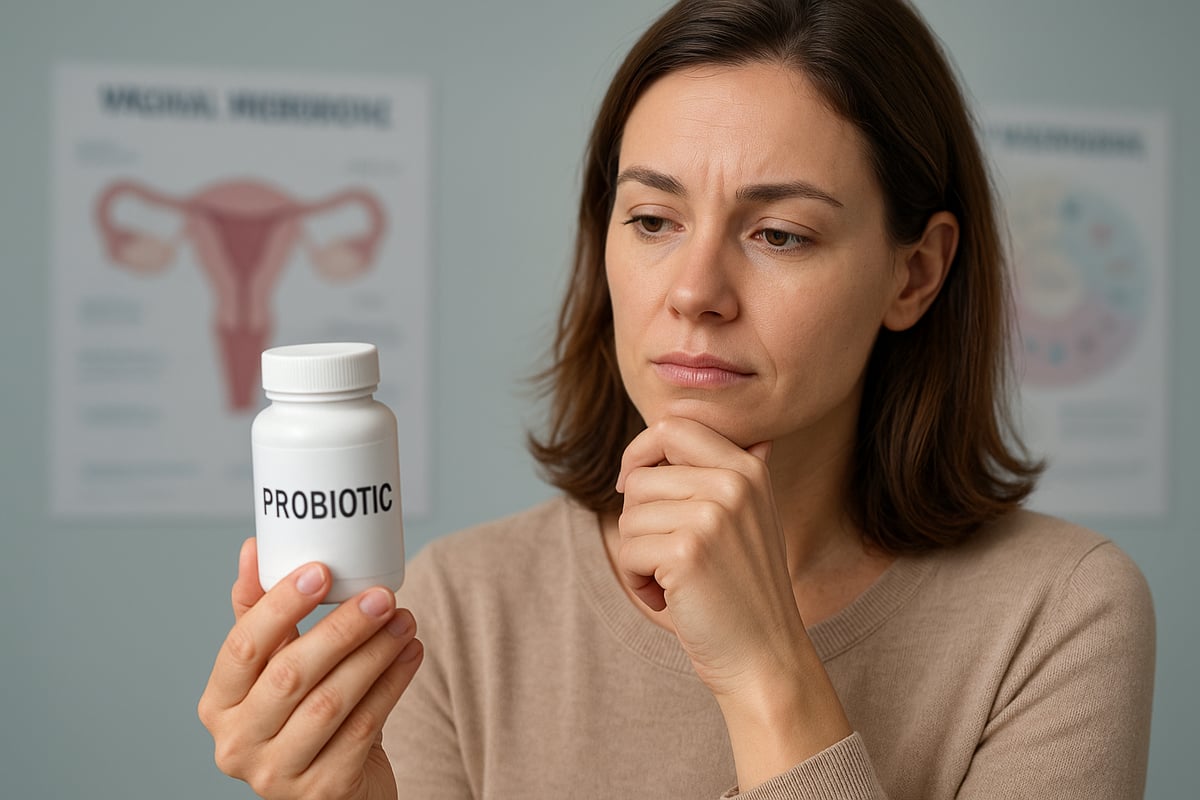
What is Bacterial Vaginosis (BV)?
Bacterial vaginosis is one of the most common vaginal infections among women of reproductive age. It occurs when the balance of bacteria in the vagina shifts, allowing harmful bacteria to outnumber beneficial ones. This imbalance often leads to symptoms such as unusual discharge, a distinct fishy odor, irritation, and itching.
According to recent data, up to 70% of women experience recurrent BV within a year following standard treatment. The condition is not only uncomfortable, but it can also have a significant impact on quality of life and reproductive health. BV is linked to higher risks of pelvic inflammatory disease, complications during pregnancy, and increased susceptibility to sexually transmitted infections.
Several factors may increase the risk of developing BV. These include sexual activity, frequent douching, use of antibiotics, and hormonal changes. Women who smoke or have multiple sexual partners may also face higher risk. Recognizing and addressing these risk factors is crucial for managing and preventing BV.
For many, finding a long-term solution remains challenging, which is why exploring probiotics for bv is becoming a priority.
How Probiotics Interact with Vaginal Microbiome
Probiotics for bv are live beneficial microorganisms, most commonly from the Lactobacillus family. These helpful bacteria are key to maintaining a healthy vaginal environment. When introduced through supplements or specific foods, probiotics for bv can help restore the natural balance of the vaginal microbiome.
Lactobacillus species work by producing lactic acid, which lowers vaginal pH and creates an environment that discourages the growth of harmful bacteria. This acidic environment not only limits pathogen survival, but also supports the growth of beneficial bacteria. Probiotics for bv have also been shown to boost local immune responses, offering extra protection against infection.
Scientific studies consistently highlight the benefits of probiotics for bv. According to an authoritative Cochrane review on probiotics for BV, using probiotics alone or alongside antibiotics can reduce recurrence rates and improve symptom relief compared to standard treatment alone.
In summary, probiotics for bv offer a promising, natural strategy to restore and maintain vaginal health, making them a valuable consideration for women seeking both relief and prevention.
The Best Probiotic Strains for BV in 2026
Choosing the right strains is essential when selecting probiotics for bv. Not all probiotics are created equal, and only certain strains have shown real promise in research. Understanding which Lactobacillus species deliver the best results can make a significant difference in symptom relief and recurrence prevention.
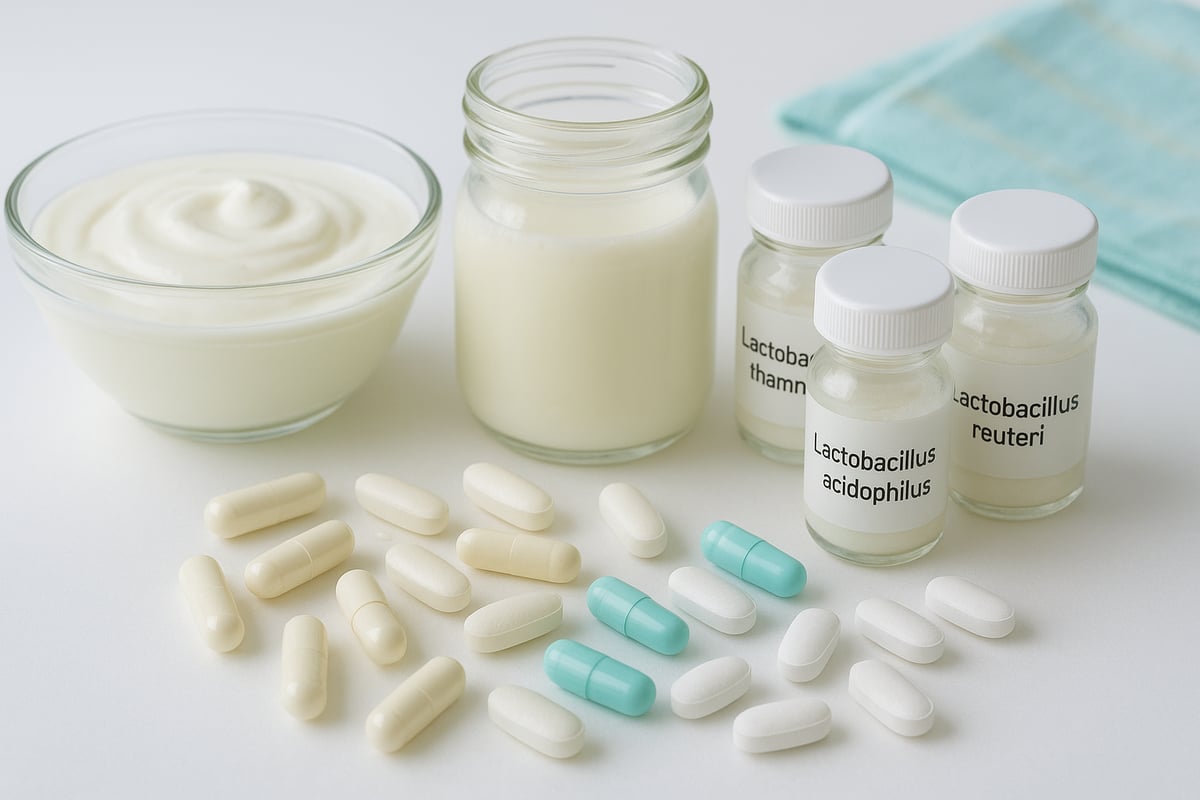
Key Lactobacillus Strains Backed by Research
When it comes to probiotics for bv, four Lactobacillus strains are consistently highlighted in scientific literature:
- Lactobacillus acidophilus: This is one of the most studied strains for restoring vaginal balance. It is commonly found in supplements and fermented foods.
- Lactobacillus rhamnosus: Known for its strong adhesion to the vaginal wall, this strain is available in both oral and vaginal forms. Evidence suggests it plays a crucial role in preventing pathogenic bacteria from dominating.
- Lactobacillus reuteri: This strain helps reduce harmful microbes and supports both vaginal and gut health. It is often present in dairy products and supplements.
- Lactobacillus fermentum: Recognized for supporting the overall health of vaginal and digestive flora, this strain is available in oral capsules and suppositories.
Research indicates that combinations of these strains in probiotics for bv provide the most comprehensive support. Multi-strain formulations target multiple mechanisms, improving both the restoration and maintenance of healthy vaginal flora.
| Strain | Key Benefit | Common Format |
|---|---|---|
| L. acidophilus | Restores balance, reduces odor | Oral, Foods |
| L. rhamnosus | Adheres to vaginal wall, prevents BV | Oral, Vaginal |
| L. reuteri | Suppresses pathogens, gut-vaginal link | Dairy, Supplements |
| L. fermentum | Supports general flora | Oral, Suppository |
For instance, recent studies found that probiotics containing 10 billion CFUs of L. rhamnosus offer superior protection against recurrence. One systematic review highlights L. rhamnosus TOM 22.8 as particularly effective in managing BV symptoms.
Combining strains not only enhances efficacy but also provides broader protection and resilience for the vaginal microbiome. When choosing probiotics for bv, look for products that specifically list these Lactobacillus strains.
How to Identify Quality Probiotic Products
Selecting the right product is just as important as picking the right strains. With many options on the market, knowing what to look for ensures that your probiotics for bv are both safe and effective.
Start by checking the label for clinical strain identification. High-quality brands will list the exact strains used, not just the species. This transparency helps you match products to those supported by research.
Third-party testing is another critical factor. Look for seals from organizations like USP, NSF, or ConsumerLab, which verify the potency and purity of supplements. This step protects you from products that may contain fewer live organisms than advertised.
Avoid supplements with unnecessary fillers, artificial colors, or unverified health claims. Reliable probiotics for bv will provide clear information about CFU counts, storage requirements, and expiration dates.
For added confidence, choose products stored in temperature-stable packaging or refrigeration, as this helps preserve the viability of the beneficial bacteria. Reading reviews and consulting with healthcare professionals can also help guide your selection process.
Ultimately, the best probiotics for bv are those that combine proven strains with rigorous quality standards, empowering you to support your vaginal health with confidence.
How to Use Probiotics for BV: Step-by-Step Guide
Managing bacterial vaginosis can feel overwhelming, but a structured approach to using probiotics for bv makes the process much more manageable. Here is a step-by-step guide to ensure you get the best results and support your vaginal health with confidence.
Step 1: Consult with a Healthcare Provider
Before starting probiotics for bv, always speak with a qualified healthcare provider. A professional diagnosis is essential to rule out other infections or underlying conditions that might mimic BV symptoms.
Discuss your full medical history, recent symptoms, and any past episodes of bacterial vaginosis. Your provider can recommend the most suitable probiotic approach and help you avoid unnecessary risks. This individualized advice is especially important if you are pregnant, immunocompromised, or taking other medications.
Step 2: Choose the Right Probiotic Format
Selecting the most effective format is crucial for success with probiotics for bv. The main options include:
- Oral capsules: Convenient and widely researched for prevention and maintenance.
- Vaginal suppositories: Targeted relief, often helpful for acute symptoms.
- Fermented foods: Such as yogurt, kefir, and sauerkraut, which offer dietary support.
Combining oral and vaginal forms may provide the most comprehensive benefits. Always choose products labeled for vaginal or oral use, and avoid applying foods topically unless directed by a healthcare provider.
Step 3: Determine Effective Dosage and Duration
Establishing the correct dosage and duration is a key step when using probiotics for bv. Most studies recommend a dose of 10 billion CFUs daily, but regimens can range from 1 to 50 billion CFUs depending on individual needs.
| Dosage (CFUs) | Duration | When to Use |
|---|---|---|
| 10 billion | 3+ months | Prevention |
| 10-50 billion | 7-14 days | During infection |
For best results, take probiotics at least two hours after antibiotics. Research shows that combining probiotics with antibiotics can significantly decrease recurrence rates, as supported by Probiotics reduce BV recurrence rates.
Step 4: Monitor for Results and Side Effects
Track your progress after starting probiotics for bv. Early symptom improvement may be noticed within five days, but full benefits usually appear after several weeks.
Mild digestive side effects, such as gas or bloating, are common and typically resolve on their own. If symptoms worsen, persist, or are accompanied by fever or severe pain, seek prompt medical attention. Regular monitoring helps you gauge effectiveness and ensures your regimen remains safe.
Step 5: Maintain Long-Term Vaginal Health
To keep the benefits of probiotics for bv over time, make them part of your daily health routine. Consider these strategies:
- Continue daily probiotic use for ongoing prevention.
- Avoid douching and scented intimate products.
- Practice safe sex and manage stress levels.
- Eat a balanced diet rich in probiotic foods.
Regular gynecological check-ups and self-awareness of symptoms help you address any recurrence early and protect your reproductive health.
Safety, Side Effects, and Who Should Avoid Probiotics
Curious about the safety profile of probiotics for BV? Most healthy adults can use these supplements with confidence, as research shows that probiotics for BV are generally well-tolerated and rarely cause serious problems.
General Safety and Common Side Effects
For most, probiotics for BV produce only mild digestive symptoms. You may notice temporary gas, bloating, or an upset stomach when starting a new supplement. These effects usually resolve quickly as your body adjusts.
Probiotics for BV are not known to cause bacterial vaginosis, and current research suggests they may even lower recurrence. In rare cases, people with underlying health conditions could face more serious issues, but for the typical user, probiotics for BV are safe and effective.
Special Considerations and High-Risk Groups
Not everyone should use probiotics for BV without medical supervision. Certain populations face increased risks and should proceed with caution or avoid these supplements altogether.
Groups who should avoid probiotics for BV include:
- Premature infants
- Individuals with compromised immune systems
- Those with critical illness or who are hospitalized
- People with short bowel syndrome
If you fall into one of these categories, consult your healthcare provider before starting probiotics for BV. For healthy adults, side effects remain uncommon and mild, but always monitor your body’s response.
Quality, Regulation, and When to Seek Guidance
When selecting probiotics for BV, remember that most products are considered dietary supplements. This means they are not regulated as strictly as medications, so quality and potency can vary widely.
Choose brands that undergo third-party testing to ensure purity and accurate labeling. Look for clinical strain identification on the label. Recent clinical trials, such as the Efficacy of MED-01 probiotics on vaginal health, demonstrate that well-researched products can be both safe and effective for managing symptoms.
Always seek professional advice if symptoms worsen or fail to improve, or if you experience fever or severe pain. Consulting a healthcare provider before starting probiotics for BV is the best way to ensure safety and optimal results.
Combining Probiotics with Other BV Treatments
Navigating bacterial vaginosis can be challenging, especially with the high chance of recurrence after initial treatment. Many women find themselves seeking solutions beyond traditional antibiotics. That is where combining antibiotics with probiotics for bv comes into play, offering a more holistic and effective approach for lasting relief.
Probiotics and Antibiotics: A Synergistic Approach
Antibiotics such as metronidazole or clindamycin are the primary treatments for BV, effectively targeting the overgrowth of harmful bacteria. However, studies show up to 70% of women experience a return of symptoms within a year of completing antibiotics. This high recurrence rate highlights the need for comprehensive strategies.
Integrating probiotics for bv alongside antibiotics has shown promising results. Probiotics help replenish beneficial vaginal bacteria, supporting the restoration of a healthy microbiome after antibiotic therapy. Research indicates that this combination not only reduces the likelihood of BV returning but also accelerates symptom resolution.
Here is a quick comparison:
| Treatment Type | Recurrence Rate | Microbiome Support | Symptom Relief Speed |
|---|---|---|---|
| Antibiotics Alone | High (up to 70%) | Disrupted | Moderate |
| Probiotics for BV Alone | Moderate | Enhanced | Variable |
| Combined Approach | Lowest | Restored | Fastest |
For those seeking high-quality probiotic options, the Natural gut health supplements collection offers carefully selected products that support both gut and vaginal flora.
Other Adjunctive Therapies
In addition to antibiotics and probiotics for bv, some individuals benefit from other adjunctive therapies. Boric acid suppositories, for example, have been used to help rebalance vaginal pH in stubborn or recurrent cases. Vaginal vitamin C tablets and sucrose gel are also emerging as alternative options, each with unique mechanisms for supporting vaginal health.
It is crucial to complete the full course of antibiotics as prescribed, even when symptoms improve early. For those experiencing repeated BV episodes, combining therapies may offer better protection and comfort. Discussing these options with a healthcare provider ensures a tailored approach that considers your unique health profile.
If you are exploring supplements that support broader aspects of vaginal and reproductive health, the Women's health supplements guide is a valuable resource for finding science-backed solutions.
Prevention Strategies and Expert Tips for 2026
A proactive approach to prevention is essential for anyone seeking lasting relief from BV. With the right strategies, you can use probiotics for bv to minimize recurrences and maintain optimal vaginal health.
Evidence-Based Prevention Insights
Regular use of probiotics for bv has been shown to lower the risk of recurrence. Experts recommend incorporating probiotic-rich foods into your diet, such as yogurt, kefir, and sauerkraut. For more tips on optimizing your gut health and microbiome, see Gut health and microbiome tips.
Safe sex practices are also critical. Using condoms can help reduce BV risk by limiting exposure to new bacteria. Partner treatment may further lower recurrence rates, so discuss this option with your healthcare provider.
Avoid triggers like douching, scented hygiene products, and unnecessary antibiotics. These measures, combined with ongoing probiotics for bv use, support a healthy vaginal environment.
Monitoring Vaginal Health
Early recognition of symptoms is key to preventing full-blown infections. Track changes in discharge, odor, or irritation. This helps you address issues quickly with probiotics for bv or medical care if needed.
Schedule regular gynecological check-ups for professional screening and guidance. Keep a health journal to monitor your symptoms and note how your body responds to different prevention methods.
Tracking your response to probiotics for bv over time will help you and your provider fine-tune your regimen for best results.
Frequently Asked Questions
How long do probiotics for bv take to work? Most notice improvement within 5 days to several weeks, depending on severity and consistency.
Can probiotics for bv alone cure BV? While they are highly effective for prevention, they work best alongside antibiotics during active infections.
Are all probiotics for bv effective? Only specific strains, such as certain Lactobacillus species, have proven benefits for BV. Always check product labels for clinically studied strains.
With these expert prevention strategies, you can take control of your vaginal health and reduce the risk of recurring BV.
If you’re ready to take control of your vaginal health and put BV recurrences behind you, remember that simple, clean choices can make a powerful difference. We’ve explored how the right probiotics support your natural balance from within, and how quality, plant-based supplements can be part of a holistic approach to wellness. At Essential Life, we believe you deserve solutions that truly work—pure, effective, and rooted in nature. You don’t have to settle for less or navigate this journey alone.
Your body deserves better choose clean supplements that work