

Guide to Real Food Supplements: Benefits and Choices 2026
In 2026, more people than ever are turning to real food supplements as they seek cleaner, more natural ways to support their health. This shift highlights a growing demand for nutrition that comes directly from food-based sources rather than synthetic alternatives.
This guide will walk you through everything you need to know about real food supplements. You will learn about their science-backed benefits, why they are often preferred over traditional synthetic supplements, and how to choose the best options for your needs.
We will explore what real food supplements are, their key advantages, the most popular types available, how to make informed choices, and essential factors to consider in the current wellness landscape. Ready to discover how these supplements can help you achieve better health? Let’s begin.
Understanding Real Food Supplements
Real food supplements have gained significant attention as more consumers seek nutrition that mirrors what nature intended. These supplements prioritize ingredients sourced directly from whole foods, offering a more holistic approach than synthetic alternatives.
Definition and Core Principles
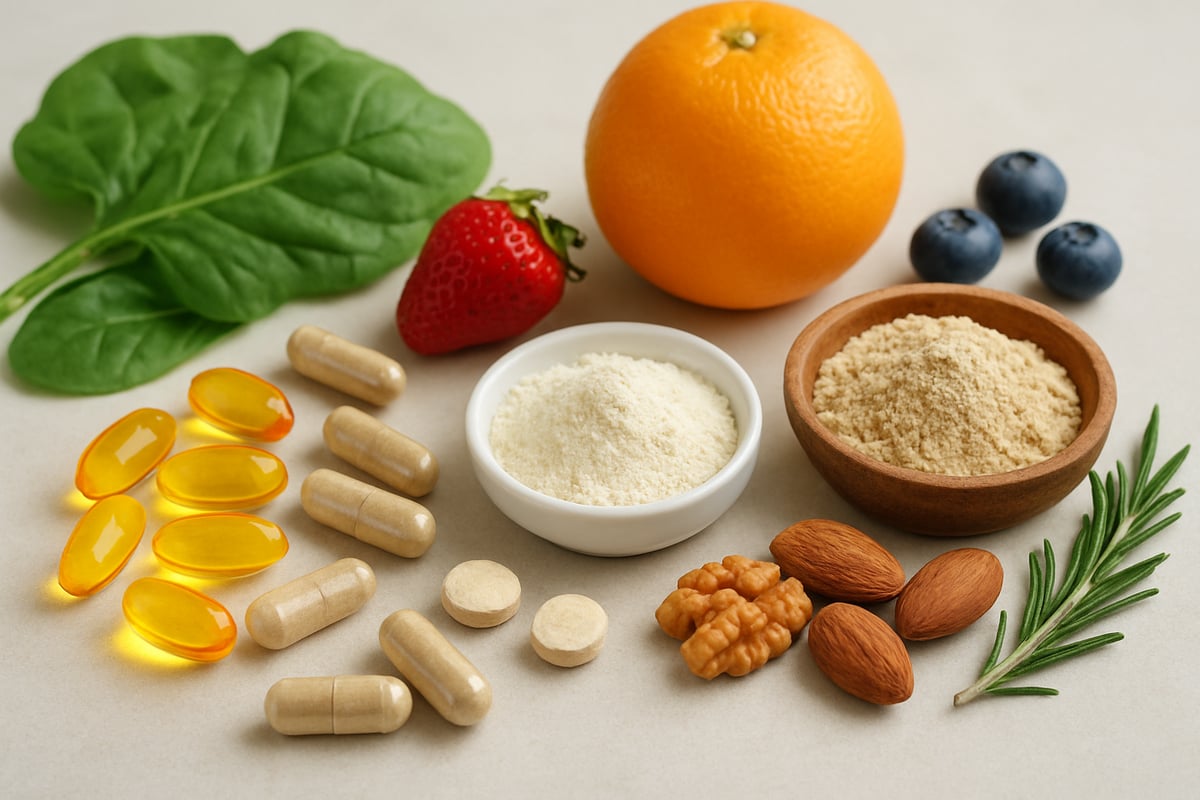
At their core, real food supplements are dietary products made from concentrated whole-food ingredients. Unlike synthetic or isolated supplements, they draw their nutrients from fruits, vegetables, herbs, and superfoods. This natural sourcing means the nutrients remain in their original matrix, allowing for higher bioavailability and better absorption by the body.
Minimal processing is a hallmark of real food supplements. Manufacturers focus on preserving the integrity of vitamins, minerals, and phytonutrients. The principle of “food synergy” is central: nutrients from whole foods work together, enhancing their overall health benefits. For example, vitamin C from acerola cherry is accompanied by bioflavonoids, which help increase its effectiveness.
Regulatory bodies have established standards to help ensure quality. Look for certifications such as USDA Organic, Non-GMO Project Verified, and third-party testing for purity. These markers indicate a commitment to clean sourcing and transparent production practices.
For a deeper look at the natural food-based approach to supplement formulation, see Whole Food Supplement Formulation.
How Real Food Supplements Differ from Synthetic Supplements
Real food supplements stand apart from synthetics in several key ways. Ingredient sourcing is the most obvious difference: real food supplements use whole-food powders or extracts, while synthetic supplements rely on lab-created or isolated nutrients.
Manufacturing processes also differ. Real food supplements undergo gentle drying or cold processing, retaining the natural nutrient profile. Synthetic options often use chemical solvents and may include additives or fillers, which can affect absorption and lead to sensitivities.
Nutrient absorption is another critical factor. Studies suggest the body recognizes and utilizes nutrients from real food supplements more efficiently. This is because they are delivered with natural co-factors and enzymes, supporting better uptake.
Consumer preference has shifted toward real food supplements, with market data showing steady growth in demand for clean, food-based nutrition. This trend is fueled by increased awareness of the potential drawbacks of synthetic additives and a desire for products that align with whole-food eating principles.
Key Benefits of Real Food Supplements
Choosing real food supplements offers a range of advantages for overall wellness and targeted health needs. These supplements harness the natural synergy found in whole foods, providing nutrients in their most bioavailable forms. Let us explore the core benefits that set real food supplements apart.
Enhanced Nutrient Absorption and Bioavailability
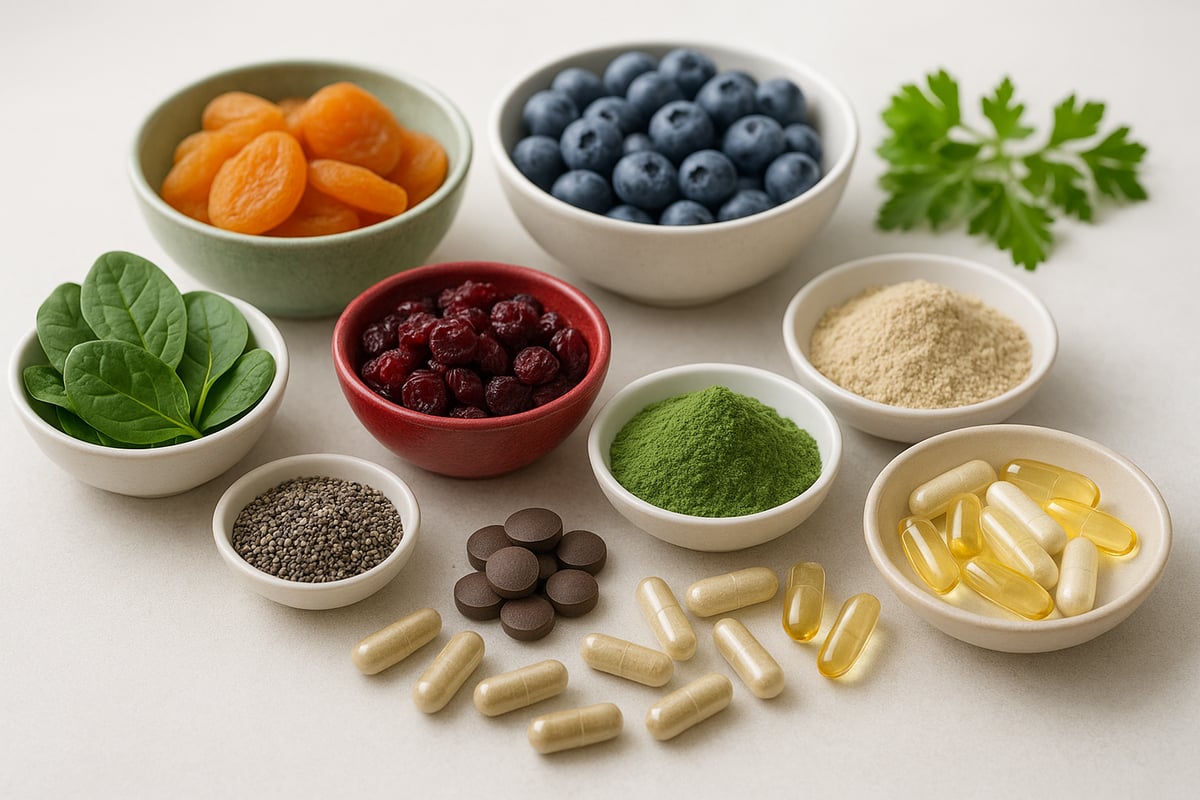
One of the standout benefits of real food supplements is superior nutrient absorption. The body recognizes and utilizes nutrients from whole foods more efficiently than isolated synthetics. Clinical research shows that vitamins like C, when sourced from real foods such as acerola cherry, are absorbed and retained better than synthetic forms. For a detailed look at nutrient intake and how food-based sources compare to supplements, see Nutrient intake from food vs. supplements. This demonstrates why real food supplements are valued for their high bioavailability.
Comprehensive Nutritional Support
Real food supplements deliver more than just isolated vitamins and minerals. They provide a broad spectrum of phytonutrients, antioxidants, enzymes, and co-factors that work together for optimal health. This synergy, often called the “entourage effect,” means that the nutrients in real food supplements support each other, amplifying their positive impact. As a result, users experience more complete nutritional support than with synthetic alternatives.
Reduced Risk of Additives and Allergens
Many people turn to real food supplements to avoid synthetic fillers, artificial colors, and preservatives. Real food supplements are typically free from common allergens and unnecessary additives, making them a safer option for sensitive individuals. This cleaner profile reduces the risk of adverse reactions and provides peace of mind for those seeking pure, whole-food nutrition.
Supporting Specific Health Goals
Real food supplements can be tailored to support a variety of health objectives. For example, probiotics from fermented foods aid digestion and immunity, while plant-based calcium from algae supports bone health. By choosing real food supplements, individuals can address needs like energy, cognitive function, and overall vitality with confidence in the natural origin of these nutrients.
Sustainability and Eco-Friendly Practices
Sourcing ingredients for real food supplements often involves sustainable agriculture and responsible harvesting. Brands committed to eco-friendly practices help reduce environmental impact and promote biodiversity. Consumers increasingly value supplements that are not only good for their health but also for the planet, making sustainability a key benefit of real food supplements.
Popular Types of Real Food Supplements in 2026
The landscape of real food supplements is expanding rapidly in 2026. Consumers now have diverse options, each designed to deliver nutrition from whole food sources. Here, we explore the most popular types, their unique benefits, and what sets them apart in the modern supplement market.
Multivitamins and Mineral Blends
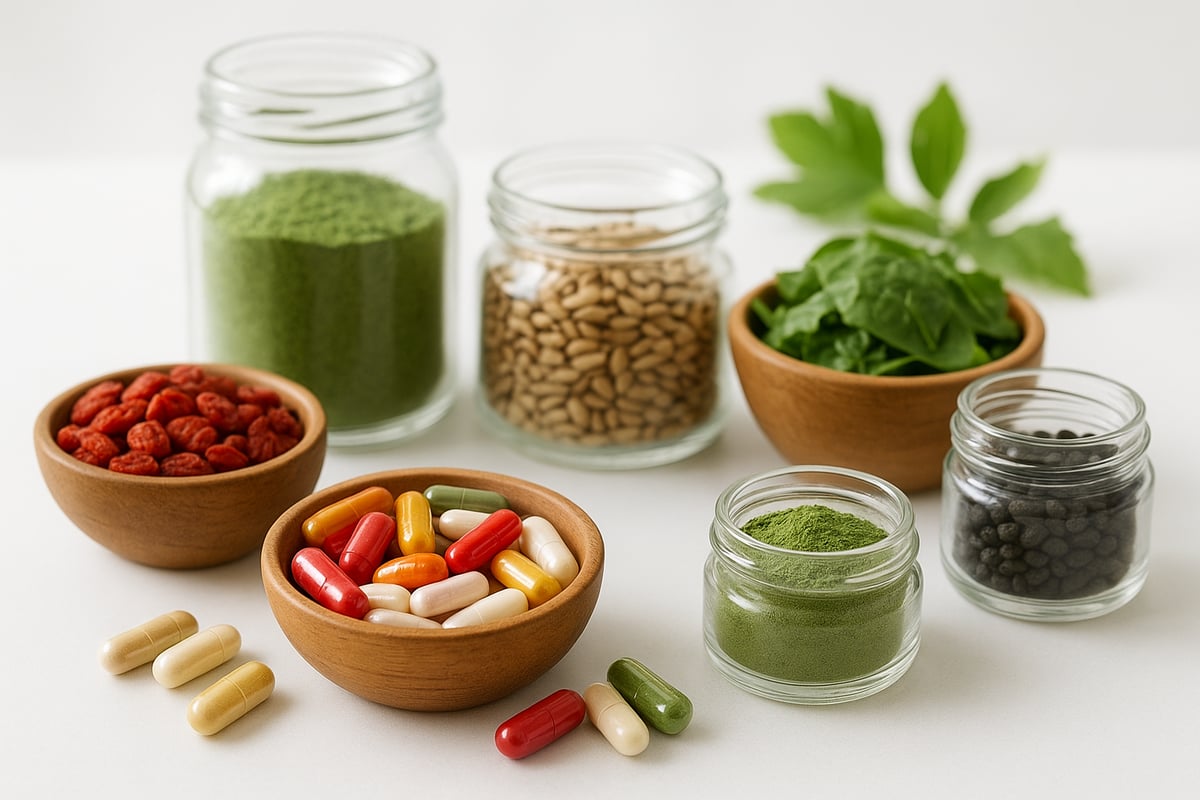
Whole-food multivitamins remain a cornerstone of real food supplements in 2026. These blends utilize ingredients such as leafy greens, berries, and sea vegetables to provide naturally occurring vitamins and minerals.
Unlike synthetic options, real food supplements in this category offer enhanced nutrient synergy and improved absorption. Many products are certified organic and non-GMO, appealing to health-conscious consumers.
Explore practical examples in the Vitamins and Supplements Collection, which features a variety of real food-based multivitamins and mineral blends for different needs.
Probiotics and Digestive Health Blends
Digestive health is a central focus for many seeking real food supplements. Probiotic blends sourced from fermented foods like kimchi, sauerkraut, and kefir deliver beneficial bacteria to support gut flora and immunity.
These formulations often include prebiotic fibers from chicory root or Jerusalem artichoke, enhancing the effectiveness of probiotics. Real food supplements in this category are valued for their gentle impact and clean ingredient profiles.
Antioxidant and Superfood Powders
Superfood powders are gaining traction among those looking for a convenient way to boost antioxidant intake. These real food supplements often blend berries, greens, mushrooms, and adaptogens for a broad spectrum of phytonutrients.
The natural synergy of these ingredients supports detoxification and cellular health. Many powders are free from artificial flavors and sweeteners, making them a clean choice for daily wellness routines.
Omega and Essential Fatty Acid Supplements
Plant-based omega supplements are a leading trend in real food supplements for 2026. Sourced from algae, flaxseed, and chia, these products provide essential fatty acids without relying on fish oils.
Benefits include support for heart, brain, and skin health. The use of sustainable, plant-derived sources aligns with growing consumer demand for eco-friendly supplements.
Protein and Meal Replacement Powders
Plant-based protein powders are now staple real food supplements for athletes, vegans, and busy professionals. Common sources include pea, hemp, and brown rice, delivering complete amino acid profiles.
These powders are formulated for nutritional completeness and often include added superfoods or digestive enzymes. Their versatility makes them suitable for a wide range of dietary preferences and health goals.
How to Choose the Right Real Food Supplement
Selecting the best real food supplements in 2026 requires a thoughtful approach. With so many products on the market, knowing what to look for can make a significant difference in your health outcomes. Use these strategies to make informed and confident choices.
Assessing Your Nutritional Needs
Begin by identifying your unique health goals, lifestyle factors, and any gaps in your diet. Are you seeking support for immunity, energy, digestion, or specific nutrients?
Consult a healthcare professional or registered dietitian to help evaluate your current diet and recommend appropriate real food supplements. This step is essential, especially if you have underlying health conditions or take medications.
Consider keeping a food diary for a week to spot nutritional deficiencies. By understanding your needs, you can target real food supplements that provide genuine benefits rather than unnecessary extras.
Reading Labels and Ingredient Lists
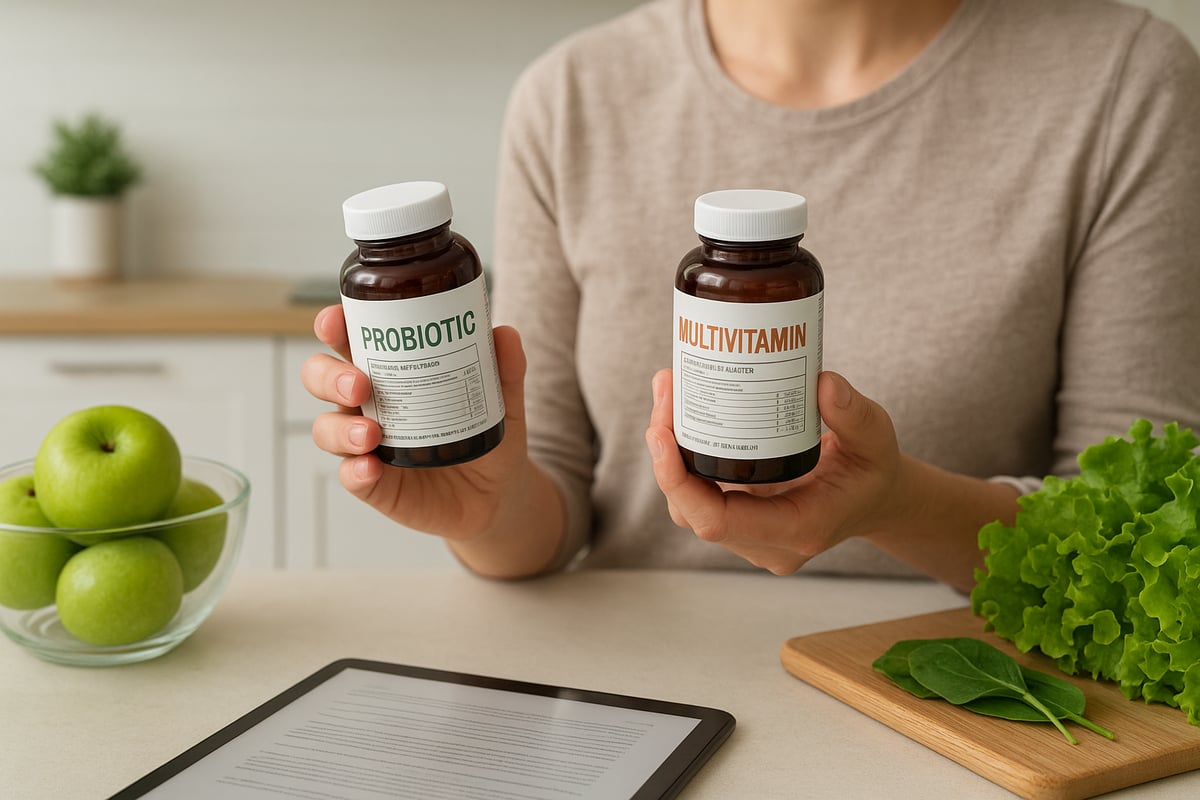
Carefully read ingredient lists to distinguish whole-food sources from synthetic additives. Look for recognizable foods such as fruits, vegetables, and herbs as primary ingredients. Whole-food based products often carry certifications like USDA Organic, Non-GMO Project Verified, or allergen-free labeling.
Be cautious of lengthy ingredient lists filled with unfamiliar chemicals or artificial colors. For multivitamin blends, opt for those derived from real food sources. For more guidance, explore Achieving Balance with Multivitamins for insights on what to look for in a quality supplement.
Prioritize transparency and clear labeling to ensure you are choosing real food supplements that align with your values and health needs.
Evaluating Quality and Transparency
Choose brands that are open about their sourcing, manufacturing processes, and quality controls. Look for third-party testing or certifications that verify purity and potency. Reliable companies provide detailed information about the origin of ingredients and their processing methods.
Check for batch numbers and expiration dates to ensure product freshness. Reputable manufacturers of real food supplements often publish lab results or offer direct access to testing data, which supports trust and confidence in their products.
Transparency is a sign of commitment to consumer safety and product integrity.
Avoiding Common Pitfalls
Beware of misleading marketing claims or “greenwashing.” Phrases like “natural” or “plant-based” do not always guarantee a product is made from whole foods. Always verify the source of each ingredient and avoid supplements with excessive fillers, sweeteners, or artificial flavors.
Understand serving sizes and recommended dosages. More is not always better, and exceeding suggested amounts of real food supplements may lead to imbalances or side effects.
Stay informed about current research and regulations to ensure your supplement choices remain safe, effective, and aligned with your health goals.
Trends and Innovations in Real Food Supplements for 2026
The landscape of real food supplements is rapidly evolving in 2026, driven by new scientific insights, consumer expectations, and technological breakthroughs. Brands are reimagining how real food supplements can be more effective, sustainable, and tailored to individual needs.
Personalized Nutrition and Supplementation
Personalized nutrition is transforming the real food supplements market. Advances in DNA testing and biomarker analysis allow companies to design supplement regimens tailored to each person's genetic profile, lifestyle, and health goals. AI-driven platforms integrate data from wearable devices and health apps, suggesting specific real food supplements to maximize individual benefits. This approach helps users address unique nutrient gaps and optimize wellness.
Advanced Delivery Systems
Innovations in delivery systems are making real food supplements more efficient and user-friendly. Liposomal encapsulation and slow-release technology improve the bioavailability of nutrients, ensuring higher absorption rates. New formats, such as easy-to-mix powders, flavored liquids, and vegan capsules, cater to different preferences and lifestyles. Brands are also focusing on allergen-free and easy-to-digest options, enhancing accessibility for a wider audience.
New Ingredient Sources and Superfoods
2026 brings a surge of novel ingredients into real food supplements. Superfoods like moringa, baobab, sea moss, and adaptogenic mushrooms are increasingly popular for their dense nutritional profiles. Companies prioritize regenerative agriculture and biodiversity, sourcing ingredients that support soil health and ecosystem balance. Trends in biotics, including prebiotics, probiotics, and postbiotics, are also shaping new product formulations for holistic gut and immune support.
Regulatory and Safety Developments
Evolving regulations are influencing the real food supplements industry. Governments and independent agencies are raising standards for ingredient sourcing, transparency, and product labeling. Third-party testing and strict quality certifications are now the norm, helping consumers identify trustworthy brands. Increased scrutiny ensures that real food supplements meet safety and efficacy benchmarks, protecting public health.
Consumer Preferences and Market Growth
Consumer demand for real food supplements continues to rise, as people seek clean labels, plant-based formulas, and ethical sourcing. Sustainability is a top priority, with shoppers favoring brands that use eco-friendly packaging and support responsible agriculture. According to recent plant-based supplements market growth forecasts, the sector is set to expand significantly through 2030, fueled by preventive health strategies and greater awareness of holistic nutrition.
Key Considerations When Incorporating Real Food Supplements
Thoughtfully adding real food supplements into your routine can optimize health outcomes, but requires a mindful approach. Consider these key factors to ensure you get the most benefit while minimizing risks.
Integrating with a Balanced Diet
Real food supplements are designed to complement, not replace, a nutrient-rich diet. Prioritize whole foods such as vegetables, fruits, and whole grains as your foundation.
- Pair supplements with meals for enhanced nutrient absorption.
- Rotate different types to cover diverse nutritional needs.
- Review current research, such as Food vs. supplements for longevity, which highlights the greater benefits of food-sourced nutrients.
By combining real food supplements with a balanced eating plan, you maximize their effectiveness and support long-term wellness.
Potential Interactions and Contraindications
Before starting real food supplements, assess any possible interactions with medications or health conditions. Some ingredients, even those from whole foods, may affect absorption or efficacy of certain drugs.
- Consult a healthcare provider, especially for children, pregnant women, or the elderly.
- Check for any allergies to specific food-based components.
- Monitor for symptoms if combining multiple supplements.
Being proactive ensures that your supplement routine is both safe and supportive of your health goals.
Monitoring Results and Adjusting Intake
Track how real food supplements impact your health over time. Pay attention to changes in energy, digestion, or targeted outcomes.
- Keep a journal of symptoms and improvements.
- Adjust dosages based on professional feedback.
- For gut health, consider options like Gut Health and Probiotic Complex and monitor digestive changes.
Regular evaluation helps you tailor your regimen for optimal benefit.
Cost, Accessibility, and Value
Compare the cost, accessibility, and value of various real food supplements before making a commitment.
- Assess price per serving and overall quality.
- Look for transparent brands that provide lab testing and ingredient sourcing.
- Consider subscription or bulk options for savings.
Balancing budget and quality ensures you get the most from your investment.
Sustainability and Ethical Choices
Choose real food supplements from companies that prioritize sustainability and ethical practices. Key factors to review include:
| Criteria | What to Look For |
|---|---|
| Packaging | Recyclable or compostable |
| Sourcing | Organic, fair-trade, non-GMO |
| Transparency | Clear ingredient origins |
| Corporate Ethics | Community and environmental support |
Supporting responsible brands aligns your wellness journey with broader environmental and social values.
As you explore the benefits and choices of real food supplements, it’s clear that making mindful decisions about what you put into your body can make all the difference for your health in 2026 and beyond. At Essential Life, we believe in the power of clean, plant-based nutrition to support your wellbeing—without unnecessary additives or synthetic ingredients. If you're ready to experience the difference that whole-food, vegan supplements can bring to your everyday balance and vitality, now is the perfect time to take the next step.
Your body deserves better choose clean supplements that work