

The Expert’s Guide to Plant-Based Probiotics: Nourish Your Body Naturally
Introduction
Imagine a world where nourishing your body and mind intertwines seamlessly with supporting a vibrant gut ecosystem—without relying on dairy. That world exists today in the form of plant-based probiotics, which offer an uplifting fusion of natural nourishment and gut-friendly science. As more people explore dairy-free lifestyles—whether for dietary restrictions, ethical choices, or simply to feel lighter—these alternatives bring a refreshing, accessible way to embrace wellness.
Viewing the rise of plant-based probiotics through both scientific insights and real-world examples, we see their power unfold in various ways. For instance, an in vitro study showed that fermented finger millet beverages can elevate levels of beneficial Bifidobacterium and produce gut-friendly short-chain fatty acids, offering potential antidiabetic and microbiome-boosting effects PubMed source. Similarly, plant-based juices such as avocado, ginger, and tropical blends have demonstrated impressive shelf stability, as well as consumer approval, while retaining live probiotics throughout refrigerated storage PubMed source. These examples highlight practical and creative ways plant-based ingredients become probiotic carriers without compromising taste or viability.
Rather than replacing well-worn dairy models, plant-based probiotics invite us to expand the canon of gut-supportive options. You might start by enjoying a probiotic-rich oat-based drink in the morning or blending a homemade, fermented fruit infusion for an afternoon pick-me-up. Small steps like these empower you to enrich your daily routine with gut-nourishing choices, rooted in evidence yet tailored to your lifestyle.
A key purpose of this introduction is to share that plant-based probiotics represent more than a trend—they’re a genuine opportunity to feel your best through natural, approachable wellness. They combine the nourishing qualities of plants with the scientifically backed benefits of live microorganisms. And though the term “plant-based probiotics” might seem technical, the experience is simple: vibrant, gentle, and grounded in well-being. Let’s explore how you can embrace this thriving intersection of plants and probiotics with clarity, warmth, and confidence.
How Plant-Based Probiotics Nourish Your Body Inside and Out
Gut Health and Nutrient Bioavailability
Emerging research shows that pairing fermented plant foods with their natural fibre creates a powerful synergy for digestive resilience. For instance, probiotics in sauerkraut, kimchi, kombucha and other traditional plant-based fermented foods work alongside fibre to produce short-chain fatty acids like acetate, propionate and butyrate—key agents that soothe inflammation and strengthen the gut lining. These acids, produced during fermentation, play a critical role in promoting intestinal wellness and immune balance PMC review.
Moreover, fermentation enhances mineral absorption by breaking down anti-nutrients such as phytates found in legumes and grains, meaning nutrients like iron and zinc become more accessible for your body to use PMC review. So including fermented chickpeas or lentils in your meals can be a small but impactful step toward better nutrient uptake.
Microbiome Variety in Everyday Foods
Well-loved staples such as tempeh, miso, sauerkraut, kimchi and kombucha deliver diverse strains of live cultures. Tempeh, made from whole fermented soybeans, is particularly nutrient-dense—offering complete plant-based protein, key minerals and antioxidants, alongside beneficial microbes Vogue. Kimchi has been shown to support healthy cholesterol levels and help balance the gut microbiome through its robust probiotic content Health.com.
Innovative Strains and Real-World Products
Beyond traditional fermented foods, the plant-based probiotic market is expanding with creative, health-forward products. For example, certain strains like Lactobacillus bulgaricus GLB44 emerge from non-animal sources such as snowdrop leaves, offering a vegan-friendly probiotic that is robust under refrigeration and considered safe for diverse populations Wikipedia. Brands are incorporating these into beverages, yoghurts and snacks—making it easier than ever to enjoy the benefits at home or on the go.
Takeaway: Simple Actions, Big Impact
Making plant-based probiotic foods part of your routine doesn’t require drastic change. Try adding a spoonful of sauerkraut to your evening meal, mixing miso into broths, or enjoying tempeh in a salad or wrap. These small but thoughtful choices introduce nourishing microbes, improve nutrient absorption and support your microbiome—all while keeping meals flavourful and accessible.
Understanding the Benefits of Plant-Based Probiotics
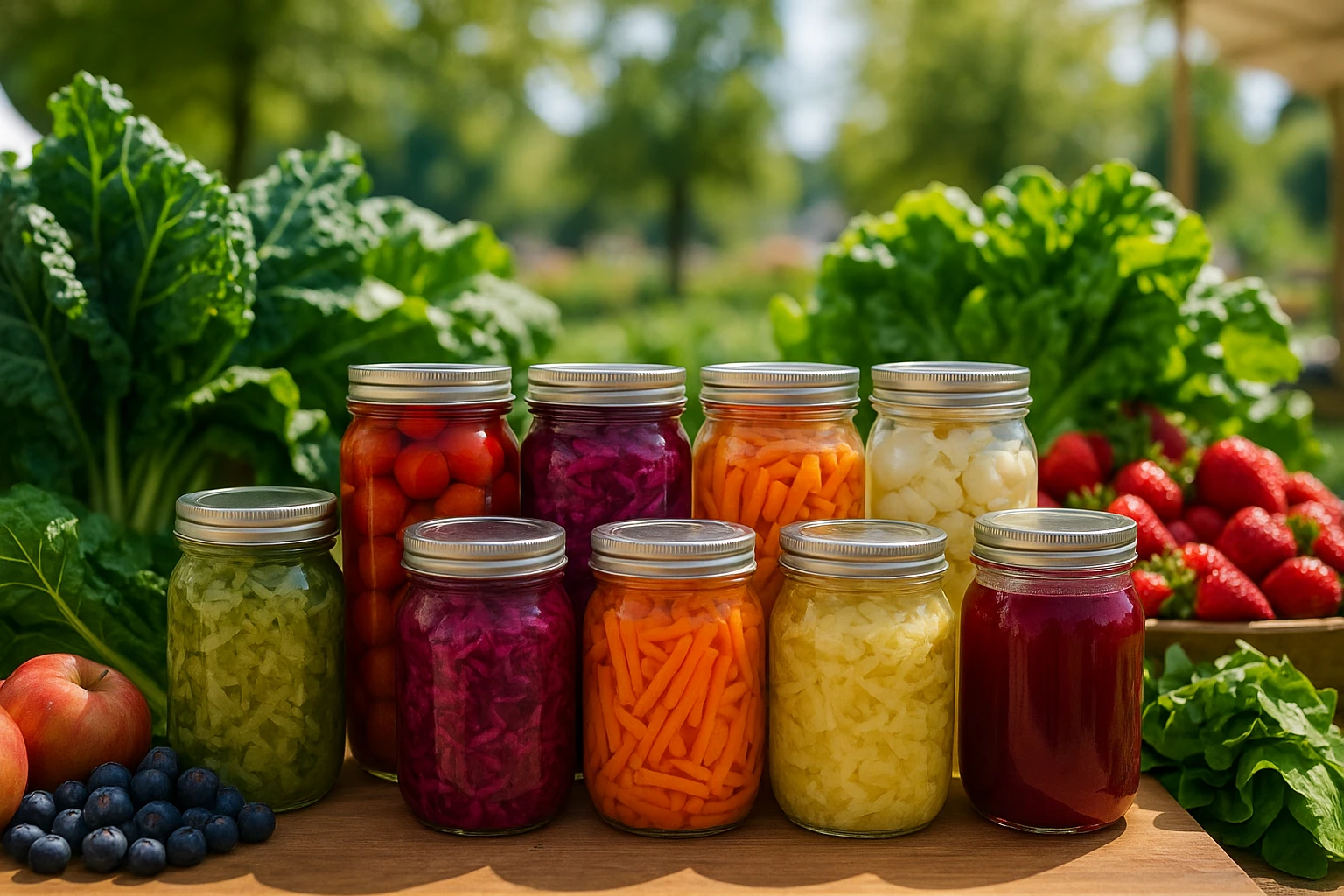
Plant-based probiotics are increasingly gaining recognition for their myriad health advantages, supporting everything from digestive health to mental well-being. These benefits stem from the unique combination of live bacteria and plant fibres, which work synergistically to enhance gut health. Unlike animal-derived probiotics, plant-based options provide a more diverse microbial spectrum, promoting a balanced gut microbiome.
A healthier gut is crucial for a robust immune system, given that approximately 70% of your immune defences reside in your gut. The presence of diverse microorganisms from plant-based probiotics enhances your body's ability to ward off infections. For instance, a study published by Healthline highlights how a well-balanced gut microbiota can mitigate inflammation and reduce the risk of chronic diseases.
Supporting Mental Health
The gut-brain axis—an intricate network of communication between your gut and brain—plays a pivotal role in mood regulation. Plant-based probiotics have been shown to positively influence this axis, thereby supporting mental well-being. Regular consumption of these probiotics can lead to improved mood and reduced symptoms of anxiety and depression. According to a study in the National Institutes of Health, probiotics derived from plants have a noteworthy impact on increasing the production of neurotransmitters such as serotonin.
Many individuals have turned to resources like Essential Life to incorporate these beneficial probiotics into their daily routines. The selection of high-quality, plant-based products available there empowers consumers to make informed choices that align with their health goals.
An Ally in Digestive Health
For those with digestive concerns, plant-based probiotics offer a gentle yet effective solution. These probiotics aid in the digestion of food and the absorption of nutrients, which is central to maintaining optimal digestive health. This can be particularly beneficial for individuals who experience digestive discomfort or issues such as Irritable Bowel Syndrome (IBS). Foods like sauerkraut, kimchi, and kombucha, which are rich in plant-based probiotics, are simple to incorporate into everyday meals.
Ultimately, the incorporation of plant-based probiotics into one's diet can serve as a powerful component of a holistic health strategy. By nurturing a healthy gut environment, individuals can experience improved overall wellness. As more research emerges, the role of plant-based probiotics in healthcare continues to expand, highlighting their importance in maintaining a balanced lifestyle tailored to individual needs.
Real-World Examples and Practical Ways to Embrace Plant-Based Probiotics
Moving onward, it helps to explore tangible examples and smart strategies that bring the benefits of plant-based probiotics into your daily life. Traditional fermented foods offer familiar, accessible, and flavourful ways to support the gut ecosystem.
Fermented Foods to Try
One standout example is tempeh, a fermented soybean product that not only delivers complete protein but also beneficial probiotics. A 3-ounce serving provides around 18 g of protein—more than an egg—and carries compounds that boost gut health and reduce inflammation Vogue. Natto, another traditional option, is rich in probiotics, vitamin K2, and the enzyme nattokinase, which supports bone strength and heart wellness Verywell Health.
Creative Ways to Incorporate Them
- Top grain bowls or salads with raw, unpasteurised sauerkraut to enjoy live cultures alongside a vitamin C and vitamin K boost Dharma Store.
- Add a spoonful of miso—stirred gently into your soup, sauce or dressing after cooking—to preserve its live probiotics and savour its umami-rich, mineral-packed profile Dharma Store.
- Blend kimchi into rice dishes or tacos for a spicy, probiotic-rich kick, mindful to choose vegan versions as traditional recipes may include fish sauce Plant Based Treaty.
Carefully Selected Probiotic Strains
Beyond traditional choices, certain probiotic strains stand out for their plant-based origins and promising health effects. For instance, Lactiplantibacillus plantarum appears in various fermented products and has strong evidence behind it. A systematic review and meta-analysis found that supplementation with this strain supports gastrointestinal comfort, periodontal health and helps lower inflammation markers like C-reactive protein PubMed. Meanwhile, Lactobacillus bulgaricus GLB44 derives from snowdrop plant leaves, making it unique among vegan-origin probiotics, and is resilient even at refrigerator temperatures Wikipedia.
Practical Daily Tips to Get Started
To make probiotic-rich eating feel natural, try integrating small habits. Swap in tempeh for tofu or meat in one ready-made meal each week. Keep a jar of good-quality, unpasteurised sauerkraut in the fridge to jazz up sandwiches or sides. Begin your day with a mild miso broth or use kimchi as a satisfying snack. For those exploring supplements, selecting products containing plant-origin strains like L. plantarum or GLB44 offers targeted benefits when food-based options aren't on hand.
These real-world examples and practical ideas demonstrate how varied, nourishing, and approachable adding plant-based probiotics to your routine can be—empowering you to feel your best from the inside out.
Conclusion
Incorporating plant-based probiotics into your lifestyle can be a transformative step towards enhancing overall health and well-being. By naturally supporting gut health, these probiotics can help bolster your immune system, improve digestion, and promote a vibrant skin appearance. Whether you are just starting on this journey or looking to expand your current regimen, the benefits are manifold and within reach.
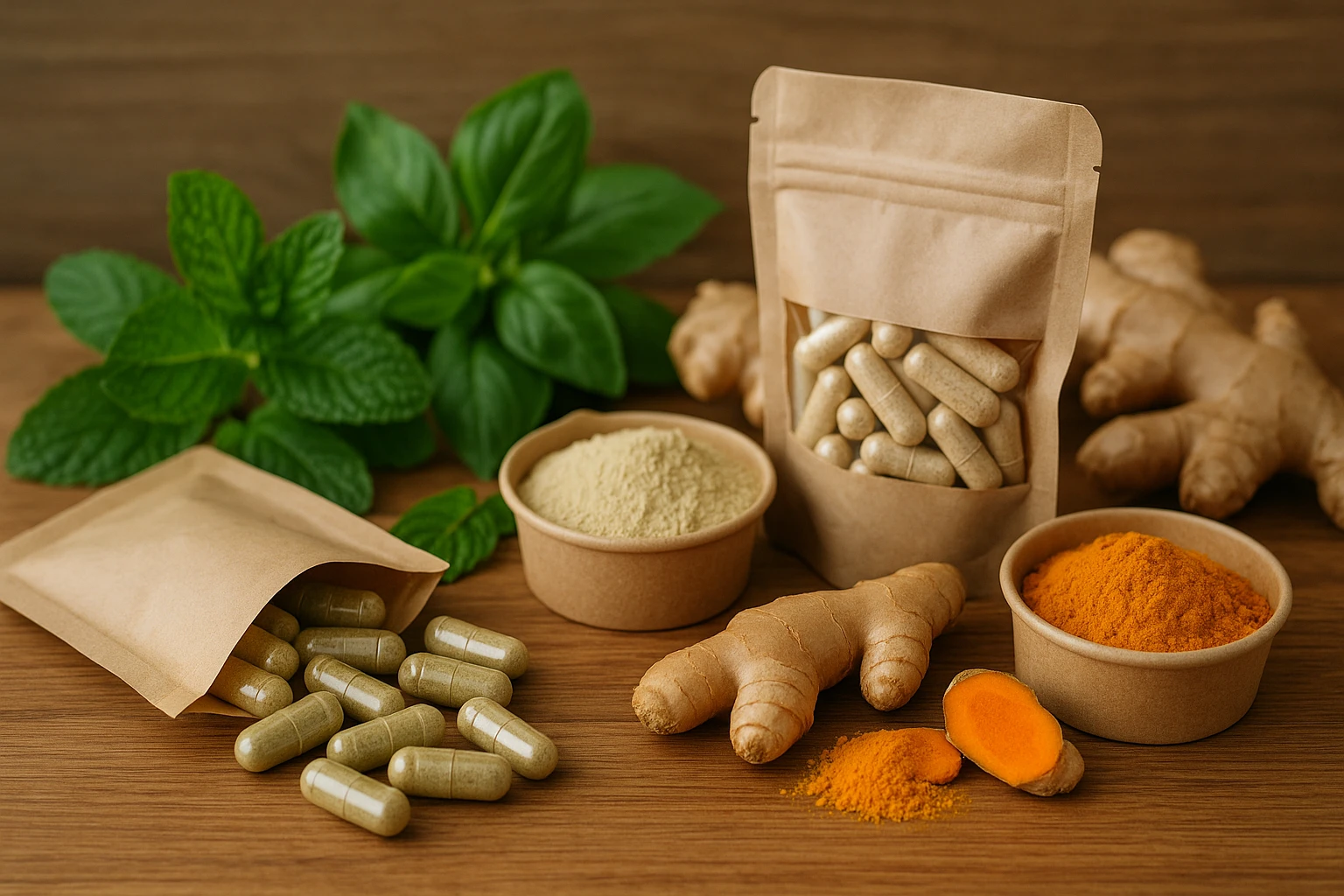
For those new to plant-based probiotics, it's essential to start gradually. Introducing them through fermented foods such as kimchi, sauerkraut, or miso can be an easy first step. These foods not only offer probiotic benefits but are also rich in other nutrients. Meanwhile, those seeking a targeted approach might consider supplements, ensuring they are looking for products with a diverse range of strains such as Lactobacillus and Bifidobacterium.
Maintaining consistency is key to experiencing long-term benefits. Try integrating probiotics into your daily routine to foster a stable and healthy gut microbiome. Regular consumption can lead to significant improvements in not just physical health, but mental well-being too, as research shows a strong connection between the gut and brain health. According to research by the National Institutes of Health, gut microbiota can influence mood and cognitive functions, making this an investment in your overall vitality.
Choosing the right products is crucial. Quality, sourcing, and sustainability are important considerations when selecting supplements. Many reputable brands focus on eco-friendly packaging and sourcing ingredients from organic farms to ensure the highest efficacy and minimal environmental impact. It's always recommended to consult with a healthcare provider to tailor choices to individual needs, especially if you have underlying health concerns.
To support your journey, consider exploring resources like Essential Life. They offer a curated selection of high-quality plant-based products, from supplements to wellness guides, designed to empower your health journey. Their commitment to providing sustainable and effective solutions can help you make informed decisions tailored to your lifestyle.
Embark on this wellness path today and experience the enriching benefits of plant-based probiotics. With a little commitment, you can take proactive steps towards a healthier, more balanced life.
Article Generated by Soogle