

7 Essential Vitamins Best For Women in 2025
In 2025, targeted nutrition is more crucial than ever for women striving to maintain vibrant health. Fast-paced routines, mounting stress, and dietary gaps make it increasingly difficult for many to meet their needs.
Vitamins play an essential role in supporting energy, immunity, bone strength, reproductive health, and overall vitality. For women, choosing the right nutrients can be transformative.
This article uncovers the 7 essential vitamins best for women to prioritize for optimal wellbeing in 2025. We’ll explore the science behind each, unique benefits, and practical strategies for getting enough through food or supplements.
Why Women’s Nutritional Needs Are Unique in 2025
Understanding the vitamins best for women starts with recognizing how uniquely female needs shift across life stages and lifestyles. In 2025, a blend of biological, social, and cultural factors makes getting the right nutrients more important than ever.

Hormonal Changes Across Life Stages
Women experience significant hormonal shifts during puberty, menstruation, pregnancy, breastfeeding, and menopause. Each stage brings unique demands, making the vitamins best for women crucial for supporting overall health. For instance, iron and folate requirements increase during childbearing years, while vitamin D and calcium become vital post-menopause to support bone health.
Deficiencies are more common during these life phases, as hormonal fluctuations can impact absorption and utilization of nutrients. Vitamins help regulate hormonal balance, support reproductive wellness, and minimize the risk of complications tied to each stage.
Modern Lifestyle Factors
Busy schedules, processed foods, and chronic stress challenge women’s ability to get the vitamins best for women in their diets. Many women turn to supplements, with 64% in the U.S. taking at least one daily. Yet, common dietary gaps persist, especially in iron, vitamin D, and magnesium.
Recent research highlights how nutrient intake among U.S. women of reproductive age is declining, increasing the risk of deficiencies. For more details on the causes and symptoms, see Common vitamin deficiencies in U.S. women.
The Role of Preventive Health
Adequate intake of the vitamins best for women is directly linked to prevention of chronic conditions such as osteoporosis, anemia, and immune dysfunction. In 2025, there is growing awareness of the importance of proactive health measures.
Women are increasingly prioritizing preventive nutrition as healthcare costs rise and longevity becomes more attainable. By focusing on the right vitamins, women can help reduce the risk of future health issues and improve daily quality of life.
Personalized Nutrition Trends
Personalized nutrition is transforming how women approach their health. The vitamins best for women are no longer one-size-fits-all. Instead, custom regimens, whole-food supplements, and plant-based options are gaining traction.
Trends in 2025 favor clean-label products, transparency in sourcing, and tailored solutions based on genetics or lifestyle. This evolution empowers women to make informed choices, ensuring their unique nutritional needs are met at every stage.
7 Essential Vitamins Best For Women in 2025
Staying healthy in 2025 means understanding the vitamins best for women at every life stage. While eating a balanced diet is ideal, modern pressures and changing needs make it difficult to get enough nutrients from food alone. That’s why focusing on the vitamins best for women is essential for energy, mood, and long-term wellness.
If you’re seeking supplements tailored to women’s unique needs, you can explore the Women's Vitamins and Supplements Collection for targeted options.

1. Vitamin D: The Immunity and Bone Strength Superstar
Vitamin D stands out among the vitamins best for women because it supports calcium absorption, bone density, and immune response. For women, vitamin D is especially important after menopause, when the risk of osteoporosis increases sharply.
Modern lifestyles often limit sun exposure, which is key for natural vitamin D synthesis. Women who spend most of their time indoors or use sunscreen regularly may not get enough from sunlight alone. This makes dietary sources—like fortified milk, fatty fish, and eggs—more important.
Recommended daily intake varies by age: 600 IU for women under 70, and 800 IU for those older. In North America, vitamin D deficiency affects more women than men, especially in winter or northern regions.
Supplementation can help, but it’s best to check blood levels first. Pairing vitamin D with healthy fats enhances absorption. Remember, too much can be harmful, so stick to recommended doses for the vitamins best for women.
Table: Key Sources of Vitamin D
| Source | Approximate IU per serving |
|---|---|
| Salmon | 450 |
| Fortified milk | 120 |
| Eggs | 40 |
2. Iron: The Energy and Vitality Mineral
Iron is one of the most critical vitamins best for women, as it is vital for oxygen transport and energy metabolism. Women with heavy periods, pregnant women, and vegetarians are especially at risk for iron deficiency.
Symptoms of deficiency include fatigue, weakness, and pale skin. Globally, iron deficiency is among the most common nutrient gaps in women’s health.
Top food sources are lean meats, beans, spinach, and fortified cereals. To boost absorption, pair iron-rich foods with vitamin C, like oranges or peppers.
If you’re considering supplements, choose gentle forms like ferrous bisglycinate to reduce stomach upset. Always avoid taking iron with coffee or tea, as this can block absorption. Iron is one of the vitamins best for women to monitor, especially during reproductive years.
3. Folate (Vitamin B9): The Reproductive Health Champion
Folate, another of the vitamins best for women, is essential for DNA synthesis, cell division, and fetal development. It is especially vital for women of childbearing age, supporting a healthy pregnancy and reducing the risk of neural tube defects in babies.
Key sources include leafy greens, lentils, citrus fruits, and fortified grains. The CDC recommends all women of reproductive age get at least 400 mcg of folate daily.
Folate is available as folic acid (synthetic) or methylfolate (active form). Some women absorb methylfolate better, especially if they have certain genetic variations.
To maximize absorption, include a variety of folate-rich foods in your meals. Folate is one of the vitamins best for women to prioritize, particularly in the years leading up to and during pregnancy.
List: Folate-Rich Foods
- Spinach
- Black beans
- Oranges
- Fortified breakfast cereals
4. Vitamin B12: The Nerve and Brain Protector
Vitamin B12 is crucial among the vitamins best for women, supporting nerve health, red blood cell formation, and mental clarity. Women over 50, vegans, and vegetarians are at higher risk for deficiency, as B12 is primarily found in animal products.
Deficiency symptoms include tingling, memory problems, and fatigue. Older women may have reduced absorption due to lower stomach acid.
You can get B12 from meat, fish, eggs, dairy, fortified plant milks, and nutritional yeast. Supplementation is often needed for those with restricted diets. B12 is available in tablets, sublingual drops, or injections.
Consistent intake of B12 is one of the key strategies for maintaining cognitive and neurological health, making it a staple among the vitamins best for women.
5. Calcium: The Bone Health Essential
Calcium is the foundation of strong bones and teeth, making it one of the top vitamins best for women. It also supports muscle function and nerve transmission.
Women lose bone density more quickly after menopause, increasing the risk of fractures and osteoporosis. The recommended daily intake is 1000 mg for adult women and 1200 mg for women over 50.
Good sources include dairy products, fortified plant milks, tofu, and leafy greens. Vitamin D helps the body absorb calcium, so consider both nutrients together.
If you use supplements, choose calcium citrate for better absorption. Spread your intake throughout the day, as the body can only absorb about 500 mg at a time. Calcium’s role in the vitamins best for women cannot be overstated, especially for aging women.
Table: Calcium-Rich Foods
| Food | Calcium per serving (mg) |
|---|---|
| Yogurt | 300 |
| Fortified almond milk | 350 |
| Kale | 90 |
6. Vitamin C: The Immune and Skin Booster
Vitamin C is a powerful antioxidant and a standout among the vitamins best for women. It helps protect cells, supports immune defense, and is essential for collagen production, which keeps skin firm and healthy.
Women who do not get enough vitamin C may notice frequent illnesses, slow wound healing, or dull skin. Citrus fruits, strawberries, red peppers, and broccoli are all excellent sources.
Research shows that vitamin C intake is linked to a lower risk of chronic disease. The recommended daily amount is 75 mg for adult women, with an upper limit of 2000 mg from supplements.
If you take vitamin C supplements, opt for buffered or time-release formulas to reduce stomach upset. Including a range of colorful fruits and vegetables is the best way to meet your needs for the vitamins best for women.
7. Magnesium: The Stress and Sleep Regulator
Magnesium is often overlooked among the vitamins best for women, yet it plays a vital role in muscle relaxation, nerve function, and energy production. Many women do not meet their daily needs, which can lead to muscle cramps, irritability, and trouble sleeping.
Magnesium supports restful sleep, reduces stress, and can ease PMS symptoms. Top sources include nuts, seeds, whole grains, dark chocolate, and leafy greens.
Supplements come in different forms, such as magnesium glycinate and citrate, which are gentle on the stomach. The recommended daily intake is 310–320 mg for adult women.
To enhance absorption, take magnesium with food and avoid high-dose supplements unless advised by a healthcare provider. Magnesium truly deserves its place on the list of vitamins best for women due to its impact on both mind and body.
How to Choose the Right Vitamin Supplements for Women
Selecting the vitamins best for women in 2025 requires more than grabbing the first bottle off the shelf. With countless products available, it is essential to make informed choices that support your unique health needs and goals.

Understanding Labels and Dosages
To find the vitamins best for women, always examine supplement labels closely. Look for clear ingredient lists, serving sizes, and recommended daily values. Avoid products that exceed 100 percent of daily needs unless advised by a professional. Choose brands with third-party testing and certifications to ensure purity and potency. This approach helps prevent accidental megadosing and maximizes safety.
Food First: Dietary Sources vs. Supplements
Prioritizing whole foods is the foundation for meeting your nutritional needs. The vitamins best for women are often best absorbed from foods, but supplements can help fill dietary gaps during certain life stages or health challenges. For more on the differences between food-based and synthetic options, see Food-Based vs. Synthetic Supplements. Use supplements as a complement, not a replacement.
Consulting with Healthcare Providers
Before starting any new vitamins best for women, consult your healthcare provider. Personalized advice is crucial, especially if you have chronic conditions, take medications, or are pregnant. A professional can recommend the right types and dosages for your needs, helping you avoid unnecessary risks and interactions. Never self-prescribe supplements without proper guidance.
Trends in Women’s Supplements for 2025
This year, the market is shifting toward plant-based, clean-label, and personalized supplements. Innovations in delivery formats, such as gummies, powders, and liquids, are making the vitamins best for women easier to incorporate into daily routines. For a deeper look at multivitamin benefits and trends, visit Multivitamins for Optimal Health. Stay informed to choose options that align with your wellness goals.
Practical Tips for Getting Enough Essential Vitamins Daily
Ensuring your body receives the vitamins best for women is vital for lifelong wellness. Smart daily habits help bridge nutritional gaps, especially as research highlights declining nutrient intake among U.S. women of reproductive age. Here are practical strategies to meet your needs with confidence.
Meal Planning for Nutrient Density
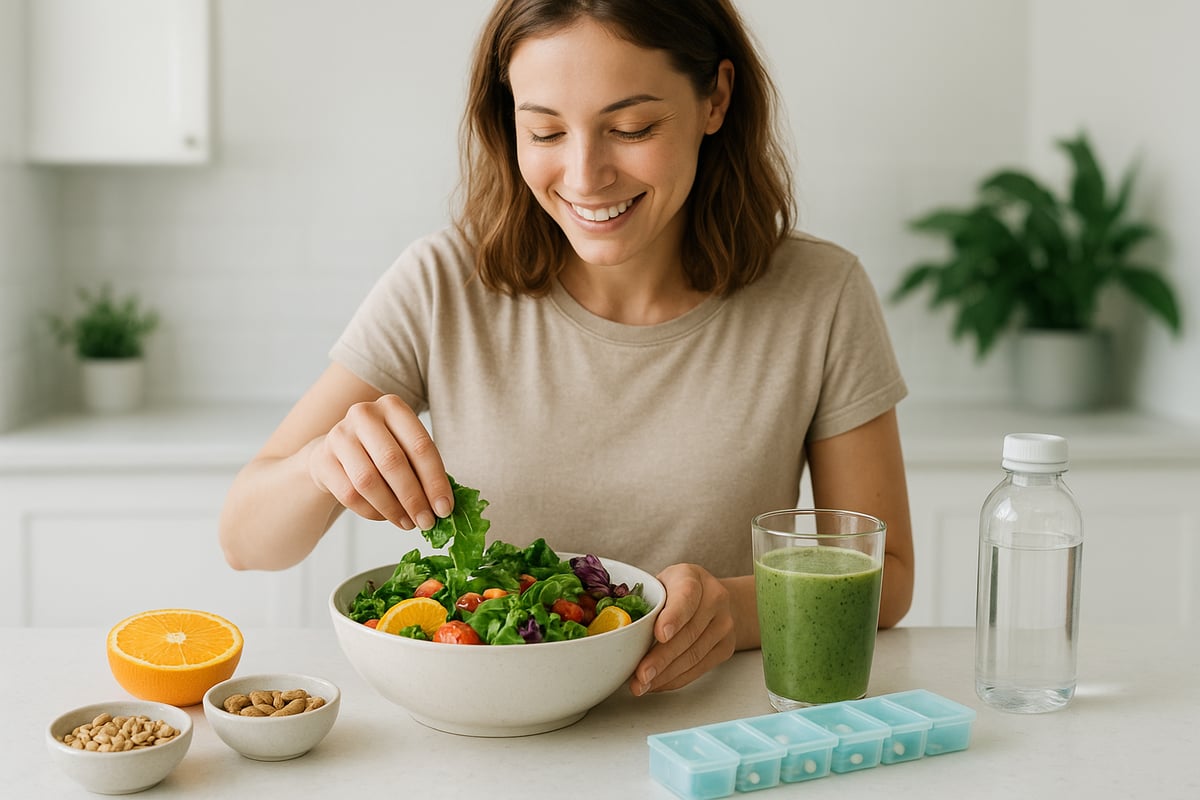
Prioritize the vitamins best for women by planning nutrient-rich meals. Add leafy greens and seeds to breakfast smoothies for magnesium and folate. Incorporate a variety of colorful fruits, vegetables, whole grains, and lean proteins throughout your day. Reviewing recent findings on nutrient declines, focus on filling gaps with whole foods and mindful choices.
- Mix spinach or kale into smoothies
- Top yogurt with berries and chia seeds
- Prepare grain bowls with beans and roasted vegetables
Smart Supplementation Habits
Establish a consistent routine to supplement effectively. Take vitamins at the same time each day, using reminders if needed. Avoid common mistakes like taking iron with coffee, which can hinder absorption. Track your intake to prevent missed doses or accidental doubling. Consult labels to ensure you are not exceeding recommended amounts.
Lifestyle Factors That Boost Vitamin Absorption
Maximize the benefits of the vitamins best for women by pairing nutrients wisely. Take vitamin D with healthy fats for better absorption, and combine vitamin C with iron-rich foods to enhance uptake. Manage stress, prioritize sleep, and stay hydrated, as these factors directly impact how your body processes and utilizes nutrients.
Monitoring and Adjusting Over Time
Stay alert to signs of vitamin deficiencies, such as fatigue, hair loss, or changes in mood. Reassess your nutrient regimen after major life changes or if symptoms arise. Periodic testing and consultations with healthcare providers ensure your approach remains tailored and effective as your needs evolve.
As you’ve seen, getting the right vitamins is crucial to supporting your energy, immune health, and overall vitality, especially with the demands of modern life. Choosing the best for your body means finding clean, effective supplements that truly deliver what you need—with no fillers or harsh additives. If you’re ready to put your health first and embrace a simpler, more natural approach to daily wellness, now is the perfect time to take the next step. Your body deserves better—choose clean supplements that work.
Your body deserves better choose clean supplements that work