

9 Essential Vitamins for Immune System Boost in 2025
In 2025, immune health is more important than ever, with changing lifestyles and global health challenges driving people to seek better protection. Recent reports show a 40% increase in searches for ways to strengthen immunity, reflecting a widespread desire for effective solutions.
Vitamins for immune system support play a crucial role in defending against viruses and infections, helping your body stay resilient throughout the year. This article will share science-backed strategies to optimize your intake, focusing on the nine most essential vitamins for immune system strength.
Discover how to incorporate these key nutrients into your daily routine for better health in 2025.
The Science Behind Vitamins and Immune Health
The immune system is a complex network of cells, tissues, and organs that work together to defend the body against harmful invaders. Its main functions include identifying and neutralizing viruses, bacteria, and other pathogens. To work efficiently, the immune system relies on a variety of nutrients, with vitamins for immune system support playing a critical role in every stage of the immune response.
Vitamins for immune system health help regulate the production, maturation, and communication of immune cells such as lymphocytes and phagocytes. Recent research from 2024 and 2025 highlights how specific micronutrients, including vitamins A, C, D, and E, directly modulate immune signaling and inflammation. Deficiencies in these nutrients can weaken the body's defenses, increasing susceptibility to infections. According to the CDC and WHO, nutrient deficiencies remain a global concern, contributing to impaired immune responses in millions each year.
A balanced, nutrient-rich diet is the foundation for optimal immune health. While whole foods provide the best source of vitamins for immune system maintenance, targeted supplementation may be necessary for those at risk of deficiencies. Emerging trends in 2025 include personalized nutrition plans and targeted vitamin protocols, designed to match individual needs based on genetics, lifestyle, and health status. However, misconceptions persist, such as the belief that more vitamins always mean better immunity or that supplements can fully replace a healthy diet.
Certain populations, including the elderly, vegans, and individuals with chronic illnesses, face a higher risk of vitamin deficiencies. Regular nutrient testing and tailored dietary strategies are essential for these groups. For a deeper look at effective ways to support your immune health, explore the Top Supplements for Immune System, which offers science-backed insights into the most impactful nutrients.

9 Essential Vitamins for Immune System Boost in 2025
A strong immune system is essential for staying healthy in 2025. The right vitamins for immune system support can help your body defend against infections, viruses, and environmental stressors. Learn about the nine most critical vitamins for immune system function, how to get them, and why they matter this year.
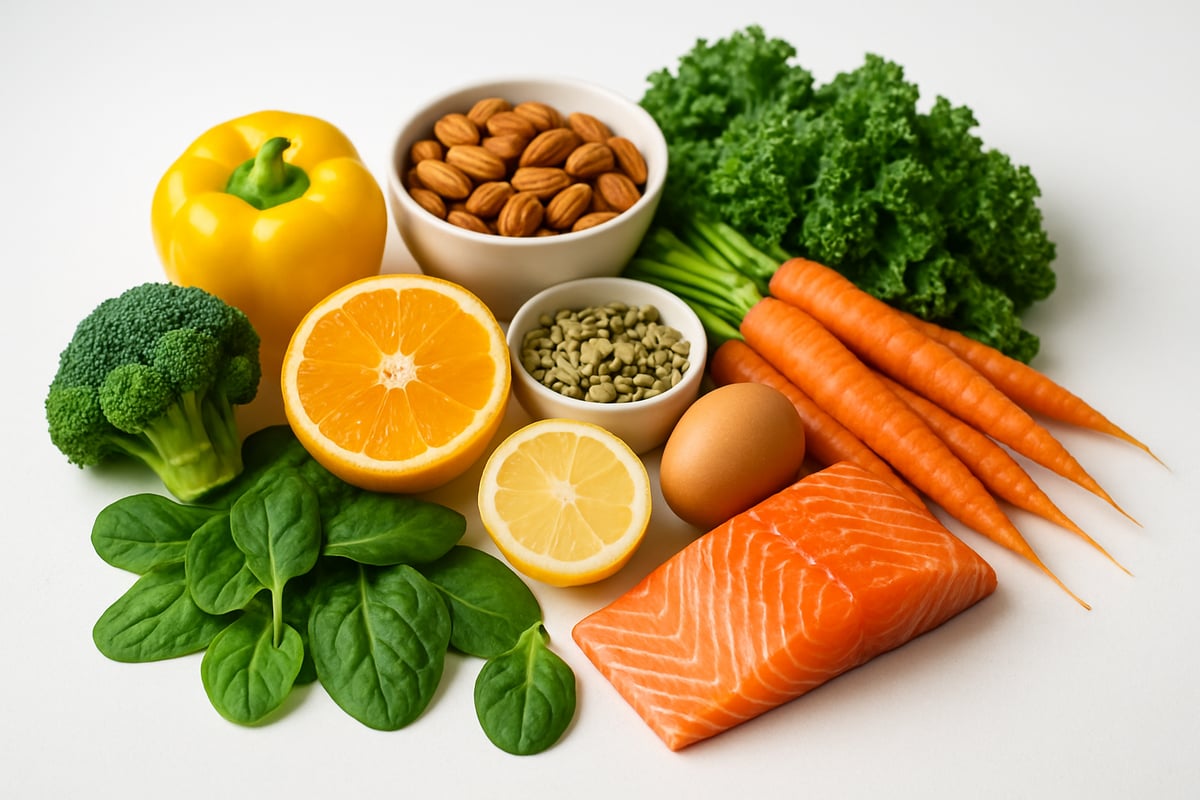
1. [Vitamin D]
Vitamin D plays a crucial role in activating immune defenses. It helps regulate the response of white blood cells, reducing the risk of respiratory tract infections. Recent research, including a systematic review and meta-analysis from 2024, found that vitamin D supplementation can improve COVID-19 outcomes and lower the severity of infections.
Many people have low vitamin D levels, especially in regions with limited sunlight. According to a UK study, 60% of adults in 2025 show insufficient vitamin D. Foods like salmon, fortified milk, and egg yolks can help, but sunlight exposure remains a primary natural source.
Recommended daily intake ranges from 600-800 IU for adults, with higher needs for older individuals. Signs of deficiency include fatigue, frequent illness, and bone pain. Supplementation is often necessary for those at risk, but staying within safe upper limits (4,000 IU daily) is important. Vitamin D is one of the essential vitamins for immune system resilience.
2. [Vitamin C]
Vitamin C is a powerful antioxidant that protects cells from damage and supports white blood cell function. Clinical trials demonstrate it can reduce the duration and severity of the common cold. Its synergy with zinc and other nutrients enhances immune defense.
Natural sources include citrus fruits, berries, bell peppers, and broccoli. In 2024, 35% of adults did not meet daily vitamin C requirements, making deficiency more common than many realize. The recommended intake is 75-90 mg daily for adults.
Optimal absorption comes from food, but supplements can help during illness or stress. Over-supplementation may cause digestive discomfort. Including vitamin C among your vitamins for immune system protection ensures your body can respond quickly to threats.
3. [Vitamin A]
Vitamin A is vital for maintaining healthy mucosal barriers in the respiratory and digestive tracts, both of which are primary entry points for pathogens. It also supports innate immune functions and regulates gene expression in immune cells.
Deficiency increases susceptibility to infections, particularly in children. Animal sources like liver and eggs provide retinol, while plant foods such as sweet potatoes and carrots offer beta-carotene. The body converts beta-carotene to active vitamin A as needed.
Safe supplementation is essential, as excessive intake can be toxic. UNICEF data highlight the importance of vitamin A supplementation programs for child immunity worldwide. Prioritizing vitamin A helps strengthen the foundational vitamins for immune system health.
4. [Vitamin E]
Vitamin E is a lipid-soluble antioxidant that protects cell membranes from oxidative stress. It also enhances T-cell function and supports overall immune signaling, particularly as we age.
Best dietary sources include nuts, seeds, and plant oils like sunflower and safflower. Research shows that vitamin E can counteract age-related declines in immune response. However, high doses may interact with certain medications, such as blood thinners.
Signs of deficiency are rare but can include muscle weakness and vision problems. Toxicity is also possible with over-supplementation. Including vitamin E in your daily intake is a smart way to round out your vitamins for immune system support.
5. [Vitamin B6]
Vitamin B6 is essential for the production of antibodies and the proliferation of lymphocytes, both of which are crucial for a robust immune response. Low B6 status is linked to higher inflammation markers and increased infection risk.
Dietary sources include poultry, fish, bananas, and chickpeas. Needs increase during pregnancy, in the elderly, and for those with certain health conditions. The NHANES study found a relationship between B6 intake and key immune biomarkers.
Deficiency symptoms can include anemia, skin rashes, and weakened immunity. Ensuring adequate vitamin B6 as part of your vitamins for immune system strategy helps your body mount a better defense against pathogens.
6. [Vitamin B12]
Vitamin B12 is required for red blood cell formation and DNA synthesis in immune cells. It is especially important for vegetarians, vegans, and the elderly, who are at higher risk for deficiency due to dietary or absorption challenges.
Animal products such as meat, fish, eggs, and dairy are the main sources, but fortified foods and supplements are available. Early deficiency signs include fatigue, cognitive changes, and numbness.
Plant-based diets are rising in popularity in 2025, increasing the need for B12 awareness and supplementation. Including B12 in your routine ensures that your chosen vitamins for immune system support cover all essential bases.
7. [Folate (Vitamin B9)]
Folate is critical for cell division and the turnover of immune cells. It is especially vital during pregnancy and for chronic disease prevention. Leafy greens, legumes, and fortified grains are excellent sources.
Folate works closely with vitamin B12 to regulate homocysteine metabolism, which impacts inflammation and cardiovascular health. Deficiency remains a concern in certain populations, particularly those with limited access to fresh produce.
Supplementation should be guided by healthcare professionals to avoid excessive intake. Folate is one of the foundational vitamins for immune system maintenance, supporting both prevention and recovery.
8. [Vitamin K]
Vitamin K is gaining attention for its role in immune regulation and inflammation control. Recent studies link vitamin K with a healthier gut microbiome and a more balanced immune response.
Leafy greens and fermented foods are the richest sources. Vitamin K also works in synergy with vitamin D to modulate immune function. Deficiency risks are higher in those with digestive disorders or on certain medications.
Clinical signs include easy bruising and bleeding. Ongoing research continues to clarify the importance of vitamin K in the landscape of vitamins for immune system optimization.
9. [Vitamin F (Omega-3 Fatty Acids)]
Although not technically a vitamin, omega-3 fatty acids—sometimes called vitamin F—are essential for immune cell membrane integrity and function. They have strong anti-inflammatory properties and help resolve infections more efficiently.
Sources include flaxseed, chia seeds, walnuts, and fatty fish like salmon and sardines. Recommended intake varies by form: ALA is plant-based, while EPA and DHA are found in marine sources. Meta-analyses show omega-3s can reduce respiratory infection risk.
Omega-3 supplementation is increasingly popular for those seeking comprehensive vitamins for immune system protection. Ensuring adequate intake can be especially beneficial for individuals with autoimmune conditions or inflammatory disorders.
How to Optimize Vitamin Intake for Immune Support in 2025
Optimizing your intake of vitamins for immune system health starts with prioritizing nutrient-dense foods every day. A colorful, balanced plate filled with fruits, vegetables, whole grains, lean proteins, nuts, and seeds provides a strong foundation for immunity. Focus on variety, as different foods supply unique vitamins for immune system support.
Here’s an example of a daily meal plan loaded with immune-supporting vitamins:
| Meal | Foods Rich in Immune Vitamins |
|---|---|
| Breakfast | Spinach omelet, whole grain toast, orange slices |
| Snack | Greek yogurt with mixed berries and walnuts |
| Lunch | Grilled salmon salad with leafy greens, cherry tomatoes, peppers |
| Snack | Carrot sticks with hummus |
| Dinner | Lentil stew, quinoa, sautéed kale |
When dietary gaps occur, high-quality supplements can help maintain optimal levels of vitamins for immune system resilience. Choose food-based supplements when possible, as they offer better absorption for many individuals. For more on this, read about the differences between food-based vs synthetic supplements.
Regular nutrient testing is essential, especially if you belong to at-risk groups such as the elderly, pregnant women, or those with restricted diets. Personalized recommendations from healthcare providers ensure your unique needs for vitamins for immune system function are met without unnecessary risks.
Lifestyle factors also influence how your body uses vitamins. Chronic stress, poor sleep, and lack of exercise can deplete your stores or increase needs. Prioritize stress management, restful sleep, and daily movement to get the most from your vitamin-rich diet.
To avoid common pitfalls, steer clear of overdosing on supplements, which can cause imbalances or toxicity. Be mindful of potential interactions with medications and ensure you choose reputable brands.
Sensitive individuals may benefit from plant-based, whole-food supplements, which are gentler on the digestive system. For more natural strategies, explore this guide to boosting immunity naturally.
Children, older adults, and pregnant women often require special attention to vitamin intake. Consulting with a healthcare professional can help tailor a plan that keeps your immune system strong throughout 2025.

Frequently Asked Questions About Immune-Boosting Vitamins
Curious about how vitamins for immune system support can fit into your daily routine? Here are answers to the most common questions people ask in 2025.
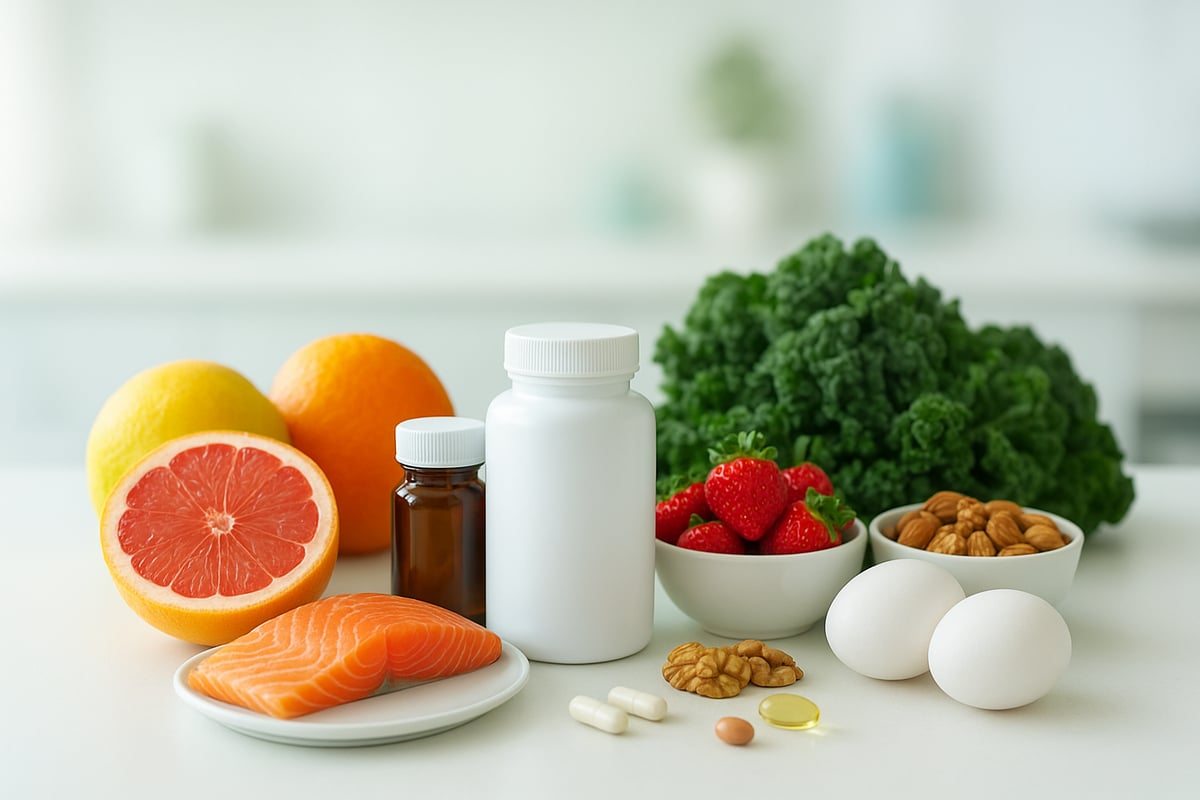
Can you take all these vitamins for immune system support together safely?
Most people can, but check for interactions and avoid exceeding recommended amounts. Consult your healthcare provider, especially if you take medications or have health conditions.
How quickly do vitamins improve immune function?
Improvements depend on your baseline status and intake. Some, such as vitamin C, may help within days, while others like vitamin D may take weeks. Consistency matters most.
Do supplements work as well as food sources?
Whole foods offer more than just vitamins for immune system health, including fiber and phytonutrients. Supplements can help fill gaps, but food is generally preferred for bioavailability.
Are there risks to taking too many vitamins?
Yes. Fat-soluble vitamins (A, D, E, K) can build up and cause toxicity. Water-soluble types are generally safer but can still cause issues at high doses.
What’s the best time of day to take immune-supporting vitamins?
B vitamins are usually best in the morning. Fat-soluble vitamins like D and E absorb better with meals. Follow label directions for optimal results.
How do I choose a quality supplement brand in 2025?
Look for third-party testing, transparent labeling, and clinical research backing. Consider brands that specialize in targeted nutrients like Omega-3 Fatty Acids Benefits.
Are multivitamins enough for immune support?
Multivitamins offer a convenient base but may not meet all individual needs. Personalized assessment and regular nutrient testing are recommended.
How do genetics influence vitamin needs for immunity?
Genetic differences can affect absorption, metabolism, and requirements for certain vitamins for immune system health. Personalized nutrition is an emerging field to address these needs.
Taking steps to fortify your immune system is one of the most important investments you can make in 2025. By understanding which vitamins matter most and how they work together, you empower yourself to build lasting resilience from within. At Essential Life, we believe your body deserves only the purest, most effective support, grounded in nature and backed by science. If you are ready to nourish your health with clean, plant-based supplements that make a real difference, I invite you to your body deserves better choose clean supplements that work.