

Essential Guide to Vitamins for Weight Loss in 2026
Interest in vitamins for weight loss is rapidly rising as more people seek natural, effective solutions for managing their health in 2026. With new research and updated recommendations emerging, the landscape of weight management is evolving quickly. This guide aims to provide you with the latest, evidence-based insights on how vitamins for weight loss can play a pivotal role in supporting your goals.
You will discover the science connecting vitamins to metabolism and fat loss, learn which key nutrients matter most, and get practical tips for safe, effective use. As you explore, you will also find guidance on safety, address common myths, and see what's new in vitamin trends for 2026. Unlock the power of informed choices and take the next step toward your healthiest self with this essential guide.
The Science Behind Vitamins and Weight Loss
Understanding the science behind vitamins for weight loss is crucial for anyone aiming to reach their health goals in 2026. Recent research has highlighted how vitamins play an essential role in metabolic processes, energy production, and overall well-being. Let's explore how these micronutrients impact weight management, which deficiencies matter most, and what the latest studies reveal.

How Vitamins Influence Metabolism and Fat Loss
Vitamins for weight loss work by supporting your body’s metabolic pathways. Many vitamins, such as B12 and D, are involved in converting food into usable energy. When these nutrients are lacking, your metabolism can slow, making it harder to burn calories efficiently.
For example, a deficiency in vitamin B12 may lead to persistent fatigue, limiting your motivation and ability to exercise. Research has shown that optimal intake of vitamins for weight loss can help support healthy energy levels and effective calorie burning.
The link between vitamins for weight loss and metabolic health is evident in several studies, which highlight the importance of maintaining adequate levels to optimize fat loss and energy production.
Common Deficiencies That Affect Weight
Modern diets often lack key nutrients, leading to deficiencies in vitamins for weight loss such as B12, D, iron, and magnesium. These shortfalls can trigger cravings, reduce energy, and disrupt hormonal balance, all of which hinder weight management.
Vitamin D deficiency is especially prevalent, with over 40 percent of adults affected in some regions. This deficiency is associated with increased fat storage and difficulty shedding excess weight. For many, not getting enough vitamins for weight loss contributes to a cycle of low energy and poor dietary choices.
Recognizing and addressing these common deficiencies is a vital step in any effective weight loss strategy.
Separating Fact from Fiction: What Research Says
While many people hope that vitamins for weight loss alone can deliver dramatic results, the scientific consensus from 2024 to 2026 is clear: vitamins support overall health, but they are not standalone solutions for weight reduction.
Multiple studies have produced mixed results regarding vitamin supplementation and actual weight loss outcomes. Experts agree that vitamins for weight loss are supportive, not magic bullets. For example, sources like Healthline and AARP emphasize that while some vitamins may indirectly aid fat loss by improving energy and metabolic health, direct effects are limited.
A recent review, Effects of dietary vitamins on obesity-related metabolic parameters, found that maintaining adequate vitamin status can positively influence metabolic markers. However, the most significant results come when vitamins for weight loss are combined with balanced nutrition, exercise, and lifestyle changes.
The takeaway for 2026: Use vitamins for weight loss as part of a comprehensive approach, not as a substitute for healthy habits.
Key Vitamins for Weight Loss in 2026
Unlocking the potential of vitamins for weight loss requires understanding which nutrients matter most. The following key vitamins and nutrients play crucial roles in metabolism, appetite, and fat regulation. By focusing on these, you can optimize your efforts for 2026.
B Vitamins: Energy, Metabolism, and Appetite
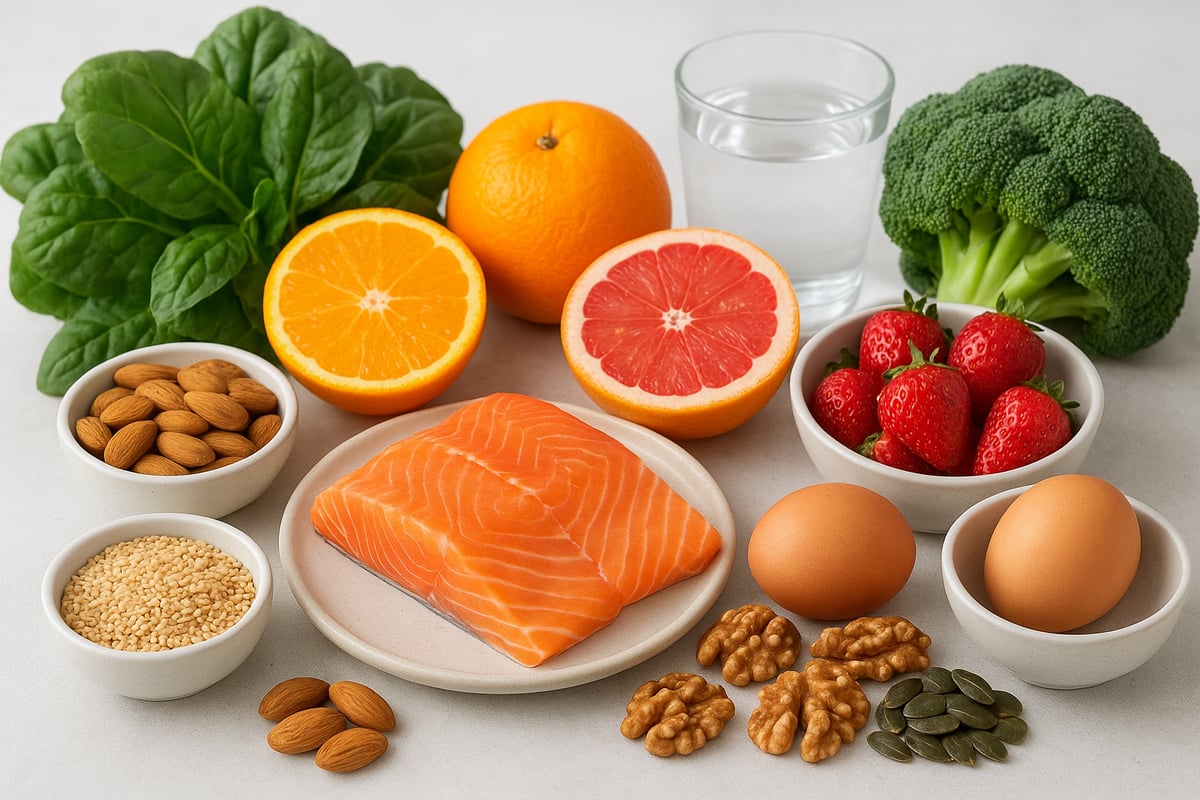
B vitamins are central to the body’s energy production and efficient metabolism. They help convert carbohydrates, fats, and proteins from food into usable fuel. Deficiencies in B12, B6, or folate can cause fatigue, making it harder to stay active and adhere to a weight loss plan.
Popular trends like B12 injections have gained attention, but research shows little direct effect on fat loss. However, studies suggest that improving B vitamin status can boost energy, supporting exercise and healthy eating. For those seeking effective vitamins for weight loss, addressing B vitamin intake is an essential first step.
Vitamin D: Hormonal Balance and Fat Storage
Vitamin D supports bone health, immune function, and hormonal regulation. Up to half of adults may be deficient, which can impact fat storage and metabolic health. Research on vitamin D supplementation and weight loss is ongoing, with some studies showing modest benefits.
Natural sources include sunlight and fatty fish, but many people require supplementation, especially in winter. Maintaining healthy vitamin D levels is a cornerstone of using vitamins for weight loss, as it supports hormone balance and may reduce excess fat storage.
Vitamin C and Antioxidants: Fat Oxidation and Recovery
Vitamin C is not only vital for immune health but also supports fat oxidation during exercise. Antioxidants, including vitamin C, help the body recover from the oxidative stress caused by dieting and physical activity. Foods like citrus fruits, berries, and leafy greens are excellent sources.
Research shows that higher vitamin C status is linked to greater fat loss during exercise. By including antioxidant-rich foods, you enhance your body’s ability to recover and sustain activity, making these vitamins for weight loss a valuable addition to your daily routine.
Omega-3s and Fat-Soluble Vitamins: Supporting Satiety and Fat Metabolism
Omega-3 fatty acids, especially EPA and DHA, may help reduce appetite and support heart health. Fat-soluble vitamins A, E, and K are also crucial for proper fat metabolism and cellular function. You’ll find these nutrients in fatty fish, nuts, seeds, and green vegetables.
While evidence for direct weight loss effects is mixed, including these nutrients promotes overall wellness and satiety. For those exploring comprehensive vitamins and supplements, a balanced approach ensures you get the most from your vitamins for weight loss plan.
How to Incorporate Vitamins for Weight Loss Safely
Incorporating vitamins for weight loss into your daily routine requires a thoughtful approach. Understanding the best sources, how to balance your diet, and when to supplement ensures you gain the benefits without unnecessary risks. Let’s explore practical strategies for optimizing your intake of vitamins for weight loss in 2026.

Dietary Sources vs. Supplements: What’s Best?
When considering vitamins for weight loss, whole-food sources generally offer superior bioavailability and safety compared to supplements. Foods such as leafy greens, eggs, fatty fish, and fortified cereals deliver not only essential vitamins but also fiber, minerals, and antioxidants that support overall health.
Experts recommend a food-first approach, as nutrients from whole foods are better absorbed and less likely to result in imbalances. For example, folate is abundant in spinach and lentils, while vitamin B12 is found in animal products or fortified cereals. Sunlight exposure helps your body produce vitamin D naturally.
However, certain individuals may require supplements. Vegans, older adults, or those recovering from bariatric surgery often have higher needs or absorption challenges. In these cases, targeted supplementation of vitamins for weight loss can help address specific deficiencies and support metabolic health.
Creating a Balanced, Vitamin-Rich Meal Plan
Building a meal plan rich in vitamins for weight loss can be both simple and enjoyable. Focus on variety and color by including fruits, vegetables, whole grains, lean proteins, and healthy fats at each meal.
Here’s a sample day:
- Breakfast: Spinach omelet with tomatoes and whole-grain toast (B vitamins, vitamin D)
- Lunch: Grilled salmon salad with mixed greens, bell peppers, and a citrus vinaigrette (omega-3s, vitamin C)
- Snack: Greek yogurt with berries and walnuts (B vitamins, antioxidants)
- Dinner: Lentil stew with carrots, kale, and quinoa (folate, vitamin C, magnesium)
For more inspiration, explore our Nourishing Recipes Ebook for creative ways to boost your intake of vitamins for weight loss through delicious, nutrient-dense meals.
Supplementation Guidelines and Dosages for 2026
If you need to supplement, follow updated Recommended Dietary Allowances (RDAs) to ensure safe and effective use of vitamins for weight loss. For adults in 2026, key guidelines include:
| Vitamin | RDA (Adults) | Upper Limit |
|---|---|---|
| Vitamin B12 | 2.4 mcg | No set UL |
| Vitamin D | 600–800 IU | 4,000 IU |
| Vitamin C | 75–90 mg | 2,000 mg |
| Omega-3 (EPA/DHA) | 250–500 mg | 3,000 mg |
Avoid megadoses unless prescribed by a healthcare provider. Excessive intake can cause toxicity or disrupt nutrient balance. Supplementation is best reserved for medically confirmed deficiencies or when dietary intake cannot meet needs.
Consulting Professionals: When to Seek Help
Before starting any new regimen of vitamins for weight loss, consult a healthcare professional. Registered dietitians or physicians can assess your individual needs, order blood tests to check vitamin levels, and recommend appropriate dosages.
Professional guidance ensures that your approach to vitamins for weight loss is both safe and effective, tailored to your health status and goals.
Potential Risks, Side Effects, and Myths
Understanding the potential pitfalls of using vitamins for weight loss is crucial. While these micronutrients support metabolic health, misuse or misunderstanding can lead to unintended consequences. Let us explore the key risks, misconceptions, and safety concerns every individual should know before starting any vitamin regimen.
Risks of Over-Supplementation
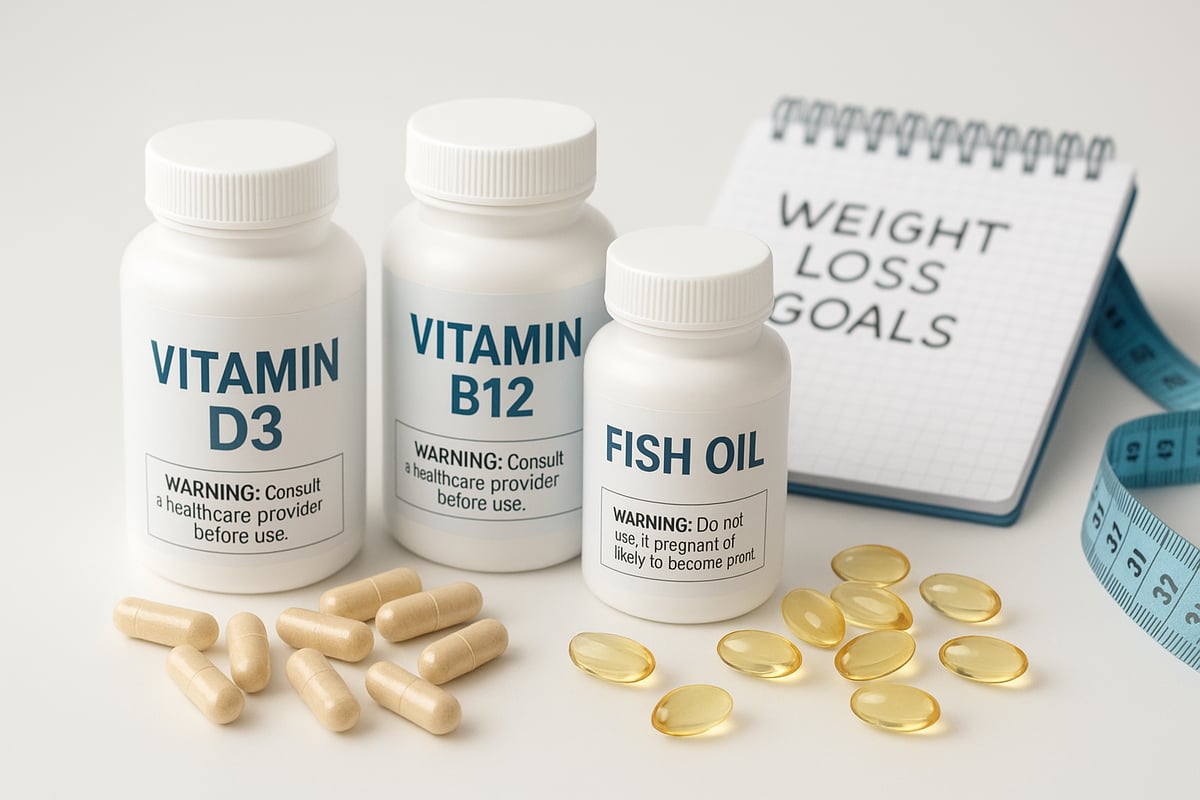
Taking excessive amounts of vitamins for weight loss can be harmful. Over-supplementation may cause toxicity or disrupt the body’s delicate nutrient balance.
Common risks include:
- Vitamin D toxicity: Symptoms such as hypercalcemia, nausea, and kidney problems.
- Vitamin A overdose: Can lead to liver damage, headaches, and birth defects.
- Interactions: High doses of certain vitamins might interfere with medications.
Reports since 2020 have highlighted an uptick in supplement misuse, especially with the rise of self-prescribed vitamins for weight loss. Research on the impact of micronutrient deficiencies on obesity also notes that correcting deficiencies is beneficial, but overcorrecting can backfire. More is not always better, and moderation is key.
Debunking Common Myths About Vitamins and Weight Loss
There are many myths surrounding vitamins for weight loss. One common misconception is that vitamin shots or supplements alone can “melt fat.” In reality, no vitamin directly causes fat loss without lifestyle changes.
Some believe supplements can replace healthy eating. This is untrue, as whole foods provide a complex mix of nutrients and fiber that pills cannot match. Authoritative sources like Healthline and AARP consistently emphasize that vitamins for weight loss are supportive, not primary drivers. For more on balancing supplements and diet, see Achieving Balance with Multivitamins. Evidence-based decisions will always outperform trendy shortcuts.
Who Should Avoid Certain Supplements?
Not everyone should take all vitamins for weight loss. Some groups face higher risks from supplementation.
- Pregnant women: Excess vitamin A can cause birth defects.
- Chronic conditions: People with liver, kidney, or heart issues may be at risk with certain supplements.
- Medication interactions: Omega-3s can thin blood, affecting those on anticoagulants.
Always consult a healthcare provider before starting vitamins for weight loss. Personalized advice ensures you benefit safely from supplementation.
Emerging Trends and Innovations in Vitamin-Based Weight Management
The landscape of vitamins for weight loss is rapidly evolving, with 2026 bringing exciting new trends and technologies. As interest in personalized approaches grows, consumers are seeking more effective and sustainable ways to reach their goals. Let us explore the top innovations shaping how people use vitamins for weight loss today.
Personalized Nutrition and DNA Testing
Personalized nutrition is transforming how people approach vitamins for weight loss. With DNA testing kits now accessible at home, individuals can uncover their unique vitamin needs based on genetic markers. This innovation allows for tailored supplement plans, targeting specific metabolic pathways that influence weight management.
For example, a DNA test might reveal a higher need for vitamin D or B12, guiding more precise supplementation. The market for personalized nutrition is projected to grow significantly by 2026, driven by consumer demand for effective, science-backed solutions. As a result, vitamins for weight loss are no longer one-size-fits-all but are part of a customized wellness strategy.
Advances in Supplement Delivery Systems
Technological advances are making vitamins for weight loss more efficient and convenient. New forms, like liposomal vitamins, slow-release capsules, and liquid formulations, are designed to enhance absorption and bioavailability. Liposomal delivery, for instance, has shown promise in improving the uptake of vitamin B12 and D, which are crucial for metabolic health.
Consumers are increasingly choosing these innovative delivery systems for their effectiveness and ease of use. If you are interested in exploring cutting-edge options, the Weight Management Supplements collection showcases products developed with advanced technology to support your journey. These improvements aim to maximize the benefits of vitamins for weight loss while reducing potential side effects.
Integrating Vitamins with Holistic Wellness Approaches
A holistic approach to weight management is gaining momentum, emphasizing that vitamins for weight loss work best alongside lifestyle changes. Combining proper supplementation with exercise, quality sleep, stress reduction, and gut health practices leads to better outcomes. For example, probiotics and fiber can enhance vitamin absorption and promote feelings of fullness, supporting long-term success.
Studies continue to show that multi-faceted strategies—not just isolated supplementation—yield the most sustainable results. By integrating vitamins for weight loss into a comprehensive plan, individuals can address multiple facets of health, making it easier to achieve and maintain their goals.
The Role of Natural, Plant-Based Supplements
Natural, plant-based supplements are rising in popularity among those seeking gentle, bioavailable options for vitamins for weight loss. Brands now offer vegan, clean-label products that use whole foods as sources for essential nutrients. This trend aligns with the growing demand for transparency and clean wellness solutions.
Plant-based supplements are often easier for the body to absorb and less likely to cause adverse reactions. As more people prioritize natural approaches, these products are set to become a staple in the future of vitamins for weight loss, offering both efficacy and peace of mind.
You’ve just explored how the right vitamins and a whole-food approach can support your weight management journey in 2026. As you consider incorporating these nutrients into your daily routine, remember that the cleanest, most effective solutions come from nature itself. At Essential Life, we believe in nourishing your body with pure, plant-based ingredients that help you feel energized, balanced, and truly well—inside and out. If you’re ready to make a positive change and give your body what it truly needs, let’s take that next step together.
Nourish your body with what it truly needs.