

9 Essential Vitamins Good for Women in 2025
In 2025, women’s health stands at the forefront of innovation, with personal wellness choices more tailored than ever before. But amid these advancements, how confident are you that you are getting the right vitamins good for women to support every stage of your life?
This article explores the nine most essential vitamins shaping women’s wellness in 2025. Discover how each vitamin can impact your energy, immunity, and vitality, backed by the latest scientific insights. From daily requirements to food sources and new supplementation trends, you will find practical advice to take charge of your well-being today.
Why Women Need Targeted Vitamins in 2025
In 2025, the conversation around women’s health has evolved dramatically. More women are seeking not just general wellness, but also tailored solutions that meet their unique needs. This shift is driven by new research, changing lifestyles, and an increased understanding of how vitamins good for women can shape lifelong health.
Global trends reveal that women face specific nutritional challenges. Busy schedules, increased stress levels, and the popularity of plant-based diets have all impacted vitamin intake. While these trends promote overall well-being, they can also leave gaps. For example, plant-based diets may lack certain vitamins good for women, such as B12 and iron, unless these nutrients are carefully monitored.
Recent studies highlight the prevalence of vitamin deficiencies among women worldwide. Vitamin D and iron are among the most common gaps, affecting energy, bone health, and immune function. According to Vitamin D deficiency prevalence in U.S. women, nearly 41% of American women may have insufficient vitamin D levels, with even higher rates in certain demographic groups. This underscores the urgent need for targeted vitamin strategies.
Women also have unique physiological needs that change throughout life. Hormonal fluctuations, reproductive health, and bone density require specific support from vitamins good for women. During pregnancy, folate is critical for fetal development, while menopause brings increased risk for osteoporosis, making vitamin D and calcium more important. Genetics can further influence how women absorb and utilize nutrients, highlighting the need for personalized approaches.
Modern diets and environmental factors play a significant role as well. Processed foods, limited sun exposure, and exposure to environmental toxins can affect how well women absorb essential nutrients. Leading health organizations recommend prioritizing vitamins good for women that address these challenges, focusing on micronutrients that support hormonal balance, immunity, and long-term vitality.
Ultimately, proactive and personalized nutrition is key. By understanding individual needs and addressing common gaps, women can optimize their health now and in the future. Embracing a tailored approach to vitamins good for women empowers women to thrive in every stage of life.

9 Essential Vitamins Good for Women in 2025
Understanding which vitamins good for women are truly essential in 2025 means looking at the latest science, lifestyle shifts, and nutritional gaps. Experts selected these nine vitamins based on their proven impact on women’s health, prevalence of deficiencies, and the newest research. If you want to explore the current top picks for women’s supplements, check out the Best Vitamins for Women for more guidance.

1. Vitamin D: The Immunity & Bone Defender
Vitamin D stands out among vitamins good for women because it is crucial for calcium absorption and maintaining bone strength—key for preventing osteoporosis. Recent studies highlight its expanded role in immune defense and even mood support, reducing risks related to PMS and autoimmune disorders.
Deficiency is especially common in women who have limited sun exposure, live in northern climates, or have darker skin. Food sources include fortified dairy, fatty fish, and mushrooms. For 2025, updated guidelines recommend checking blood levels to personalize your dosage.
Research links adequate vitamin D with lower osteoporosis rates. Women should be proactive about getting enough, especially during pregnancy, menopause, or if following a plant-based diet.
2. Vitamin B12: The Energy & Brain Booster
Vitamin B12 is one of the most important vitamins good for women, supporting energy production, nerve function, and healthy red blood cells. As more women adopt plant-based diets in 2025, the risk of deficiency increases—B12 is found mainly in animal products, so supplementation is often necessary.
Benefits extend to cognitive health, memory, and mood stabilization. Fortified cereals, nutritional yeast, and specific supplements (preferably methylcobalamin) are good sources.
Research shows B12 prevents anemia and supports brain health, particularly vital for women over 50 due to reduced absorption with age. Regular blood tests help ensure adequate intake.
3. Folate (Vitamin B9): The Reproductive Health Champion
Among vitamins good for women, folate is essential for anyone considering pregnancy. It supports fertility, proper fetal development, and helps prevent neural tube defects. Updated recommendations in 2025 emphasize the importance of natural folate from leafy greens, legumes, and fortified grains, as well as tailored supplementation.
Folate and folic acid are not identical; current research favors natural folate or methylfolate for better absorption. CDC data links deficiency to poor birth outcomes, so all women of childbearing age should monitor their intake.
Folate’s role extends beyond pregnancy, supporting cardiovascular and cognitive health.
4. Vitamin C: The Skin & Immunity Powerhouse
Vitamin C is a cornerstone among vitamins good for women, acting as a potent antioxidant. It boosts collagen production for healthy skin and fortifies immune defenses. New research finds that vitamin C can also help reduce stress and enhance the absorption of iron, which is particularly valuable for women.
Top food sources are citrus fruits, strawberries, bell peppers, and broccoli. Supplementation trends for 2025 include liposomal forms for higher bioavailability.
Studies show that regular vitamin C intake helps prevent skin aging and supports daily immune resilience. Aim for consistent, moderate intake through both diet and supplements.
5. Vitamin E: The Antioxidant & Hormone Balancer
Vitamin E is one of the vitamins good for women that provides cellular protection against oxidative stress. It also supports hormonal balance, reduces PMS symptoms, and promotes cardiovascular wellness.
Women can find vitamin E in nuts, seeds, avocados, and plant oils. When supplementing, natural forms are preferred over synthetic. Research suggests vitamin E can help alleviate menstrual discomfort and improve skin health.
It’s especially important for women exposed to environmental toxins or high stress, as vitamin E helps neutralize free radicals and supports overall wellness.
6. Vitamin K2: The Bone & Heart Protector
Vitamin K2 is gaining recognition as one of the vitamins good for women, thanks to its critical role in bone mineralization and heart health. Unlike vitamin K1, K2 helps direct calcium to bones rather than arteries, reducing fracture risk and supporting cardiovascular function.
Sources include natto, fermented foods, certain cheeses, and leafy greens. Supplementation is often combined with vitamin D and calcium for synergy.
Studies show postmenopausal women taking K2 have a lower risk of fractures. As awareness grows in 2025, expect more focus on this underappreciated nutrient for women’s health.
7. Vitamin A: The Vision & Immune Guardian
Vitamin A is another of the vitamins good for women, supporting vision, immune function, and reproductive health. Women can get vitamin A from carrots, sweet potatoes, spinach, and eggs.
There are two main types: retinol (animal sources) and beta-carotene (plant sources). Balance is key, as excessive intake can be harmful. WHO data links deficiency to poor health outcomes, especially in reproductive-aged women.
Supplementation should be tailored, with a focus on dietary sources and caution against overuse.
8. Vitamin B6: The Mood & Metabolism Regulator
Vitamin B6 is essential among vitamins good for women, helping to regulate neurotransmitters, mood, and metabolism. It has proven benefits for PMS relief, morning sickness during pregnancy, and immune support.
Food sources include poultry, bananas, chickpeas, and whole grains. Experts recommend updated dosage guidelines for 2025, especially for women with hormonal concerns.
Clinical trials confirm B6’s effectiveness in easing PMS symptoms and supporting mental well-being. It is often overlooked but is vital for hormonal balance.
9. Biotin (Vitamin B7): The Beauty & Energy Vitamin
Biotin stands out in the list of vitamins good for women for its support of healthy hair, skin, and nails, as well as its role in energy metabolism. Women are increasingly turning to biotin in beauty supplements, but it is also naturally found in eggs, nuts, seeds, and sweet potatoes.
While many claims about biotin are exaggerated, evidence supports its benefit for hair strength and nail growth when deficiency is present. Safe supplementation is key, as excessive intake offers no added benefit.
For most women, a balanced diet provides enough biotin, but supplementation can be helpful in specific cases, ensuring that all vitamins good for women are covered for beauty and vitality.
How to Choose the Right Vitamin Supplements for Women
Selecting the right vitamins good for women in 2025 can feel overwhelming, given the abundance of options and evolving science. Women’s health needs are unique and constantly changing, making it essential to choose supplements that truly support your well-being. A personalized approach, informed by expert guidance, ensures you receive the most benefits from your daily regimen.
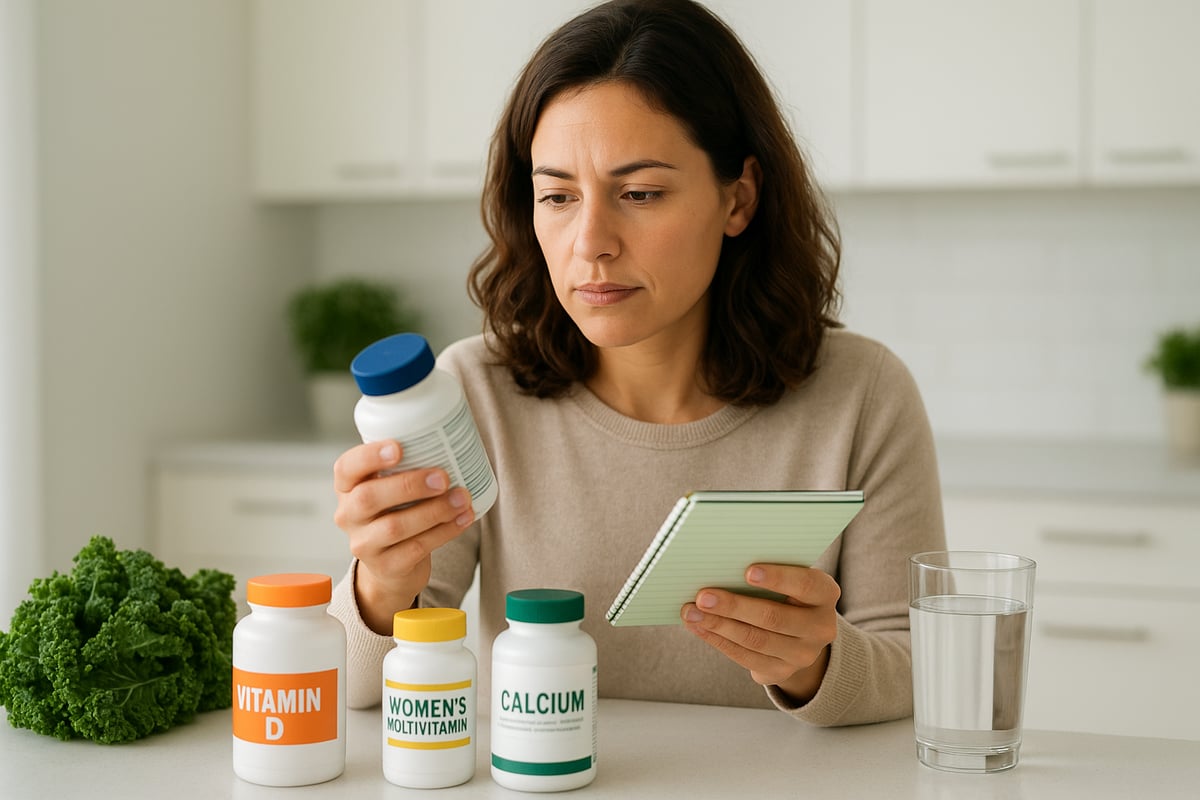
Factors to Consider When Choosing Supplements
When evaluating vitamins good for women, assess your age, health status, and lifestyle. Nutritional requirements shift during different life stages, such as pregnancy or menopause. Personal health conditions, like anemia or bone density concerns, also influence which supplements you may need.
Dietary preferences play a critical role. For example, plant-based diets may require extra attention to vitamins B12 and D. Busy lifestyles, stress levels, and exposure to environmental factors further impact your nutritional needs. Consider these factors to tailor your supplement strategy effectively.
How to Read Labels and Understand Supplement Types
Carefully reading supplement labels is vital when choosing vitamins good for women. Check for clear ingredient lists, appropriate dosages, and quality certifications such as GMP or third-party testing. Understanding the difference between synthetic and whole-food or plant-based supplements can help you select products with better absorption and fewer additives.
Bioavailability matters. Some forms of vitamins are more easily absorbed than others. For instance, methylcobalamin is often preferred over cyanocobalamin for B12. Look for supplements that disclose their sourcing and potency to make informed choices.
| Feature | Synthetic Supplements | Whole-Food/Plant-Based Supplements |
|---|---|---|
| Source | Lab-made | Derived from foods/plants |
| Absorption | Varies | Often higher |
| Additives | Possible | Usually minimal |
| Label Transparency | Mixed | Often detailed |
Safety, Expert Consultation, and Current Trends
Safety is paramount when adding vitamins good for women to your routine. Avoid mega-doses, which can cause adverse effects or interact with medications. Consulting with a healthcare provider ensures your supplements are tailored to your individual needs and current medications.
The supplement industry in 2025 is moving toward clean, transparent, and sustainable brands. Many women are choosing products with eco-friendly packaging and ethical sourcing. For a deeper comparison of popular multivitamin options and how they contribute to balanced health, explore Multivitamins for Optimal Health.
Staying informed and proactive allows you to make the best decisions for your health, ensuring that your supplement choices truly reflect the evolving science and your personal wellness goals.
Latest Trends in Women’s Vitamin Supplementation for 2025
Women’s health is entering a new era in 2025, where innovation and personalization are at the forefront of vitamins good for women. Brands are embracing technology, making it easier than ever for women to tailor supplements to their unique needs. DNA-based testing and AI-driven plans help women identify the precise nutrients their bodies need, ensuring targeted support for every life stage.
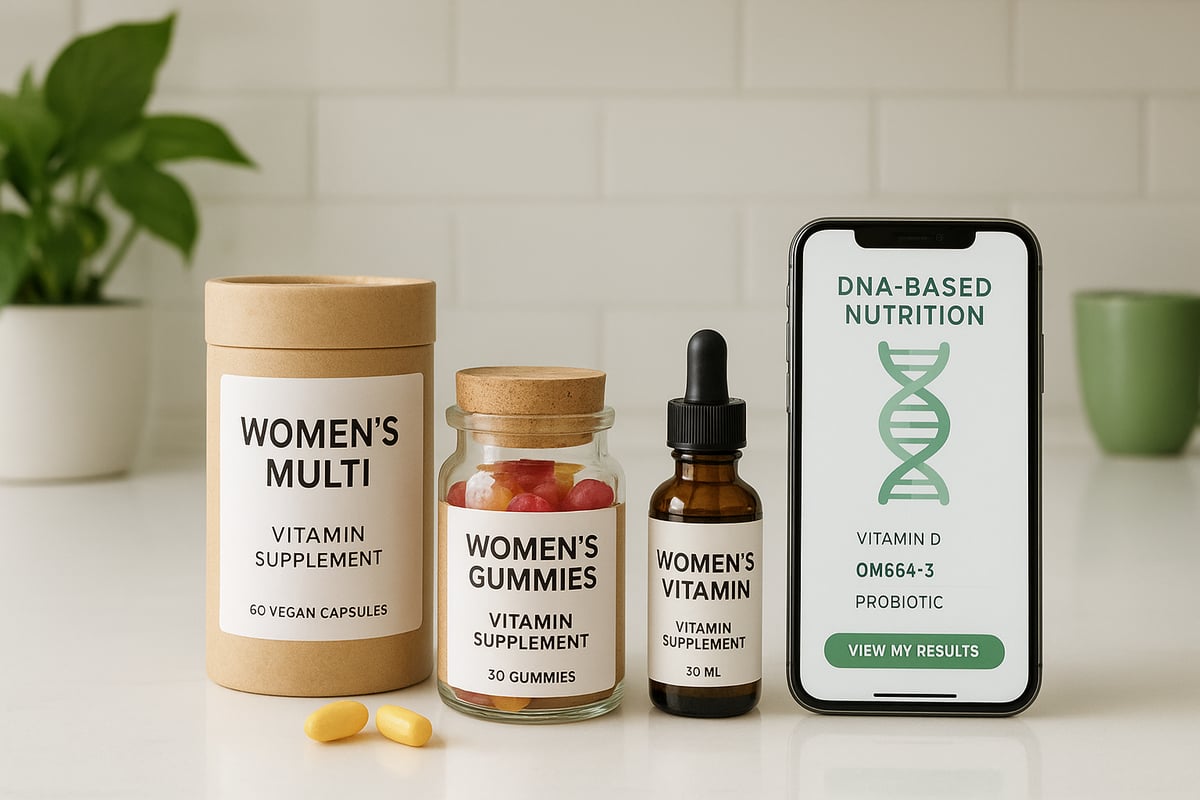
Personalized nutrition is not the only trend shaping vitamins good for women. There is a significant rise in vegan, plant-based, and allergen-free formulations, catering to diverse dietary preferences and sensitivities. Sustainability is also taking center stage, with brands adopting recyclable packaging and ethical ingredient sourcing. Transparency is key, as more women demand third-party testing and clean labels to verify the quality and safety of their supplements. For those focused on immune support, innovations like liposomal delivery and gummies are making vitamins more enjoyable and effective. Explore the Immune System Supplement Guide for more on these new supplement forms.
The market for vitamins good for women is rapidly growing, with industry data showing a surge in demand for personalized, clean, and sustainable options. As technology evolves and consumer awareness increases, women are empowered to make informed decisions that align with their health goals. Looking ahead, these trends will continue to redefine what it means to support women’s wellness with the right vitamins.
As you can see, nourishing your body with the right vitamins is about more than just filling nutritional gaps—it’s about supporting your energy, mood, and overall wellbeing at every stage of life. In 2025, women’s health is all about making informed, clean choices that honor both your body and the planet. If you’re ready to take the next step toward vibrant health and want supplements you can truly trust, why not explore what nature-based, whole-food solutions can do for you? Join the clean supplement movement your wellness boost awaits