

9 Essential Vitamins Men Need for Optimal Health in 2026
Men’s health is under the spotlight as we approach 2026, with nutrition playing a pivotal role in long-term wellbeing. Yet, studies reveal that a significant number of men fall short on key nutrients, missing out on the vitamins men need for energy, focus, and longevity.
Why does this matter? Deficiencies can quietly erode health, leading to low energy, weakened immunity, and higher disease risk. This article uncovers the 9 essential vitamins men need for optimal health, explains how each supports the body, and shares actionable tips to meet daily requirements.
Get ready to take control of your health and thrive.
Why Vitamins Matter for Men’s Health in 2026
As we move toward 2026, the importance of understanding the vitamins men need has never been greater. With rapid changes in daily life, many men are finding it challenging to meet their nutritional requirements. This section explores why these essential nutrients are crucial for sustaining health, energy, and longevity.

The Evolving Nutritional Needs of Modern Men
Today’s environment presents unique challenges for men’s health. Increased stress levels, longer work hours, and exposure to pollutants all contribute to higher nutritional demands. Diets heavy in processed foods and low in variety can leave gaps in the essential vitamins men need for optimal function.
According to the CDC, over 40 percent of men have at least one vitamin deficiency. This trend is concerning as it impacts disease prevention, energy production, and mental clarity. For example, men in their 30s often need more B vitamins to support metabolism, while those in their 40s and 50s require higher levels of Vitamin D and calcium for bone strength.
Common myths persist, such as the belief that a single multivitamin is a cure-all or that only older men need supplements. In reality, the vitamins men need vary by age and lifestyle. Regularly consuming a wide range of nutrients is key for supporting immune function, cardiovascular health, and overall vitality.
A comparison table can help clarify changing needs:
| Age Group | Key Vitamins Needed | Main Benefits |
|---|---|---|
| 30s | B Vitamins, C, E | Energy, stress resilience |
| 40s | D, K, B12 | Bone, heart, and nerve health |
| 50s+ | D, B12, Folate | Immunity, cognition, longevity |
Recognizing the vitamins men need at each stage of life allows for more targeted and effective health strategies.
The Risks of Vitamin Deficiency
Not getting enough of the vitamins men need can lead to a range of symptoms. Fatigue, frequent illness, trouble concentrating, and low motivation are just a few common warning signs. As vitamin shortages persist, the risk for chronic diseases like heart disease, diabetes, and cognitive decline increases.
Recent statistics show that cases of these conditions are rising among men, often linked to poor nutrition. For instance, a busy professional with a hectic schedule might skip meals or grab processed snacks, missing out on crucial vitamins men need for daily performance and long-term health.
Symptoms to watch for include:
- Persistent tiredness
- Weak immune response
- Poor memory or focus
- Slow recovery from illness or exercise
Addressing these gaps requires both dietary adjustments and, at times, supplementation. Proactive choices can make a significant difference in preventing future health issues. For more authoritative data on national deficiency rates, consult the CDC's Second Nutrition Report findings, which underscores the importance of meeting core vitamin needs.
Understanding the risks and acting early ensures that men can maintain energy, sharpness, and resilience well into the future.
9 Essential Vitamins Men Need for Optimal Health in 2026
As we approach 2026, men are increasingly aware that optimal wellbeing depends on more than just exercise and protein. Ensuring you get the right vitamins men need is critical for energy, disease prevention, and long-term health. Below, we detail the 9 essential vitamins men need, how each supports your body, and practical steps to avoid deficiencies.

1. [Vitamin D]
Vitamin D tops the list of vitamins men need for its crucial role in testosterone production, bone strength, and immune defense. Research shows that up to 60% of men in northern climates are deficient, increasing risks for mood disorders, muscle weakness, and chronic disease.
Sunlight is the best natural source, but dietary options like fortified milk, salmon, and eggs help bridge the gap. Men with darker skin, older age, or limited sun exposure should be especially vigilant.
Recommended daily intake varies: 600 IU for men under 70, and 800 IU for those older. Safely boost Vitamin D by spending 10–30 minutes in midday sun several times a week and considering a supplement if blood levels are low. For those seeking targeted support, Essential vitamins and supplements can help meet your daily needs.
2. [Vitamin B12]
Among the most important vitamins men need, Vitamin B12 is vital for energy metabolism, red blood cell formation, and nerve health. Older men and those following plant-based diets are at higher risk for deficiency.
Symptoms include fatigue, memory lapses, and tingling in hands or feet. Rich sources are animal products: beef, fish, dairy, and eggs. Fortified cereals provide options for vegetarians.
Absorption can decrease with age, so men over 50 or with digestive issues should consider supplements. The recommended daily allowance is 2.4 mcg. Consistent intake ensures optimal energy and cognitive function.
3. [Vitamin C]
Vitamin C is a foundation among vitamins men need for its immune-boosting, antioxidant, and collagen-synthesizing properties. Studies link adequate Vitamin C to lower risks of heart disease and certain cancers.
Deficiency leads to slow wound healing, frequent infections, and gum problems. Top sources include citrus fruits, bell peppers, strawberries, and leafy greens.
Men should aim for 90 mg daily, with an upper safe limit of 2000 mg. Eating a variety of fruits and vegetables each day supports strong immunity and healthy skin.
4. [Vitamin E]
Vitamin E stands out among vitamins men need as a key antioxidant, protecting cells from oxidative stress and supporting heart, skin, and eye health. Diets low in healthy fats or certain absorption disorders can increase deficiency risk.
Sources include almonds, sunflower seeds, hazelnuts, and plant oils. Symptoms of low Vitamin E include muscle weakness and vision problems.
Men require about 15 mg daily. Supplements are generally safe, but high doses can interact with medications. Consult your healthcare provider if considering extra Vitamin E.
5. [Vitamin A]
Vitamin A is essential among vitamins men need for vision, immune defense, and reproductive health. Deficiency can cause night blindness and increase susceptibility to infections.
Rich sources are liver, carrots, sweet potatoes, and dark leafy greens. Men should balance intake, as excessive Vitamin A (especially from supplements) may lead to toxicity.
The recommended daily allowance is 900 mcg retinol activity equivalents (RAE). Men with liver conditions or on certain medications should consult a doctor about their Vitamin A needs.
6. [Vitamin K]
Vitamin K is critical among vitamins men need for blood clotting and bone strength. Recent research highlights its emerging role in cardiovascular health.
Leafy greens like spinach and kale, broccoli, and fermented foods such as natto are top sources. Men on blood thinners should monitor intake closely.
Aim for 120 mcg daily. Pairing Vitamin K with healthy fats enhances absorption. Regularly including green vegetables in meals supports both heart and bone health.
7. [Vitamin B6]
Vitamin B6 supports brain function, metabolism, and hormone regulation, making it one of the core vitamins men need. Deficiency can manifest as irritability, depression, and a weakened immune system.
Best sources include poultry, fish, potatoes, chickpeas, and bananas. Men need about 1.3–2 mg daily, depending on age.
Those with kidney conditions, autoimmune disorders, or alcohol dependence are more vulnerable to low B6. Balanced meals featuring a mix of these foods help maintain mental clarity and energy.
8. [Folate (Vitamin B9)]
Folate stands out among vitamins men need for DNA synthesis, heart health, and sperm quality. Men planning to start a family should pay special attention to their folate status.
Beans, lentils, leafy vegetables, and fortified grains provide the best sources. The recommended daily intake for men is 400 mcg.
There is a difference between natural folate (from foods) and synthetic folic acid (in supplements). Both support cardiovascular and reproductive health, but whole food sources are generally preferred.
9. [Vitamin B1 (Thiamine)]
Vitamin B1 rounds out the list of vitamins men need, crucial for energy production and nervous system function. High alcohol consumption, some medications, and certain health conditions increase deficiency risk.
Symptoms include fatigue, irritability, and nerve damage. Whole grains, pork, nuts, and seeds are top dietary sources.
Men should aim for 1.2 mg daily. Those with increased risk factors may require additional support from fortified foods or supplements.
How to Get Enough Vitamins: Diet vs. Supplements
Getting all the vitamins men need can seem overwhelming, but the right approach brings it within reach. Start by understanding that both diet and supplements have a role, depending on your lifestyle, health status, and daily routines.
The Power of a Balanced Diet
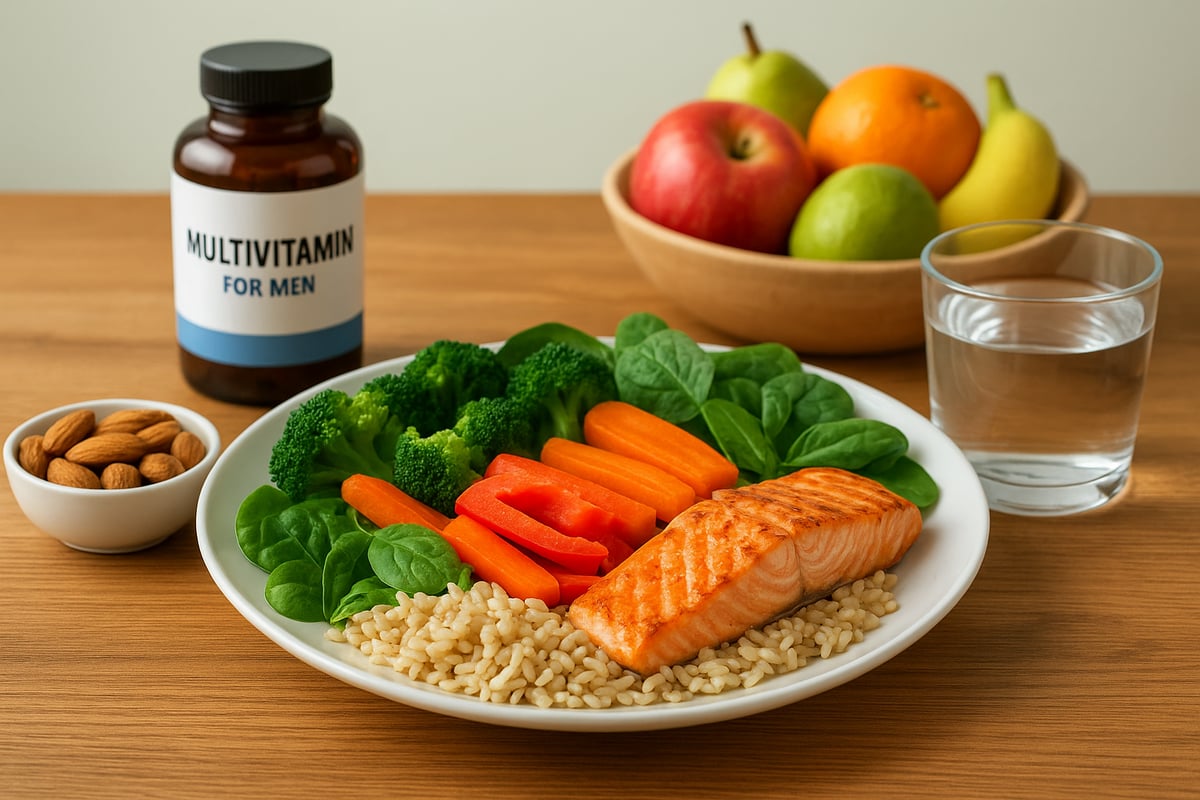
A balanced diet remains the foundation for meeting all the vitamins men need. Whole foods provide nutrients in their most bioavailable forms and often come packed with beneficial fiber and antioxidants.
Include a wide range of foods to cover essential vitamins:
- Leafy greens: spinach, kale, and broccoli for Vitamins K, A, and C.
- Lean proteins: eggs, fish, and poultry for B vitamins and D.
- Nuts and seeds: almonds, sunflower seeds, and walnuts for Vitamin E and B1.
- Fruits: oranges, berries, and kiwi for Vitamin C and folate.
Meal planning is key. Rotate food choices weekly to maximize variety. Try prepping meals in advance if you have a busy schedule. For men with dietary restrictions, consult a nutritionist to ensure all the vitamins men need are included.
When Supplements Make Sense
Even with a well-planned diet, some men find it challenging to meet all their vitamin needs due to lifestyle, medical conditions, or absorption issues. This is where supplements can help bridge the gap.
Select high-quality supplements designed for men. Look for products with transparent labeling, third-party testing, and minimal fillers. Plant-based or food-derived options are often gentler on digestion and can be effective for those with dietary gaps. For a deeper dive into how food-based supplements support daily nutrition, see this Natural food-based supplements guide.
Always read ingredient lists carefully and avoid unnecessary additives. Remember, supplements should complement—not replace—a balanced diet. If you are unsure about which vitamins men need most, seek advice from a healthcare professional.
Lifestyle Factors That Impact Vitamin Absorption
Getting enough vitamins men need is not just about eating the right foods. The way your body absorbs these nutrients can be influenced by many lifestyle choices and health factors.

Alcohol and smoking are two major lifestyle habits that can lower the absorption of key vitamins men need. Alcohol interferes with the breakdown and uptake of nutrients in the gut, while smoking depletes antioxidants like vitamin C. Chronic stress also disrupts digestion and may impair how well your body uses certain vitamins.
As men age, their bodies often become less efficient at absorbing nutrients. Medications for blood pressure, cholesterol, or stomach acid can further reduce vitamin uptake. Gut health matters too, since conditions like IBS or low stomach acid can limit absorption of essential vitamins men need.
To maximize vitamin absorption, consider these tips:
- Pair fat-soluble vitamins (A, D, E, K) with healthy fats.
- Space out calcium and iron supplements to avoid interference.
- Include probiotic-rich foods to support gut health.
- Take certain vitamins with meals for better uptake.
For more practical strategies, you can review Harvard Health on nutrient deficiencies for expert tips on improving your vitamin status.
Regular health checkups and blood tests are essential. They help identify deficiencies early, so you can adjust your diet or supplementation as needed. For example, a man who improved his diet, reduced alcohol, and managed stress reported higher energy and better results on his blood work within months.
By understanding these factors and making simple changes, you can ensure your body absorbs the vitamins men need for long-term health.
Future Trends: Men’s Vitamin Needs in 2026 and Beyond
Personalized nutrition is rapidly transforming how men approach their health. As research uncovers genetic factors that influence the specific vitamins men need, tailored plans are becoming more accessible and effective.
Wearable technology and mobile apps are making it easier to track micronutrient intake in real time. This empowers men to monitor their daily needs, spot deficiencies early, and make smarter choices about supplementation.
Interest in plant-based, eco-friendly supplements is rising, reflecting a shift toward sustainability and holistic wellness. Alongside this, new studies highlight the connection between nutrition and men’s mental health, encouraging a more comprehensive view of wellbeing.
Staying informed about the global micronutrient intake inadequacies can help men make proactive changes. By embracing these trends, men can ensure their vitamin needs are met for long-term health and vitality.
As you look ahead to 2026, staying proactive about your health means making informed choices each day—especially when it comes to essential vitamins. We’ve explored how the right nutrients can boost your energy, support immunity, and help you thrive at every stage of life. If you’re ready to nourish your body with pure, plant-based supplements that actually work, why not take the next step toward better health? You deserve clean, effective solutions that fit your lifestyle and help you feel your best.
Your body deserves better choose clean supplements that work