

Weight Gain Pills Guide: Safe Usage & Tips for 2026
Finding effective ways to gain weight can be just as challenging as losing it, especially when faced with countless products and conflicting advice. If you have ever felt lost in your search for weight gain pills, you are not alone. This comprehensive guide will cut through the confusion, offering clear, evidence-based strategies to help you achieve healthy results in 2026. Inside, you will discover what these pills are, how they work, the risks involved, tips for choosing a safe supplement, step-by-step instructions for proper use, lifestyle habits to boost your progress, and answers to the most common questions. Take control of your journey with the knowledge you need for informed, confident choices.
Understanding Weight Gain Pills: Types & How They Work
Gaining weight can be a real challenge for many, and weight gain pills are often seen as a possible solution. These products are designed to help individuals increase body mass, whether for medical reasons, athletic goals, or to address a high metabolism. Understanding the different types, how they work, and the latest trends is crucial for making informed decisions.
Overview of Weight Gain Pills
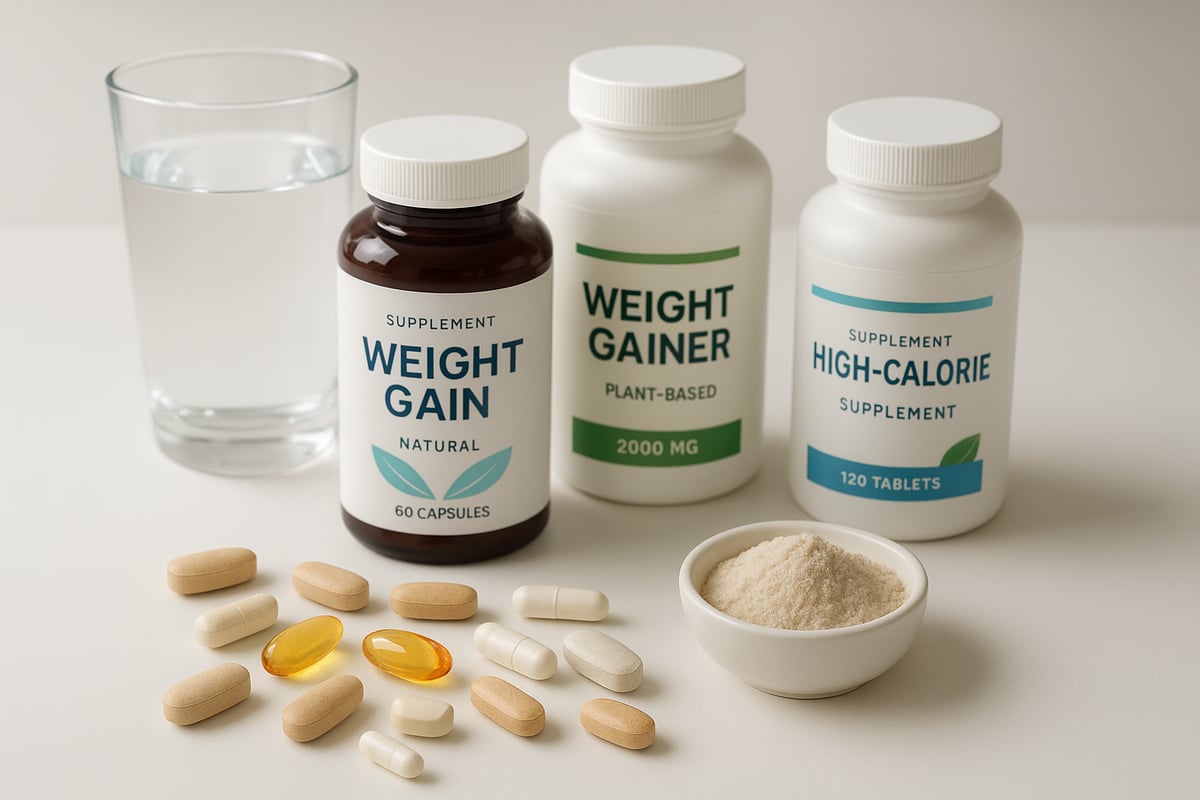
Weight gain pills are supplements or medications formulated to assist in increasing body weight. They come in two main categories: over-the-counter (OTC) supplements and prescription medications. OTC options often include protein blends, appetite stimulants, herbal extracts, vitamins, and minerals. An example is CB 1 Weight Gainer, a popular supplement available without a prescription.
Prescription weight gain pills, on the other hand, are typically reserved for individuals with medical needs, such as those recovering from illness or with chronic underweight conditions. In 2026, the market is seeing a rise in plant-based and clean-label formulations, meeting consumer demand for safer and more transparent products.
It is important to note that OTC supplements are largely unregulated, which means quality and ingredient accuracy can vary. The main purpose of weight gain pills is to offer support for those who struggle to gain weight through diet alone, including athletes and people with fast metabolisms.
Prescription vs. OTC Weight Gain Pills
Prescription weight gain pills are intended for those with specific medical conditions, such as cancer recovery or severe underweight issues. These medications are tightly regulated, ensuring consistent quality and safety under medical supervision. In contrast, OTC weight gain pills are marketed for general use, often as appetite boosters or mass gainers, but lack the same level of oversight.
Here’s a quick comparison:
| Feature | Prescription Pills | OTC Supplements |
|---|---|---|
| Regulation | Strict, by authorities | Minimal, often unregulated |
| Intended Users | Medical patients | General public or athletes |
| Examples | Anabolic steroids | Protein blends, herbal pills |
| Supervision Needed | Always | Recommended |
| Risk of Misuse | High (severe side effects) | Moderate (quality, labeling issues) |
Anabolic steroids, sometimes prescribed for muscle wasting, are also misused by athletes and bodybuilders seeking muscle growth. Misusing these substances without supervision can lead to serious health risks, including hormonal imbalances and organ damage.
Because OTC supplements are unregulated, consumers should be cautious. According to Safety of Weight Gain Supplements, the effectiveness of these products is limited, and the risks may outweigh the benefits if taken without professional guidance. In 2026, health authorities are placing more scrutiny on OTC claims and encouraging stricter regulations to protect consumers.
How Weight Gain Pills Affect the Body
Weight gain pills work through several mechanisms. Some stimulate appetite, making it easier to consume more calories. Others enhance nutrient absorption, helping the body make better use of food and supplements. Certain prescription options may influence hormonal balance, leading to increased muscle growth or metabolic changes.
While these effects can lead to rapid weight gain, the outcome is not always healthy or sustainable. Side effects may include mood swings, digestive problems, and stress on organs such as the liver and kidneys. It is essential to remember that weight gain pills are not a replacement for a balanced diet and regular exercise. Instead, they should be seen as a tool to support a broader, health-focused approach.
Safety First: Risks, Side Effects & Who Should Avoid
Taking weight gain pills can seem like an easy solution, but safety must always come first. Many people overlook the potential risks and side effects that can arise when using these products, especially without professional guidance.
Common Side Effects of Weight Gain Pills
While weight gain pills may help some individuals, they often come with a range of side effects. Gastrointestinal problems are among the most common, including nausea, abdominal discomfort, and diarrhea. Hormonal disruptions can also occur, such as gynecomastia in males or menstrual changes in females.
Mood changes like irritability, emotional swings, and even hallucinations have been reported. Organ health is at risk too, with possibilities of kidney stress, liver damage, or heart enlargement. Allergic reactions are another concern, especially with herbal ingredients. These may manifest as rashes, asthma, or in rare cases, anaphylaxis.
Long-term use can lead to serious problems, including testicular shrinkage or stunted growth in younger users. Effectiveness is often limited, and the risks may outweigh the benefits if weight gain pills are misused. It is crucial to remember that, according to experts, many over-the-counter supplements remain unregulated, raising further safety concerns. For more information on this issue, see the discussion on regulatory challenges in dietary supplements.
Who Should Not Take Weight Gain Pills
Certain groups should avoid weight gain pills unless advised and monitored by a medical professional. These include:
- Children and adolescents without medical supervision
- Pregnant or breastfeeding women
- Individuals with heart, liver, or kidney disorders
- Anyone with allergies to pill ingredients
- People who have had hormone-sensitive cancers
- Those with a history of substance misuse
If you fall into any of these categories, always seek advice from a healthcare provider before considering weight gain pills. Prioritizing health is more important than quick results.
Safe Usage Guidelines & Medical Supervision
Using weight gain pills responsibly starts with consulting a doctor or qualified healthcare professional. Begin with the lowest effective dose and watch for any adverse reactions. Never combine multiple supplements or medications without clear medical approval.
Regular health check-ups and blood tests help catch potential issues early. If you notice side effects, stop taking the pills and report symptoms right away. In 2026, telehealth services make reaching medical experts easier, so take advantage of these resources.
Document your experience, track changes in weight and health, and combine weight gain pills only with a balanced diet and exercise. Remember, safety and long-term well-being should always guide your decisions.
Step-by-Step Guide: How to Use Weight Gain Pills Safely
Gaining weight in a healthy, sustainable way requires more than simply taking weight gain pills. Following a structured, step-by-step approach ensures you get the best results while minimizing health risks. Use this practical guide to make informed choices and protect your wellbeing every step of the way.
Step 1: Assess Your Need for Weight Gain Pills
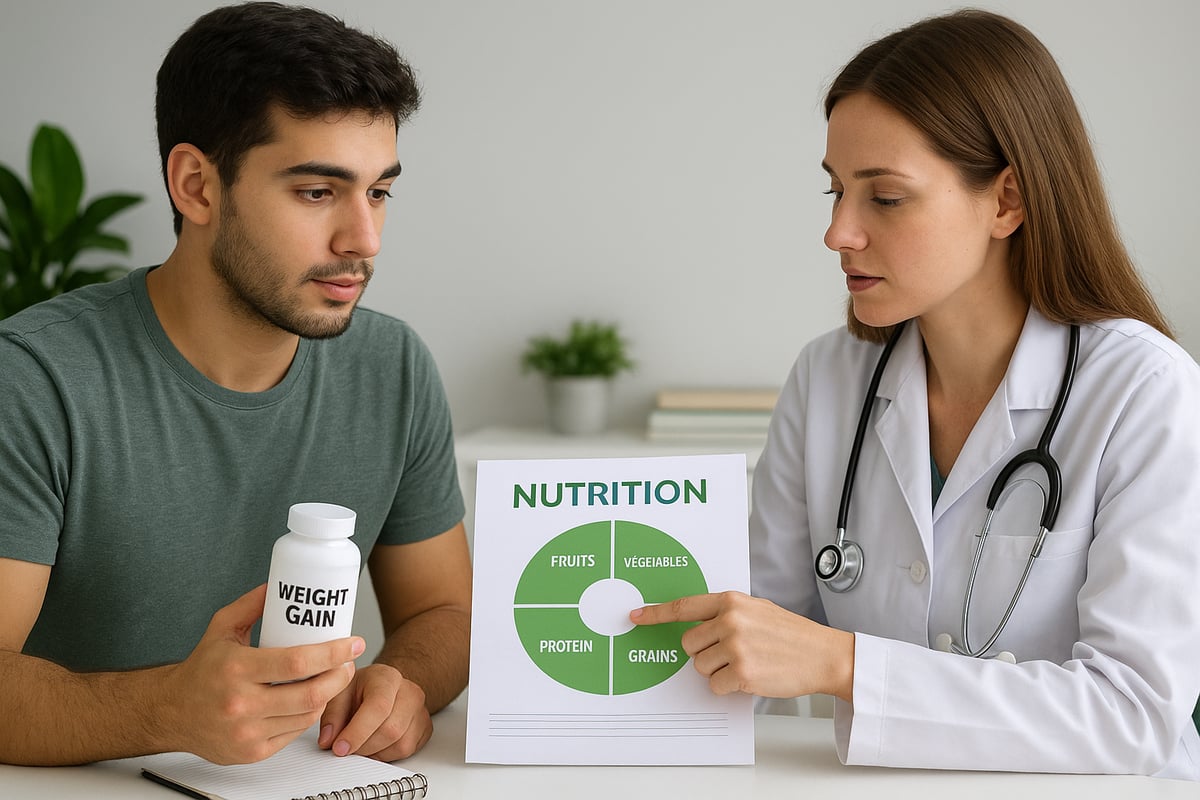
Before starting any regimen, ask yourself if weight gain pills are truly necessary for your situation. Not everyone who wants to gain weight needs supplements.
Begin by consulting a healthcare professional to rule out underlying health issues like hyperthyroidism or digestive disorders that may cause unwanted weight loss. A doctor or registered dietitian can assess whether you are underweight or experiencing muscle wasting, and help determine if pills are appropriate.
Consider lifestyle changes first. Sometimes, adjusting your diet, increasing calorie intake, or adding strength training can produce healthy gains without supplements. Only turn to weight gain pills after professional evaluation and if other strategies have not worked.
Step 2: Choose the Right Product
Choosing the best product is crucial for safety and effectiveness. Research ingredient lists and look for reputable brands that offer third-party testing. Clean-label and plant-based options are increasingly popular in 2026, especially for those with allergies or sensitivities.
Avoid supplements from unverified online sources or those with vague ingredient lists. Check for evidence of clinical testing, and read customer reviews to spot potential issues. Some people pair weight gain pills with protein shakes for healthy weight gain, which can support muscle growth and increase calorie intake.
If you have dietary restrictions, seek allergen-free or vegan formulas. Always check for transparent labeling and avoid products with banned or harmful additives.
Step 3: Follow Dosage and Administration Instructions
Safe usage starts with adhering to the recommended dosage on your chosen weight gain pills. Never exceed the suggested amount, even if you feel progress is slow.
Take pills with meals to reduce gastrointestinal discomfort and improve absorption. Stick to a consistent schedule, such as taking your supplement at the same time each day.
If you miss a dose, do not double up. Instead, continue with your next scheduled dose. Keep a written log of your intake and note any side effects or changes in your wellbeing. This helps you and your healthcare provider track progress and identify issues early.
Step 4: Monitor Progress and Adjust as Needed
Regular monitoring is essential for safe and successful use of weight gain pills. Track your weight, appetite, energy levels, and any side effects on a weekly basis.
Schedule follow-ups with your doctor or nutritionist, especially if you notice mood changes, digestive problems, or other health concerns. Be open to adjusting your dosage or stopping the pills if adverse effects occur.
For best results, combine supplement use with a balanced diet and a resistance training program. This holistic approach supports sustainable gains and overall health. Remember, weight gain pills are most effective when used as part of a broader wellness plan.
Beyond Pills: Nutrition & Lifestyle Tips for Healthy Weight Gain
Achieving healthy weight gain involves more than relying solely on weight gain pills. A successful approach combines mindful nutrition, effective exercise, digestive wellness, and thoughtful supplementation. By integrating these lifestyle strategies, you can maximize the benefits of weight gain pills while promoting sustainable results.
Building a Calorie Surplus Safely
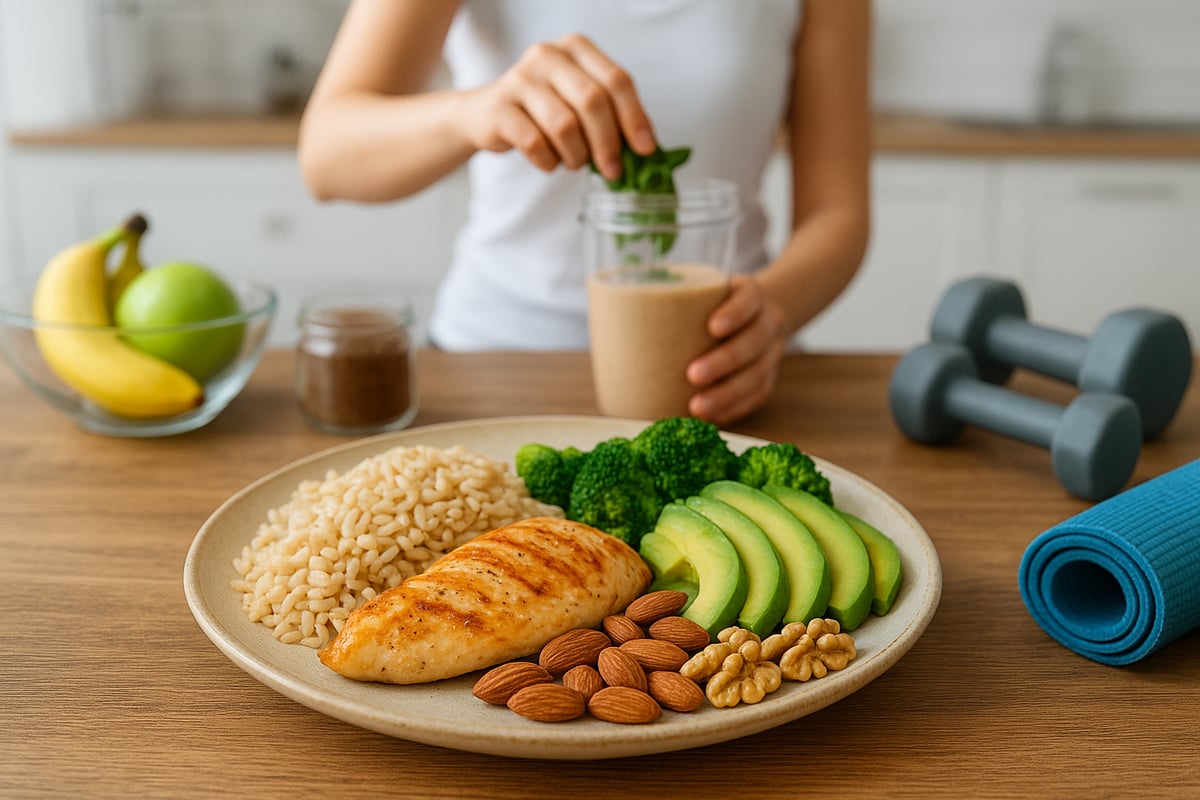
To see results from weight gain pills, you need a calorie surplus. Start by calculating your daily energy needs, then add a moderate surplus of 300–500 calories per day. Focus on nutrient-dense foods such as whole grains, nut butters, avocados, healthy oils, and lean proteins.
Eat frequent, balanced meals and snacks throughout the day. Including plant-based protein shakes or adding extra toppings like nuts can help you meet your goals without relying only on weight gain pills.
Avoid sugary drinks and processed junk foods, which do not support healthy weight gain. Hydration is equally important, so drink water regularly. For best results, consider working with a professional to design a meal plan that complements your supplement use.
Exercise Strategies to Maximize Gains
Physical activity is essential for turning the extra calories from weight gain pills into muscle rather than fat. Prioritize strength training, aiming to work all major muscle groups at least twice a week. Use progressive overload by gradually increasing resistance or weights to stimulate muscle growth.
Incorporate compound movements like squats, deadlifts, and presses for maximum efficiency. Allow for adequate rest between sessions to let your body recover and grow. Pair your workouts with post-exercise nutrition, such as a balanced meal or shake, to support muscle repair and optimize the effects of weight gain pills.
Track your progress and adjust your routine as you build strength and endurance.
Supporting Gut Health and Digestion
Optimal digestion ensures your body absorbs the nutrients needed to benefit from weight gain pills. Prioritize gut health by including probiotic-rich foods such as yogurt, kefir, or fermented vegetables in your diet. Supplements for gut balance can also help, especially if you have sensitivities.
Stay hydrated to support digestion and muscle hydration. Be mindful of foods that cause discomfort or allergies, as these can hinder progress. Managing stress is also crucial, since it can impact both appetite and digestive function. For additional strategies on supporting digestive health, explore these gut health supplement strategies.
If you experience ongoing digestive issues while using weight gain pills, consult a healthcare professional to uncover any underlying problems.
The Role of Supplements in a Holistic Approach
Supplements, including weight gain pills, should complement—not replace—a healthy diet and active lifestyle. Use them as part of a broader wellness plan that includes balanced nutrition, regular exercise, and sufficient rest.
Regularly review your supplement needs with your healthcare provider to ensure your approach remains safe and effective. Remember, while weight gain pills can support your journey, lasting results come from consistent, mindful lifestyle choices.
A holistic strategy is the key to making healthy weight gain sustainable and beneficial for your long-term wellbeing.
What to Look For: Choosing Safe & Effective Weight Gain Pills in 2026
Choosing the right weight gain pills in 2026 requires a careful approach. With so many products on the market, it is important to know what sets the safest and most effective options apart. Below, we break down the key ingredients, how to evaluate product quality, and the red flags to avoid.
Key Ingredients to Prioritize
When evaluating weight gain pills, focus on formulas with proven, safe ingredients. Appetite boosters like fenugreek, ashwagandha, or cyproheptadine (with medical guidance) can help stimulate hunger. Protein blends, such as whey or plant-based proteins, support muscle growth and repair. Look for essential vitamins and minerals, including B12, zinc, iron, and vitamin D, to enhance energy and metabolism.
Select clean-label, non-GMO, and allergen-free options whenever possible. Avoid artificial colors or additives. Always check for clinical studies or scientific data backing the product's claims. For a wider look at safe supplement options, explore this Vitamins and supplements for wellness resource.
Evaluating Product Quality & Brand Reputation
Prioritizing quality and reputable brands is essential when choosing weight gain pills. Look for third-party certifications like NSF, USP, or Informed Choice, which indicate rigorous testing and safety. Transparent ingredient labeling and responsible sourcing signal brand integrity.
Check for positive, verified customer reviews and responsive customer support. Trustworthy brands offer clear return policies and openly share lab results. Be cautious of products with exaggerated promises or a lack of traceable information. A well-established reputation can help ensure you are making a safe investment in your health.
Red Flags & What to Avoid
Be vigilant about red flags when shopping for weight gain pills. Products with undisclosed ingredients or proprietary blends can hide unsafe substances. Avoid any supplement flagged or banned by health authorities. Ultra-low pricing or purchasing from suspicious online sellers increases your risk.
Watch for claims of rapid, effortless weight gain, as these are rarely supported by science. Reports of severe side effects or product recalls should be taken seriously. For more on the importance of accurate labeling, review this Label Accuracy of Weight Loss Supplements study, which highlights the risks of mislabeling. Always verify company contact details and access to lab reports before making a purchase.
Frequently Asked Questions About Weight Gain Pills
Seeking clarity on weight gain pills? Here are answers to some of the most common questions, helping you make informed and safe choices.
How long does it take to see results from weight gain pills?
Results from weight gain pills vary. Some people notice changes within a few weeks, while others may need several months. Consistency with dosage, nutrition, and exercise will impact your timeline.
Are natural or plant-based weight gain pills safer?
Natural or plant-based weight gain pills are often considered lower risk, but safety depends on quality, ingredients, and individual health. Always verify product labels and consult a healthcare provider before starting any supplement.
Can I combine weight gain pills with protein shakes or other supplements?
Yes, many combine weight gain pills with protein shakes or creatine for muscle support. To avoid ingredient overlap or interactions, consult a professional and review guides like Creatine supplementation for muscle growth.
What should I do if I experience side effects?
If you have side effects from weight gain pills, stop using them immediately. Contact your healthcare provider to discuss symptoms and next steps. Monitoring is crucial for your safety.
Are weight gain pills suitable for vegetarians or vegans?
Many weight gain pills in 2026 are plant-based and suitable for vegetarians or vegans. Always check the label for animal-derived ingredients and allergen information to ensure compatibility with your dietary needs.
Will I lose the weight if I stop taking the pills?
Maintaining weight after stopping weight gain pills depends on your ongoing diet, exercise, and lifestyle. Sustainable habits are key to keeping your results in the long term.
Are there age restrictions for weight gain pill usage?
Weight gain pills are not recommended for children or adolescents unless prescribed and supervised by a medical professional. Age restrictions are in place to protect developing bodies from potential risks.
Do I need a prescription for all weight gain pills?
Not all weight gain pills require a prescription. Prescription options are for specific medical conditions, while most supplements are available over the counter. Always use caution and seek medical advice before starting any product.
If you’re considering weight gain pills, it’s important to choose products that support your health—not just the number on the scale. We’ve explored how clean, plant-based supplements can make a real difference, especially when paired with thoughtful nutrition and lifestyle changes. You deserve solutions that are safe, transparent, and truly effective. At Essential Life, we believe every step toward wellness should be rooted in nature and backed by integrity. If you’re ready to nourish your body with trusted, whole-food options, your body deserves better choose clean supplements that work.