

Magnesium Sleep Aid Guide: Unlock Restful Nights in 2026
Struggling to fall asleep or stay asleep? You are not alone. In 2026, millions of people will face ongoing sleep challenges, making restful nights seem out of reach.
The good news is that science points to a promising, natural solution: the magnesium sleep aid. This essential mineral plays a critical role in calming the body and supporting healthy sleep cycles, offering hope for those who want to avoid harsh medications.
This guide will walk you through how magnesium can help you unlock restful nights. We will cover what magnesium is, its impact on sleep, supplement types, usage tips, safety, and the top product recommendations for 2026.
Understanding Magnesium and Its Role in Sleep
Magnesium is a foundational mineral for health, influencing everything from energy to rest. As you explore the potential of a magnesium sleep aid, understanding what magnesium does in the body and its specific role in nightly rest is essential.

What Is Magnesium?
Magnesium is an essential mineral required for over 300 biochemical reactions in the human body. It plays a key role in muscle contraction and relaxation, nerve transmission, and the production of cellular energy. Without adequate magnesium, many body systems struggle to function optimally.
Modern diets often lack sufficient magnesium due to processed foods and soil depletion. Studies suggest that up to 50% of people may be deficient in magnesium. Common food sources include leafy greens like spinach, nuts, seeds, and whole grains. However, because deficiencies are so widespread, magnesium sleep aid supplements have become increasingly popular for those seeking better health and improved rest.
How Magnesium Affects Sleep Physiology
Magnesium directly impacts sleep by regulating neurotransmitters such as GABA, which promote calmness and relaxation. It also supports melatonin production and helps maintain healthy circadian rhythms, both crucial for restorative sleep.
Clinical research shows that magnesium supplementation can improve sleep onset and duration while reducing symptoms of insomnia. Benefits extend to muscle relaxation and stress reduction, further supporting restful nights. For those interested in the evidence, the National Center for Complementary and Integrative Health provides an overview of magnesium supplements for sleep disorders, highlighting the growing scientific support for magnesium as a sleep aid.
Signs You May Need More Magnesium for Sleep
How do you know if a magnesium sleep aid could help you? Common signs of deficiency include restless legs, frequent nighttime awakenings, muscle cramps, anxiety, and difficulty falling asleep.
Several risk factors increase the likelihood of low magnesium, such as chronic stress, poor dietary habits, certain medications, and aging. Older adults and athletes are especially prone to deficiency due to increased needs and losses. If traditional sleep aids have not resolved your symptoms, considering magnesium may be a practical next step toward better sleep.
Types of Magnesium Supplements for Sleep
Finding the right magnesium sleep aid starts with understanding the variety of supplement forms available. Each type differs in absorption, benefits, and suitability for sleep support. Knowing these distinctions can help you make an informed choice for better rest.
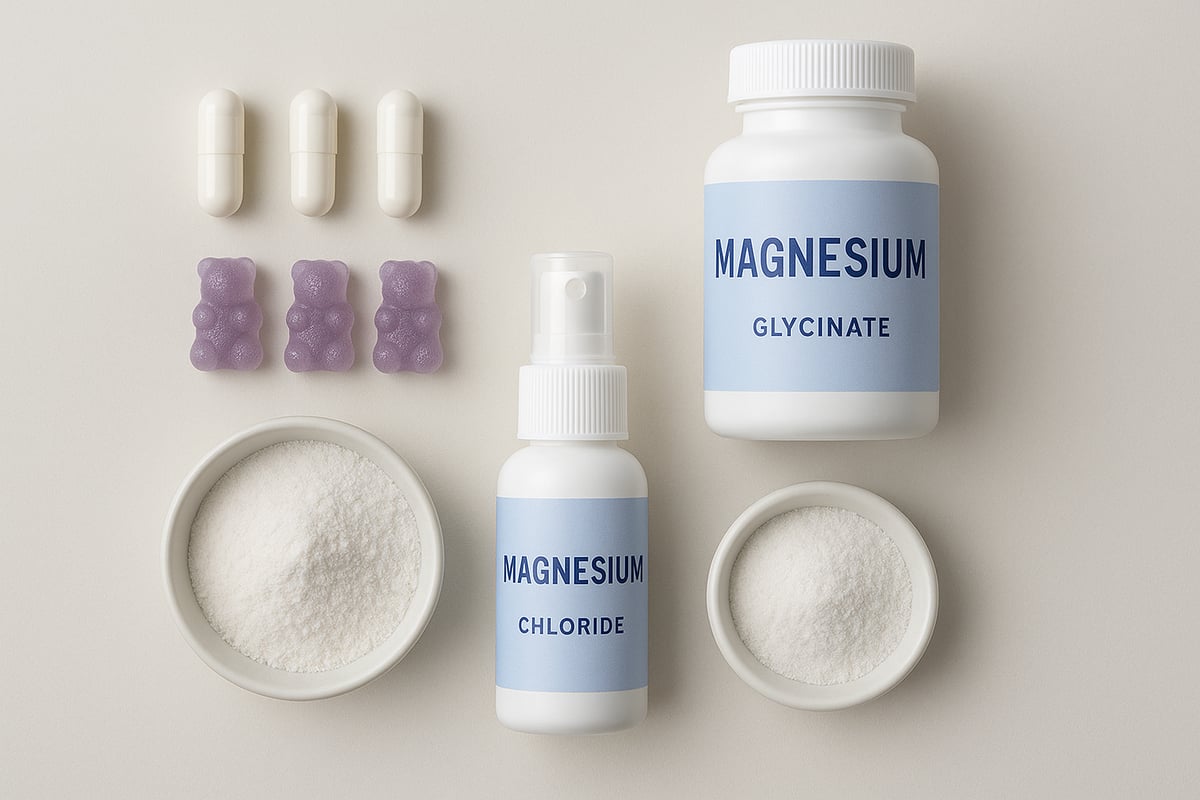
Common Forms of Magnesium for Sleep Support
Several forms of magnesium are used as a magnesium sleep aid, each with unique features. Magnesium glycinate stands out for its calming properties and high absorption, making it ideal for those seeking improved sleep quality. Magnesium citrate is also well-absorbed, though it can have a mild laxative effect for some users. Magnesium oxide is less bioavailable but is sometimes chosen for digestive support. Magnesium chloride offers versatility, as it can be used in both oral and topical applications.
Recent research highlights the potential of magnesium-L-threonate for sleep. According to a randomized controlled trial, this form significantly enhances sleep quality and daytime functioning. When selecting a magnesium sleep aid, consider both the form and the latest scientific findings to match your needs.
Pros and Cons of Each Magnesium Type
Choosing the best magnesium sleep aid involves weighing the strengths and drawbacks of each type. Magnesium glycinate is gentle on the stomach, minimizes gastrointestinal discomfort, and is highly effective for sleep and anxiety. Magnesium citrate is praised for its absorption but may cause loose stools in sensitive individuals. Magnesium oxide is affordable, yet its lower absorption makes it less effective for sleep support. Magnesium chloride provides flexibility, especially for those who prefer topical application.
User reviews often highlight glycinate’s effectiveness for nighttime relaxation, while citrate’s quick action appeals to those who need fast results. However, some users report digestive side effects with citrate and oxide. Always consider your own tolerance and preferences when selecting a magnesium sleep aid.
Dosage Guidelines and Timing for Sleep
For a magnesium sleep aid, typical dosages range from 200 to 400 mg of elemental magnesium per day. It is best to start with the lowest effective dose, such as 100 to 200 mg, and gradually increase if needed. Most experts recommend taking magnesium 30 to 60 minutes before bedtime to maximize its calming effects and support a healthy sleep cycle.
Consistency is key. Take your chosen magnesium sleep aid at the same time each night for best results. Be sure to read product labels and consult with a healthcare provider to tailor your dose to your individual needs and avoid potential interactions.
Combining Magnesium with Other Sleep Aids (Melatonin, Herbs)
Many people enhance their magnesium sleep aid routine by combining it with other natural ingredients. Popular blends feature magnesium with melatonin, valerian root, or L-theanine to boost relaxation and support falling asleep faster. For example, some products pair magnesium with plant-based melatonin for a synergistic effect.
Always check for possible interactions when combining supplements. Start slowly and monitor how your body responds to any new magnesium sleep aid combination.
How to Use Magnesium as a Sleep Aid: Step-by-Step Guide
Unlocking the full benefits of a magnesium sleep aid begins with an intentional, stepwise approach. By methodically assessing your needs, selecting the right supplement, and integrating it into your nightly routine, you can maximize your chances of restful, restorative sleep. Follow this guide to ensure you use magnesium safely and effectively for better sleep.
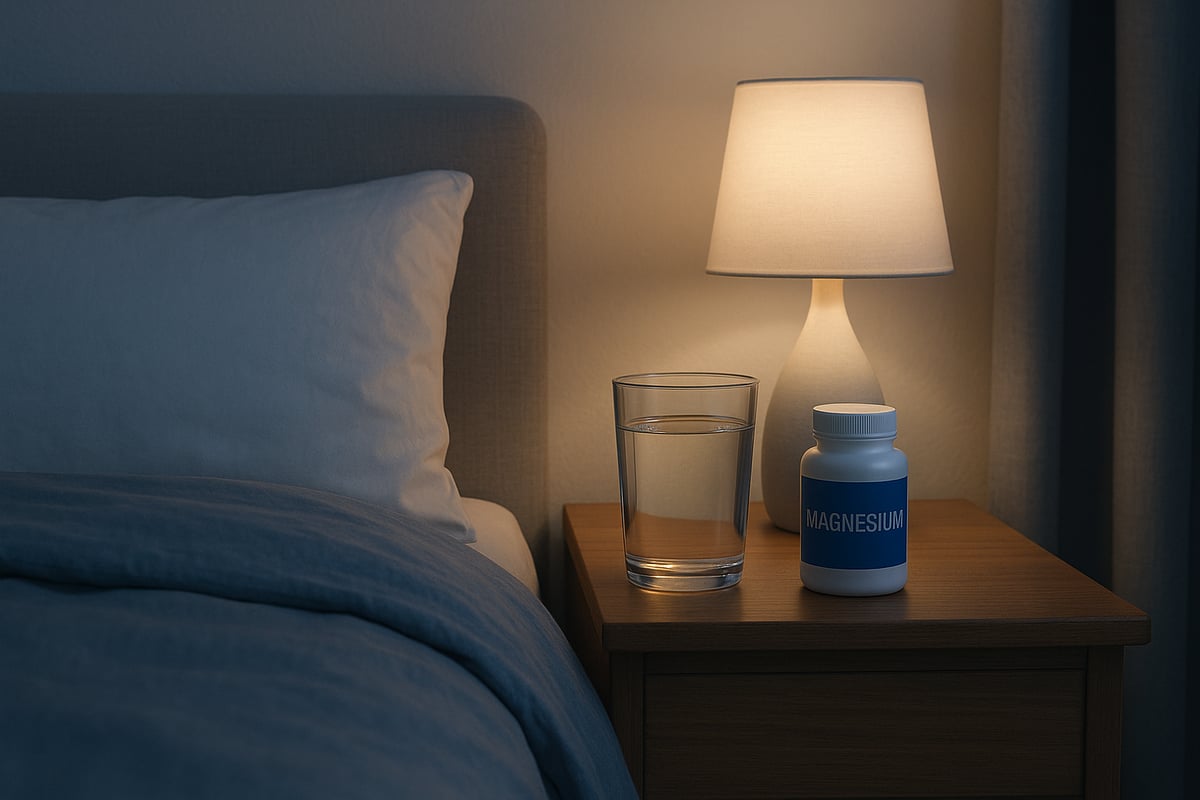
Step 1: Assess Your Sleep Needs and Symptoms
Begin by tracking your sleep patterns for a week. Are you experiencing restlessness, muscle cramps, or frequent waking? Take note of lifestyle factors such as work stress, dietary habits, and physical activity. If you notice persistent trouble falling asleep, it may be time to consider a magnesium sleep aid as part of your nightly regimen.
Step 2: Choose the Right Magnesium Supplement
Selecting the optimal supplement is crucial. Evaluate different forms, including capsules, powders, gummies, or sprays. For those with sensitive stomachs, magnesium glycinate is often preferred, while citrate may appeal to those seeking digestive benefits. Review product labels for purity and dosage, and opt for trusted brands known for quality.
- Popular forms: capsules, gummies, powders, sprays
- Consider absorption rates and side effect profiles
- Check for third-party testing and clear ingredient lists
Step 3: Determine the Ideal Dosage and Timing
Start with the lowest effective dose, typically 100 to 200mg of elemental magnesium per day. Take your magnesium sleep aid 30 to 60 minutes before bedtime for best results. Monitor your body's response and gradually increase the dosage only if needed and well tolerated. Consistency is key, so aim to take it at the same time each night.
Step 4: Incorporate Magnesium into Your Nightly Routine
Pair your supplement with calming bedtime rituals. Read a book, meditate, or enjoy a caffeine-free herbal tea. Keep your lights dim and avoid screens before bed. Integrating your magnesium sleep aid into a relaxing routine signals your body that it is time to wind down and prepare for restful sleep.
Step 5: Monitor Results and Adjust as Needed
Track improvements in sleep quality, duration, and how refreshed you feel in the morning. Watch for mild digestive side effects, such as loose stools, especially if using magnesium citrate. If your magnesium sleep aid is not delivering the desired results, adjust the dose or try a different form. Always listen to your body's feedback.
Step 6: Maintain a Holistic Approach to Sleep Wellness
Remember, no supplement replaces a healthy lifestyle. Combine your magnesium sleep aid with good sleep hygiene, stress management, and balanced nutrition. For more strategies on integrating wellness into your routine, see the Wellness is a lifestyle guide. This comprehensive approach can enhance the effectiveness of your sleep regimen.
Step 7: Know When to Seek Professional Advice
If insomnia persists or you have underlying health conditions, consult your healthcare provider. Magnesium sleep aid products may interact with certain medications or be unsuitable for individuals with specific medical concerns. Use magnesium as a complement to, not a substitute for, professional care.
Top Magnesium Sleep Aid Products for 2026
Finding the best magnesium sleep aid for your needs can be overwhelming with so many options on the market. In 2026, several standout products have emerged, each offering unique benefits for sleep support.
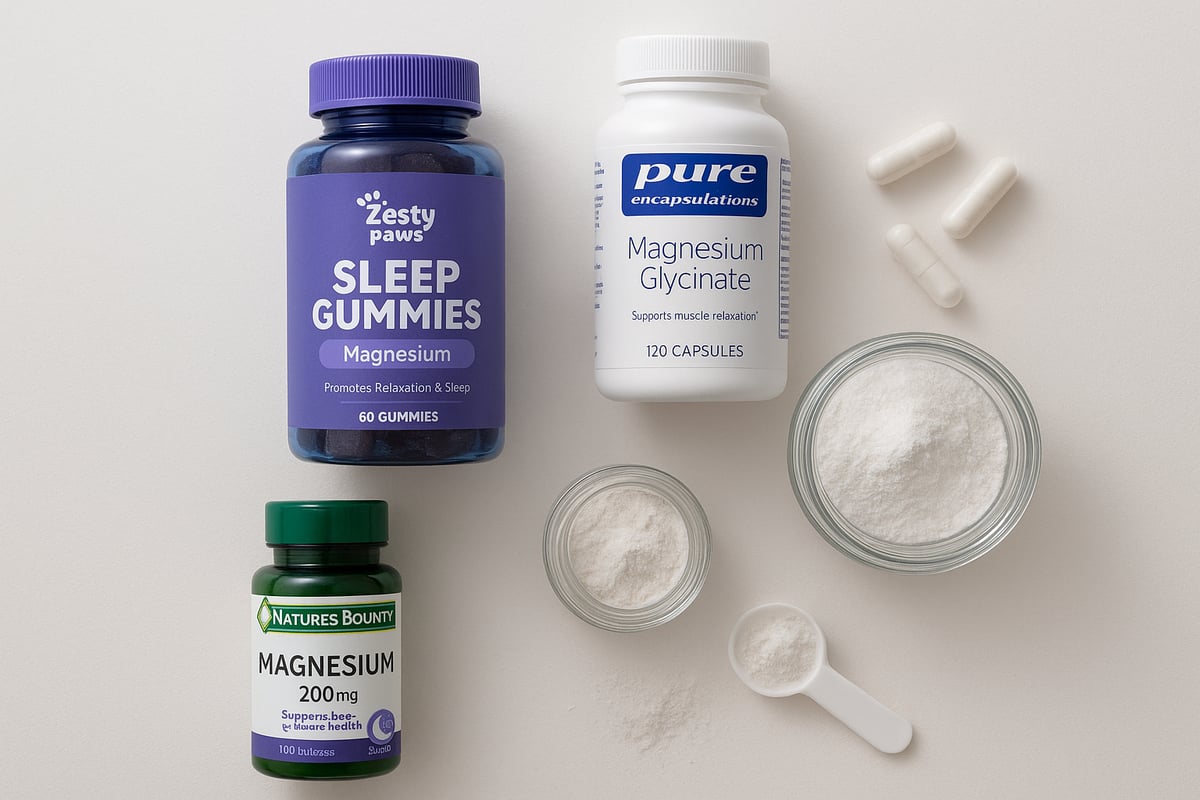
Overview of Leading Magnesium Sleep Supplements
When considering a magnesium sleep aid, top choices in 2026 include Natural Vitality CALM Sleep Gummies, Double Wood Magnesium Glycinate, and Swanson Albion Magnesium Glycinate. These products are praised for their effectiveness, flavor, and added ingredients such as melatonin or herbal extracts.
Another notable contender is the Dreamy Restless Nights Sleep Formula, which blends magnesium with complementary sleep-supporting botanicals. Customers frequently report improved sleep onset and quality with these formulas.
Ratings for these supplements are consistently strong, with many products averaging 4.3 to 4.5 out of 5 stars based on hundreds of reviews. Consumers appreciate the range of formats, from chewable gummies to easy-to-swallow capsules.
Criteria for Choosing the Best Product
Selecting the right magnesium sleep aid involves more than just picking a popular name. Prioritize products with:
- Transparent ingredient lists and clear sourcing
- High absorption forms like magnesium glycinate or magnesium chloride
- Natural or vegan certifications
- Absence of artificial additives or fillers
- Strong brand reputation and third-party testing
Look for supplements that fit your dietary preferences and sensitivities. Ease of use, such as gummies for those who dislike pills, also makes a difference. Products that combine magnesium with gentle sleep aids like melatonin or L-theanine can offer synergistic benefits for deeper rest.
Product Comparison Table (Features, Dosage, Price, Reviews)
Below is a quick comparison of leading magnesium sleep aid options to help you decide:
| Product Name | Form | Dosage/Serving | Price/Serving | User Rating |
|---|---|---|---|---|
| Natural Vitality CALM Sleep Gummies | Gummies | 83 mg | $0.25 | 4.5/5 |
| Double Wood Magnesium Glycinate | Capsule | 200 mg | $0.11 | 4.3/5 |
| Swanson Albion Magnesium Glycinate | Capsule | 133 mg | $0.13 | 4.4/5 |
| Dreamy Restless Nights Sleep Formula | Capsule | 120 mg | $0.35 | 4.6/5 |
Gummies are popular for taste and ease, while capsules provide more concentrated doses. Consider if you prefer a magnesium sleep aid with added botanicals or a pure magnesium formula.
Where to Buy Magnesium Sleep Aids in 2026
You can purchase magnesium sleep aid supplements through trusted online retailers like Amazon and Target, as well as wellness specialty stores. Many brands also offer direct sales on their websites.
For best results, check for authentic products by reviewing customer feedback, confirming third-party testing, and ensuring the retailer is reputable. In-store shopping may be available in major cities, with shipping options for online orders.
Safety, Side Effects, and Who Should Avoid Magnesium Sleep Aids
Taking a magnesium sleep aid is generally considered safe for most adults, but understanding possible side effects and precautions is essential for optimal results. While many people tolerate these supplements well, some may experience mild discomfort, especially when starting or adjusting their dosage.
Potential Side Effects and How to Minimize Them
When using a magnesium sleep aid, some individuals may notice digestive changes like mild diarrhea, stomach upset, or nausea. These effects are more common with certain forms, such as magnesium citrate and oxide, which can be more challenging for sensitive stomachs. Rarely, high doses might lead to low blood pressure or irregular heart rhythms.
To minimize risk, start with the lowest effective dose and choose gentle forms like magnesium glycinate. Gradually increase only if needed. Clinical research, such as this double-blind study on magnesium supplementation and primary insomnia in elderly, confirms that most side effects are mild and manageable when following guidelines. Discontinue use and consult your provider if you experience persistent or severe symptoms.
Who Should Not Use Magnesium Sleep Supplements?
While magnesium sleep aid products are safe for many, certain groups should exercise caution. People with kidney disease or severe heart conditions should avoid supplementation unless directed by a healthcare professional. Magnesium can interact with specific medications, including antibiotics and diuretics, potentially altering their effectiveness.
Pregnant or breastfeeding women should consult their provider before starting a new magnesium sleep aid. Children should only use these supplements under medical supervision. Always inform your doctor about all supplements you take to prevent unexpected interactions or complications.
Safe Use Guidelines and Best Practices
For optimal results with a magnesium sleep aid, follow label instructions carefully and stay within recommended dosages. Combine supplementation with healthy sleep habits, such as maintaining a regular bedtime and creating a restful environment. Regularly reassess your need for magnesium, as long-term overuse can cause imbalances.
Consider choosing high-quality products, like those designed for overall wellness and balance, such as Magnesium for gut health balance. Always consult a healthcare professional if sleep issues persist or if you have underlying health concerns. Remember, magnesium works best as part of a comprehensive sleep wellness plan.
The Future of Magnesium Sleep Aids: Trends and Innovations
Magnesium sleep aid solutions are rapidly evolving as new research and technology reshape how we support healthy sleep. As we look toward 2026, scientific advances and consumer demand are driving innovation in both the effectiveness and accessibility of these supplements.
Emerging Research on Magnesium and Sleep
Recent studies have shed new light on the role of magnesium sleep aid supplements in improving deep and restorative sleep. Researchers are finding that magnesium can influence not just the time it takes to fall asleep, but also the quality of REM and slow-wave sleep.
For instance, clinical trials now explore how combining magnesium with other nutrients may support those with sleep disorders beyond basic insomnia, such as restless legs syndrome and even mild sleep apnea. Ongoing research, like the Magnesium intake and sleep disorder symptoms study, continues to confirm the connection between dietary magnesium and sleep quality across diverse populations.
These findings are encouraging for anyone seeking a magnesium sleep aid that is guided by science and delivers measurable results.
Innovations in Supplement Formulation and Delivery
The magnesium sleep aid market is seeing significant innovation in how supplements are formulated and delivered. Advances in bioavailability, such as liposomal and nano magnesium, help the body absorb more of the mineral efficiently.
Manufacturers now offer chelated forms that are gentle on digestion, as well as dissolvable powders and gummies for those who prefer an alternative to capsules. Clean-label, plant-based, and allergen-free products are becoming standard, allowing more people to find a magnesium sleep aid that fits their dietary needs.
These innovations give consumers greater flexibility to personalize their nightly routine, making it easier to integrate magnesium into a holistic sleep wellness plan.
Consumer Trends and What to Look for in 2026
Consumer interest in natural sleep solutions is at an all-time high, with magnesium sleep aid products leading the way. Shoppers are prioritizing transparency, looking for supplements with clear ingredient lists, third-party certifications, and ethical sourcing.
There is a growing demand for personalized blends that address age, gender, and lifestyle needs. Many turn to reputable online retailers and curated vitamins and supplements collection pages to compare options and find the best fit.
As the magnesium sleep aid market expands, expect to see even more tailored, science-backed products designed to help you achieve restful, restorative sleep.
As you’ve discovered, finding truly restful sleep in 2026 often means taking a holistic approach—one that supports your body naturally and gently. Magnesium can be an effective ally, but the key is choosing supplements made with pure, plant-based ingredients, free from unnecessary additives. If you’re ready to give your body what it genuinely needs for better nights and brighter days, consider making clean, effective wellness a part of your daily routine. You deserve solutions that care for your whole self, inside and out.
Your body deserves better choose clean supplements that work